


On October 10, 2023, the Army Corps of Engineers announced that it would grant a permit for the pipeline to continue operating, citing a need for energy security amid rising fuel prices. This decision marks a pivotal moment in the ongoing debate over fossil fuel infrastructure in the United States, particularly as the country grapples with its energy policies in the face of climate change. For more insights on the impacts of energy policies, check out our article on interest rate adjustments.
The pipeline, which has been operational since 2017, has faced numerous challenges, including a temporary shutdown ordered by a federal judge in 2020. However, the recent government endorsement highlights a shift in priorities, emphasizing economic recovery and energy independence over environmental concerns. Critics argue that this decision undermines the rights of Native American tribes and sets a dangerous precedent for future energy projects. Learn more about the legal implications of pipeline operations in our piece on Greenpeace’s legal challenges.
As the situation unfolds, stakeholders from various sectorsincluding energy companies, environmental organizations, and Indigenous leadersare closely monitoring the implications of this decision. The renewed support for the Dakota Pipeline could influence other infrastructure projects across the nation, potentially reigniting protests and discussions about the balance between economic development and environmental stewardship.
Historical Background and Context of the Dakota Pipeline Project
The Dakota Access Pipeline (DAPL) project has been a focal point of controversy since its inception, rooted in a complex interplay of environmental, economic, and social factors. Proposed in 2014, the pipeline aims to transport crude oil from the Bakken shale formation in North Dakota to a terminal in Illinois. The project was initially met with support from energy companies and state officials, who touted its potential to boost local economies and create jobs. However, opposition quickly arose, particularly from Indigenous groups and environmental activists concerned about the pipeline’s route through sacred lands and its potential impact on water resources.
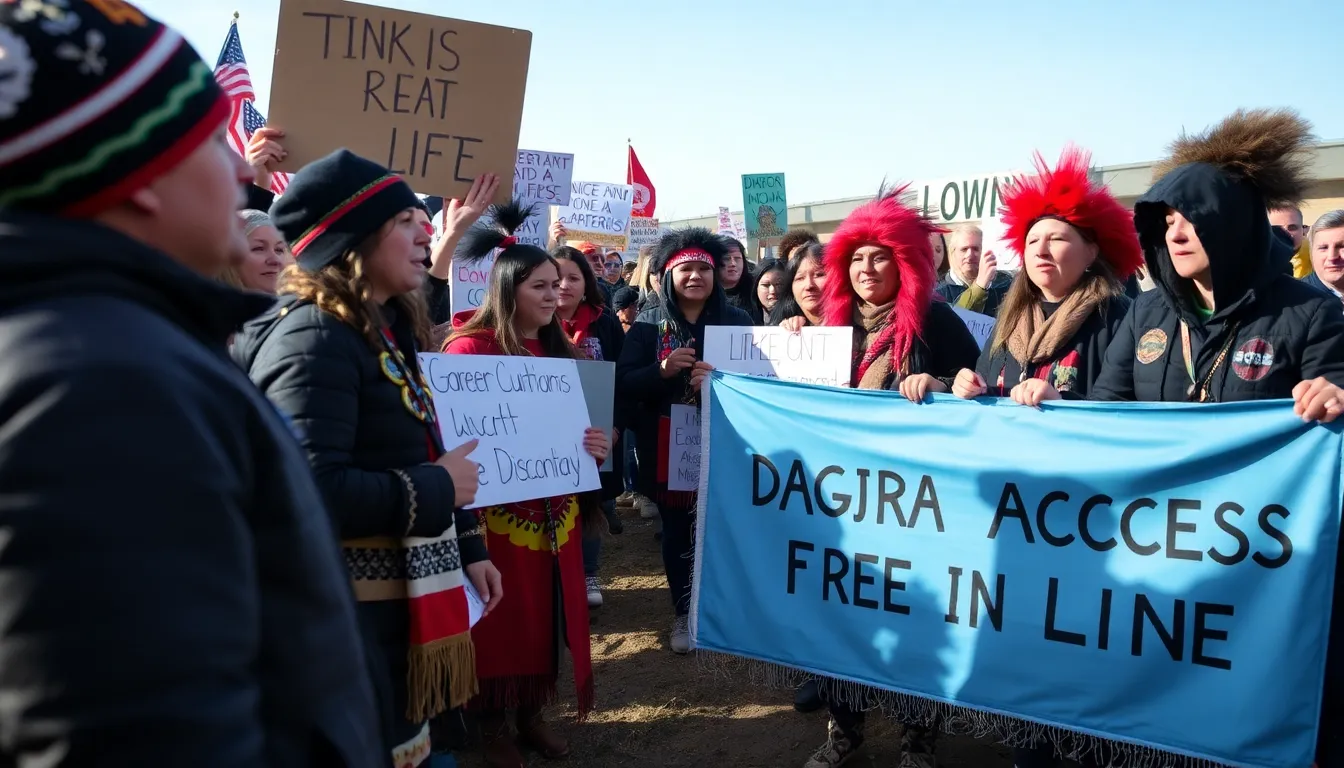
In 2016, the situation escalated dramatically when the Standing Rock Sioux Tribe, along with thousands of activists, led protests against the pipeline’s construction near their reservation. The tribe argued that the pipeline threatened their water supply and violated their treaty rights. These protests gained national and international attention, becoming a symbol of the broader fight for Indigenous rights and environmental justice. The movement highlighted the historical grievances of Native American communities, whose lands and rights have often been overlooked in favor of economic development.
Key Milestones in the Pipeline’s Journey
Throughout its development, the Dakota Access Pipeline has seen several key milestones. In July 2016, the Army Corps of Engineers granted an easement for the pipeline to cross under Lake Oahe, a move that sparked widespread protests. Despite the opposition, construction continued, leading to clashes between law enforcement and protesters. In December 2016, the Obama administration temporarily halted the project, calling for an environmental review. However, this decision was reversed in early 2017 under the Trump administration, which expedited the pipeline’s completion.
Since the pipeline became operational in June 2017, it has continued to face legal challenges and public scrutiny. Environmental concerns, particularly regarding oil spills and their impact on local ecosystems, have remained at the forefront of discussions. The political landscape surrounding the pipeline has also shifted, with varying levels of support and opposition from different administrations, reflecting the ongoing debate over energy policy, environmental protection, and Indigenous rights in the United States. This complex situation echoes the broader issues outlined in our coverage of global conflicts.
Key Stakeholders and Issues Related to the Pipeline Boost
The Dakota Access Pipeline (DAPL) has been a focal point of contention since its inception, attracting a diverse array of stakeholders, each with distinct interests. Key actors include the federal government, energy companies, indigenous communities, environmental organizations, and local governments. Understanding their motivations and the underlying issues is essential for grasping the current dynamics surrounding the recent government boost to the pipeline.
At the forefront, the federal government, particularly the Biden administration, has shown a renewed interest in energy infrastructure, citing economic benefits and energy independence. This shift has sparked concerns among environmental groups and indigenous rights advocates who argue that the pipeline poses significant risks to local ecosystems and violates treaty rights. The U.S. Army Corps of Engineers, responsible for permitting the pipeline, finds itself in a complex position, balancing regulatory responsibilities with political pressures.
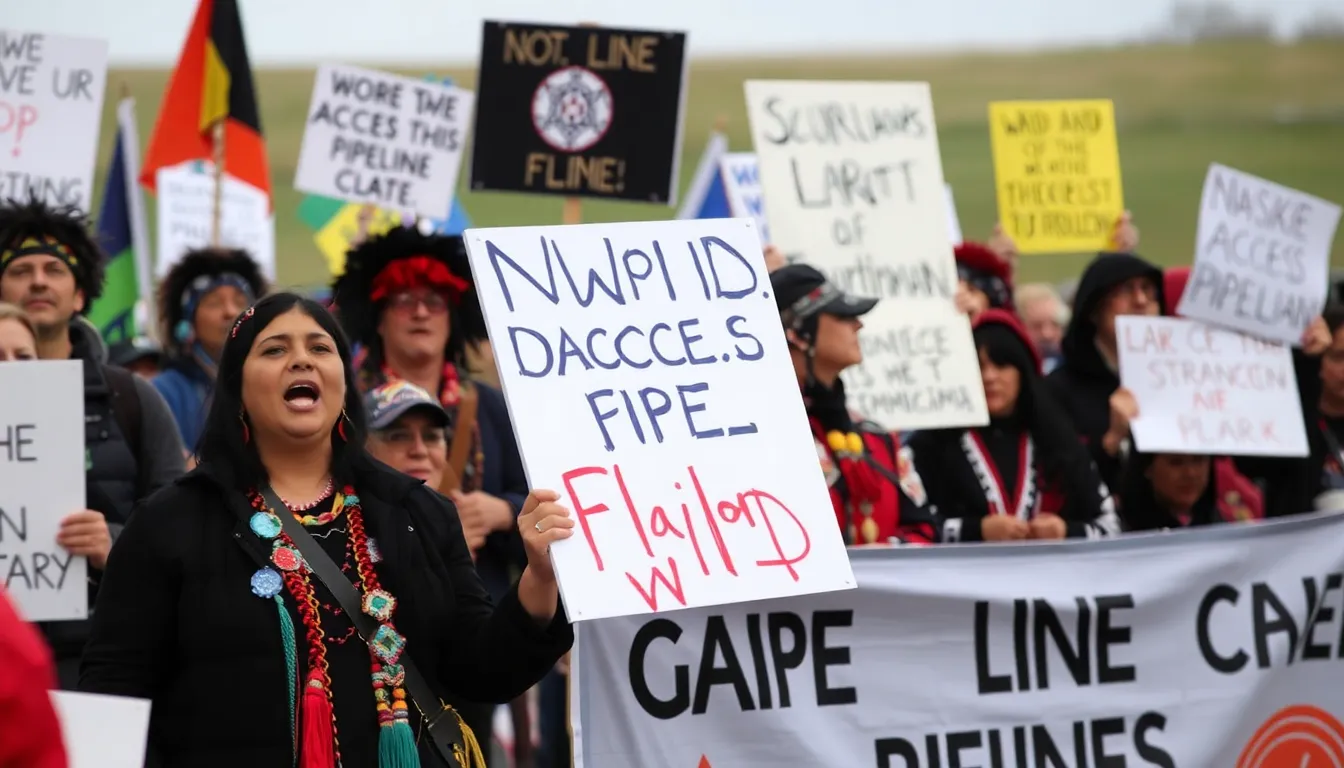
Energy companies, primarily Energy Transfer Partners, benefit economically from the pipeline’s operation, which facilitates the transport of crude oil from North Dakota to Illinois. Their interests lie in maximizing profits and ensuring the pipeline’s operational continuity. However, this economic incentive often clashes with environmental and social considerations, leading to protests and legal challenges from various groups.
- Indigenous Rights: Native American tribes, particularly the Standing Rock Sioux, argue that the pipeline threatens sacred lands and water sources, raising significant legal and ethical questions about land use and sovereignty.
- Environmental Concerns: Environmental organizations emphasize the potential for oil spills and long-term ecological damage, advocating for renewable energy alternatives and stricter regulations on fossil fuel infrastructure.
- Economic Trade-offs: While proponents highlight job creation and energy security, opponents point to the potential costs of environmental degradation and the long-term impacts on climate change.
- Legal Challenges: Ongoing litigation regarding permits and environmental assessments complicates the pipeline’s future, as courts weigh the interests of economic development against environmental protection and indigenous rights.
- Public Sentiment: The polarized public opinion surrounding the pipeline reflects broader societal debates about energy policy, climate change, and social justice, influencing political decisions and corporate strategies.
As the situation evolves, the interplay between these stakeholders will shape the future of the Dakota Access Pipeline and the broader energy landscape in the United States. Each party’s interests and actions will continue to influence legal, economic, and social outcomes, highlighting the complexity of modern infrastructure projects.
Potential Impacts on Communities and the Environment
The controversial Dakota Pipeline project has significant implications for various groups, industries, and regions. Indigenous communities, environmental activists, and local residents are among those most affected. The pipeline’s construction and operation raise concerns about land rights, environmental degradation, and water safety, which are central to the livelihoods and cultural practices of these communities.
In the short term, the pipeline’s government boost may lead to increased job opportunities in construction and related industries. This could provide economic relief for some local communities, particularly in regions struggling with unemployment. However, these benefits come with risks, as the potential for oil spills and environmental contamination poses a threat to local ecosystems and water sources.
- Increased job opportunities in construction and energy sectors.
- Heightened tensions between Indigenous groups and government authorities.
- Potential environmental degradation affecting agriculture and tourism.
Mid-term impacts may include shifts in local economies as businesses adapt to changes in energy supply and demand. While some sectors may thrive, others, particularly those reliant on clean water and natural resources, could suffer. Additionally, the long-term effects of potential environmental incidents could lead to stricter regulations and heightened scrutiny of similar projects in the future.
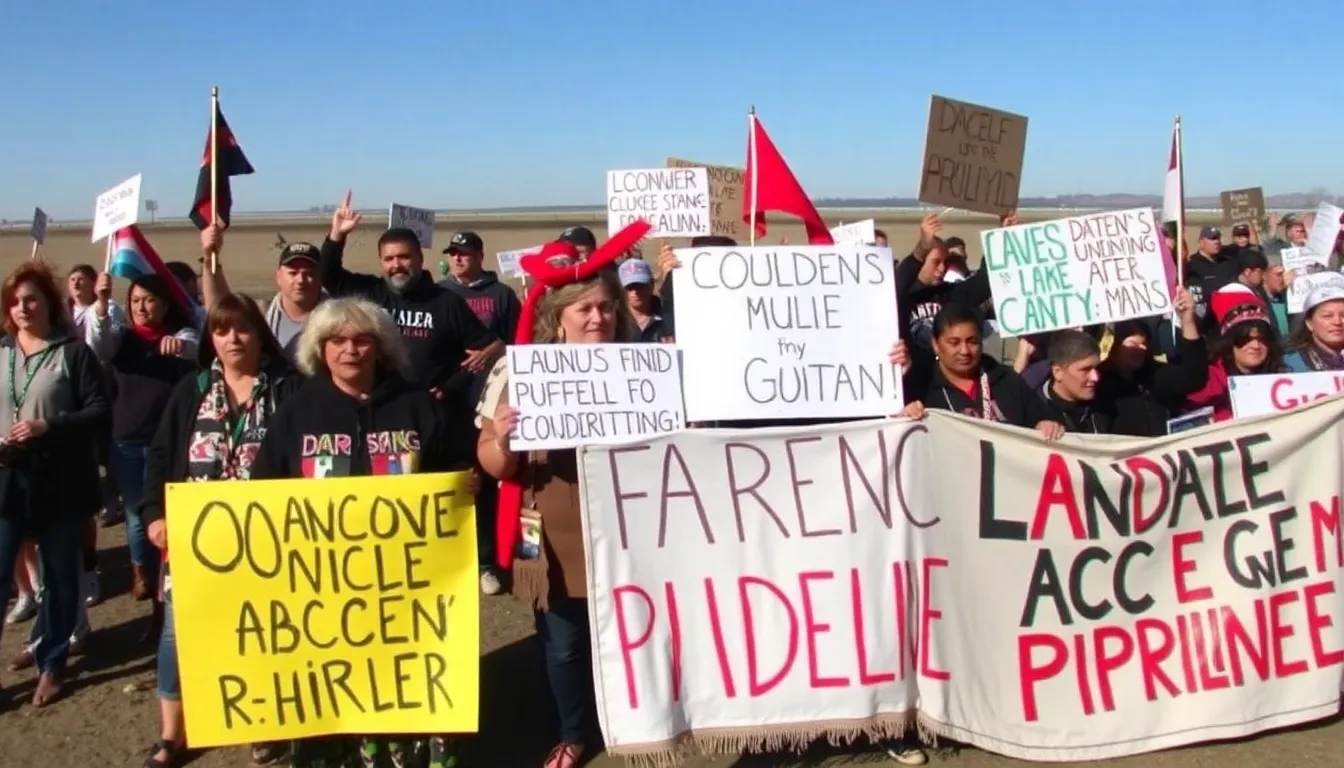
Overall, while there are opportunities for economic growth and energy independence, the risks associated with the Dakota Pipeline highlight the need for careful consideration of community rights and environmental sustainability. Balancing these factors will be crucial in shaping the future landscape of the region.
A: The Dakota Pipeline is an oil pipeline system that transports crude oil from North Dakota to Illinois. It has been a source of significant controversy due to its environmental impact and the rights of Indigenous peoples. A: The government support is controversial because it raises concerns about environmental degradation and the infringement of Indigenous rights, which have been central issues in the pipeline’s history. A: Environmental concerns include potential oil spills, disruption of ecosystems, and threats to water supplies. Activists argue that these risks outweigh the economic benefits. A: The main stakeholders include the federal government, Indigenous communities, environmental groups, and the oil industry, each with differing priorities and concerns. A: The boost could lead to increased economic activity and job creation but may also exacerbate tensions between local communities and the government regarding land use and environmental protection.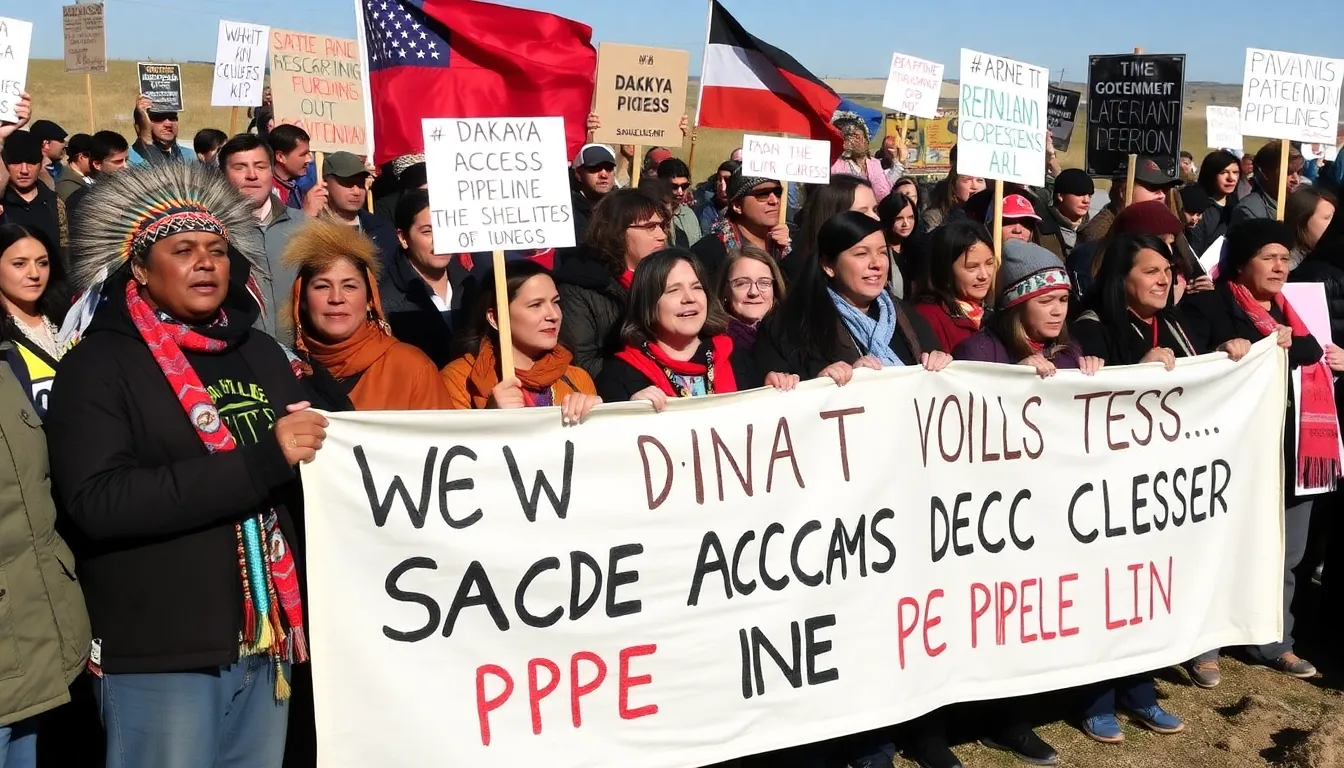
Frequently Asked Questions About the Dakota Pipeline
Key Takeaways and Future Outlook on the Dakota Pipeline
The recent government support for the Dakota Pipeline marks a significant shift in energy policy, emphasizing the administration’s commitment to bolstering infrastructure projects. This development is likely to reignite discussions around environmental concerns and Indigenous rights, as stakeholders reassess the implications of increased oil transport through these controversial channels. The long-standing debates surrounding the pipeline’s impact on local ecosystems and communities will remain at the forefront as the project moves forward.
As the pipeline progresses, it will be crucial to monitor the reactions from environmental groups and Indigenous communities, as well as the potential for legal challenges. The economic ramifications of enhanced oil transport capacity will also be significant, influencing both local economies and broader energy markets.
- Watch for potential legal challenges from Indigenous groups and environmental advocates as the project advances.
- Monitor changes in local and national energy prices as increased pipeline capacity affects supply dynamics.
- Pay attention to the government’s ongoing commitment to infrastructure projects and how it shapes future energy policies.
- Consider the implications for climate change discussions as fossil fuel transport continues to be a contentious issue.
- Observe the reactions from local communities and stakeholders, which could influence future energy infrastructure projects.