


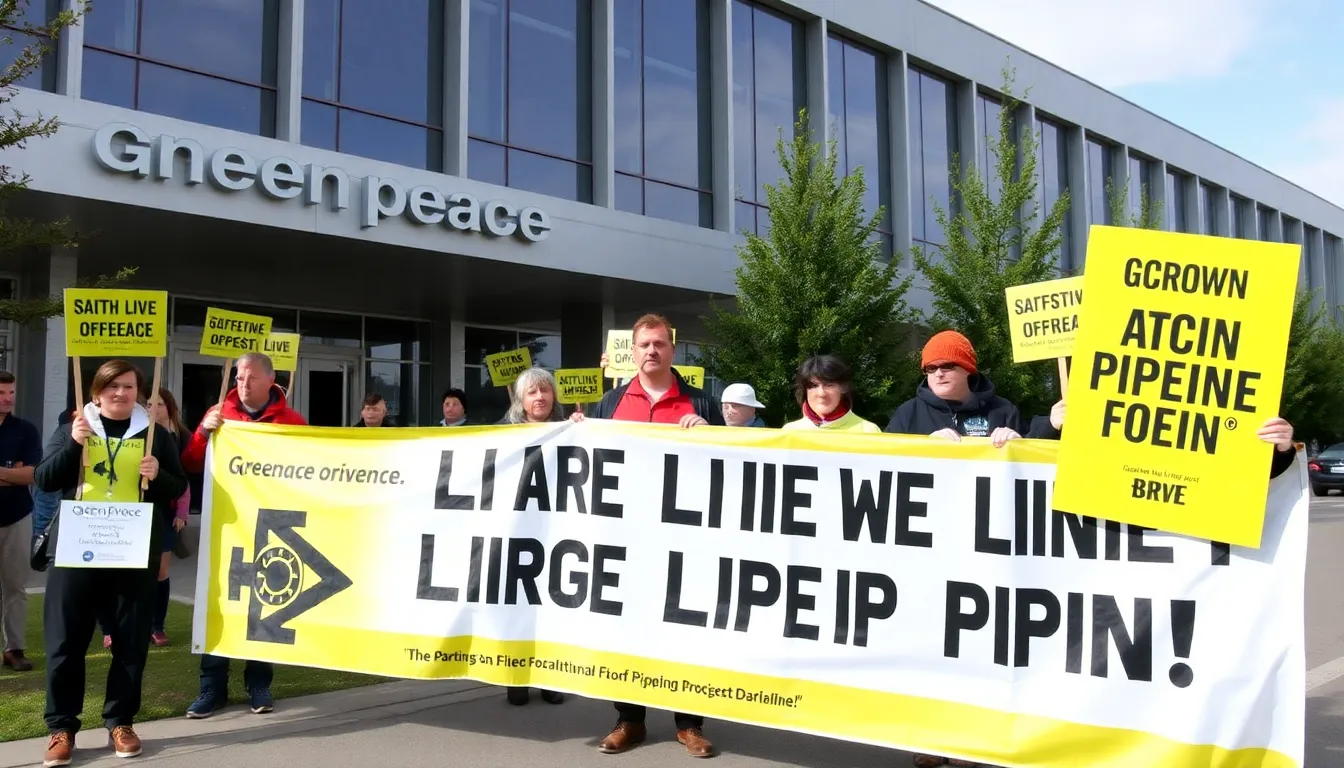
On October 15, 2023, Greenpeace staged a series of protests at various locations connected to the pipeline company’s operations, aiming to raise public awareness about the environmental risks associated with fossil fuel infrastructure. These demonstrations included sit-ins, banner drops, and social media campaigns designed to mobilize supporters and pressure the company to adopt more sustainable practices. The actions have sparked a national conversation about the balance between corporate rights and environmental protection.
Legal experts have noted that the ongoing dispute underscores a critical gap in legislation that governs the activities of environmental organizations. While companies often have substantial resources to defend their interests, activists frequently face legal challenges that can hinder their ability to operate effectively. This imbalance raises questions about the protections afforded to those advocating for ecological preservation and the need for reform in the legal system.
The situation is further complicated by the involvement of local governments and law enforcement, which have sometimes sided with the pipeline company in efforts to quell protests. As the conflict escalates, it remains to be seen how this legal battle will influence future environmental activism and corporate accountability. The outcome could set a precedent for how similar cases are handled across the country.
Understanding the background of the legal loophole
The ongoing conflict between Greenpeace and major pipeline companies highlights a significant legal loophole that has emerged over the years. This issue is rooted in the broader context of environmental activism and corporate interests, where the balance between ecological protection and economic development has often been a contentious battleground. The rise of large-scale infrastructure projects, particularly in the energy sector, has prompted increased scrutiny from environmental groups, leading to a series of legal challenges and confrontations.
Historically, the environmental movement gained momentum in the late 20th century, particularly following landmark events such as the 1970 establishment of Earth Day and the creation of the Environmental Protection Agency (EPA) in the United States. These developments spurred a wave of activism aimed at holding corporations accountable for their environmental impact. However, as pipeline projects expanded to meet growing energy demands, legal frameworks struggled to keep pace, resulting in gaps that corporations could exploit.
The Role of Legislation
Legislation surrounding environmental protection has often been reactive rather than proactive. For instance, the National Environmental Policy Act (NEPA) was enacted to ensure that environmental factors were considered in federal decision-making. However, loopholes in this and other regulations have allowed companies to bypass stringent assessments, leading to conflicts with activists who argue that these projects threaten ecosystems and communities. This has created a legal battleground where groups like Greenpeace challenge not only the projects themselves but also the legal frameworks that govern them.
Key milestones in this ongoing struggle include high-profile court cases where environmental groups have sought injunctions against pipeline construction, citing insufficient environmental reviews. These cases have often brought to light the inadequacies of existing laws, revealing how corporate entities can leverage legal ambiguities to their advantage. As a result, the fight against pipeline projects has become emblematic of the broader struggle for environmental justice, exposing the need for legal reform to close these loopholes and protect vulnerable ecosystems.
Key stakeholders and issues at play in the dispute
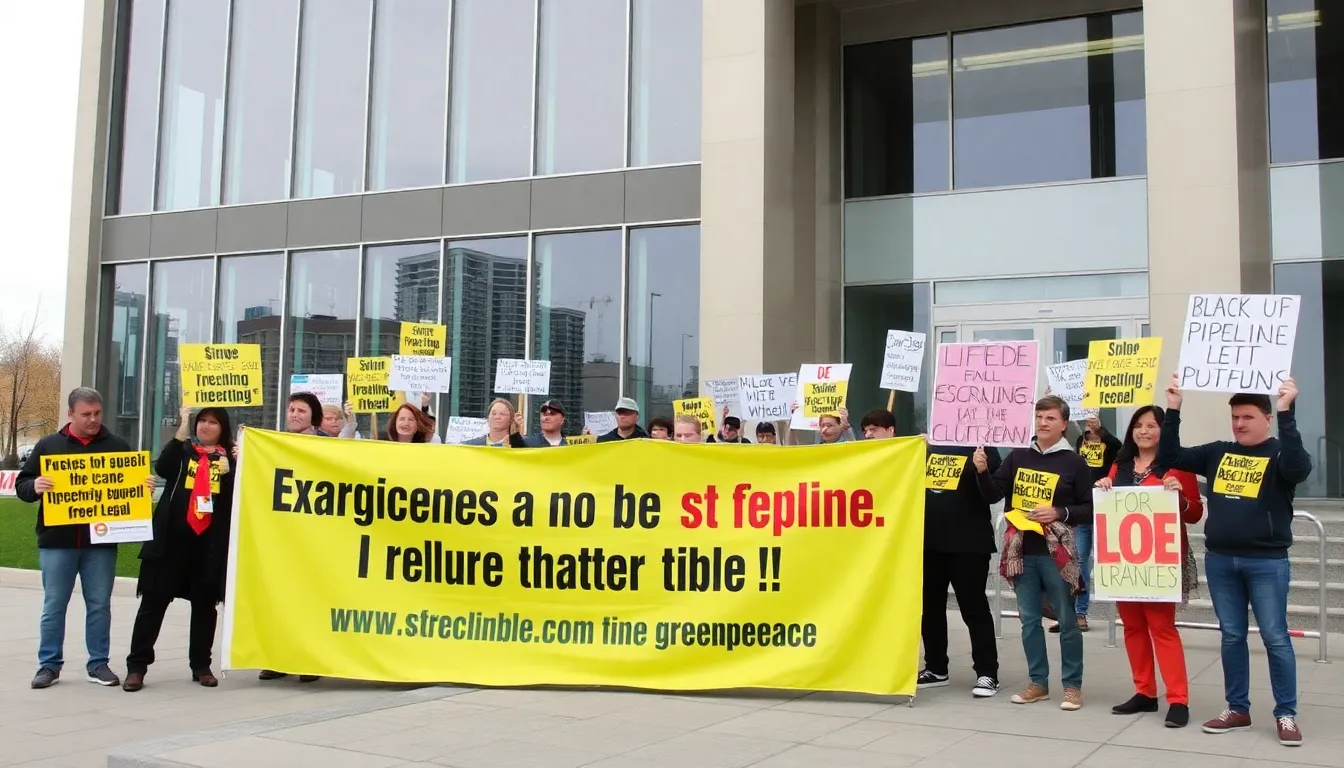
The ongoing conflict between Greenpeace and the pipeline giant highlights a complex web of stakeholders with varying interests. At the forefront is Greenpeace, an international environmental organization dedicated to promoting ecological sustainability and combating climate change. Their primary interest lies in halting the expansion of fossil fuel infrastructure, which they argue contributes to environmental degradation and climate change.
On the other side of the dispute is the pipeline company, a major player in the energy sector, which seeks to expand its infrastructure to meet the growing demand for energy. Their interests are rooted in economic growth, job creation, and energy security. This clash of priorities sets the stage for a multifaceted legal and ethical debate.
In addition to these primary actors, various governmental bodies play a significant role. Regulatory agencies are tasked with balancing economic development with environmental protection. Their decisions can significantly impact the outcome of the dispute, as they navigate the legal frameworks that govern energy projects. Local communities, often affected by pipeline construction, also have a stake in the matter, as they seek to protect their environment and health.
- Legal Loopholes: The dispute sheds light on existing legal frameworks that may allow companies to bypass environmental regulations.
- Economic Implications: The expansion of pipelines raises questions about job creation versus environmental costs.
- Public Sentiment: Growing public awareness and activism surrounding climate issues influence both Greenpeace’s strategies and the pipeline company’s public relations efforts.
- Political Dynamics: Government policies and political support for fossil fuels versus renewable energy can shift the balance in this dispute.
Ultimately, the conflict between Greenpeace and the pipeline giant underscores a broader debate about the future of energy, environmental responsibility, and the legal systems that govern these interactions. As the stakeholders navigate this complex landscape, the outcomes will likely have lasting implications for environmental policy and corporate accountability.
The impact of the legal loophole on communities and the environment
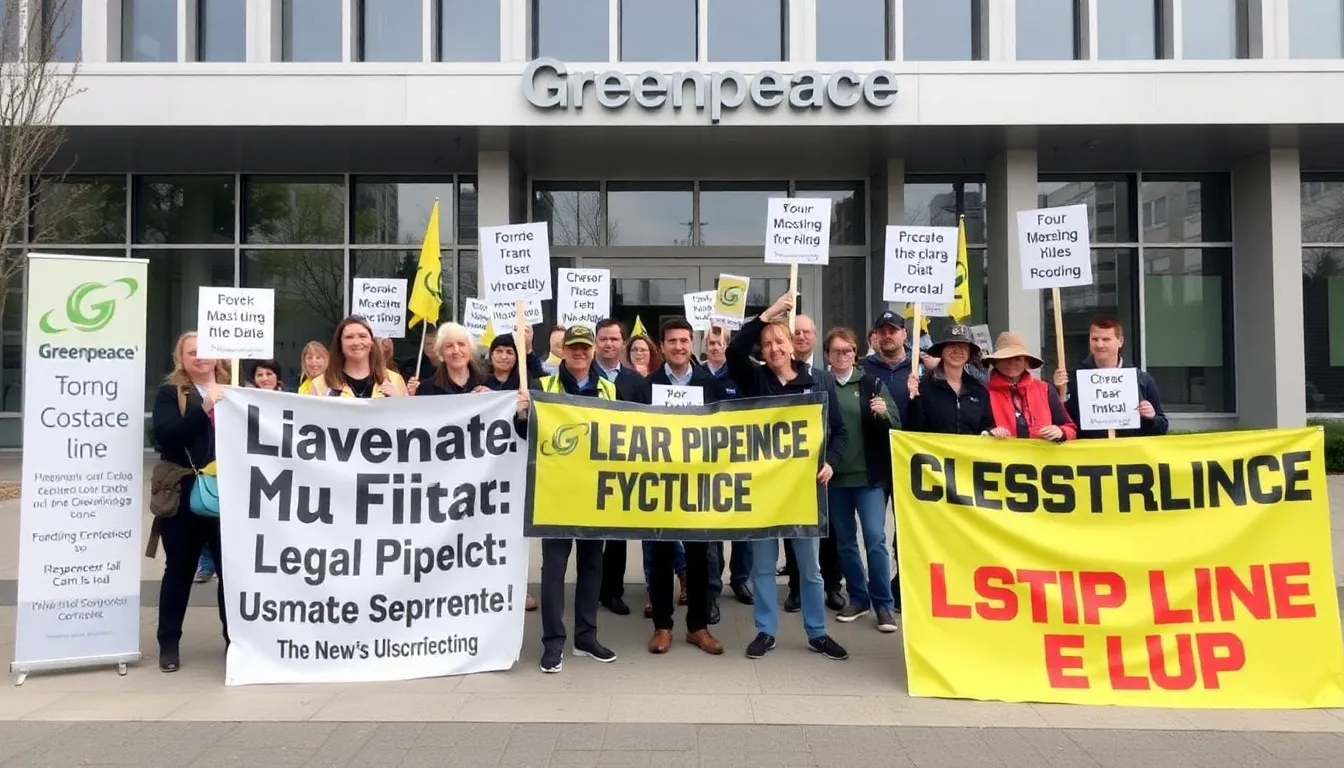
The ongoing battle between Greenpeace and pipeline companies highlights significant legal loopholes that affect various communities, particularly those situated near proposed pipeline routes. Indigenous groups, local residents, and environmental activists are among the most directly impacted, as these legal gaps can lead to increased environmental degradation and disruption of traditional lands.
In the short term, communities may experience heightened tensions as protests and legal challenges escalate. Local businesses that rely on tourism and natural resources could face immediate financial repercussions if pipeline construction disrupts access to natural areas. Additionally, the potential for environmental damage could lead to stricter regulations in the future, affecting industries reliant on fossil fuels.
Mid-term impacts may include shifts in public policy as lawmakers respond to growing public concern over environmental issues. This could result in more robust environmental protections or, conversely, a push for deregulation to expedite energy projects. The legal loophole may also prompt communities to advocate for greater transparency and accountability from pipeline companies, leading to a more engaged citizenry.
- Risks: Environmental degradation, community displacement, and economic instability for local businesses.
- Opportunities: Increased activism, potential for renewable energy investments, and stronger community coalitions.
As the situation unfolds, it is crucial for affected communities to remain vigilant and proactive in addressing these legal loopholes, ensuring their voices are heard in the ongoing dialogue about energy infrastructure and environmental stewardship.
Frequently asked questions about the Greenpeace pipeline dispute
A: The main issue revolves around a legal loophole that allows the pipeline company to operate without stringent environmental regulations, which Greenpeace argues poses significant risks.
A: Local communities may face environmental degradation and health risks due to the pipeline’s operations, which are not adequately regulated because of the loophole.
A: Greenpeace has initiated legal actions, organized protests, and raised public awareness to challenge the pipeline company’s operations and push for stricter regulations.
A: Potential outcomes include the closing of the legal loophole, increased regulations for pipeline operations, or continued operations without changes, depending on the court’s ruling.
Insights and future outlook on the legal battle
The ongoing legal confrontation between Greenpeace and the pipeline company has highlighted significant gaps in environmental protection laws. As the case unfolds, it serves as a critical reminder of the need for regulatory reforms that can effectively address the challenges posed by large-scale industrial projects. The implications of this fight extend beyond the immediate parties involved, raising questions about the accountability of corporations and the rights of environmental organizations to challenge potentially harmful activities.
Looking ahead, stakeholders must remain vigilant as this case could set precedents that influence future environmental litigation. The outcome may encourage other organizations to pursue legal action against corporations that they believe are violating environmental standards, potentially leading to a broader movement for legal reforms aimed at safeguarding ecological interests.
- Monitor the legal arguments presented by both sides, as they may reveal weaknesses in current environmental laws.
- Watch for potential legislative responses that could emerge in reaction to the case’s outcome.
- Consider the impact of public opinion and media coverage on the trajectory of the legal battle.
- Evaluate how this case might inspire similar actions from other environmental groups against corporate practices.
- Stay informed about any changes in corporate policies regarding environmental compliance in light of the legal scrutiny.