


Current Trends in Cruise Drink Packages
As the cruise industry continues to rebound from the pandemic, beverage packages have become a focal point for many cruise lines. Major operators like Carnival, Royal Caribbean, and Norwegian Cruise Line are revisiting their drink offerings to attract passengers looking for value and convenience. This shift is particularly relevant as travelers seek to maximize their onboard experience while managing vacation budgets.
In recent months, several cruise lines have introduced or revamped their drink packages, with options ranging from unlimited soft drinks to all-inclusive alcoholic beverage plans. For instance, Royal Caribbean’s “Deluxe Beverage Package” allows guests to enjoy a wide selection of cocktails, wines, and beers for a flat daily fee. These packages often come with specific terms, such as minimum age requirements and restrictions on certain premium items, which are essential for potential buyers to understand.
The pricing of these packages varies significantly, with some lines offering promotional rates during specific booking periods. For example, Carnival frequently runs sales that can reduce the price of their drink packages by up to 20% if purchased before the cruise. This pricing strategy not only incentivizes early bookings but also reflects the competitive landscape of the cruise market as companies vie for customer loyalty.
Moreover, consumer preferences are evolving, with many travelers now prioritizing experiences over traditional amenities. This trend has prompted cruise lines to enhance their drink offerings, including the introduction of specialty cocktails and curated wine lists. As a result, beverage packages are not just about quantity but also quality, catering to a more discerning clientele that values unique and memorable experiences at sea.
The Evolution of Drink Packages in the Cruise Industry
The cruise industry has undergone significant transformations over the decades, particularly in how it markets and sells beverages to passengers. Initially, cruise lines operated on a traditional model where drinks were sold à la carte. This meant that passengers would pay for each drink individually, often leading to unexpectedly high bills by the end of their voyage. As competition increased and cruise lines sought to attract a broader demographic, the introduction of drink packages became a strategic move to enhance guest experience and simplify pricing.
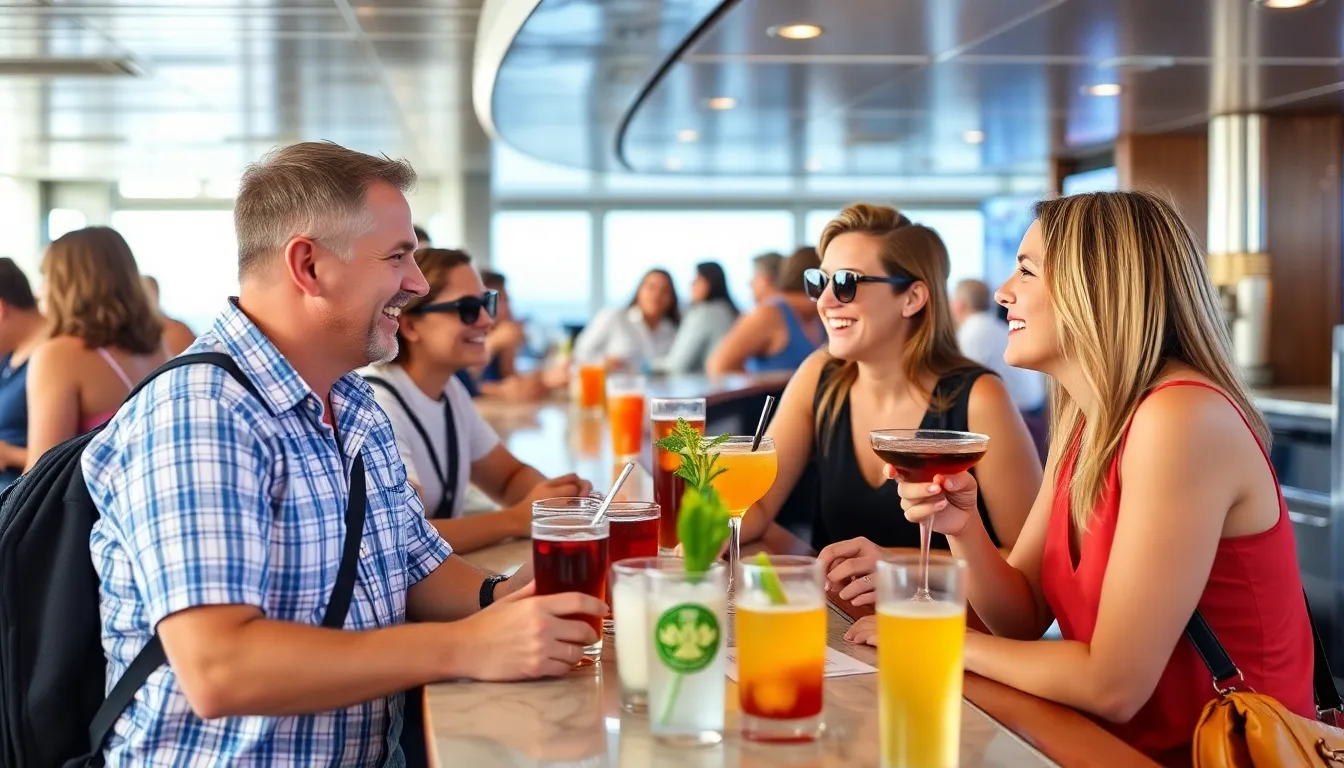
In the early 2000s, several major cruise lines began experimenting with all-inclusive drink packages as a way to cater to the growing demand for value-oriented travel experiences. These packages allowed passengers to pay a flat fee upfront for unlimited beverages, which not only simplified budgeting for travelers but also encouraged them to indulge more freely during their trips. This shift was influenced by broader economic trends, including the rise of budget-conscious consumers and the increasing popularity of all-inclusive resorts.
Key Milestones in Drink Package Development
One of the pivotal moments in the evolution of drink packages was the introduction of the “Premium Beverage Package” by major cruise lines in the mid-2010s. This package typically includes a selection of higher-end beverages, allowing passengers to enjoy a more luxurious experience without the worry of additional costs. The success of these premium offerings prompted other lines to follow suit, leading to a variety of options that cater to different preferences and budgets.
Additionally, the COVID-19 pandemic brought about a temporary halt in cruise operations, prompting lines to reevaluate their offerings. As they resumed sailing, many cruise companies revamped their drink packages to include more flexible options, such as pay-per-drink systems or tiered packages that allow guests to choose based on their consumption habits. This adaptability reflects a broader trend within the industry to respond to changing consumer preferences and economic conditions.
Today, drink packages are a staple of cruise marketing strategies, with each line offering unique variations to attract different segments of the market. As the industry continues to evolve, these packages will likely adapt further, reflecting the ongoing dialogue between cruise operators and their guests regarding value, quality, and experience.
Key Stakeholders and Issues Surrounding Drink Packages
The cruise industry is a multifaceted ecosystem involving various stakeholders, each with distinct interests in the implementation and pricing of drink packages. Key players include cruise line companies, passengers, regulatory bodies, and beverage suppliers. Understanding their motivations and the potential conflicts that arise is essential for a comprehensive analysis of the drink package landscape.
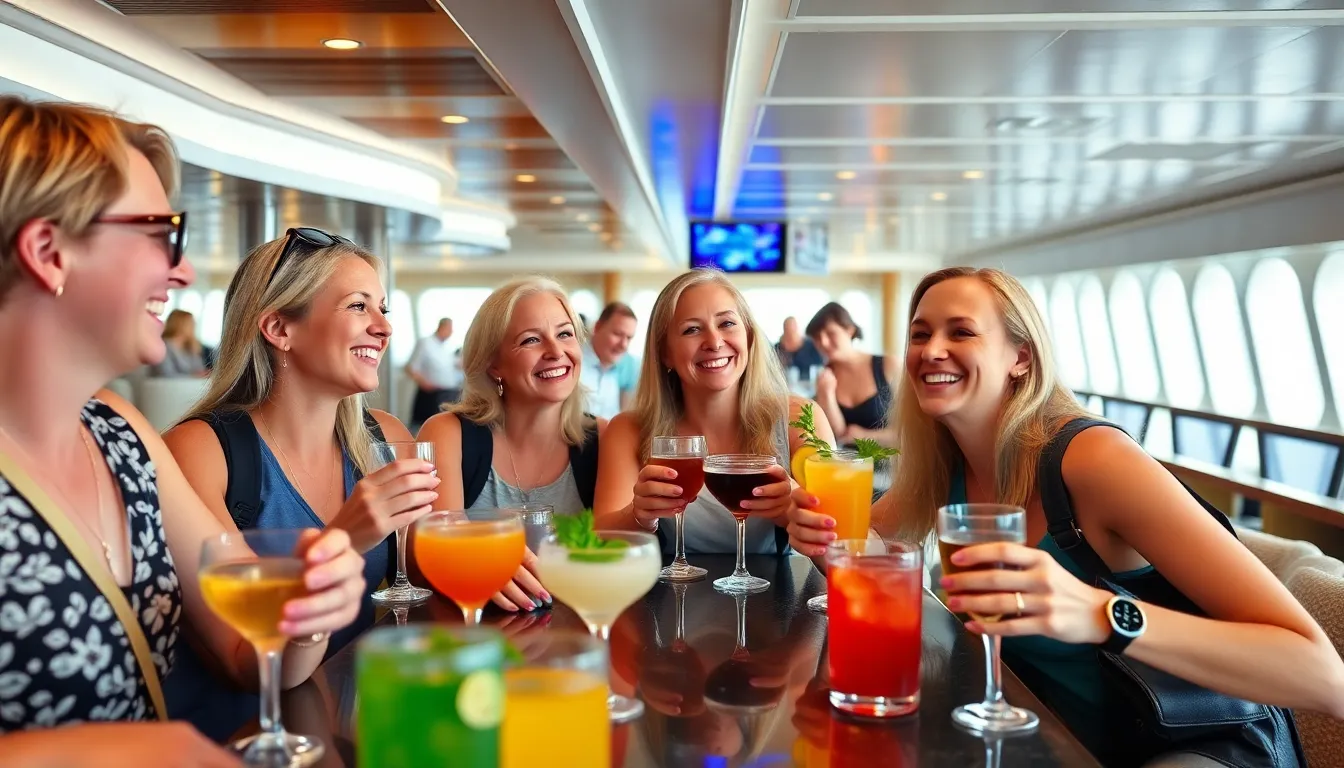
Cruise line companies, such as Carnival, Royal Caribbean, and Norwegian Cruise Line, are primarily motivated by profit maximization and customer satisfaction. They design drink packages to enhance the passenger experience while also ensuring that these offerings contribute positively to their bottom line. However, the pricing strategies can lead to tensions with customers who may feel that the packages are either overpriced or not inclusive enough.
Passengers, as the end consumers, have varying expectations and preferences regarding drink packages. Some seek convenience and value, while others may prefer a la carte options. This divergence can create friction, particularly when consumers perceive that the packages do not align with their consumption habits or if they feel pressured to purchase a package that may not be fully utilized.
Regulatory bodies also play a crucial role in shaping the drink package landscape. They set guidelines regarding alcohol consumption on cruise ships, which can vary significantly by region. These regulations can impact how cruise lines market their drink packages and what they can include, leading to potential conflicts between compliance and profitability.
- Profit Margins: Cruise lines must balance package pricing to ensure profitability while remaining attractive to consumers.
- Consumer Expectations: Passengers often have differing views on what constitutes value in drink packages, leading to potential dissatisfaction.
- Regulatory Compliance: Varying laws regarding alcohol sales and consumption can complicate package offerings across different regions.
- Beverage Suppliers: These stakeholders are interested in securing contracts with cruise lines, influencing the variety and pricing of drinks included in packages.
- Market Competition: The competitive landscape among cruise lines can lead to aggressive pricing strategies for drink packages, impacting overall market dynamics.
How Drink Packages Affect Passengers and Cruise Lines
The introduction of drink packages on cruise lines significantly impacts various groups, including passengers, cruise operators, and the broader tourism industry. Passengers seeking convenience and value often find these packages appealing, while cruise lines leverage them as a strategy to enhance onboard revenue and customer satisfaction.
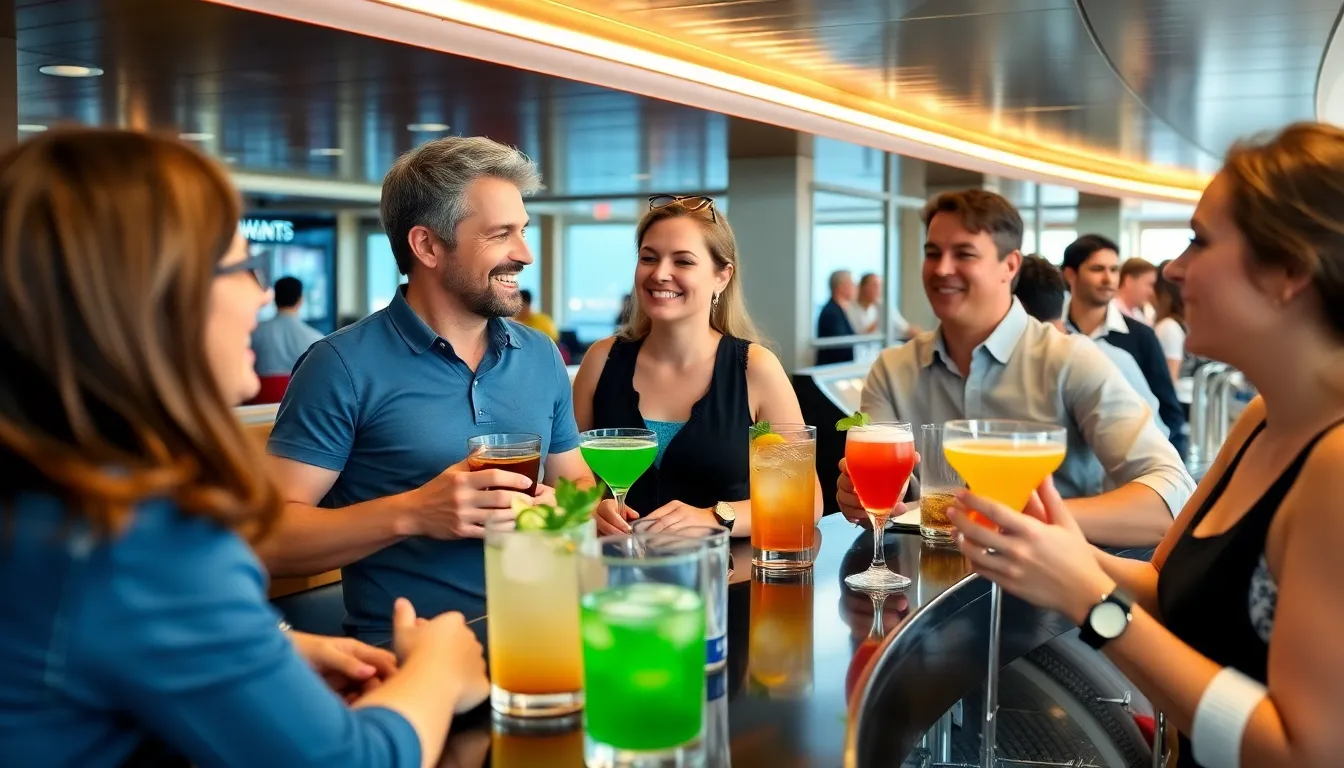
In the short term, passengers may experience a more relaxed vacation atmosphere, as drink packages eliminate concerns about individual drink prices. This can lead to increased social interactions and a more festive onboard environment. However, the potential for overconsumption raises health and safety concerns, prompting cruise lines to reassess their policies regarding alcohol service.
In the mid-term, cruise lines may witness shifts in consumer behavior, as passengers become accustomed to the all-inclusive nature of drink packages. This could lead to changes in pricing strategies and package offerings. Additionally, regions heavily reliant on cruise tourism may see economic fluctuations, as increased onboard spending can boost local economies, while potential overconsumption could lead to stricter regulations.
- Passenger Experience: Enhanced enjoyment and social engagement.
- Cruise Line Revenue: Increased onboard spending and customer loyalty.
- Health Risks: Potential for overconsumption and related incidents.
- Regulatory Changes: Possible new policies regarding alcohol service.
- Local Economy: Economic benefits for port regions through increased tourism.
Overall, while drink packages create immediate benefits for passengers and cruise lines, they also introduce risks that necessitate careful management. The balance between maximizing enjoyment and ensuring safety will be crucial for the future of cruise experiences.
A: Most cruise lines offer various drink packages, including alcoholic, non-alcoholic, and specialty beverage options. These packages can range from basic soda packages to premium wine and cocktail packages. A: Whether a drink package is worth it depends on your drinking habits while on board. If you enjoy cocktails or specialty drinks, it may save you money. However, if you only drink occasionally, it might not be cost-effective. A: Generally, drink packages are non-transferable and must be purchased for each guest in the cabin. Some cruise lines may have specific policies regarding sharing, so it’s best to check with them directly. A: Many cruise lines include gratuity in their drink package pricing, but it’s essential to verify this before purchasing. Some lines may add an automatic service charge to each drink. A: Most cruise lines allow you to purchase drink packages once on board, often at a higher price than pre-cruise rates. It’s advisable to check with guest services for availability.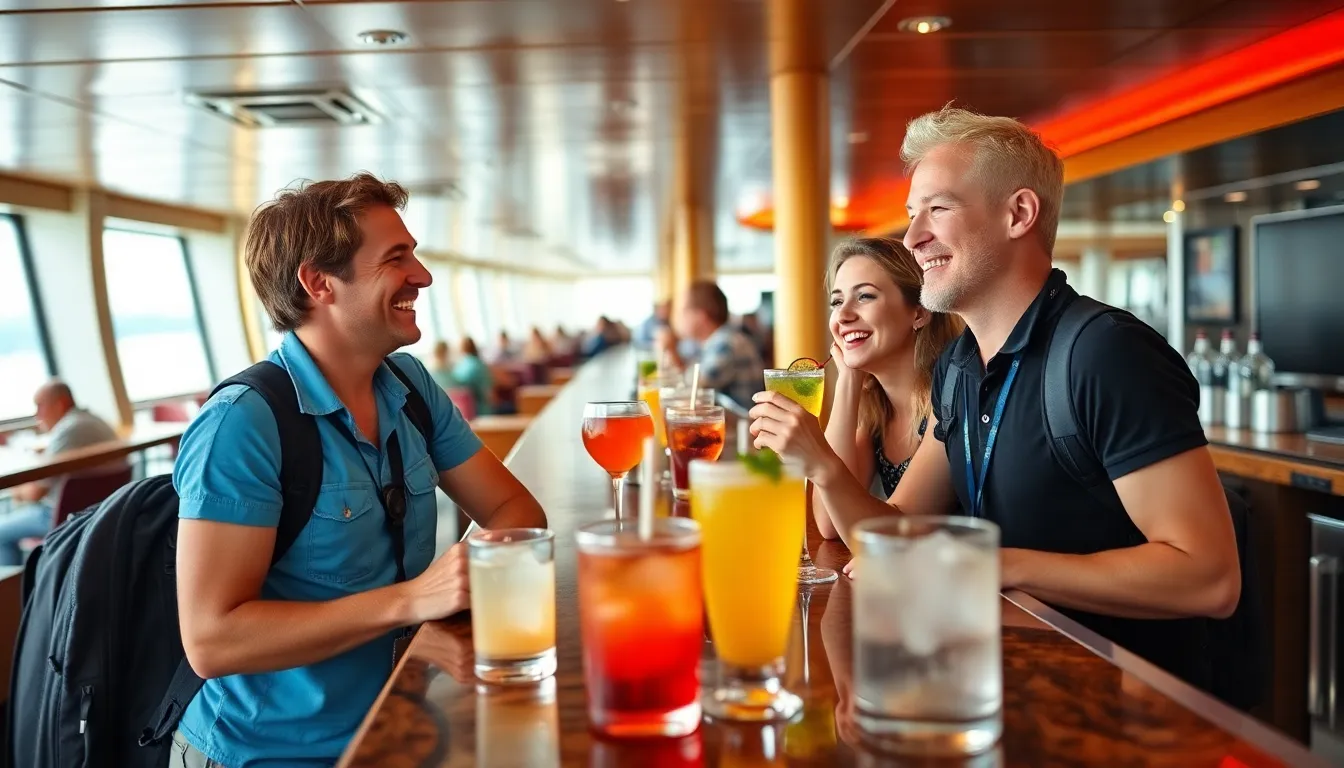
Frequently Asked Questions About Cruise Drink Packages
Key Takeaways and Future Outlook on Drink Packages
As cruise lines continue to evolve their beverage offerings, understanding the nuances of drink packages becomes increasingly important for travelers. With various tiers and types of packages available, guests must consider their drinking habits, onboard activities, and the potential for savings when choosing the right package. The landscape of cruise drink packages is likely to shift further as cruise lines respond to consumer preferences and competitive pressures.
Looking ahead, it is essential for cruisers to stay informed about package updates and promotions, as these can significantly impact overall cruise costs. Additionally, the rise of specialty bars and unique beverage experiences onboard may introduce new package options, catering to diverse tastes and preferences.
- Evaluate your drinking habits and the types of beverages you enjoy to choose the most cost-effective package.
- Keep an eye on promotional offers and discounts that cruise lines may provide for drink packages.
- Consider the variety of beverage options available on board, including specialty drinks, to maximize your experience.
- Be aware of potential changes in package offerings as cruise lines adapt to market trends and customer feedback.
- Plan for special occasions or events during your cruise that may warrant a more comprehensive drink package.