


The acquisition, valued at approximately $1 billion, has raised alarms among Chinese officials, who are particularly concerned about how the integration of Manus’s AI capabilities could affect local tech ecosystems. For more on similar international tech regulations, you can check out our article on Understanding TikTok’s New Deal.
Industry analysts note that this investigation could set a precedent for future foreign acquisitions in China’s tech landscape. As the Chinese government seeks to bolster its domestic AI industry, it remains cautious about allowing foreign entities access to sensitive technologies that could undermine its competitive edge. The outcome of this investigation could influence Meta’s operations in China and its broader strategy in the Asia-Pacific region, underscoring the complex landscape of foreign investments.
Moreover, the timing of this investigation aligns with China’s ongoing efforts to tighten regulations on technology firms, both domestic and foreign. As part of its broader regulatory framework, the Chinese government aims to ensure that foreign investments align with national security interests and contribute positively to the local economy. This situation underscores the delicate balance between fostering innovation and protecting national priorities in an increasingly interconnected global market.
Understanding the background of Meta’s acquisition of Manus
The increasing competition in the artificial intelligence (AI) sector has led to significant acquisitions and mergers among tech companies. Meta, formerly known as Facebook, has been strategically investing in AI technologies to enhance its social media platforms and expand its reach into the metaverse. The acquisition of Manus, a promising AI startup, is a part of this broader strategy. However, this move has raised eyebrows, particularly in China, where the government is closely scrutinizing foreign investments in technology sectors deemed critical to national security.
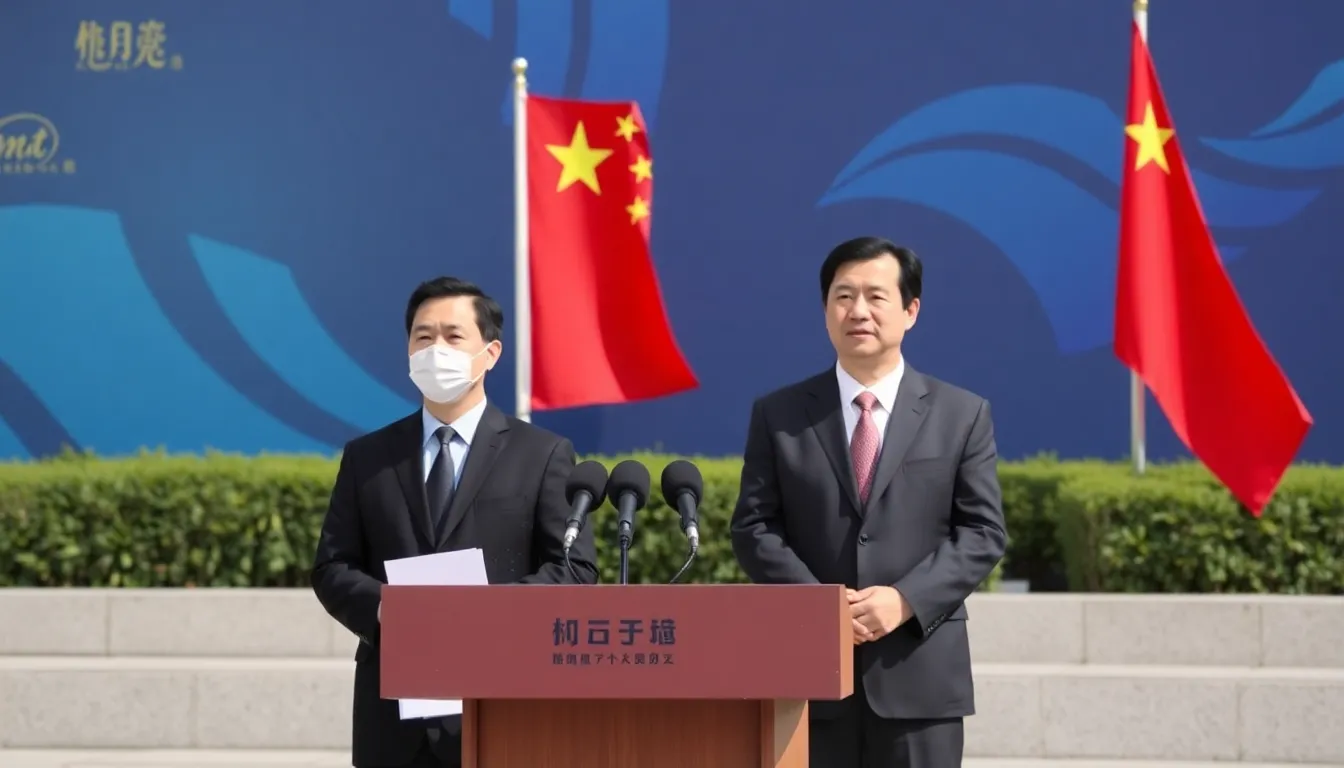
Historically, China has maintained a cautious stance towards foreign technology firms, especially those that possess advanced AI capabilities. The country’s regulatory framework has evolved to protect its burgeoning tech industry while ensuring that foreign entities do not gain undue influence over its technological landscape. The investigation into Meta’s acquisition of Manus is a reflection of these longstanding concerns, as Chinese authorities aim to safeguard local innovation and prevent potential monopolistic practices.
Key Milestones in AI Regulation
Over the past few years, China has implemented various regulations aimed at controlling foreign investments in the tech sector. Notable milestones include the introduction of the Cybersecurity Law in 2017, which emphasizes data localization and security, and the more recent antitrust guidelines that target monopolistic behaviors. These regulatory measures have set the stage for increased scrutiny of foreign acquisitions, particularly in sectors like AI, where data privacy and security are paramount.
As Meta moves forward with its acquisition plans, the political and economic implications of this investigation could have far-reaching effects. The outcome may influence not only Meta’s operations in China but also the strategies of other foreign companies looking to invest in the Chinese tech market. The situation underscores the delicate balance that exists between fostering innovation and protecting national interests in an increasingly interconnected global economy.
Key stakeholders and issues surrounding the acquisition
The investigation into Meta’s acquisition of the AI startup Manus involves several key stakeholders, each with distinct interests and concerns. Primary among these is the Chinese government, which is scrutinizing the deal to assess its implications for national security and technological sovereignty. To understand the broader context of tech investments and regulations, consider exploring our insights on current events affecting global markets.
Meta Platforms Inc., the parent company of Facebook, is another critical player in this scenario. The company aims to enhance its AI capabilities through Manus, which specializes in advanced machine learning technologies. Meta’s interest lies in leveraging Manus’s innovations to maintain its competitive edge in the tech industry, especially in the face of increasing global competition.
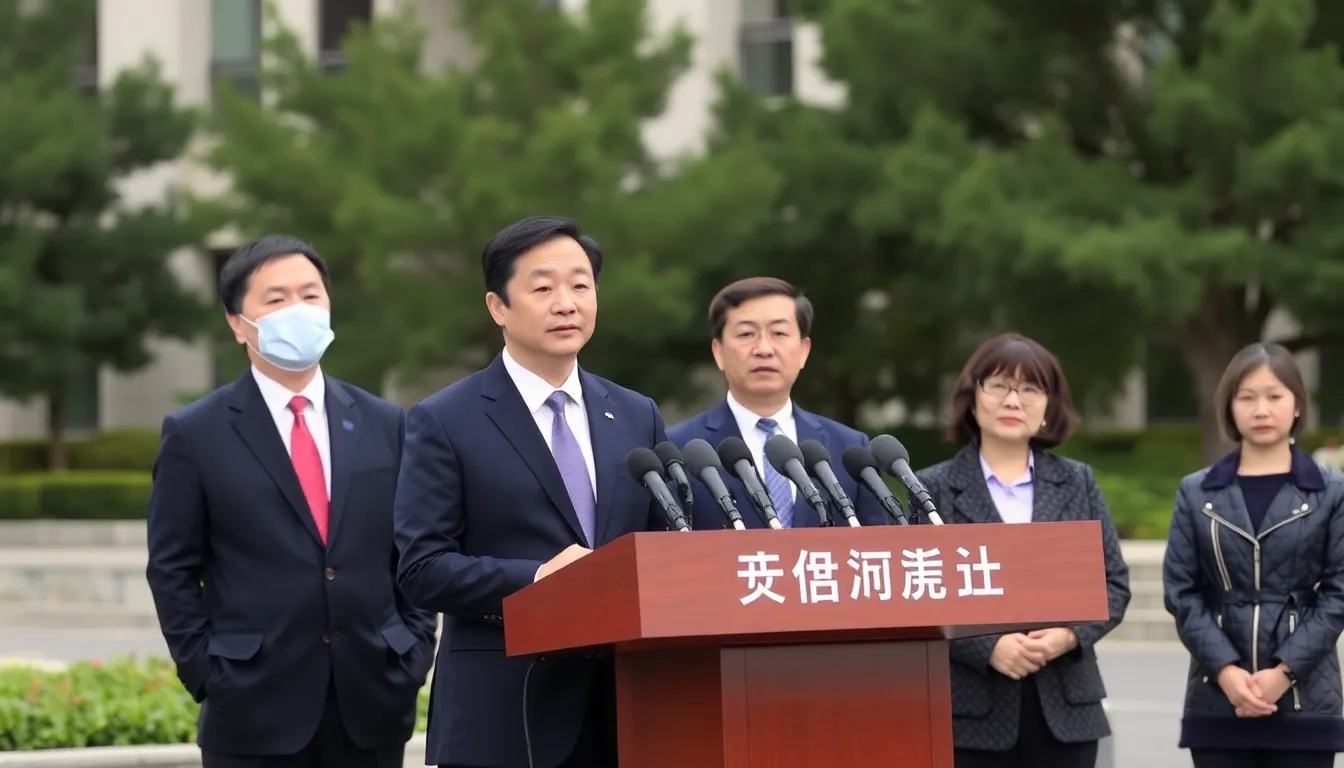
Additionally, the startup Manus itself has a vested interest in the outcome of this investigation. As a smaller entity, Manus seeks to secure its future and growth potential through the resources and market reach that Meta can provide. However, the scrutiny from the Chinese government could complicate its aspirations, potentially delaying or altering the terms of the acquisition.
- National Security Concerns: The Chinese government is wary of foreign influence over critical technologies.
- Market Competition: The acquisition could shift the balance of power in the global AI market.
- Regulatory Scrutiny: Meta faces potential legal hurdles that could impact the deal’s viability.
- Technological Sovereignty: China aims to protect its domestic AI development initiatives from foreign control.
- Investment and Growth: Manus seeks to balance its growth prospects with the risks associated with foreign acquisition.
In summary, the investigation encompasses a complex interplay of interests and potential conflicts among the various stakeholders involved. The resolution of this case will not only determine the fate of the acquisition but may also set important precedents for future foreign investments in China’s technology sector.
Potential impacts on the AI market and consumers
The investigation into Meta’s acquisition of the AI start-up Manus has significant implications for various stakeholders in the technology sector. Key groups affected include AI developers, tech companies, consumers, and regulatory bodies across multiple regions, particularly in China and the United States.
In the short term, the uncertainty surrounding the acquisition may lead to a slowdown in investment in AI technologies as companies await clarity on regulatory outcomes. This hesitation could impact innovation and the pace at which new AI solutions are developed and brought to market. Small to medium-sized enterprises (SMEs) in the tech industry may find it particularly challenging to secure funding, as investors become more cautious.
Mid-term impacts could manifest in shifts in market dynamics. If Meta’s acquisition is blocked, it may open up opportunities for rival companies to fill the void left by Manus, potentially leading to increased competition and innovation in the AI space. Conversely, if the acquisition is approved, it could consolidate Meta’s position in the AI market, which may stifle competition and limit consumer choices.
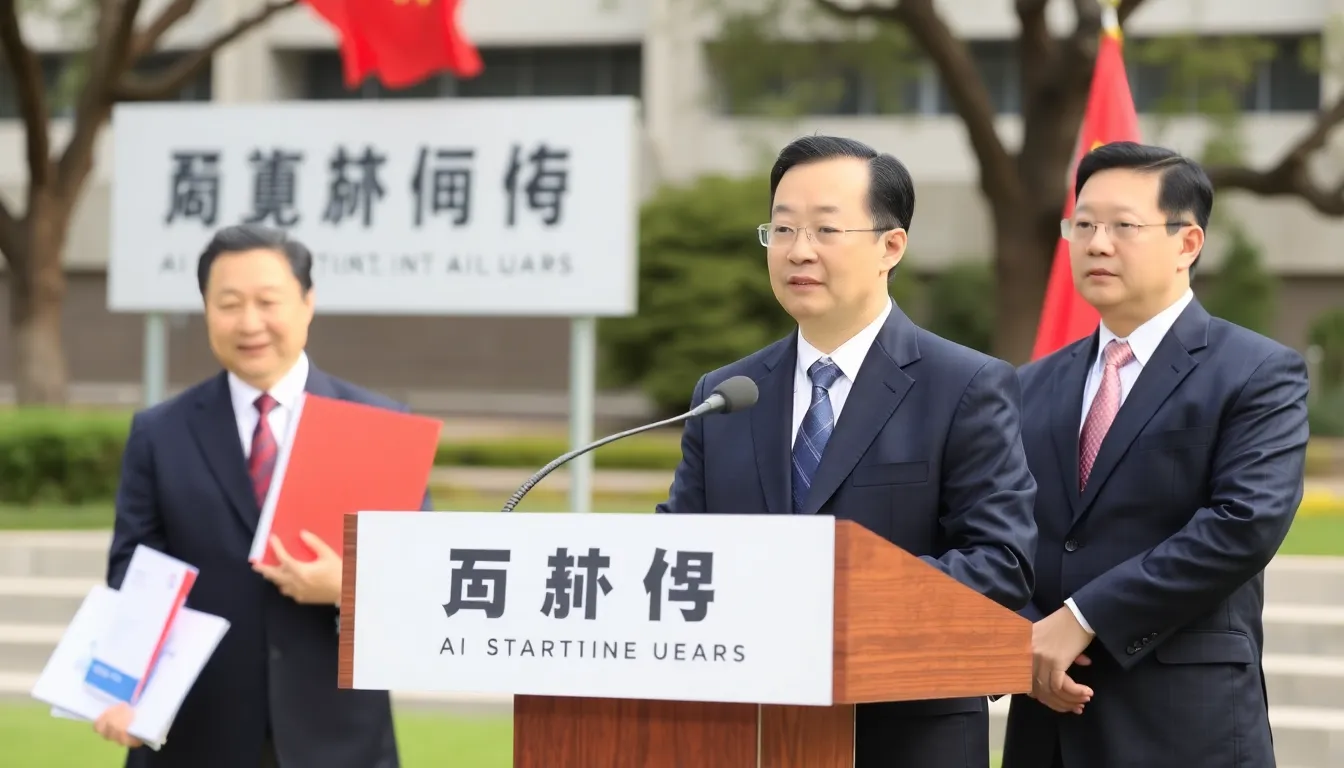
- Risks: Potential for reduced competition in the AI market.
- Risks: Investment hesitation affecting innovation.
- Opportunities: Rival companies may capitalize on market uncertainty.
- Opportunities: Enhanced regulatory scrutiny could lead to more consumer protection.
Consumers may experience both benefits and drawbacks from these developments. On one hand, a competitive market could lead to better AI products and services. On the other hand, regulatory challenges may result in delays in the rollout of new technologies that could enhance daily life, such as personalized AI assistants or advanced automation tools.
A: China is concerned about potential data privacy violations and the implications for competition in the AI sector. A: Manus is an AI start-up known for its innovative technology, making it a valuable asset in the competitive AI landscape. A: Depending on the outcome, Meta may face restrictions or be required to divest its acquisition, impacting its growth strategy. A: This investigation could set a precedent for how acquisitions in the AI sector are scrutinized, affecting future deals. A: While no specific timeline has been provided, the investigation is expected to take several months.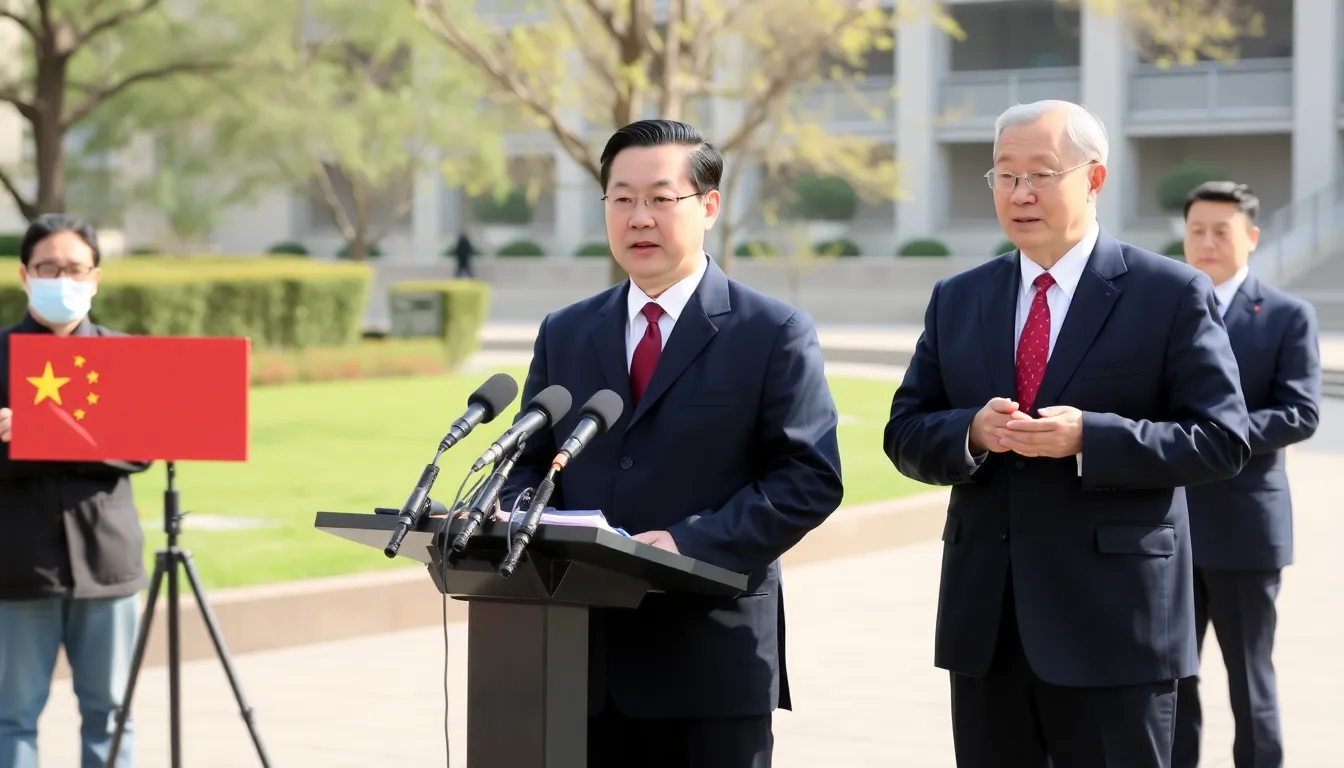
Frequently asked questions about the investigation
Insights and future outlook on the investigation
The ongoing investigation by Chinese authorities into Meta’s acquisition of the AI startup Manus highlights the increasing scrutiny of foreign investments in the technology sector. This development underscores the broader context of geopolitical tensions and regulatory challenges that companies face when expanding in international markets. As nations prioritize their technological sovereignty, the implications for cross-border mergers and acquisitions could be significant.
Stakeholders should closely monitor how this investigation unfolds, as it may set precedents for future transactions in the tech industry. The outcome could influence not only Meta’s strategic direction but also the approach of other companies considering similar acquisitions in China and beyond.
- Watch for potential regulatory changes in China that may impact foreign tech investments.
- Consider the implications for Meta’s growth strategy and its ability to access emerging technologies.
- Monitor the reactions from other countries regarding their own foreign investment regulations.
- Evaluate how this investigation may affect the competitive landscape in the AI sector globally.
- Assess the potential for increased collaboration or tension between the U.S. and China in technology development.