


The Supreme Court’s ruling was based on the necessity of medical treatment, highlighting the balance between legal accountability and humanitarian considerations. Bolsonaro, who has been incarcerated since his conviction for corruption-related charges, is expected to undergo surgery for a pre-existing health condition, which raises questions about the judicial system’s role in high-profile cases.
This development is crucial as it underscores the contentious political climate in Brazil, where Bolsonaro’s supporters and critics remain deeply divided. The former president’s legal battles are closely watched, as they could influence the political landscape ahead of the upcoming elections.
As Bolsonaro prepares for surgery, the implications of this ruling extend beyond his personal circumstances. It raises questions about the judicial system’s role in handling high-profile cases and the potential impact on public trust in Brazil’s democracy.
Exploring the background of Bolsonaro’s imprisonment
Jair Bolsonaro, the former President of Brazil, has been a polarizing figure in the nation’s political landscape. His presidency, which lasted from January 2019 until December 2022, was marked by significant controversy, including his handling of the COVID-19 pandemic, environmental policies, and accusations of corruption. Following his defeat in the 2022 presidential elections, Bolsonaro faced numerous legal challenges that culminated in his imprisonment.
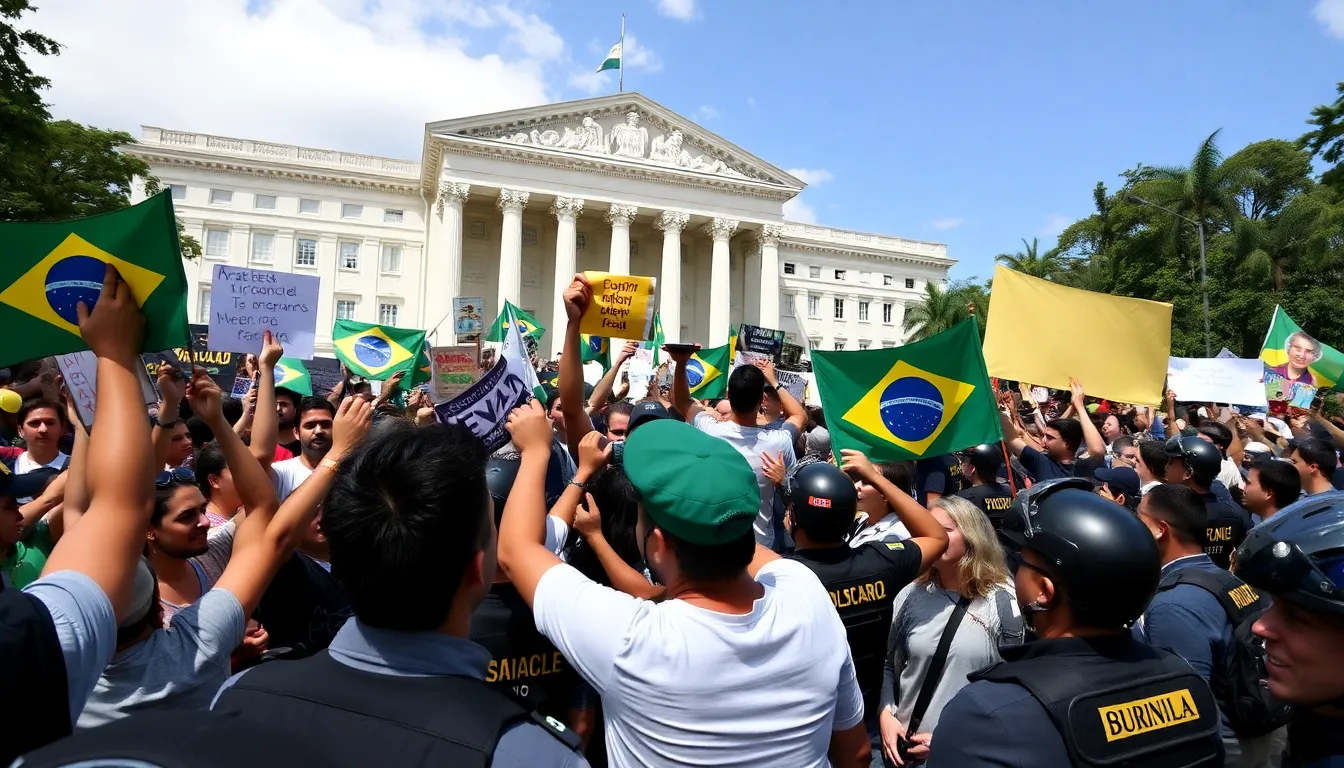
The roots of Bolsonaro’s legal troubles can be traced back to his administration’s alleged mismanagement and the subsequent fallout. Investigations into corruption, misuse of public funds, and the spread of misinformation during his tenure raised serious concerns, particularly regarding how political accountability is enforced.
Key legal milestones
One significant milestone occurred in early 2023 when the Supreme Court authorized the investigation into Bolsonaro’s actions while in office. This decision set the stage for his eventual imprisonment. The court’s ruling was not only a reflection of the judiciary’s growing assertiveness in Brazilian politics but also highlighted the increasing demand for accountability among public officials.
Bolsonaro’s imprisonment has sparked widespread debate in Brazil, with supporters arguing that he is a victim of political persecution, while critics maintain that his actions warrant legal consequences. The recent decision to allow him to leave prison for surgery underscores the complexities of his situation, as it raises questions about the intersection of health, justice, and political influence in Brazil.
As Brazil navigates this tumultuous period, the implications of Bolsonaro’s legal battles extend beyond his personal fate. They represent a broader struggle for democracy and rule of law in a country still grappling with deep political divisions and the legacy of populist governance.
Analyzing the implications for Brazil’s political landscape
The recent decision by Brazil’s Supreme Court to allow former President Jair Bolsonaro to leave prison for surgery has drawn significant attention from various stakeholders, including political leaders, legal experts, and the general public. This ruling not only impacts Bolsonaro’s personal circumstances but also reverberates through Brazil’s complex political landscape.
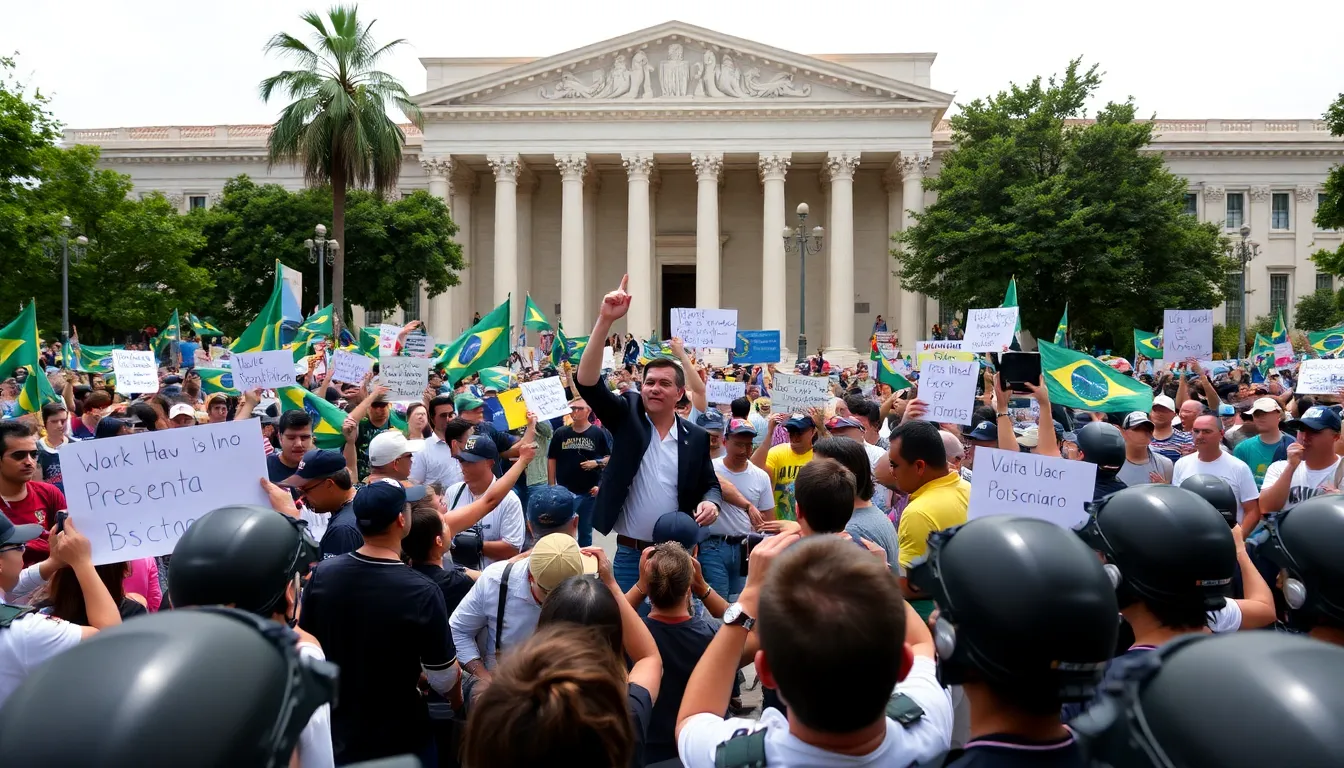
Key actors in this situation include the Supreme Court, which is tasked with upholding the rule of law; Bolsonaro, who has a substantial support base; and the Brazilian government, which must navigate the political fallout. Each of these stakeholders has distinct interests that shape their responses to this development. For the Supreme Court, maintaining judicial independence and public trust is paramount, while Bolsonaro aims to regain political capital and influence.
Moreover, the ruling highlights ongoing tensions between the judiciary and the executive branch. Bolsonaro’s supporters view the decision as a sign of leniency that could undermine accountability, while opponents argue that it reflects a necessary humane approach to health issues. This dichotomy illustrates the broader conflict within Brazilian society regarding justice, governance, and political legacy.
- Judicial Independence: The Supreme Court’s ruling underscores its role as a check on executive power, reinforcing the importance of judicial independence in a democratic society.
- Political Repercussions: Bolsonaro’s release may embolden his supporters and contribute to his political resurgence, potentially destabilizing the current government.
- Public Sentiment: The decision could polarize public opinion further, as citizens grapple with the implications of Bolsonaro’s legal status and health.
- International Perception: Global observers may view this ruling as a reflection of Brazil’s commitment to the rule of law, impacting foreign relations and investment.
In summary, the Supreme Court’s decision to permit Bolsonaro to leave prison for surgery is a pivotal moment that encapsulates the intricate interplay of legal, political, and social dynamics in Brazil. As stakeholders react, the implications of this ruling will likely shape the nation’s trajectory in the months to come.
Assessing the impact on Bolsonaro’s supporters and opponents
The recent decision by Brazil’s Supreme Court to allow former President Jair Bolsonaro to leave prison for surgery has significant implications for various groups within the country. Bolsonaro’s supporters, who view him as a champion of conservative values, may feel emboldened by this development, potentially leading to a resurgence in political activism and public demonstrations. Conversely, his opponents may perceive this as a setback in the pursuit of accountability and justice, fueling further protests and dissent.
In the short term, the decision is likely to impact daily life in Brazil, particularly in urban areas where political tensions are high. Increased public gatherings and potential unrest could disrupt local businesses and transportation systems. Additionally, the media landscape will see heightened scrutiny and coverage of Bolsonaro’s health and legal status, influencing public opinion and political discourse.
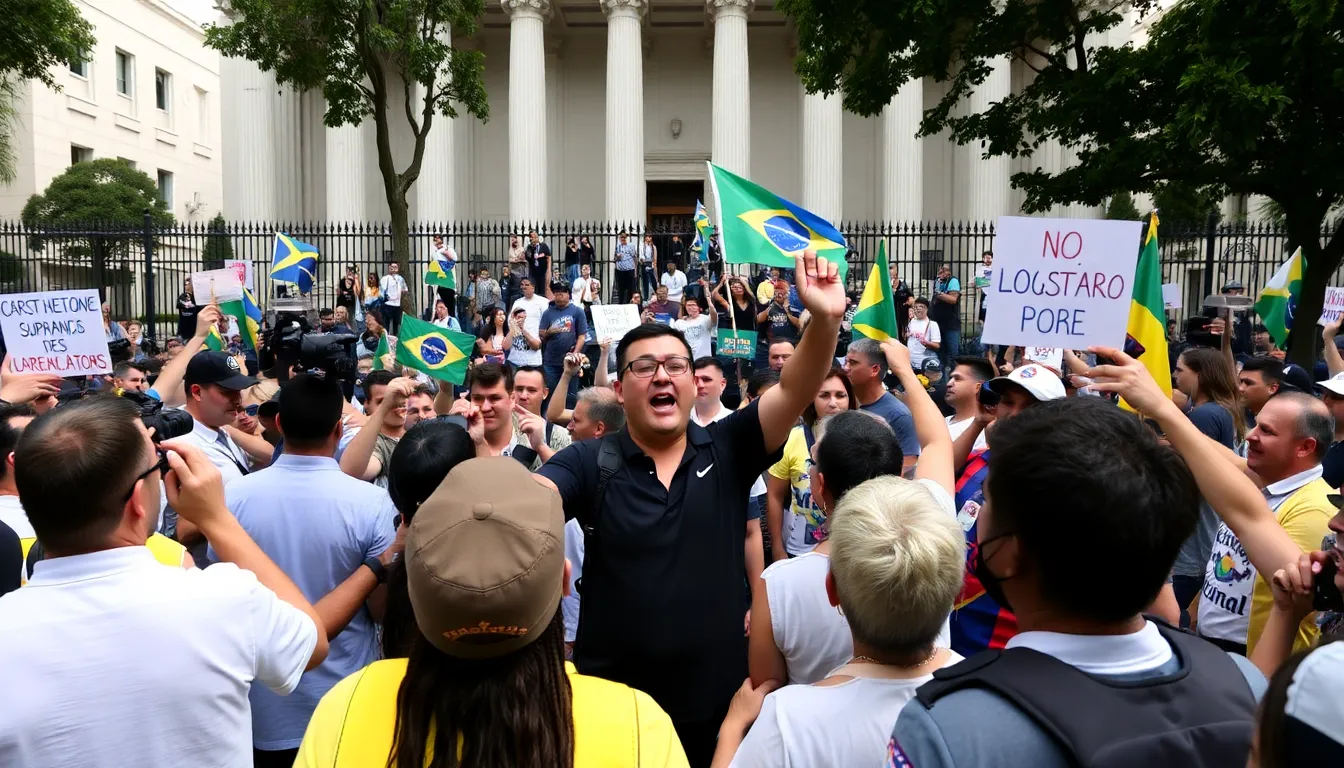
Mid-term effects could manifest in the political arena, as Bolsonaro’s temporary freedom may allow him to rally his base and influence upcoming elections. This could lead to a shift in policy discussions, with a focus on issues that resonate with his supporters, such as economic liberalization and crime reduction. However, this scenario also poses risks, as it may deepen societal divisions and hinder collaborative governance efforts.
- Risks: Increased polarization and potential civil unrest.
- Opportunities: Boost in business for sectors catering to political events and rallies.
- Policy shifts: Possible changes in focus towards conservative agendas.
Regions with strong Bolsonaro support, such as the southern states, may experience a reinvigoration of local economies as supporters mobilize for events. In contrast, areas with significant opposition may see heightened tensions, impacting local governance and community relations. Overall, the implications of this decision will ripple through various sectors, shaping Brazil’s socio-political landscape in the coming months.
A: Bolsonaro was imprisoned due to various corruption charges and allegations related to his presidency. His legal battles have been ongoing since he left office. A: The specific details of the surgery have not been disclosed, but it is reported to be necessary for his health. The nature of the surgery has raised concerns among his supporters. A: The Supreme Court’s ruling allows Bolsonaro to leave prison temporarily for the surgery, but the exact duration of his release has not been specified. A: The decision may set a precedent for how legal cases involving high-profile politicians are handled in Brazil, potentially influencing future rulings. A: Public reaction has been mixed, with supporters celebrating the decision while opponents express concerns about favoritism in the legal system.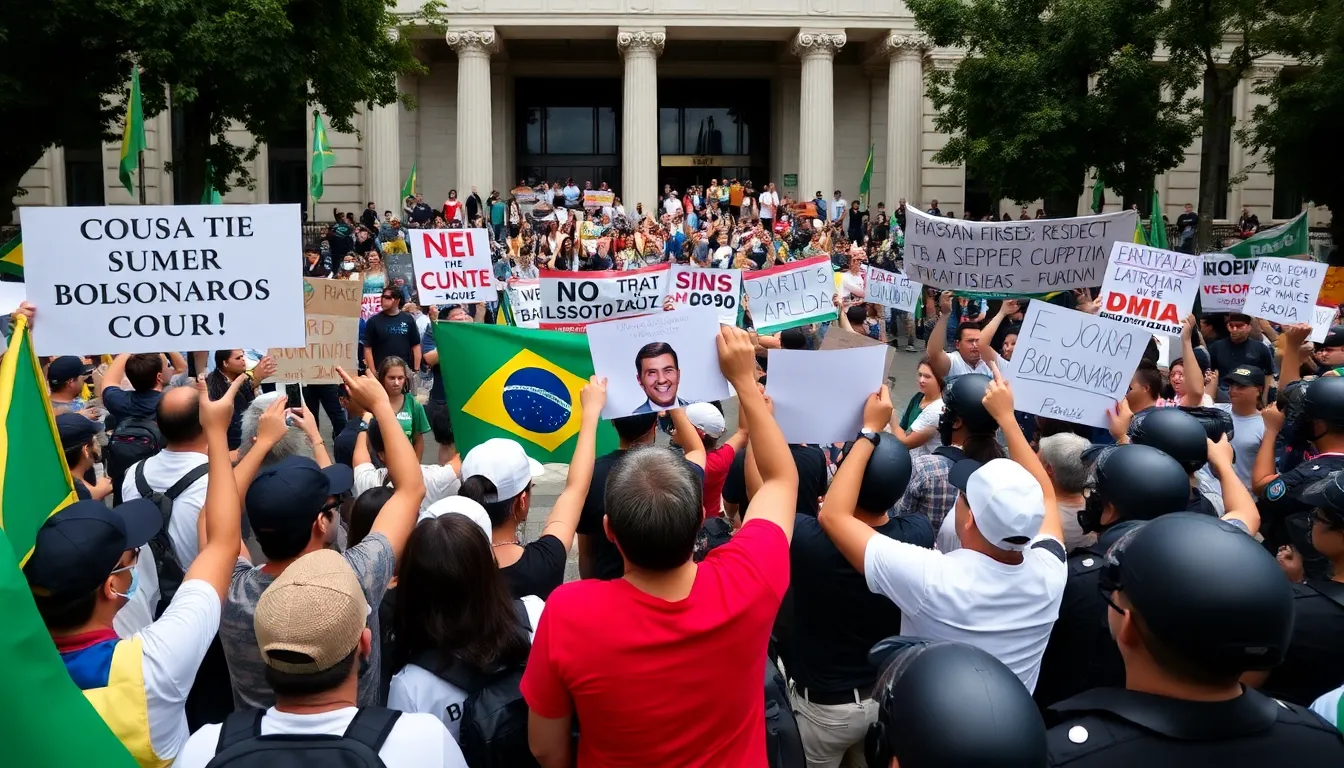
Frequently asked questions about Bolsonaro’s surgery and legal status
Key takeaways and future outlook on the situation
The Brazilian Supreme Court’s decision to allow former President Jair Bolsonaro to leave prison for surgery marks a significant moment in the ongoing political landscape of Brazil. This development not only raises questions about the legal proceedings against Bolsonaro but also highlights the intricate balance of power within the Brazilian judiciary. As Bolsonaro navigates his health challenges, the implications for his political future and the broader implications for Brazilian politics remain to be seen.
Observers should closely monitor the reactions from Bolsonaro’s supporters and opponents, as well as the potential impact on upcoming political events. The situation could influence public sentiment and shape the strategies of various political actors as they prepare for future elections.
- The decision may bolster Bolsonaro’s support base, as many of his followers view him as a victim of political persecution.
- Legal experts will be watching for further developments in Bolsonaro’s cases, which could affect his political viability.
- The health and recovery of Bolsonaro could play a critical role in his potential return to the political arena.
- Public opinion may shift based on how the situation unfolds, impacting future elections and party dynamics.
- The Supreme Court’s actions will continue to be scrutinized, potentially influencing perceptions of judicial independence in Brazil.