


The integration of Luna into Xfinity devices means that Comcast subscribers can now enjoy a library of games without the need for additional hardware. This is particularly important as gaming continues to shift towards cloud-based solutions, making it accessible to a broader audience who may not own high-end gaming consoles or PCs.
By partnering with Comcast, Amazon aims to enhance its competitive edge in the rapidly evolving gaming market. The collaboration not only increases Luna’s visibility but also taps into Comcast’s extensive customer base, potentially driving subscriptions and engagement with the service.
This launch comes at a time when cloud gaming is gaining traction, with major players like Microsoft and Google also vying for market share. As more consumers look for flexible gaming options, the availability of Luna on Xfinity devices could reshape how games are consumed and played in households across the nation.
The significance of cloud gaming in the current market
Cloud gaming has emerged as a transformative force in the gaming industry, reshaping how players access and experience video games. With the rise of high-speed internet and advancements in streaming technology, gamers are no longer tethered to expensive hardware. Instead, they can enjoy high-quality gaming experiences on a variety of devices, including smartphones, tablets, and smart TVs. This shift has opened up the market to a broader audience, making gaming more accessible than ever before.
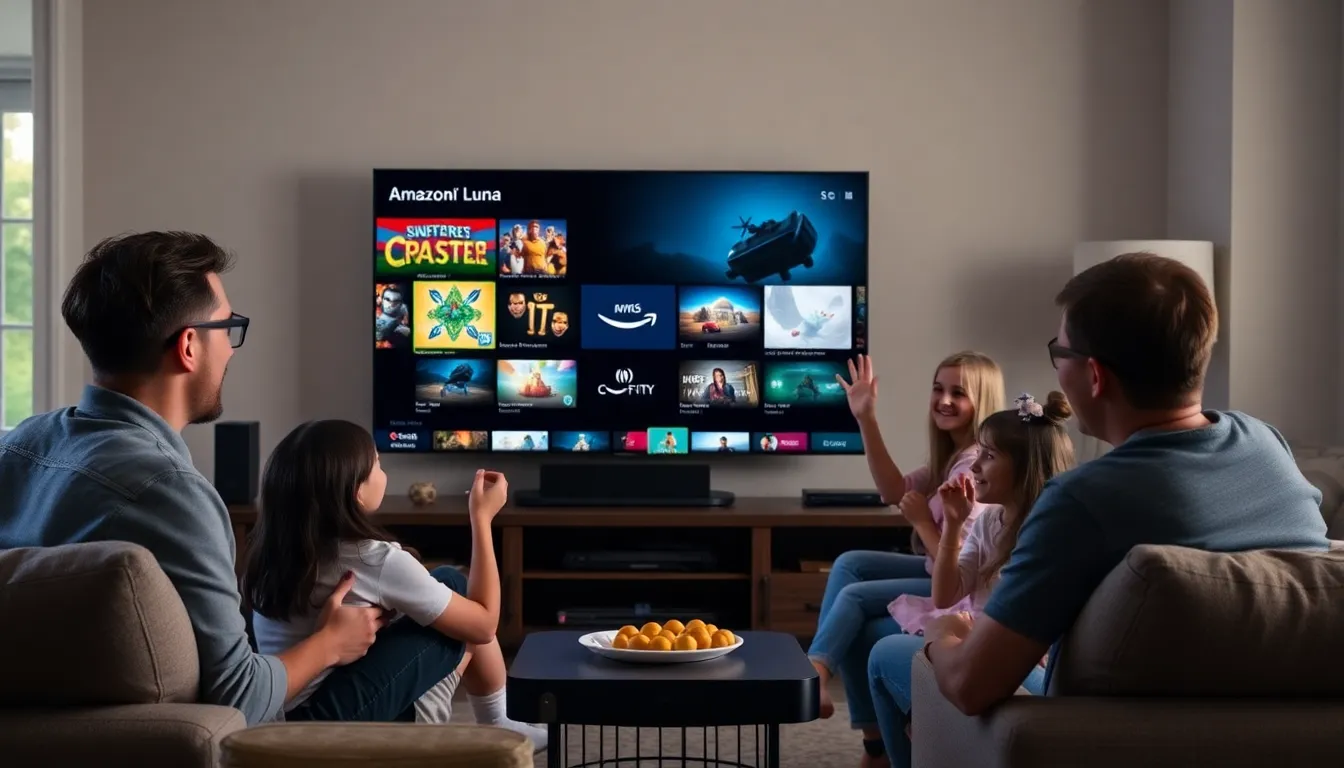
Amazon Luna’s recent launch on Comcast’s Xfinity devices signifies a strategic move within the competitive landscape of cloud gaming. The partnership not only expands Luna’s reach but also highlights the growing trend of collaboration between tech companies to enhance service offerings.
Key milestones in cloud gaming evolution
The journey of cloud gaming can be traced back to early experiments in the 2000s, but it gained significant traction in the last decade. The introduction of services like PlayStation Now and Xbox Cloud Gaming set the stage for broader acceptance of streaming games. In 2020, Google Stadia aimed to revolutionize the market, although it faced criticism for its execution. Despite these challenges, the concept of cloud gaming has steadily gained momentum, leading to the current wave of interest from major players like Amazon and Comcast.
Economically, the cloud gaming market is projected to grow significantly, driven by increasing consumer demand and the potential for subscription-based revenue models. As companies invest in infrastructure and technology, the competitive landscape is likely to evolve further, with new entrants and innovations reshaping the gaming experience. The collaboration between Amazon Luna and Comcast is a clear indication of the industry’s direction toward more integrated and user-friendly gaming solutions.
Socially, the pandemic accelerated the adoption of gaming as a form of entertainment, solidifying its place in mainstream culture. Cloud gaming platforms have capitalized on this trend, offering gamers the flexibility to play anywhere, anytime. As more consumers embrace this model, the importance of partnerships like the one between Amazon and Comcast will only grow, potentially leading to new opportunities for engagement and community building within the gaming ecosystem.
Key stakeholders and their interests in this launch
The recent launch of Amazon Luna on Comcast’s Xfinity devices represents a significant collaboration in the gaming landscape, involving multiple stakeholders with varying interests. Key players include Amazon, Comcast, game developers, consumers, and regulatory bodies, each contributing to and affected by this partnership.
Amazon’s primary interest lies in expanding its gaming service reach and enhancing its competitive edge against other cloud gaming platforms like Google Stadia and Microsoft’s Xbox Cloud Gaming. By partnering with Comcast, Amazon can tap into a larger user base, potentially increasing subscriptions and user engagement on its platform.
Comcast, as a major telecommunications provider, aims to enhance its service offerings and retain customers in a competitive market. By integrating Amazon Luna into its Xfinity devices, Comcast not only enriches its entertainment ecosystem but also positions itself as a forward-thinking provider in the rapidly evolving digital entertainment space.
Game developers are also key stakeholders, as the success of cloud gaming platforms can directly affect their distribution models and revenue streams. They may have concerns regarding the visibility of their titles and the revenue-sharing agreements with Amazon and Comcast, which could influence their willingness to support the platform.
- Consumer interests: Gamers are looking for accessible and affordable gaming options. The partnership could lead to more choices and competitive pricing.
- Regulatory considerations: As both companies expand their services, they must navigate potential regulatory scrutiny regarding market competition and data privacy.
- Technological implications: The integration of cloud gaming on Xfinity devices raises questions about internet infrastructure and the quality of service that consumers can expect.
Overall, the collaboration between Amazon and Comcast highlights a complex interplay of interests among stakeholders, with potential conflicts and trade-offs that could shape the future of cloud gaming in the U.S. market.
How this launch affects gamers and the gaming industry
The launch of Amazon Luna on Comcast’s Xfinity devices marks a significant development for various stakeholders in the gaming ecosystem. Primarily, gamers who are already subscribers to Xfinity services will have immediate access to cloud gaming, potentially enhancing their gaming experience without the need for high-end hardware. This move is likely to attract a broader audience, including casual gamers who prefer convenience over traditional gaming setups.
In the short term, this initiative could lead to increased engagement among existing Xfinity customers, as they may explore the gaming options available through Amazon Luna. The integration of cloud gaming into their existing service could also encourage more families to consider Xfinity as a comprehensive entertainment solution, thereby boosting their subscription numbers and overall revenue.
In the mid-term, the impact on the gaming industry could be profound. With more gamers accessing cloud gaming services, developers may feel incentivized to create titles optimized for streaming platforms. This could lead to a shift in game design and marketing strategies, as developers target a growing audience that prefers flexible gaming options. However, there are risks involved, including potential service outages or performance issues that could frustrate users and deter them from adopting cloud gaming.
- Increased accessibility: More gamers can access high-quality games without expensive hardware.
- Market competition: Other cloud gaming services may need to innovate to retain their user base.
- Potential service challenges: Users may experience connectivity issues, impacting their gaming experience.
Overall, the collaboration between Amazon and Comcast could create new opportunities for partnerships within the gaming industry, as well as drive advancements in technology and service delivery. However, stakeholders must remain vigilant about the challenges that accompany such a rapid evolution in gaming accessibility and infrastructure.
A: Amazon Luna is available on various Xfinity devices, including Xfinity Flex and X1. Users can easily access the platform through these devices. A: No, a separate subscription to Amazon Luna is required, but it is not tied to an Amazon Prime membership. A: Amazon Luna offers a growing library of games across various genres, including popular titles and new releases. The selection continues to expand. A: Yes, new users can often take advantage of a free trial period to explore the service before committing to a subscription. A: Yes, users can access their Amazon Luna account on multiple devices, allowing for a seamless gaming experience across platforms.
Frequently Asked Questions about Amazon Luna on Xfinity
Future outlook for Amazon Luna and cloud gaming
The launch of Amazon Luna on Comcast’s Xfinity devices marks a significant step in the evolution of cloud gaming in the U.S. This partnership not only enhances accessibility for gamers but also positions Amazon Luna as a strong contender in the competitive landscape of cloud gaming services. As more consumers adopt streaming solutions, the implications for traditional gaming models could be profound, shifting the focus towards subscription-based models and away from physical media.
Moreover, the integration with Comcast’s extensive user base could lead to increased visibility and user adoption for Luna. This collaboration may also encourage other cloud gaming platforms to explore partnerships with major service providers, potentially reshaping the market dynamics. Observing how this initiative unfolds will be crucial for stakeholders in the gaming industry.
- Watch for user engagement metrics to gauge the success of Luna on Xfinity devices.
- Monitor potential responses from competitors and their strategies in the cloud gaming space.
- Consider the implications for traditional gaming sales as subscription models gain traction.
- Evaluate how this partnership may influence future collaborations between tech and gaming companies.
- Stay informed about advancements in cloud gaming technology that could enhance user experience.