


The research was conducted by a team of primatologists who observed bonobos in a controlled environment, noting their use of objects and interactions that mimic real-life scenarios. The findings suggest that these animals can create and navigate make-believe situations, such as pretending to care for a toy or engaging in mock battles. This behavior mirrors the imaginative play seen in young children, raising questions about the cognitive parallels between species. For deeper insights into the social behaviors of animals, refer to our article on polar bears on Norwegian islands.
Experts believe that the ability to engage in make-believe play is crucial for social development and problem-solving skills. The implications of this study extend beyond understanding bonobos; it may also shed light on the evolutionary roots of play in humans. By studying these similarities, researchers aim to better understand the cognitive processes that underpin social learning and creativity.
This discovery also emphasizes the importance of conservation efforts for bonobos, as their natural habitats continue to be threatened. Protecting these primates not only preserves their species but also allows for further research into their social behaviors and intelligence. As we learn more about our closest relatives, we gain valuable insights into our own developmental processes and the nature of play.
Understanding the significance of play in animal behavior
Play is often seen as a hallmark of childhood, a vital component in the development of social skills and cognitive abilities. However, recent studies have begun to reveal that the capacity for play is not limited to humans or even to primates. Bonobos, our closest relatives in the animal kingdom, have demonstrated an intriguing ability to engage in make-believe play, suggesting a complex understanding of social interactions and imaginative scenarios.
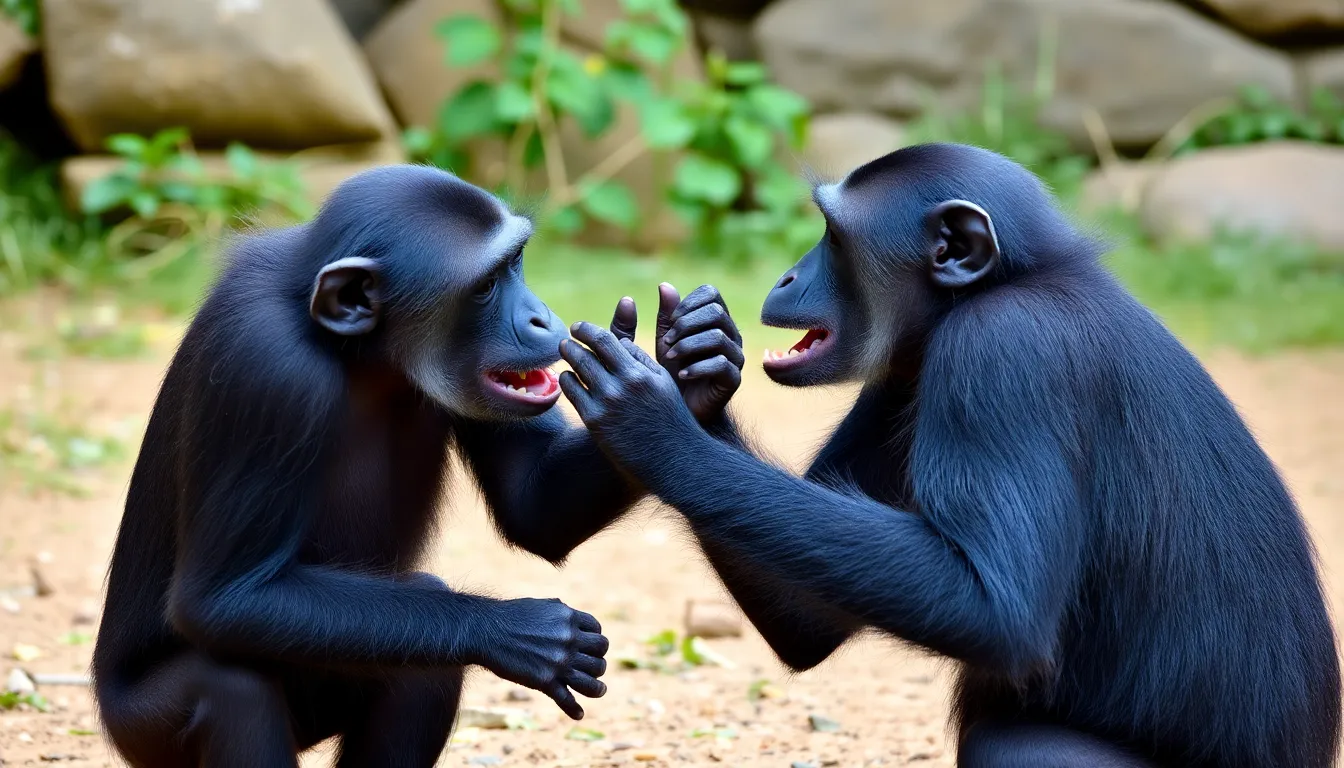
The historical context of play behavior in animals dates back to early ethological studies, which emphasized the importance of play in the development of social bonds and survival skills. Pioneers in the field, such as Konrad Lorenz and Nikolaas Tinbergen, laid the groundwork by observing play in various species, including canines and felines, highlighting its role in learning and adaptation. As research evolved, scientists began to focus on primates, revealing that play is not merely a frivolous activity but a critical aspect of social learning and emotional development. This understanding can relate back to the need for conservation, akin to today’s discussions on social media impacts.
In the past few decades, studies on bonobos have gained prominence, particularly due to their unique social structures and behaviors. Unlike their close relatives, the chimpanzees, bonobos are known for their matriarchal societies and peaceful interactions. This social dynamic has prompted researchers to explore how play might serve as a tool for conflict resolution and social cohesion among bonobos. The recent findings that bonobos can engage in make-believe play reflect a level of cognitive sophistication that was previously attributed mainly to humans and suggest that imaginative play may serve similar functions across species.
The Role of Play in Cognitive Development
Understanding the role of play in cognitive development provides crucial insights into why bonobos may engage in such behaviors. Play allows young animals to practice essential skills, such as problem-solving and social negotiation, which are vital for their survival in the wild. The ability to simulate scenarios through make-believe play may enhance their adaptability and resilience in complex social environments. As researchers continue to study the nuances of bonobo play, it becomes increasingly clear that such behaviors may reflect deeper cognitive processes and emotional intelligence, challenging our perceptions of animal behavior and intelligence. To explore psychological aspects further, consider our article about A.I. delusions.
Exploring the implications of bonobos’ play behavior
The recent study suggesting that bonobos can engage in make-believe play similar to children has sparked interest among various stakeholders, including researchers, conservation organizations, and policymakers. Each group has distinct interests that shape their perspectives on the implications of this behavior.
Researchers in primatology and psychology are particularly invested in understanding the cognitive abilities of bonobos. They aim to explore how make-believe play can shed light on the evolution of social behaviors and cognitive development in both primates and humans. This research could potentially lead to more funding and resources for further studies.
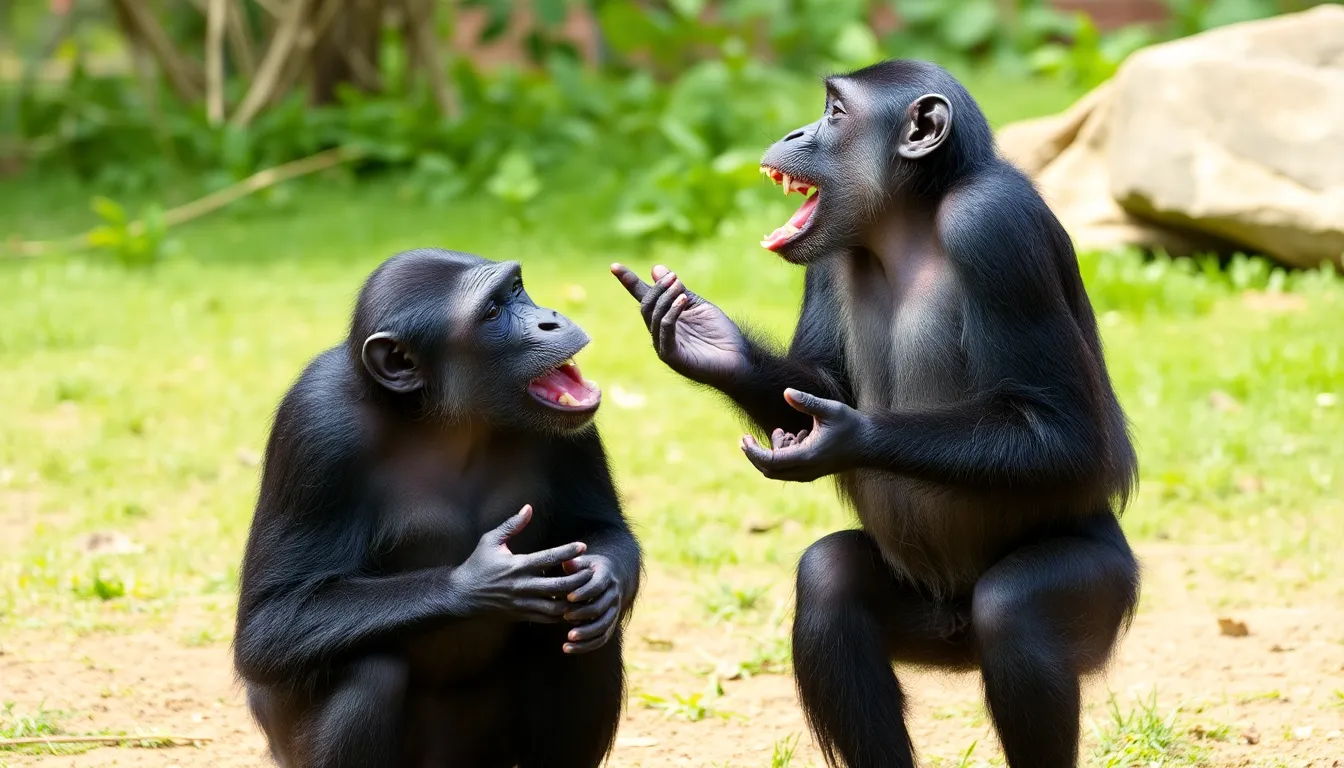
Conservation organizations have a vested interest in the findings as well. The ability of bonobos to engage in complex play may highlight their advanced social structures and emotional intelligence, which can be crucial for conservation efforts. By emphasizing the cognitive capabilities of bonobos, these organizations can advocate more effectively for habitat protection and anti-poaching measures.
On the other hand, policymakers face the challenge of balancing conservation needs with economic development. There are trade-offs involved in land use that may impact bonobo habitats. Key legal issues could arise from land development policies that threaten these animals, leading to conflicts between economic interests and environmental protection.
- Research funding: Increased interest in bonobo cognition may lead to more grants and resources for studies.
- Conservation advocacy: Highlighting bonobos’ play behavior can strengthen arguments for habitat protection.
- Policy conflicts: Economic development may clash with conservation efforts, leading to potential legal challenges.
- Public awareness: Media coverage of the study can raise public interest and support for bonobo conservation.
- Ethical considerations: The implications of bonobo intelligence may lead to discussions about their treatment in captivity and the wild.
How this discovery affects our understanding of primate intelligence
The recent study suggesting that bonobos can engage in make-believe play has far-reaching implications for various groups, including researchers in psychology and animal behavior, educators, and conservationists. The findings challenge existing notions about the cognitive abilities of non-human primates, prompting a reevaluation of how we classify intelligence across species.
In the short term, this discovery may lead to a shift in educational practices and research methodologies. Educators and researchers may incorporate more play-based learning strategies when working with animals, recognizing the importance of imaginative play in cognitive development. This could enhance training programs for both captive and wild bonobos, leading to better outcomes in their socialization and learning processes.
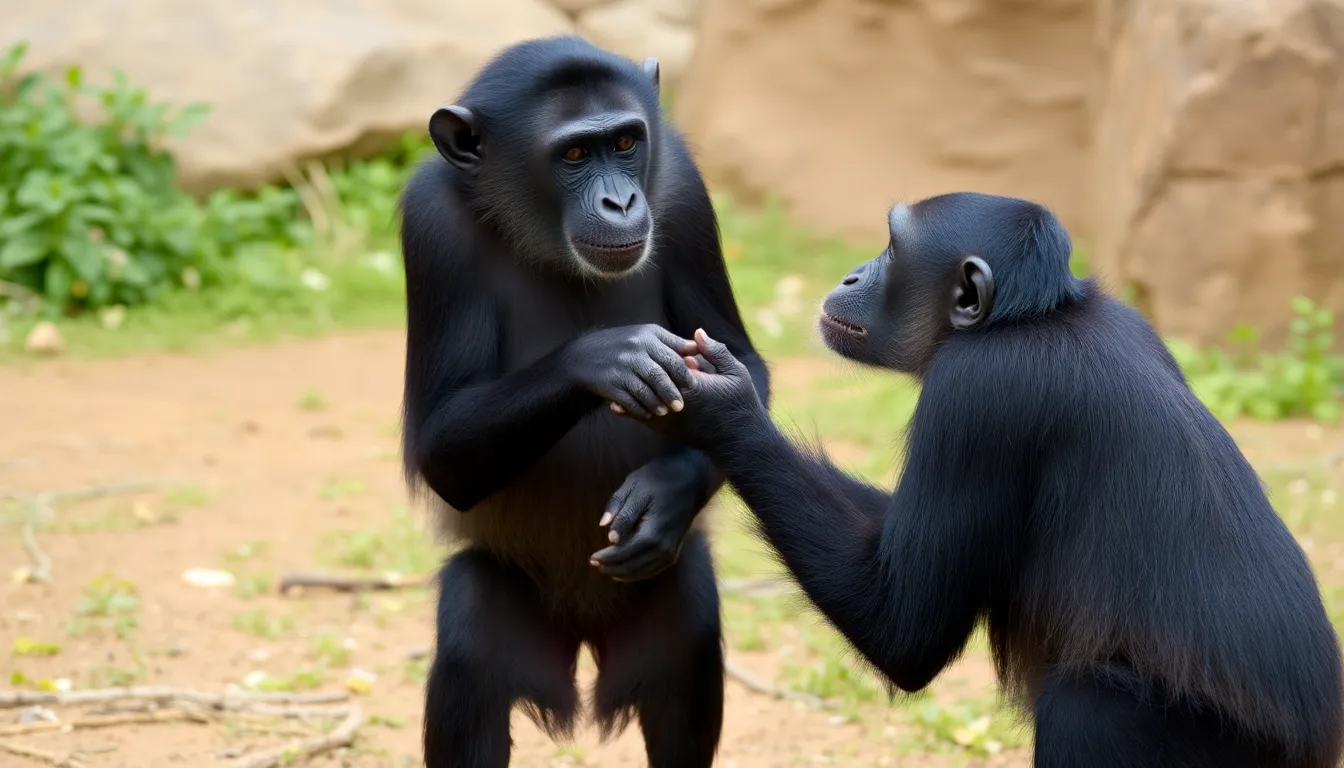
Mid-term effects may extend to wildlife conservation policies, as understanding the complexity of bonobo behavior could influence habitat protection efforts. Regions where bonobos are native may see increased funding and resources allocated to conservation initiatives, as the species is recognized not just for its ecological role but also for its cognitive sophistication. This recognition could foster greater public interest and support for conservation efforts.
- Risks: Increased human interaction may lead to stress in wild populations if not managed carefully.
- Opportunities: Enhanced tourism and educational programs focused on bonobo intelligence could boost local economies.
- Research advancements: This discovery may open new avenues for studying cognition in other primates, leading to broader implications for understanding intelligence in the animal kingdom.
As the implications of this study unfold, various stakeholders will need to navigate the balance between fostering educational opportunities and ensuring the well-being of bonobos in both natural and controlled environments. The potential for collaboration between researchers, educators, and conservationists could pave the way for innovative approaches to studying and protecting these remarkable animals.
A: The study found that bonobos engage in make-believe play, which is similar to how children play. This suggests that their cognitive abilities may be more advanced than previously thought. A: Imaginative play is crucial as it helps animals develop social skills, problem-solving abilities, and cognitive flexibility. It reflects their understanding of the world and their interactions within it. A: This research adds to the growing body of evidence that many primates, not just humans, exhibit complex play behaviors, indicating a shared evolutionary trait. A: The implications include a deeper understanding of primate intelligence and social structures, which could influence conservation efforts and how we interact with these species.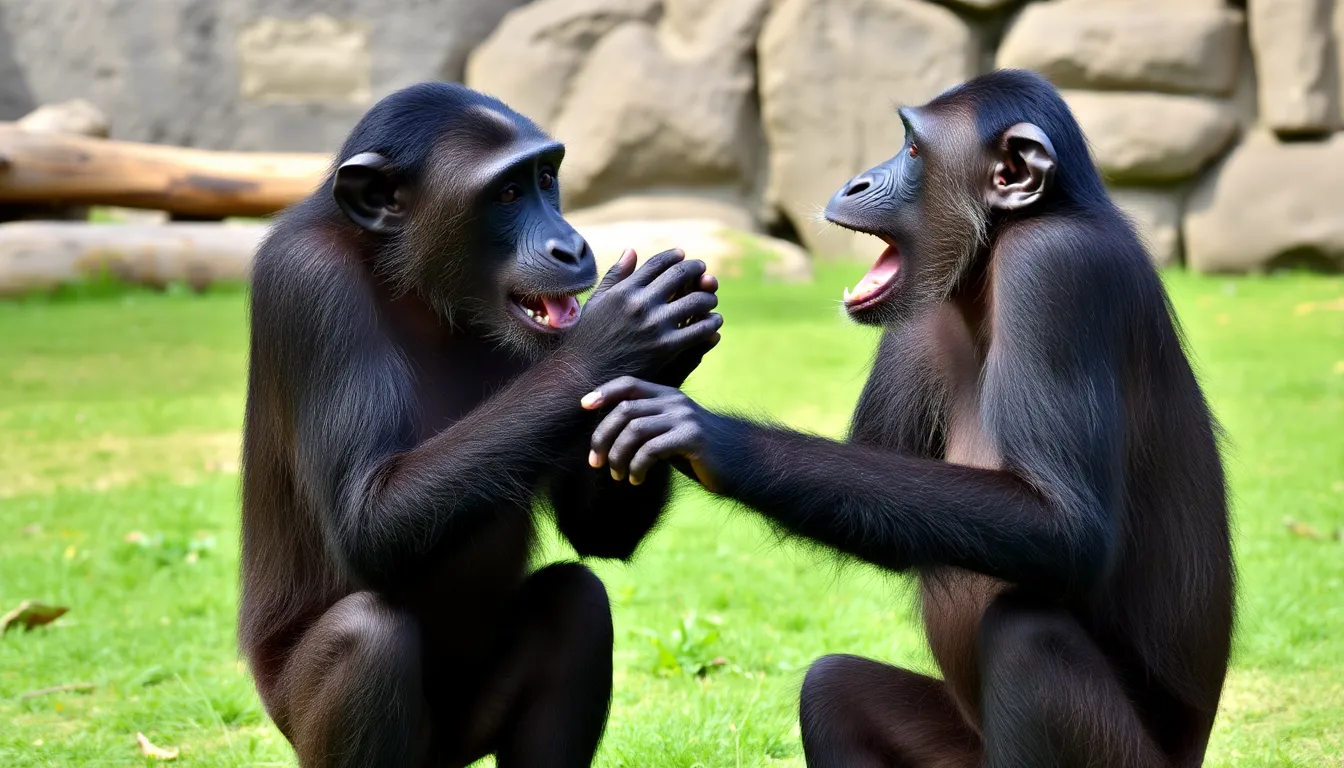
Frequently asked questions about bonobos and play
Key takeaways and future implications of the study
The recent study highlighting the make-believe capabilities of bonobos sheds light on the cognitive and social complexities of these primates. This finding not only enhances our understanding of animal behavior but also raises intriguing questions about the evolutionary roots of play and imagination in humans and other species. As researchers delve deeper into the nuances of bonobo play, the potential for cross-species insights into social development and communication becomes increasingly apparent.
Observing bonobos engage in imaginative play may provide valuable perspectives on the importance of play in social learning and emotional development. This could lead to a reevaluation of how we approach animal welfare and conservation, emphasizing the necessity of enriching environments that stimulate natural behaviors.
- Consider the implications of imaginative play in understanding social structures within primate groups.
- Explore the potential for bonobos to serve as models for studying the evolution of play in humans.
- Advocate for enriched habitats in captivity that promote natural behaviors, including play.
- Investigate the cognitive parallels between bonobos and young children to gain insights into developmental psychology.
- Monitor ongoing research to track how these findings may influence conservation strategies and animal welfare policies.