


The lawsuit, filed by the U.S. Virgin Islands, alleged that Bank of America played a role in enabling Epstein’s sex trafficking operations by maintaining accounts and processing transactions for him, which reflects broader concerns about institutional accountability. Epstein, who was arrested in 2019 and later died in jail, had faced numerous allegations of sexual abuse and exploitation, leading to widespread public outrage and legal actions against various institutions connected to him.
This settlement highlights the increasing accountability that financial institutions face regarding their relationships with high-profile individuals accused of serious crimes, similar to the scrutiny placed on other sectors. It signals a broader trend in which banks are being called to account for their past actions, particularly in cases involving human trafficking and exploitation.
As part of the settlement, Bank of America does not admit to any wrongdoing, but the financial payout is intended to provide some measure of restitution to the victims involved. The case underscores the ongoing challenges that financial entities encounter in navigating reputational risk and legal liabilities associated with their clients.
Understanding the background of the Epstein scandal
The case surrounding Jeffrey Epstein has cast a long shadow over various institutions, including financial entities like Bank of America. Epstein, a financier with connections to the elite, was arrested in July 2019 on federal charges of sex trafficking minors in Florida and New York, drawing attention similar to that received by other high-profile scandals. His high-profile status and the nature of his crimes sparked widespread media coverage and public outrage, leading to a broader examination of the systems that enabled his actions.
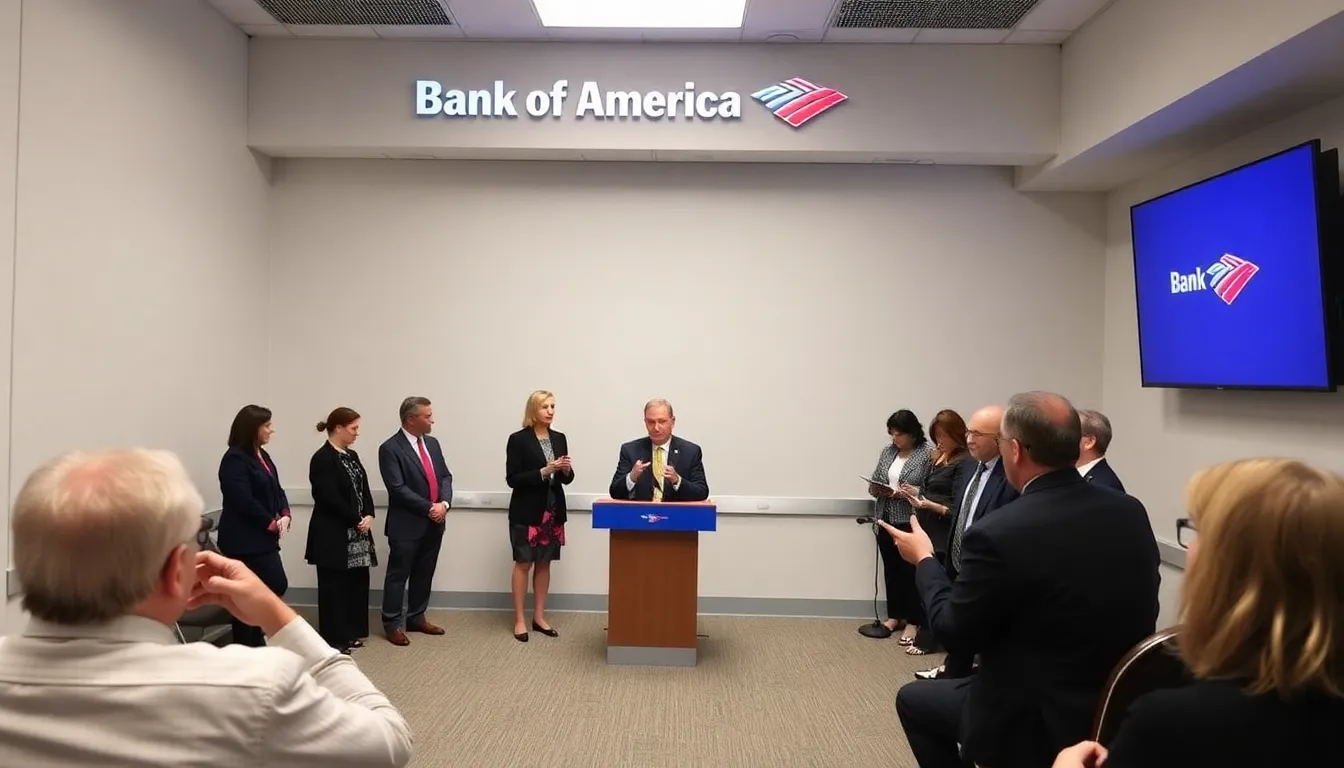
Bank of America has faced scrutiny for its association with Epstein, particularly regarding the bank’s handling of his accounts and transactions. As details emerged about Epstein’s illicit activities and the network of individuals who supported him, questions arose about the responsibility of financial institutions in monitoring suspicious activities. This scrutiny intensified when allegations surfaced that Bank of America had facilitated Epstein’s operations by allowing him to maintain significant financial transactions despite red flags.
Key Milestones in the Epstein Case
Several key milestones have defined the trajectory of the Epstein scandal. In 2008, Epstein received a controversial plea deal in Florida, which many critics argue allowed him to escape more severe legal consequences. This deal was a pivotal moment, as it raised questions about the justice system’s treatment of wealthy individuals. Following Epstein’s arrest in 2019, the re-examination of his past dealings led to increased pressure on institutions like Bank of America to disclose their involvement and the extent of their knowledge regarding his activities.
The recent decision by Bank of America to pay out $72.5 million as part of a settlement related to the Epstein lawsuit reflects the ongoing repercussions of this scandal. The payout not only underscores the financial institution’s desire to move past the controversy but also highlights the broader implications for banks and their responsibilities in preventing financial crimes. As the fallout from the Epstein case continues, it serves as a reminder of the need for greater accountability in the financial sector.
Key stakeholders and issues surrounding the lawsuit
The recent decision by Bank of America to pay out $72.5 million in relation to a lawsuit involving Jeffrey Epstein has brought several key stakeholders into the spotlight. The primary actors in this situation include Bank of America, Epstein’s victims, legal authorities, and public interest groups. Each of these stakeholders has distinct interests that shape their perspectives on the lawsuit and its implications.
Bank of America, as one of the largest financial institutions in the United States, faces significant reputational risks associated with its ties to Epstein. The bank’s interest lies in mitigating potential damage to its brand while addressing the legal claims made against it. The payout aims to resolve allegations that the bank facilitated Epstein’s financial activities, which included the management of accounts linked to his alleged crimes.

On the other hand, Epstein’s victims and their advocates are primarily focused on seeking justice and accountability. The payout represents a financial settlement that may provide some measure of restitution for the harm they suffered. However, the broader issue remains that many victims are still seeking acknowledgment and reparations from other entities that may have enabled Epstein’s actions.
- Legal Considerations: The lawsuit raises questions about the legal responsibilities of financial institutions in monitoring and reporting suspicious activities related to their clients.
- Economic Impact: The settlement amount, while substantial, highlights the potential costs that banks may incur in legal disputes, affecting their financial strategies and risk management practices.
- Public Perception: The case has sparked public discourse on the ethical obligations of banks and corporations in preventing exploitation and abuse.
- Regulatory Scrutiny: This situation may lead to increased regulatory scrutiny of financial institutions, prompting changes in compliance and reporting requirements.
- Broader Implications: The case may set a precedent for how similar lawsuits are handled in the future, influencing both victim advocacy and corporate governance.
As these stakeholders navigate the complexities of the lawsuit, the interplay of legal, economic, and ethical considerations will continue to shape the narrative surrounding Bank of America’s involvement with Epstein. Understanding these dynamics is crucial for comprehending the broader implications of the case on the financial sector and victim advocacy efforts.
Impact of the settlement on victims and the banking industry
The recent settlement of $72.5 million by Bank of America over the Epstein lawsuit has far-reaching implications for various groups, including the victims of Epstein’s crimes, the banking sector, and regulatory bodies. Victims may see some financial restitution, but the emotional and psychological impacts of their experiences remain significant. This settlement also shines a light on the responsibilities of financial institutions in preventing and addressing misconduct.
In the short term, victims may receive compensation, which could help alleviate some financial burdens. However, the settlement may not fully address the emotional trauma they endured. For the banking industry, this case raises questions about compliance and due diligence, prompting banks to reassess their policies regarding client relationships, especially with high-risk individuals.
Mid-term impacts could include increased scrutiny from regulators and a shift in banking practices. Financial institutions may face stricter regulations to ensure they are not inadvertently facilitating criminal activities. This could lead to higher operational costs as banks invest in better compliance measures and risk management strategies.

- Victims: Potential for financial restitution but ongoing emotional trauma.
- Banking Industry: Increased scrutiny and potential regulatory changes.
- Regulatory Bodies: Greater emphasis on compliance and risk management.
- Public Perception: Heightened awareness of the banking sector’s role in social issues.
While there are risks associated with increased regulation and potential reputational damage for banks, there are also opportunities for institutions to strengthen their ethical standards and improve their public image. By taking proactive measures to ensure responsible banking practices, banks can rebuild trust with consumers and stakeholders.
A: The lawsuit alleged that Bank of America had facilitated Jeffrey Epstein’s criminal activities through its banking services, leading to significant legal scrutiny. A: The $72.5 million settlement is expected to be allocated to the victims of Epstein’s crimes, although specific distribution details have yet to be finalized. A: Yes, the settlement may impact Bank of America’s reputation, as it highlights the bank’s involvement in a high-profile case related to serious criminal activities. A: Yes, several financial institutions are under scrutiny for their connections to Epstein, and some may face similar legal challenges. A: Bank of America has stated that it is reviewing its compliance and risk management practices to ensure that similar situations do not occur in the future.
Frequently asked questions about the settlement
Key takeaways and future implications of the settlement
The settlement of $72.5 million by Bank of America over the Epstein lawsuit highlights significant challenges financial institutions face regarding compliance, risk management, and reputational integrity. This case underscores the necessity for banks to enhance their due diligence processes and to ensure robust mechanisms are in place to identify and mitigate risks associated with high-profile clients.
As the financial landscape continues to evolve, institutions must remain vigilant in addressing potential legal liabilities and public perception issues. The outcome of this case could set a precedent for future lawsuits involving financial institutions and their responsibilities in safeguarding against unethical practices.
- Increased scrutiny: Banks may face heightened regulatory scrutiny regarding their client vetting processes.
- Reputation management: Financial institutions must prioritize transparency and ethical practices to maintain public trust.
- Legal implications: This case may encourage more lawsuits against banks, prompting a reevaluation of risk management strategies.
- Policy changes: Expect potential changes in internal policies aimed at preventing similar issues in the future.
- Industry standards: This settlement could lead to new industry standards for compliance and risk assessment related to high-risk clients.