


The pub, known for its community spirit, has partnered with local health services to provide free flu shots to patrons and their families. Health professionals will be on-site to administer the vaccines and answer any questions about flu prevention, a topic that is increasingly relevant in today’s public health landscape. This collaboration highlights the importance of accessible healthcare options in informal settings.
Flu vaccinations are crucial in preventing widespread illness, especially among vulnerable populations such as the elderly and those with underlying health conditions. According to the Health Organization, flu-related hospitalizations can significantly increase during peak seasons, making vaccination a vital public health measure. By hosting this event, the pub is not only serving its patrons but also contributing to the overall health of the community, similar to initiatives detailed by the public health organizations.
Residents are encouraged to participate and can simply walk in during the event hours. The pub will also offer incentives, such as discounts on food and drinks, to those who get vaccinated. This initiative reflects a growing trend of integrating health services into everyday community spaces, making it easier for individuals to prioritize their health.
Understanding the need for flu vaccinations in the community
Flu vaccinations have long been a critical component of public health initiatives aimed at reducing the incidence of influenza and its complications. Historically, seasonal flu epidemics have led to significant morbidity and mortality, particularly among vulnerable populations such as the elderly, children, and individuals with pre-existing health conditions. The introduction of flu vaccines in the mid-20th century marked a pivotal moment in the fight against these seasonal outbreaks, allowing for greater control over the spread of the virus.
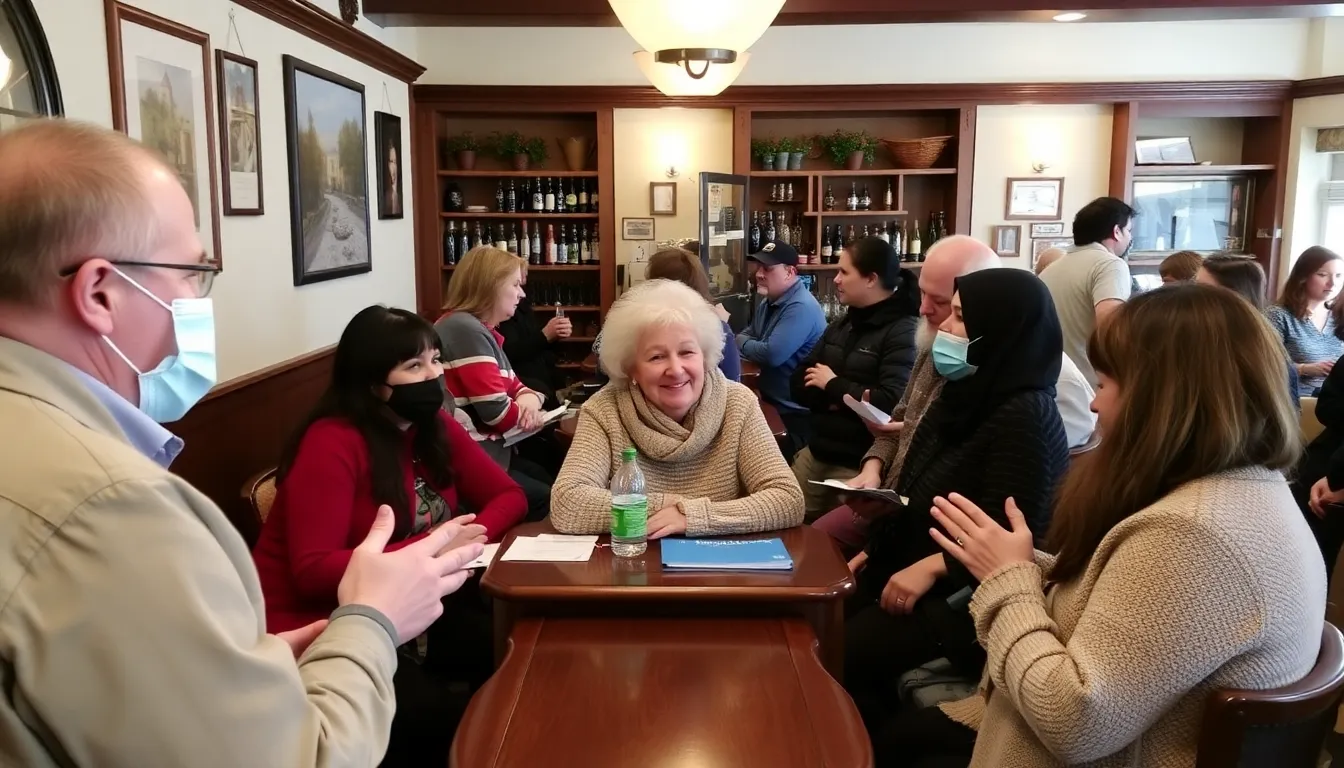
In recent years, public health authorities have recognized the importance of increasing vaccination rates, especially in light of the COVID-19 pandemic, which has underscored the need for robust healthcare measures. Economic factors also play a role, as flu-related hospitalizations and sick days can impose a substantial burden on healthcare systems and the economy. By offering vaccinations in accessible locations such as pubs, health officials aim to reduce barriers to vaccination and encourage community participation.
The Role of Community Engagement
Community engagement has become a crucial strategy in public health campaigns, particularly for vaccination drives. By partnering with local establishments like pubs, health authorities can create a more relaxed and familiar environment for individuals to receive their flu shots. This approach not only fosters a sense of community but also helps normalize the act of vaccination, making it a part of regular social interactions.
Key milestones in vaccination campaigns often include innovative strategies that adapt to changing social landscapes. The emergence of pop-up clinics and mobile vaccination units during the pandemic has paved the way for more creative outreach efforts. These initiatives have demonstrated that when communities come together to support public health goals, vaccination rates can significantly improve, ultimately leading to better health outcomes for all.
As flu season approaches, the importance of such initiatives cannot be overstated. With the potential for increased flu cases alongside ongoing health concerns related to COVID-19, the need for widespread vaccination remains urgent. By transforming traditional vaccination settings into more inviting spaces, health officials hope to engage a broader audience and protect public health effectively.
Key stakeholders involved in the vaccination initiative
The recent initiative to offer flu jabs in pubs is a collaborative effort involving various stakeholders, each with distinct interests and motivations. Key actors include public health organizations, local governments, pub owners, and the general public. Their collective involvement highlights the multifaceted nature of public health campaigns and the importance of community engagement, echoing the themes found in discussions about community partnerships.
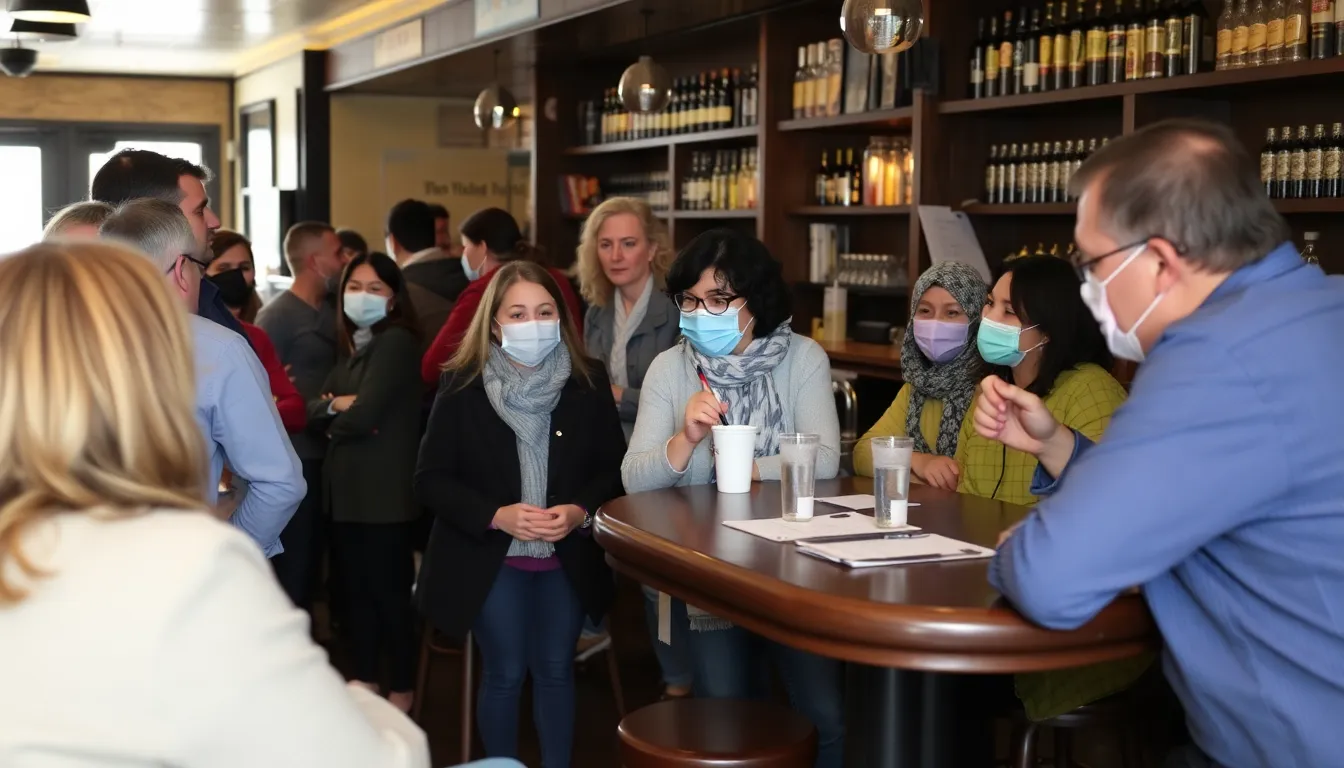
Public health organizations, such as the Centers for Disease Control and Prevention (CDC) and local health departments, aim to increase vaccination rates to curb the spread of influenza. Their primary interest lies in improving community health outcomes and reducing the burden on healthcare systems during flu season. By partnering with local venues like pubs, they seek to make vaccinations more accessible and convenient for individuals who might otherwise delay or avoid getting vaccinated.
Local governments play a crucial role in facilitating these initiatives. They are often responsible for promoting public health policies and ensuring that their communities have access to necessary health services. Their interests may include enhancing public health statistics, reducing healthcare costs associated with flu-related illnesses, and fostering community partnerships that can lead to further health initiatives.
- Pub owners have a vested interest in attracting customers and enhancing their reputation as community-oriented establishments. Offering flu jabs can provide a unique service that encourages patrons to visit their venues.
- The general public benefits from increased access to vaccinations, particularly in informal settings where they feel more comfortable. This demographic may include individuals who typically avoid healthcare facilities.
- Healthcare providers are also stakeholders, as they may see an increase in demand for services related to flu prevention and treatment, impacting their operational dynamics.
However, the initiative does not come without challenges. Conflicts may arise between public health goals and individual preferences, as some people may be hesitant about receiving vaccinations in non-medical settings. Additionally, there are legal considerations regarding liability and the regulation of vaccine administration in informal environments, which could pose risks for pub owners and health organizations alike. Balancing these interests and addressing potential trade-offs will be essential for the success of this innovative vaccination drive.
How the vaccination drive affects local residents and health outcomes
The recent initiative to offer flu jabs in local pubs is set to impact various groups within the community. Primarily, it targets local residents, particularly those who are at higher risk of flu complications, such as the elderly, individuals with underlying health conditions, and young children. Additionally, pub owners and staff are also affected as they play a crucial role in facilitating this vaccination effort.
In the short term, this innovative approach is likely to increase vaccination rates among the local population. The convenience of receiving a flu jab in a familiar setting can encourage more people to get vaccinated, thereby potentially reducing the incidence of flu-related illnesses in the community. This could lead to a decrease in hospital visits and a lighter burden on local healthcare facilities during the flu season.
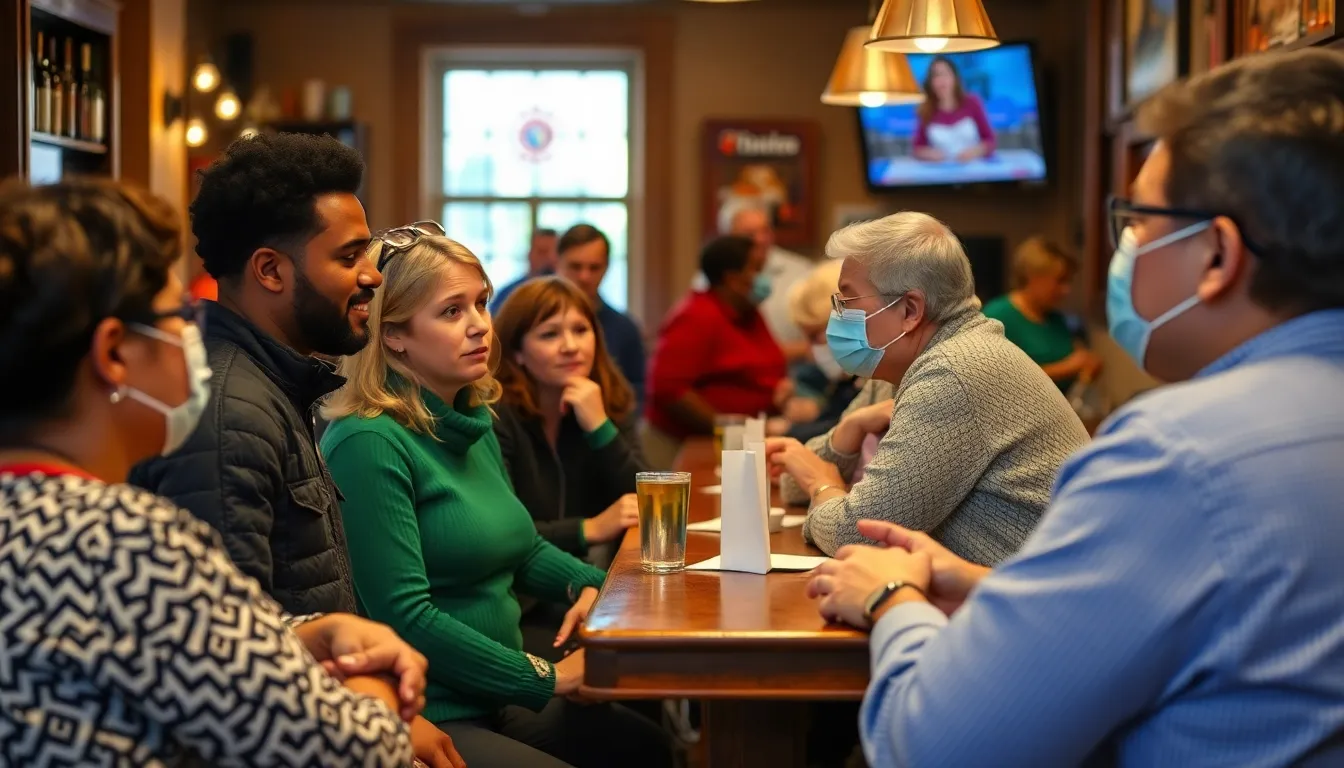
Mid-term impacts may include a shift in public perception regarding vaccinations, fostering a culture of health awareness and preventative care. Businesses, particularly those in the hospitality sector, may see increased foot traffic as people visit pubs not only for socializing but also for health services. This dual purpose can enhance community engagement and support local economies.
- Increased vaccination rates among vulnerable populations.
- Boosted local economy through increased pub patronage.
- Enhanced public health leading to fewer flu-related hospitalizations.
- Potential for similar initiatives in other community settings.
However, there are risks associated with this approach. Some individuals may still harbor hesitancy towards vaccinations, which could hinder the overall effectiveness of the drive. Additionally, the logistics of managing a vaccination program in a social setting may pose challenges, including the need for adequate staffing and ensuring proper health protocols are followed.
Overall, while there are challenges to address, the initiative presents significant opportunities for improving public health and fostering community spirit. By leveraging local venues like pubs, the vaccination drive can create a more accessible and engaging environment for health promotion.
A: The flu jab is available to all adults and children over the age of six months, ensuring that everyone in the community can benefit from the vaccination. A: No, the flu jab is offered free of charge as part of the community health initiative to encourage widespread participation. A: While appointments are not necessary, it is recommended to arrive early to ensure you receive the vaccination without long wait times. A: It’s advisable to bring an ID and any relevant medical information, especially if you have allergies or pre-existing conditions. A: The flu jab is designed to reduce the risk of flu illness, hospitalization, and death, and its effectiveness can vary each year based on the circulating strains.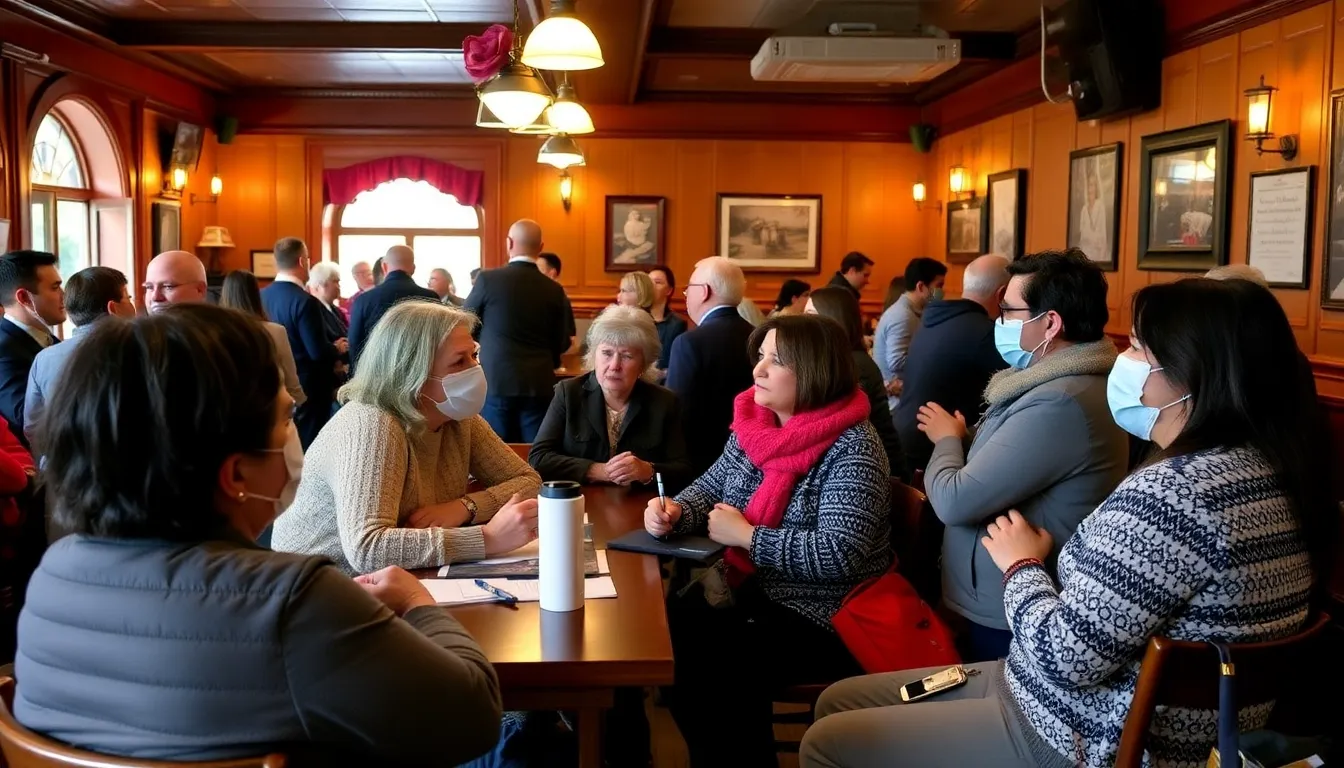
Frequently asked questions about the flu vaccination drive
Looking ahead: the future of community health initiatives
The innovative approach of offering flu jabs in a pub setting highlights a growing trend in public health strategies aimed at increasing vaccination rates. By integrating health services into familiar community spaces, health authorities can reduce barriers to access and foster a more inclusive environment for vaccinations. This model not only addresses immediate health needs but also promotes a culture of wellness within the community.
As we look to the future, the implications of this initiative extend beyond flu vaccinations. It opens the door for similar programs targeting various health concerns, encouraging collaboration between healthcare providers and local businesses. This synergy could lead to more comprehensive community health initiatives that prioritize accessibility and engagement.
- Increased accessibility: Community-based vaccination programs can significantly reduce barriers, making it easier for individuals to receive necessary health services.
- Engagement through familiar settings: Leveraging local venues like pubs can enhance participation rates by creating a comfortable atmosphere for health discussions.
- Potential for broader health initiatives: This model can be adapted for other health services, such as screenings and wellness checks, fostering a proactive approach to community health.
- Collaboration opportunities: Partnerships between health authorities and local businesses can lead to innovative solutions that address public health challenges more effectively.
- Long-term cultural shift: Regular health initiatives in community spaces may cultivate a lasting culture of health awareness and preventative care among residents.