


The injury, which has been described as a strain, was first reported following Draper’s participation in a recent tournament. For more on athlete health challenges, check out this article discussing similar issues faced by competitors.
As a result of his withdrawal, Draper will miss out on crucial ranking points and the chance to showcase his skills on one of tennis’s biggest stages. His absence may also impact the dynamics of the draw, as he was expected to face tough opponents early in the tournament. Fans and analysts alike will be watching closely to see how this affects his career trajectory moving forward.
Draper’s situation underscores the physical demands of professional sports, particularly in tennis, where players often deal with injuries that can derail their progress. To understand the importance of player health, you can read about recent initiatives in the sport.
Understanding the circumstances surrounding Draper’s injury
Jack Draper, a rising star in the world of tennis, has recently been sidelined due to an arm injury that will prevent him from competing in the prestigious Australian Open. This unfortunate setback not only affects Draper’s personal career trajectory but also highlights the physical demands and risks associated with professional sports, particularly in tennis where the intensity of play can lead to significant injuries.
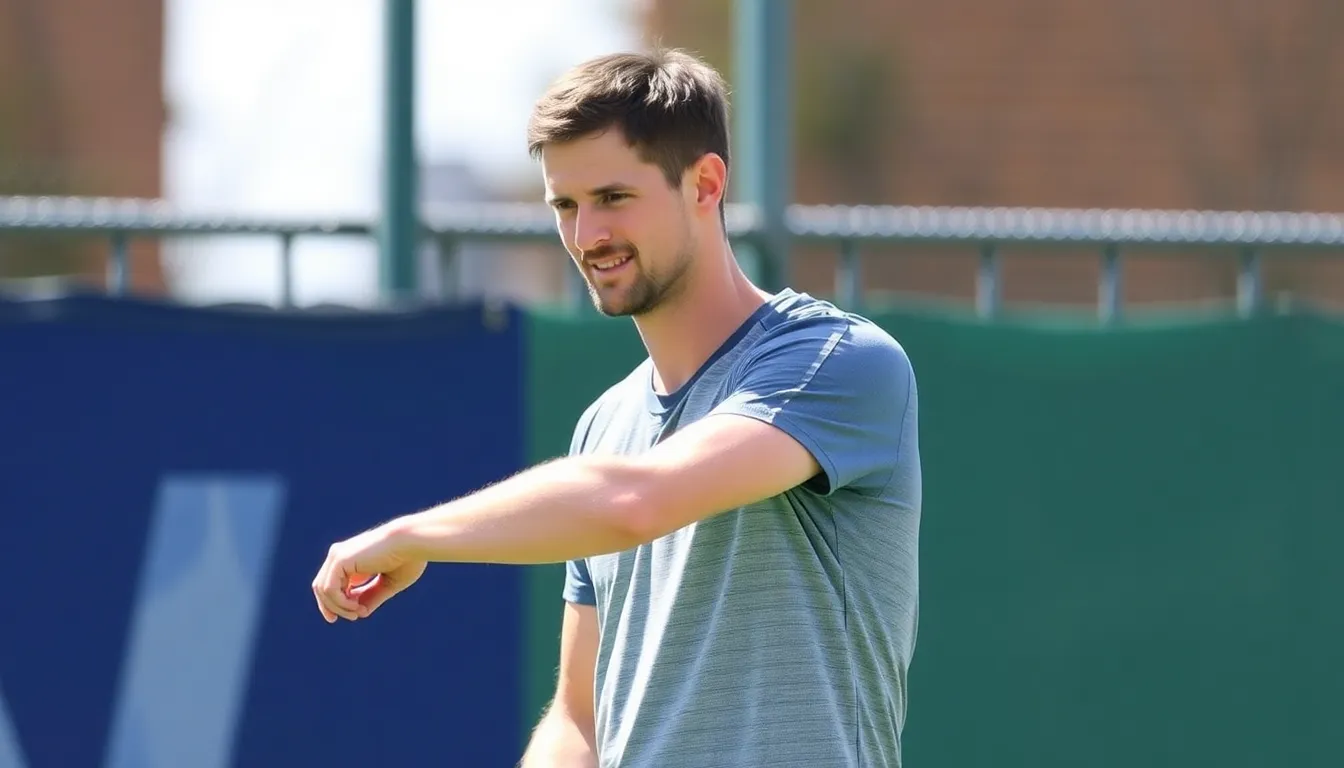
The journey to the professional tennis circuit is often fraught with challenges, including the rigorous training regimens and the pressure to perform at peak levels. Similar stories can be explored in the context of other young athletes facing injuries.
In recent years, there has been a growing awareness of the importance of player health and injury prevention in tennis. The ATP and WTA have implemented various initiatives aimed at promoting player welfare, including the introduction of mandatory rest periods and increased medical support during tournaments. Despite these efforts, the physical toll of the sport remains high, and even the most promising talents can find themselves on the sidelines due to injuries.
The impact of injuries on young athletes
Injuries not only affect an athlete’s immediate performance but can also have long-term implications for their careers. For young players like Draper, missing key tournaments such as the Australian Open can hinder their ranking progression and limit their exposure to high-stakes matches. This situation raises questions about the balance between competitive play and the need for adequate recovery time, a topic that continues to be debated among coaches, players, and sports organizations alike.
Examining the implications of Draper’s absence on the tournament
The withdrawal of young tennis star Jack Draper from the Australian Open due to an arm injury raises significant questions for various stakeholders involved in the tournament. His absence not only impacts the competitive landscape but also affects fans, sponsors, and the broader tennis community.
For Draper, the immediate concern is his health and recovery. As a rising talent, missing a major tournament could hinder his momentum and ranking progression. His team and medical professionals will be focused on ensuring a full recovery to prevent long-term damage, which is critical for his future career.
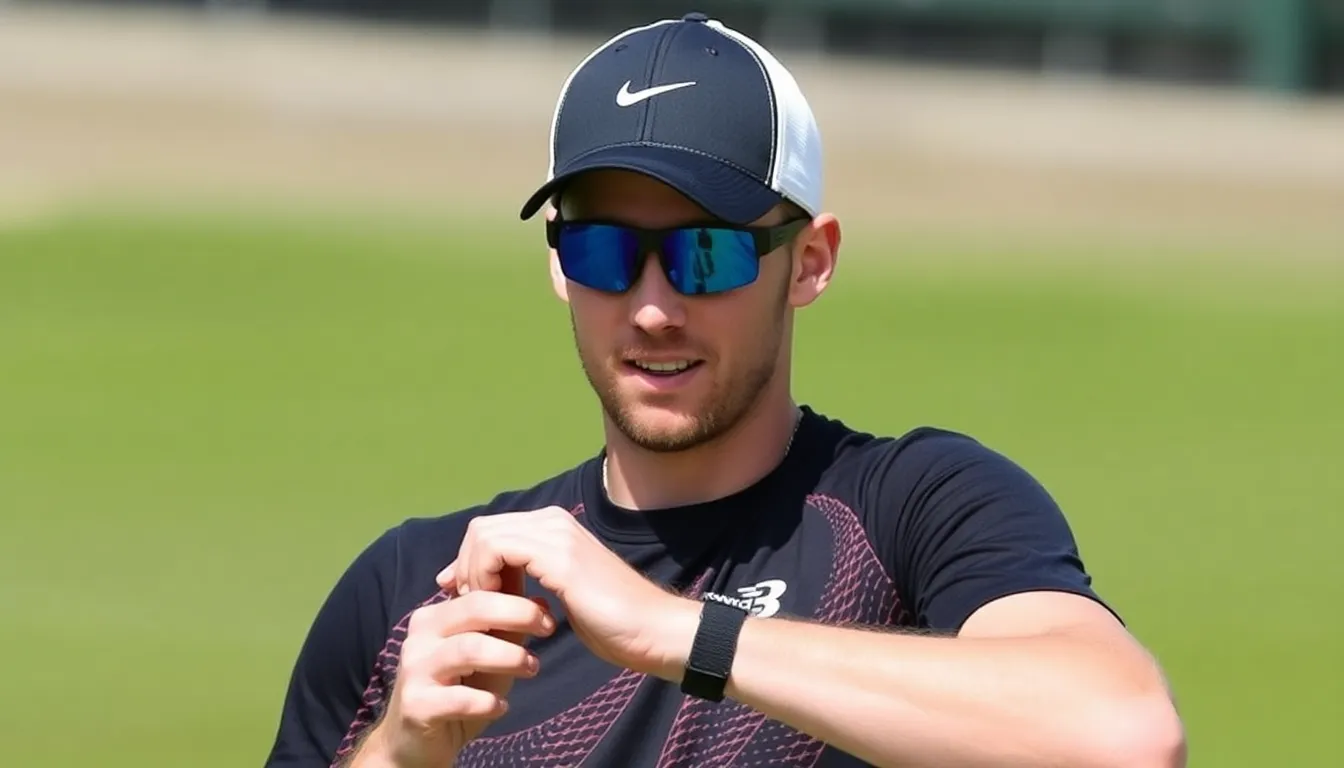
From a tournament perspective, Draper’s absence could alter the dynamics of the competition. His potential matchups with higher-ranked players would have attracted significant attention and ticket sales. The organizers may face challenges in maintaining fan engagement and ensuring that the tournament remains competitive without one of its promising stars.
- Economic impact: The loss of a popular player can lead to decreased ticket sales and lower viewership, affecting sponsorship deals.
- Fan disappointment: Draper has garnered a dedicated fan base, and his absence may lead to dissatisfaction among attendees and viewers.
- Future implications: This injury may affect Draper’s ranking and seeding in future tournaments, altering his career trajectory.
- Injury management: The situation highlights the importance of injury prevention and management in professional sports.
Moreover, sponsors who had aligned their marketing strategies around Draper’s participation may need to reassess their plans. This could lead to a shift in promotional efforts, potentially impacting the financial ecosystem surrounding the tournament. Overall, Draper’s withdrawal underscores the interconnected nature of individual athlete health and the broader implications for the sport as a whole.
How Draper’s withdrawal affects fans and the competition
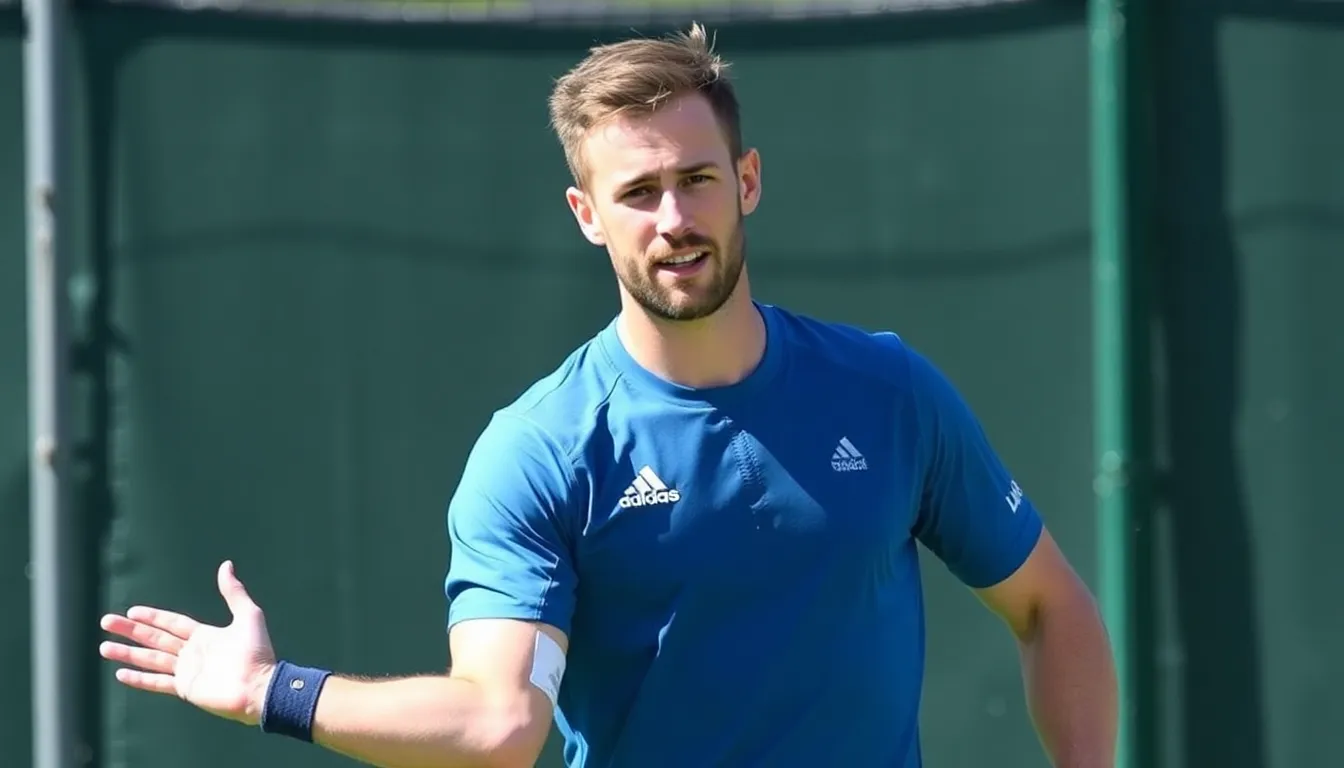
With the news of Jack Draper’s withdrawal from the Australian Open due to an arm injury, several groups are feeling the impact. Fans who were looking forward to seeing the rising star compete will be disappointed, as his absence alters the dynamics of the tournament. Additionally, fellow competitors may feel a shift in their strategies, as Draper was considered a formidable opponent.
In the short term, the immediate impact on daily life for fans includes changes in ticket sales and potential refunds for those who planned to attend matches featuring Draper. The excitement surrounding the tournament may also be dampened, affecting overall attendance and viewership. Businesses in the vicinity of the event, including hotels and restaurants, may see a decline in patronage as fans adjust their plans.
In the mid-term, the withdrawal could influence sponsorship deals and media coverage. Brands that had aligned themselves with Draper may need to pivot their marketing strategies, potentially leading to a reevaluation of partnerships. Furthermore, the Australian Open might experience shifts in viewer interest, impacting advertising revenues and future planning for the event.
- Fans: Disappointment and potential loss of interest.
- Competitors: Changes in match dynamics and strategies.
- Local businesses: Reduced patronage and economic effects.
- Sponsors: Reevaluation of marketing strategies and partnerships.
- Media: Changes in coverage and advertising revenues.
However, there are also potential opportunities arising from Draper’s absence. Emerging players may seize the moment to showcase their talents, gaining visibility and possibly attracting new fans. The tournament organizers might introduce new promotional strategies to keep fan engagement high, potentially leading to innovative approaches in future events.
A: Jack Draper’s arm injury was a result of overuse during training sessions leading up to the tournament, which ultimately forced him to withdraw. A: Draper announced his withdrawal just days before the Australian Open was set to begin, catching many fans and analysts by surprise. A: Missing the Australian Open may affect Draper’s ranking as he will miss out on valuable points that could have been earned during the tournament. A: While specific recovery timelines have not been disclosed, Draper is expected to undergo treatment and rehabilitation before returning to competitive play. A: The tournament organizers will announce a lucky loser or alternate player to fill Draper’s spot in the draw.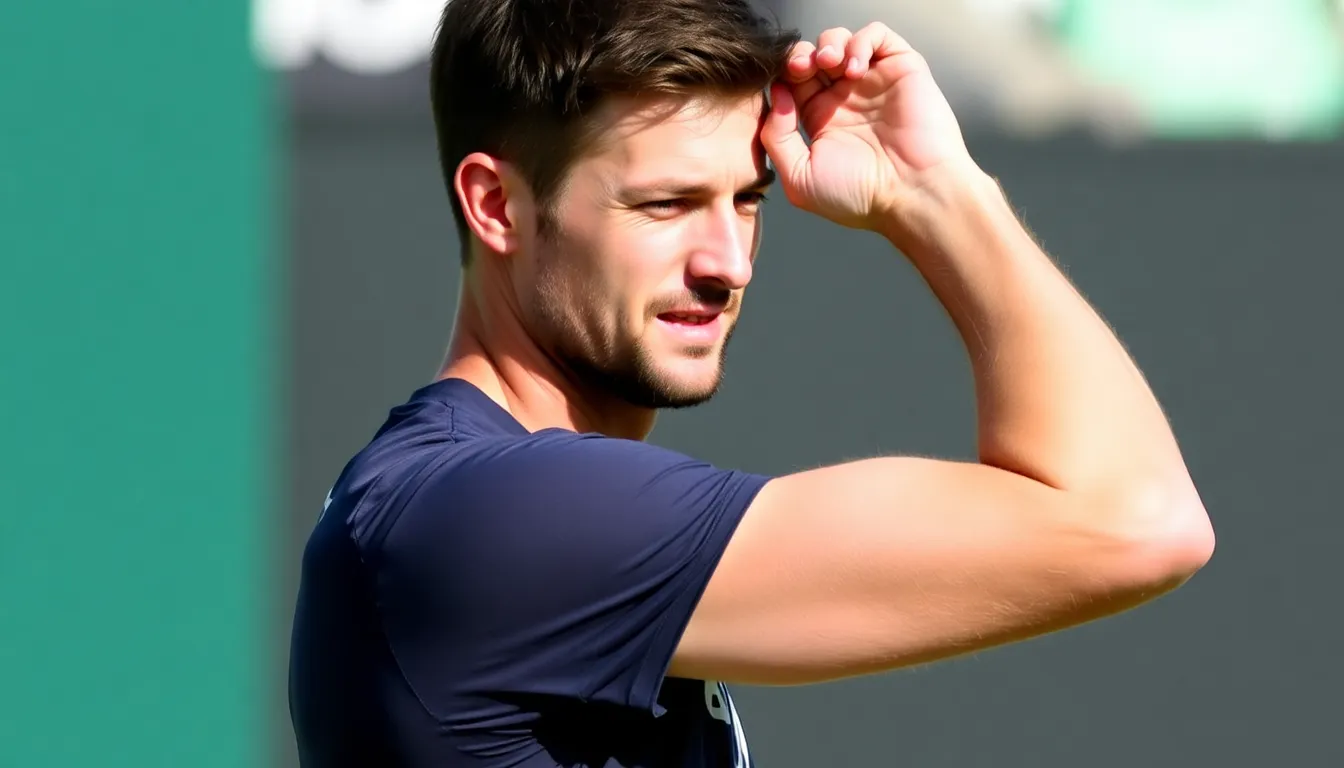
Frequently asked questions about Draper’s injury and withdrawal
Key takeaways and future outlook for Draper
Jack Draper’s withdrawal from the Australian Open due to an arm injury raises significant concerns about his immediate competitive prospects and long-term development. As a talented young player, this setback could impact his momentum and ranking, making his recovery and subsequent performance crucial to monitor in the coming months.
Looking ahead, Draper’s ability to bounce back from this injury will be pivotal. It will be essential to observe how he manages his rehabilitation and whether he can return to the tour effectively. Additionally, the implications of this injury on his training regimen and match readiness will be critical as he aims to reclaim his position among the rising stars of tennis.
- Monitor Draper’s recovery timeline and any updates on his fitness.
- Watch for changes in his ranking and potential seedings in future tournaments.
- Evaluate how this injury affects his training and preparation for upcoming events.
- Consider the impact on his mental game and confidence as he returns to competition.
- Keep an eye on the performance of other young players who may capitalize on his absence.