


According to a survey conducted by the American Association of University Women in September 2023, nearly 60% of young women reported feeling unprepared to manage their health due to a lack of proper education. The survey revealed alarming statistics regarding knowledge gaps in areas such as menstrual health, sexual consent, and mental health resources. These findings underscore the urgent need for reform in health education standards.
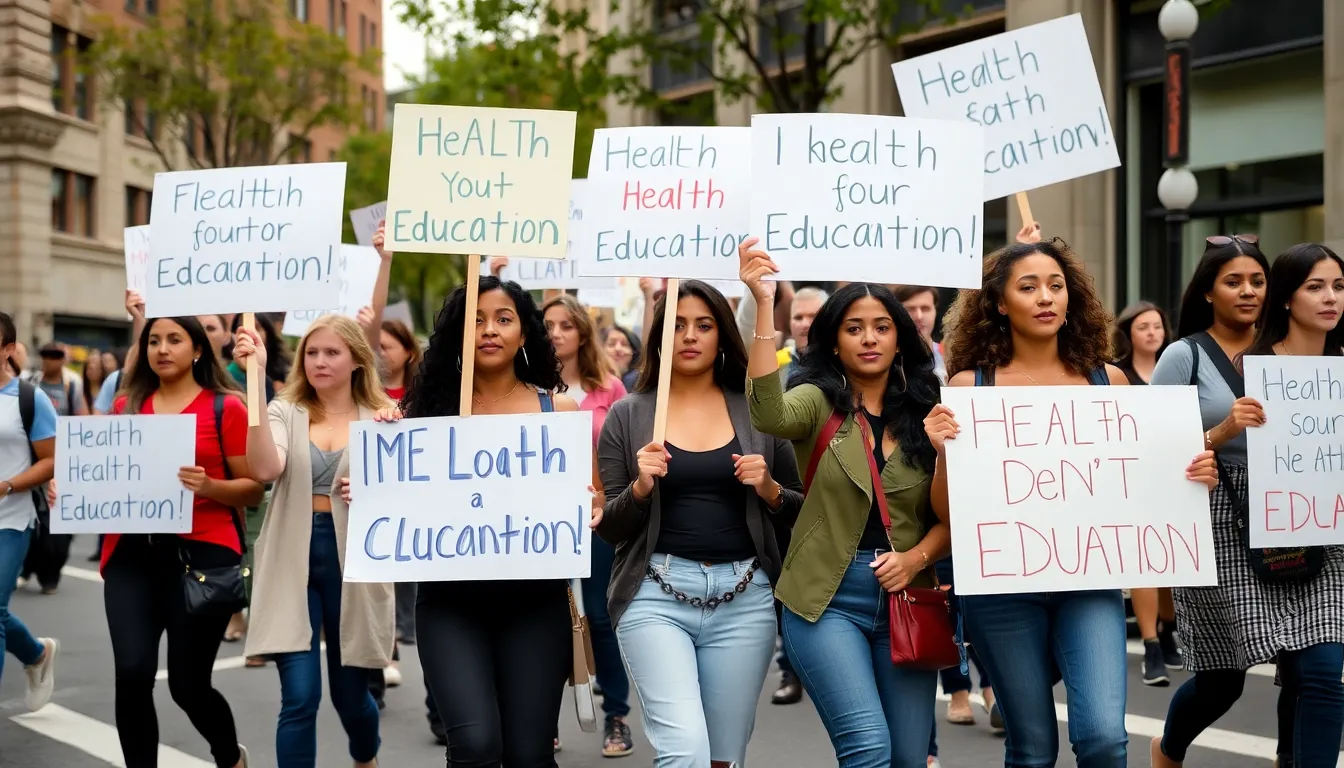
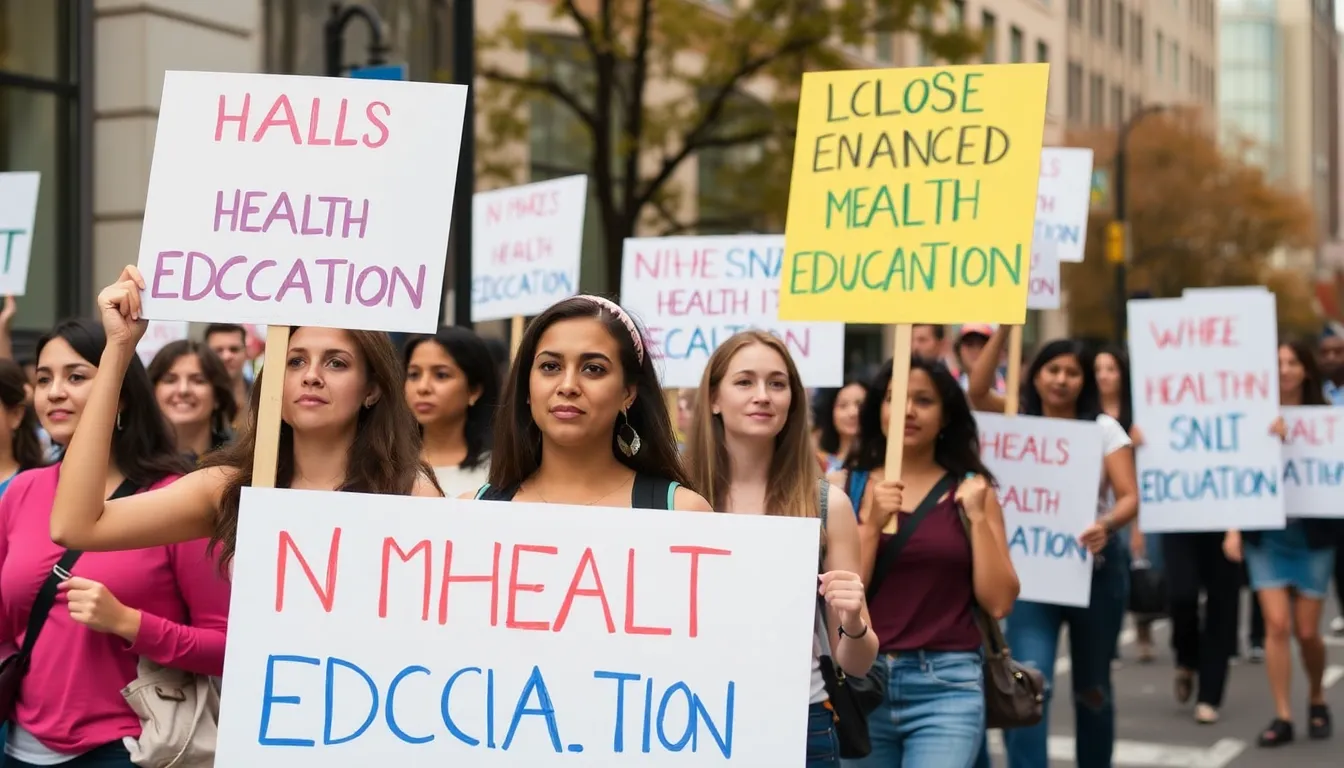
Activists have organized several campaigns and events, including a national “Health Education Now” rally held in Washington, D.C. on October 15, 2023. This event brought together students, educators, and health professionals to advocate for policy changes that would enhance health education in schools. Participants emphasized the importance of equipping young women with the knowledge and resources necessary to make informed health decisions, highlighting the impact of access to comprehensive education.
In response to these calls for action, some lawmakers are beginning to take notice. Several states are currently reviewing their health education standards, with proposals to include more comprehensive topics that reflect the needs of young women. As discussions continue, the push for better health education remains a critical issue that could shape the future well-being of young women across the country.
Understanding the importance of health education for young women
Health education has long been a critical component of overall well-being, particularly for young women who face unique health challenges and societal pressures. Historically, access to comprehensive health education has been uneven, often influenced by socio-economic status, geography, and cultural norms. In many parts of the world, including developed nations, young women have been underserved in terms of information about reproductive health, mental health, and nutrition, leading to gaps in knowledge that can have lasting impacts on their lives.
The political landscape has also played a significant role in shaping health education policies. In the late 20th century, movements advocating for women’s rights began to emphasize the need for better health education, recognizing that informed women are empowered women. However, these initiatives often faced pushback from conservative groups who argued against comprehensive sex education and reproductive rights, leading to a patchwork of health education standards across different regions.
Economically, the prioritization of health education has fluctuated based on funding and resources allocated to public health initiatives. In many low-income areas, education systems struggle to provide even basic health information due to budget constraints. This has resulted in young women lacking essential knowledge that can help them navigate their health choices, further perpetuating cycles of disadvantage and poor health outcomes.
The role of social movements
Social movements have been pivotal in advocating for better health education for young women. The rise of feminist movements in the 1960s and 1970s brought attention to issues like reproductive rights and access to healthcare. More recently, campaigns focused on mental health awareness and body positivity have highlighted the need for educational resources that address the holistic health of young women, echoing the sentiments of those advocating for better health outcomes. These movements have not only raised awareness but also mobilized young women to demand change in their communities and education systems.
As young women continue to call for better health education, it is essential to recognize the historical context that has shaped their current realities. By understanding the interplay of social, political, and economic factors, we can better appreciate the importance of equitable health education for all young women, paving the way for a healthier future.
Key stakeholders and issues in health education reform
The call for better health education among young women has highlighted several key stakeholders, each with distinct interests and perspectives. These include government bodies, educational institutions, non-profit organizations, and the young women themselves who are advocating for change. Understanding the dynamics between these actors is essential for analyzing the broader implications of health education reform.
Government agencies play a crucial role in setting health education policies and funding programs. Their interest often lies in improving public health outcomes and reducing healthcare costs in the long run. However, conflicting priorities, such as budget constraints and political agendas, can impede the implementation of comprehensive health education initiatives.
Educational institutions, including schools and universities, are tasked with delivering health education. They may face challenges in integrating comprehensive curricula that address the specific needs of young women, particularly in areas such as reproductive health, mental well-being, and nutrition. Trade-offs often arise between adhering to standardized educational frameworks and providing tailored content that resonates with students.
- Young Women: The primary advocates for improved health education, seeking information that empowers them to make informed decisions about their health.
- Non-Profit Organizations: These groups often support health education initiatives through advocacy, funding, and resource development, aiming to fill gaps left by public education systems.
- Parents and Guardians: Their perspectives on health education can vary, with some supporting comprehensive programs while others may advocate for more conservative approaches.
- Healthcare Providers: They have a vested interest in ensuring that young women receive accurate health information to promote preventive care and reduce health disparities.
Key legal and economic issues also come into play in the debate over health education reform. Legal frameworks surrounding education and health rights can either support or hinder efforts to implement comprehensive health education programs. Economically, the allocation of resources for health education can be a contentious issue, with competing interests vying for limited funding in both public and private sectors. The intersection of these factors creates a complex landscape that stakeholders must navigate to achieve meaningful reform.
The impact of inadequate health education on young women’s lives
Young women across various regions are directly affected by the lack of comprehensive health education. This issue spans urban and rural areas alike, impacting not only individuals but also families, educational institutions, and healthcare providers. The gap in knowledge can lead to significant health disparities, particularly among marginalized communities where access to information is already limited.
In the short term, the absence of proper health education can lead to increased incidences of preventable health issues, such as sexually transmitted infections and unintended pregnancies. Young women may find themselves navigating complex healthcare systems without the necessary knowledge or resources, which can exacerbate feelings of anxiety and uncertainty. This situation places additional burdens on healthcare services, potentially leading to overcrowding and resource strain.
In the mid-term, the implications extend beyond individual health. Businesses and policymakers may face challenges as a result of a less informed young female workforce. Companies could see a decline in productivity due to health-related absenteeism, while governments may need to allocate more funds to address the resultant public health crises. On the flip side, this situation presents opportunities for businesses in the health education sector, as demand for workshops, resources, and digital platforms increases.
- Increased health risks: Higher rates of preventable diseases among young women.
- Economic impact: Potential loss of productivity in the workforce.
- Policy changes: Greater need for investment in health education programs.
- Business opportunities: Growth in health-related educational services and products.
Ultimately, the call for better health education among young women highlights a critical need for systemic change. By addressing these gaps, society can foster a healthier, more informed generation that is empowered to make better health decisions, ultimately benefiting individuals and communities alike.
A: Health education is crucial for young women as it empowers them to make informed decisions about their health, understand their bodies, and access necessary healthcare services. A: Health education should cover a range of topics including reproductive health, mental health, nutrition, and preventive care to provide a comprehensive understanding. A: Young women can advocate by engaging with local policymakers, participating in community discussions, and raising awareness through social media campaigns. A: Current gaps include a lack of information on reproductive rights, mental health resources, and access to healthcare services tailored to young women’s needs. A: Yes, several programs have successfully integrated comprehensive health education into schools and community centers, focusing on interactive learning and peer support.
Frequently asked questions about health education for young women
Looking ahead: the future of health education for young women
The call for improved health education among young women highlights a significant gap in current educational frameworks. As these young women advocate for comprehensive, accurate, and accessible information, it becomes clear that addressing their needs is essential for fostering a healthier generation. The implications of this movement extend beyond individual well-being, influencing societal attitudes toward women’s health and empowerment.
Moving forward, educational institutions and policymakers must prioritize the integration of health education into curricula. This will not only equip young women with the necessary knowledge to make informed decisions but also promote a culture of openness regarding health issues that have long been stigmatized.
- Curriculum Development: Educational bodies should collaborate with health professionals to create a curriculum that addresses the specific health concerns of young women, including mental health, reproductive health, and nutrition.
- Community Engagement: Local communities can play a vital role by hosting workshops and seminars that empower young women with knowledge and resources related to their health.
- Utilizing Technology: Leveraging digital platforms to disseminate health education can reach a wider audience, making information more accessible and engaging for young women.
- Policy Advocacy: Young women should be encouraged to participate in advocacy efforts to influence health education policies at the local and national levels.
- Peer Support Networks: Establishing peer-led support groups can foster a safe space for discussion and sharing of health-related experiences, further enhancing education and awareness.