


This appeal comes amid escalating tensions between the United States and China, particularly concerning human rights issues in Hong Kong. Lai’s imprisonment has drawn international condemnation, with many viewing it as a significant blow to press freedom and democratic values in the region. Trump’s statement reflects ongoing concerns among Western leaders regarding China’s crackdown on dissent.
Jimmy Lai’s case has gained increased attention since he was sentenced to a total of 20 years in prison for various charges, including fraud and collusion with foreign forces. His situation has become emblematic of the broader struggle for democracy in Hong Kong, where activists continue to face harsh repercussions for opposing Beijing’s influence. For more on global movements, check this article on understanding global events.
As diplomatic relations between the U.S. and China remain strained, Trump’s remarks may serve to amplify calls for action from other world leaders. The international community is closely monitoring developments in Hong Kong, as Lai’s fate could have significant implications for the future of civil liberties in the territory and beyond.
Understanding the background of Jimmy Lai’s imprisonment and its implications
The imprisonment of Jimmy Lai, a prominent pro-democracy activist and founder of the Apple Daily newspaper, is a significant event in the context of Hong Kong’s ongoing struggle for autonomy and freedom. Lai’s arrest in 2020 marked a pivotal moment in the erosion of civil liberties in Hong Kong, following the implementation of the National Security Law by Beijing. This law has been widely criticized for its vague definitions and harsh penalties, effectively stifling dissent and curtailing freedom of expression.
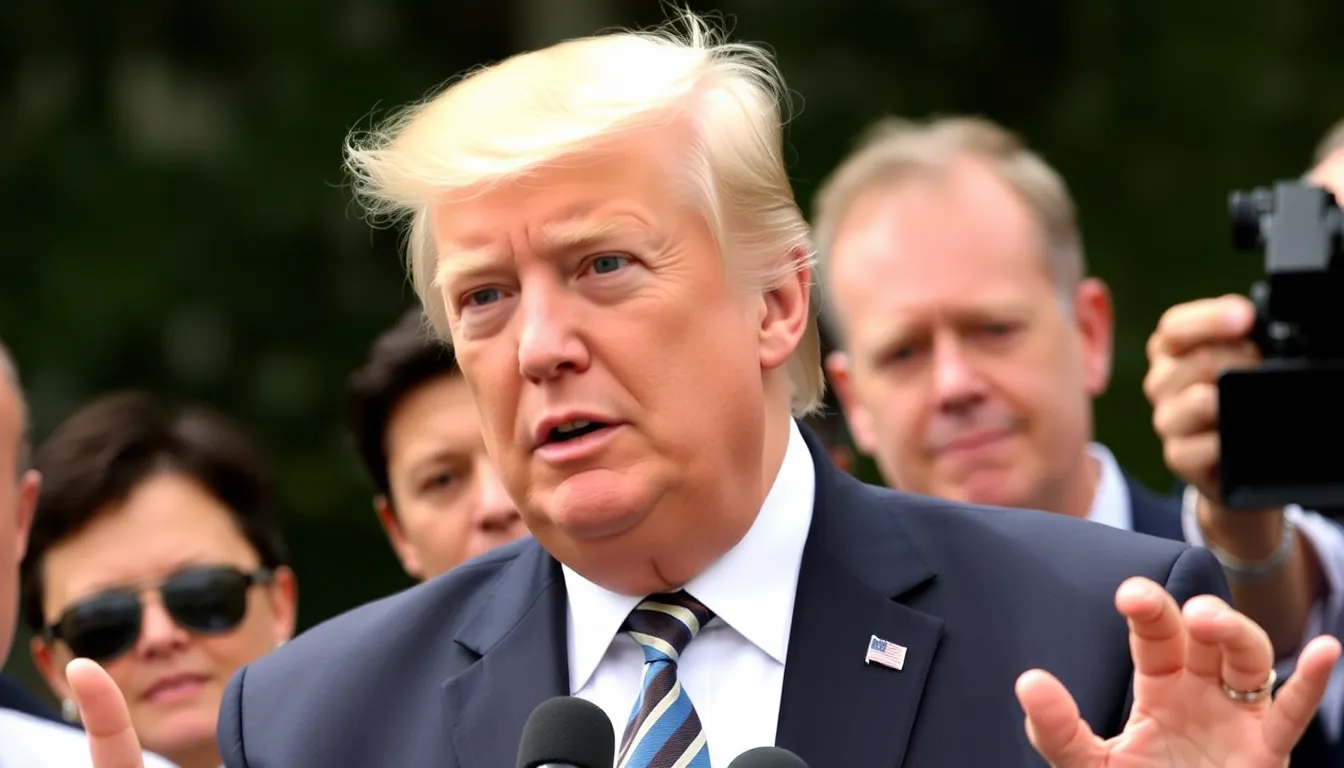
Historically, Hong Kong enjoyed a high degree of autonomy under the “one country, two systems” framework established after its handover from British rule to China in 1997. This arrangement was meant to preserve Hong Kong’s legal and economic systems, allowing for a vibrant civil society. However, over the years, there has been a gradual tightening of Beijing’s grip on the territory, culminating in the 2019 protests against an extradition bill that many viewed as a threat to judicial independence.
The protests galvanized international attention and support for Hong Kong’s pro-democracy movement, but they also prompted a severe crackdown by the authorities. Key milestones in this timeline include the violent clashes between protesters and police, the subsequent arrests of thousands of activists, and the dismantling of independent media outlets like Apple Daily. Lai’s imprisonment is emblematic of this broader crackdown, as he has been a vocal critic of the Chinese Communist Party and a staunch advocate for democratic reforms.
International Reactions and Implications
Trump’s call for Xi Jinping to release Lai highlights the international ramifications of Hong Kong’s political situation. Global leaders have expressed concerns over human rights violations in Hong Kong, and Lai’s case has become a symbol of the struggle for freedom in the region. The response from the international community, including sanctions and diplomatic pressure, underscores the geopolitical stakes involved, as the situation in Hong Kong reflects broader tensions between China and Western nations over issues of governance, human rights, and economic influence.
Key stakeholders and the significance of Trump’s intervention
The ongoing situation involving Jimmy Lai, a prominent pro-democracy activist in Hong Kong, has drawn attention from various stakeholders, including political leaders, human rights organizations, and international governments. Donald Trump’s recent appeal to Chinese President Xi Jinping to release Lai highlights the complex interplay of interests surrounding this issue.
At the forefront is Jimmy Lai himself, who has become a symbol of the pro-democracy movement in Hong Kong. His imprisonment under China’s national security laws raises significant concerns about human rights and freedom of expression. Lai’s situation resonates with many activists and organizations advocating for democratic freedoms, both in Hong Kong and globally.
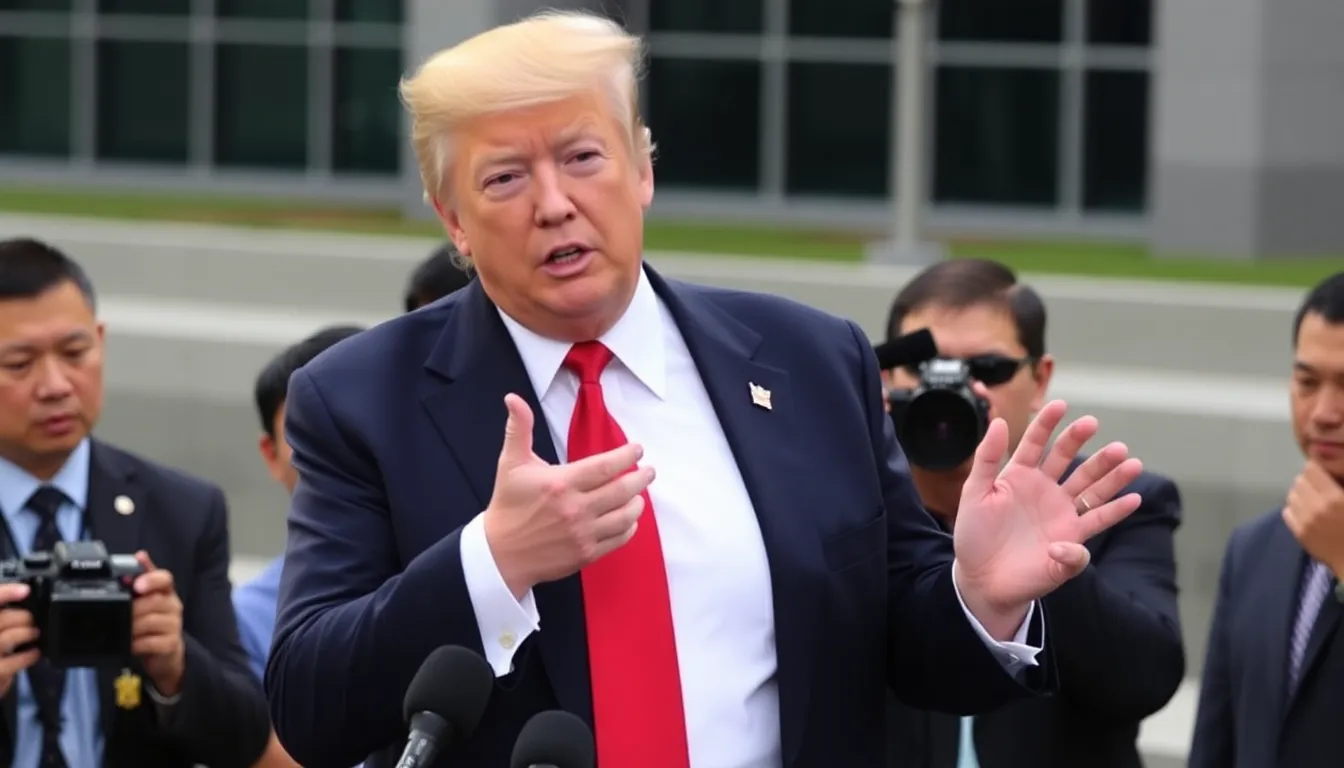
Another key actor is the Chinese government, led by Xi Jinping. The Chinese leadership views Lai’s activism and the broader pro-democracy movement as a threat to its authority and territorial integrity. As such, the Chinese government’s interests lie in maintaining control over Hong Kong and suppressing dissent, which presents a direct conflict with international calls for human rights and democratic reforms.
- International Relations: Trump’s intervention reflects the ongoing tensions between the United States and China, particularly regarding human rights issues.
- Economic Implications: The situation could impact trade relations, especially if the U.S. decides to impose sanctions or take other economic measures in response to China’s actions.
- Public Opinion: Trump’s stance may influence public perception of both the U.S. and China, potentially galvanizing support for pro-democracy movements worldwide.
- Legal Framework: The national security laws imposed by China on Hong Kong raise questions about international law and the obligations of countries to protect human rights.
In summary, Trump’s call for Xi to release Jimmy Lai underscores the multifaceted nature of this issue, where human rights, international relations, and economic factors intertwine. The reactions from various stakeholders will likely shape the future of Hong Kong’s political landscape and its relationship with the global community, especially in light of the ongoing geopolitical tensions.
Potential impacts on US-China relations and Hong Kong’s political landscape
The call from former President Trump to Chinese President Xi Jinping to free Jimmy Lai, a prominent pro-democracy activist in Hong Kong, has significant implications for various groups and industries. The immediate audience affected includes political activists, human rights organizations, and the general populace in Hong Kong who advocate for democratic reforms. Additionally, international businesses operating in Hong Kong may face heightened scrutiny and pressure regarding their operations and ethical practices.
In the short term, this situation may lead to increased tensions between the United States and China, particularly as the U.S. government aligns itself with human rights advocates. Businesses may experience volatility as public sentiment shifts and protests or demonstrations may arise in response to the political climate. This could affect daily life, with potential disruptions in transportation and public services as activism intensifies.
Mid-term impacts could manifest in policy changes, both in the U.S. and Hong Kong. The U.S. may impose further sanctions or trade restrictions on China if human rights conditions do not improve, affecting industries reliant on trade with China. Conversely, if China responds positively, it could open avenues for diplomatic negotiations that may stabilize relations and benefit international trade.
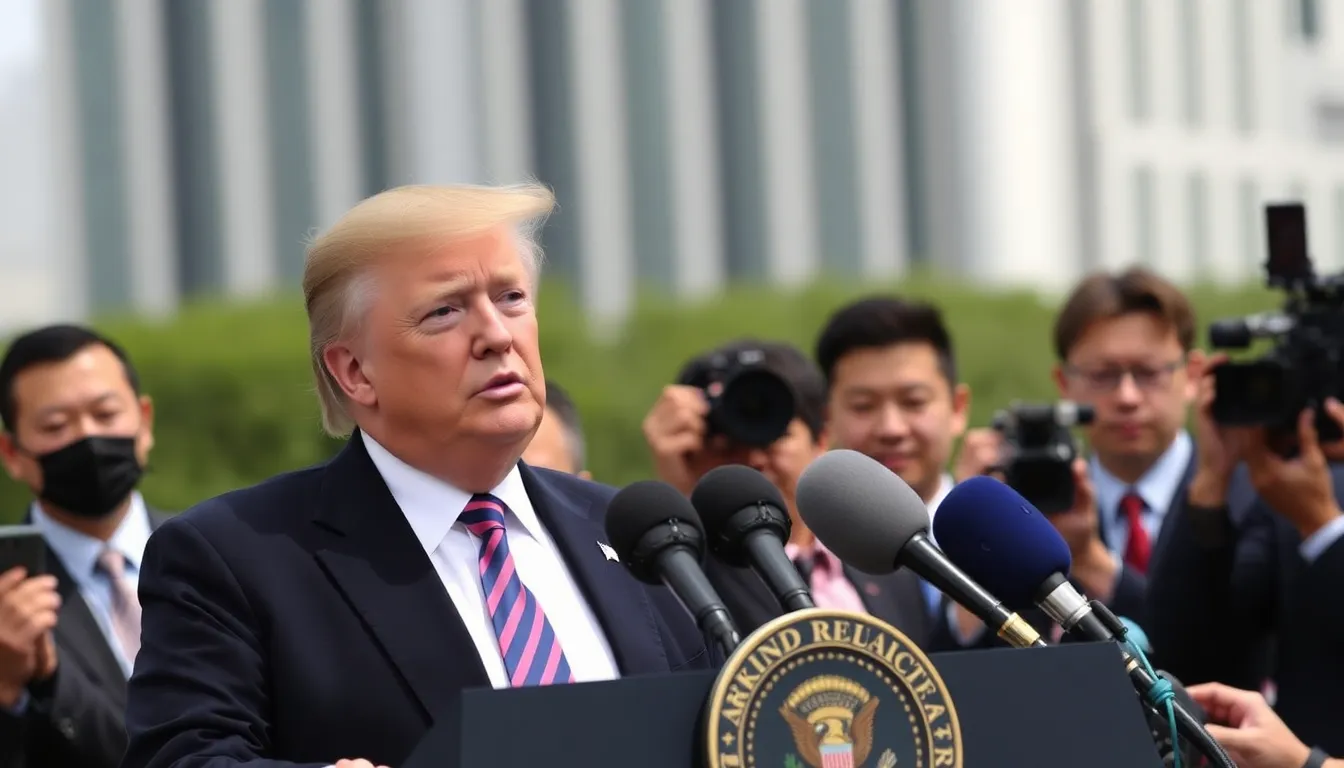
- Increased activism: Heightened public demonstrations in Hong Kong advocating for freedom.
- Business uncertainty: Companies may face challenges in navigating the evolving political landscape.
- Policy shifts: Potential changes in U.S. foreign policy towards China and Hong Kong.
- Human rights focus: Greater international scrutiny on China’s human rights record.
While the risks of escalating tensions and economic instability loom large, there are also potential opportunities for dialogue and reform. The international community may rally around the cause of human rights, leading to collaborative efforts that could foster a more favorable environment for democratic processes in Hong Kong. This could ultimately benefit businesses that prioritize ethical practices and corporate social responsibility.
A: Jimmy Lai is a Hong Kong media tycoon and pro-democracy activist known for his outspoken criticism of the Chinese government. A: Trump believes that releasing Lai would be a significant step towards improving human rights conditions in Hong Kong and easing tensions between the US and China. A: Lai’s imprisonment has sparked international condemnation and raised concerns about the erosion of freedoms in Hong Kong under Chinese rule. A: The US government has consistently criticized Lai’s imprisonment and called for his release as part of its broader stance on human rights in China. A: Trump’s appeal could either strain relations further or serve as a platform for dialogue, depending on China’s response to international pressure.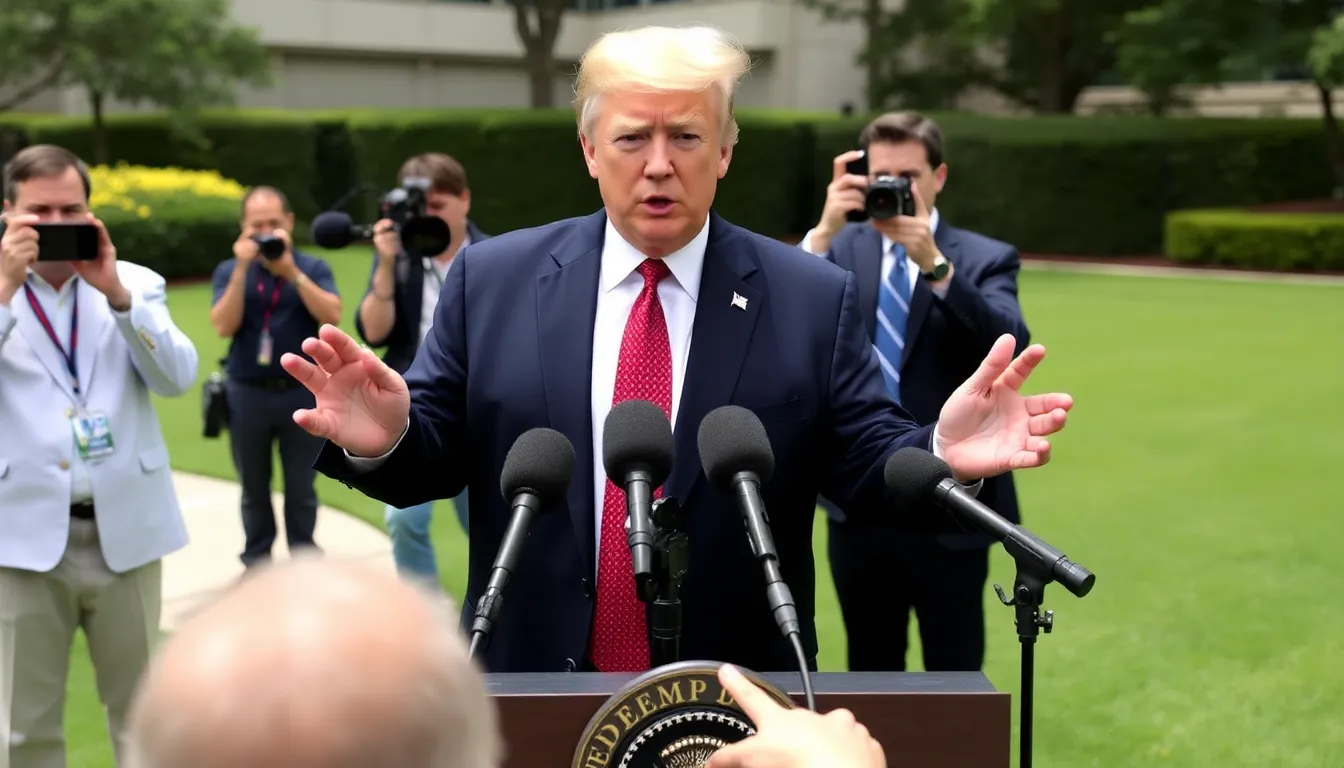
Frequently asked questions about Trump, Xi, and Jimmy Lai
Looking ahead: implications of Trump’s appeal for Jimmy Lai’s freedom
Trump’s recent appeal to Xi Jinping for the release of Jimmy Lai highlights the ongoing tensions between the U.S. and China regarding human rights and political freedoms in Hong Kong. This call not only underscores the plight of political prisoners but also reflects the broader geopolitical landscape, where human rights issues are increasingly becoming a focal point in international relations. As the situation evolves, it is essential to consider the potential ramifications for both U.S.-China relations and the future of democracy in Hong Kong.
Moving forward, the response from Beijing will be critical in shaping the narrative surrounding Jimmy Lai and the broader pro-democracy movement. Observers should remain vigilant about the implications of any actions taken by the Chinese government in response to international pressure and how this might affect Hong Kong’s political landscape and its relationship with the West.
- The potential for increased international pressure on China regarding human rights issues.
- Possible changes in U.S. foreign policy towards China, particularly in relation to Hong Kong.
- The impact of Lai’s situation on Hong Kong’s pro-democracy movement and its global support.
- Beijing’s response to Trump’s appeal and its implications for future diplomatic interactions.
- The role of international organizations in advocating for political prisoners in authoritarian regimes.