


This statistic underscores the ongoing challenges that women face in traditionally male-dominated spaces, much like the issues highlighted in the 1973 Battle of the Sexes.
In response to these concerns, several cities have implemented policies designed to improve the game day experience for female fans. For instance, cities like Chicago and New York have introduced training programs for staff to better handle incidents of harassment. Such measures are essential for creating a supportive atmosphere that encourages women to attend games without fear.
Additionally, the rise of female-led sports organizations and fan groups is reshaping the dynamics of sports fandom. These groups not only advocate for women’s rights within sports but also create community events that foster a sense of belonging among female fans. As these initiatives gain traction, they contribute to a more equitable sports culture that values the voices and experiences of all fans.
Understanding the importance of safety for female sports enthusiasts
The landscape of sports fandom has evolved significantly over the past few decades, with female sports enthusiasts gaining visibility and recognition. Historically, women have faced barriers in sports, from being excluded from participation to being marginalized in fan culture. As female representation in sports has grown, so too has the need for safe and inclusive environments for women attending games.
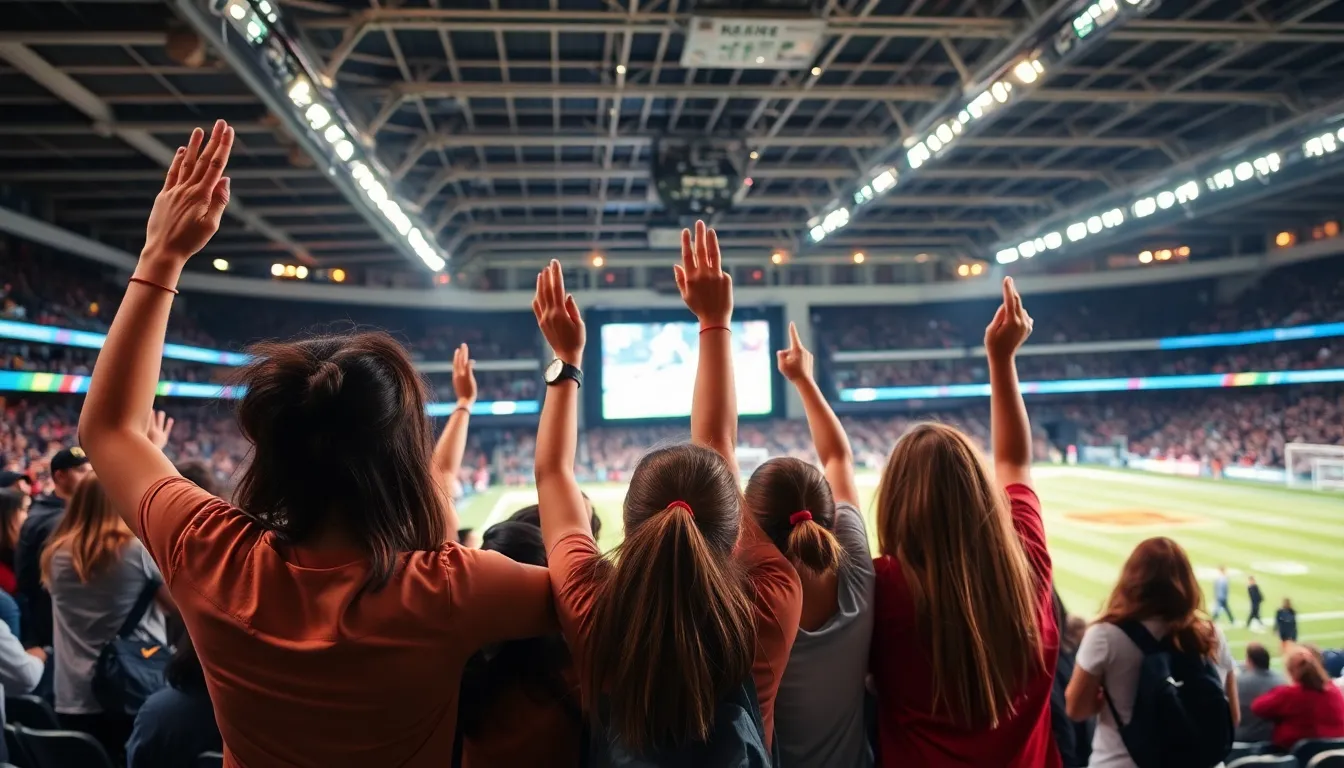
The feminist movements of the 1960s and 1970s began to challenge these norms, paving the way for significant shifts that are still relevant today, similar to the exploration of social change in the Battle of the Sexes.
Recent surveys and studies have highlighted a troubling trend: many female sports fans report feeling unsafe or uncomfortable at games. Issues such as harassment, inadequate security measures, and a lack of female representation among staff can contribute to an unwelcoming atmosphere. As a result, cities and sports organizations are increasingly recognizing the importance of creating safe spaces for female fans, leading to initiatives aimed at improving safety protocols and enhancing the overall game day experience.
Key milestones in the journey towards safer sporting environments
Additionally, the rise of female-led sports organizations and advocacy groups has brought attention to the unique challenges faced by women in sports, which echoes the broader societal movements discussed in Exploring the 187,460 Miles of Road That Led to Rome.
As we look forward to the Best Cities for Female Sports Fans in 2026, it is crucial to consider how these historical and social dynamics have shaped the current landscape. The cities that prioritize safety and inclusivity for female fans will not only foster a more welcoming environment but also set a precedent for others to follow, ultimately enriching the sports culture as a whole.
Key issues affecting female sports fans in urban areas
As cities compete to become the best destinations for female sports fans, various stakeholders play critical roles in shaping the environment and experiences available to this demographic. Key actors include local governments, sports organizations, venue operators, and advocacy groups focused on gender equality in sports. Each of these entities has distinct interests that can sometimes conflict, impacting the overall safety and enjoyment of female fans on game day.
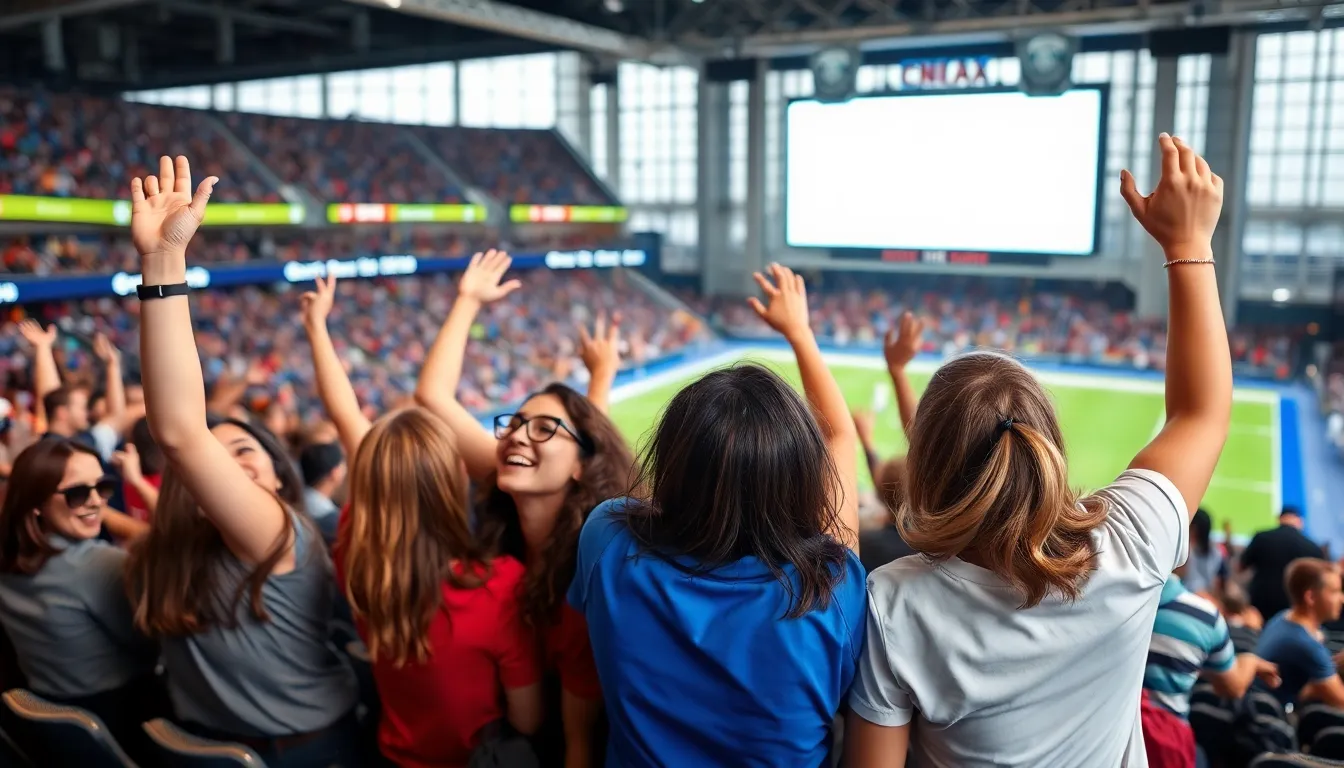
Local governments are often motivated by economic growth and community engagement. They seek to enhance the attractiveness of their cities by promoting events that draw diverse audiences. However, they may face challenges in ensuring public safety and accessibility, particularly in areas where sports venues are located. This can lead to trade-offs between prioritizing economic interests and addressing the safety concerns of female attendees.
Sports organizations, including leagues and teams, are increasingly aware of the need to cater to female fans. Their interests align with expanding their audience base and promoting inclusivity. However, the implementation of policies that enhance safety and comfort for women may require significant investment and commitment, which can be met with resistance from stakeholders focused solely on profitability.
Advocacy groups play a pivotal role in raising awareness about the specific needs and challenges faced by female sports fans. They highlight issues such as harassment, inadequate facilities, and the lack of female representation in sports leadership roles. Their efforts can lead to positive changes, but they may also encounter pushback from traditionalists who resist altering the status quo.
- Safety Concerns: Female fans often report feeling unsafe in and around sports venues, which can deter attendance.
- Access to Facilities: The availability of women-friendly facilities, such as restrooms and safe entry points, remains a critical issue.
- Representation: The lack of female voices in decision-making processes within sports organizations can hinder progress toward inclusivity.
- Economic Trade-offs: Balancing the economic benefits of hosting major events with the need for enhanced safety measures can create tension among stakeholders.
- Community Engagement: Local initiatives aimed at promoting female participation in sports can foster a sense of belonging but require sustained support and resources.
How safety perceptions influence attendance and engagement
The safety perceptions of female sports fans play a crucial role in shaping the landscape of attendance and engagement in sporting events. Cities that prioritize the safety of women during game days are likely to see a significant increase in female attendance, which in turn impacts local economies and community dynamics. The groups most affected by these perceptions include female sports fans, local businesses, and city policymakers.
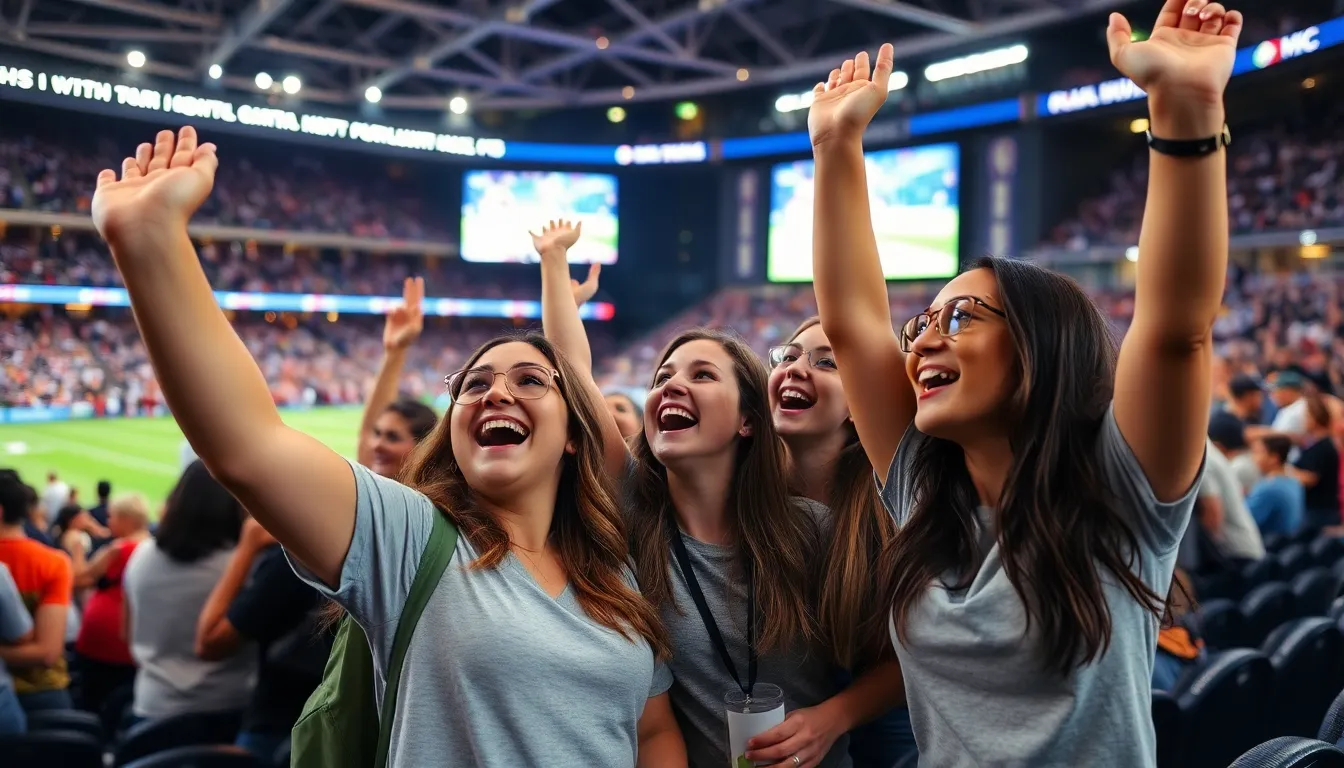
In the short term, cities that are recognized as safe havens for female sports fans can expect a boost in attendance at games, leading to increased revenue for local businesses such as restaurants, hotels, and merchandise shops. This influx of female fans can create a more inclusive atmosphere, encouraging greater participation from diverse demographics. However, cities that fail to address safety concerns may witness a decline in attendance, negatively impacting local economies and reducing the vibrancy of game day experiences.
In the mid-term, the focus on safety can lead to policy changes aimed at improving security measures at sporting venues. This may include increased lighting, enhanced surveillance, and the presence of trained personnel to ensure a safe environment. Such initiatives can foster a sense of community and belonging among female fans, ultimately encouraging greater engagement with sports. Conversely, neglecting these issues could result in long-lasting reputational damage for cities, making them less attractive for future events and impacting their ability to host major sporting competitions.
- Increased attendance: Positive safety perceptions can lead to higher female attendance at games.
- Economic boost: Local businesses may experience increased revenue from the influx of female fans.
- Policy changes: Enhanced safety measures can be implemented to improve the overall experience.
- Community engagement: A safer environment fosters a sense of belonging among female sports fans.
- Reputational risks: Cities that ignore safety concerns may face long-term negative impacts on their image.
Overall, the interplay between safety perceptions and female sports fandom presents both risks and opportunities. While cities that actively promote safety can thrive, those that overlook these vital concerns may find themselves struggling to attract and retain female audiences in the competitive sports landscape.
A: Factors include safety, accessibility, community support, and the presence of female-friendly facilities during events. A: Yes, cities like Seattle and San Francisco have implemented initiatives aimed at enhancing safety for female attendees. A: Female fans can engage with local sports organizations, participate in surveys, and voice their concerns through social media and community forums. A: Sports teams are increasingly taking responsibility by creating inclusive environments, implementing safety protocols, and promoting awareness. A: The presence of female fans fosters a more inclusive sports culture, encouraging diversity and promoting positive changes within the industry.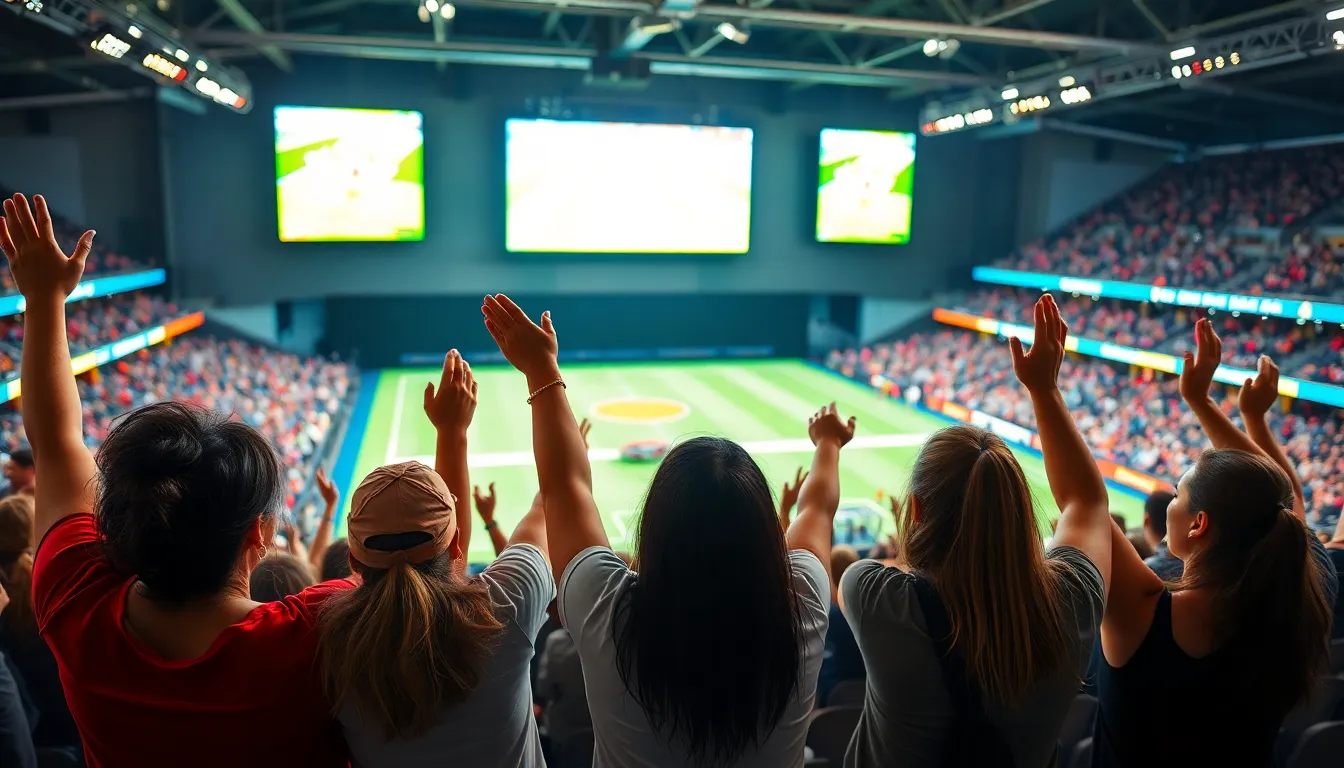
Frequently asked questions about female sports fans
Key takeaways and future outlook for female sports fans
The landscape for female sports fans is evolving, with certain cities emerging as leaders in providing safe and inclusive environments for women on game day. As we look towards 2026, it is essential to recognize the factors contributing to these positive experiences, as well as the areas that still require improvement. Cities that prioritize safety, accessibility, and community engagement will likely attract more female fans, shaping the future of sports culture.
Furthermore, the growing recognition of female sports fans’ preferences and needs can influence teams and organizations to create more tailored experiences. This shift not only enhances the overall game day atmosphere but also fosters a sense of belonging among women in sports, paving the way for increased representation and participation in the industry.
- Cities that invest in safety measures and female-friendly amenities will likely see a rise in female attendance at sporting events.
- Community outreach programs that engage women can strengthen local support for teams and create a more inclusive fan base.
- As awareness of gender disparities in sports continues to grow, organizations may implement initiatives to promote female representation in leadership roles.
- Monitoring trends in female fan engagement can provide insights into evolving preferences, helping teams tailor their offerings effectively.