


In 2020, the club faced significant turmoil, including a winding-up petition that threatened its existence. However, under the leadership of its current owner, the club has seen a resurgence, both on and off the pitch. This transformation is particularly noteworthy as it coincides with the owner’s commitment to sobriety, which he credits to the support and community surrounding the football club. For more on the challenges sports can face, see our article on labor conflicts in the sports industry.
The owner’s story emphasizes the therapeutic nature of sports, showcasing how Macclesfield FC has served as a lifeline for him during his darkest moments. By sharing his experiences, he aims to inspire others who may be struggling with similar issues, reinforcing the idea that sports can be a powerful force for positive change.
As the club moves forward, it not only aims to rebuild its reputation in the football community but also seeks to promote awareness about addiction and recovery. This dual focus on sporting excellence and personal well-being underscores the importance of community support in overcoming adversity.
Background on the Owner’s Struggles with Addiction
The story of Macclesfield FC’s owner is not just one of football but also a poignant narrative of personal struggle and redemption. The owner, who has faced significant challenges with addiction, found solace and purpose in the very club he now oversees. This journey reflects broader societal issues surrounding addiction, mental health, and the role of community in recovery.

Historically, addiction has been a complex issue intertwined with social and economic factors. In the UK, the stigma surrounding addiction often prevents individuals from seeking help, leading to a cycle of despair. The rise of football culture, particularly in towns like Macclesfield, has provided a unique platform where community support can play a crucial role in recovery. The club has become a beacon of hope not just for its players and fans but also for the owner himself, showcasing how sports can foster healing. This dynamic is echoed in our discussion about Celtic’s journey as a source of community resilience.
In recent years, there has been a growing recognition of the impact of addiction on individuals and communities. The owner’s journey mirrors that of many who have battled similar demons, highlighting the importance of support systems. Key milestones in this narrative include the establishment of local initiatives aimed at tackling addiction and the increasing involvement of sports clubs in mental health advocacy. These events have paved the way for a more compassionate understanding of addiction, emphasizing recovery and community engagement.
The Role of Football in Recovery
Football clubs have historically served as community hubs, providing not just entertainment but also a sense of belonging. For the owner of Macclesfield FC, the club represented a second chancea place where he could channel his experiences into something positive. This connection underscores the transformative power of sports, illustrating how football can be a lifeline for those grappling with addiction. As the owner continues to navigate his recovery, his story serves as an inspiration for many, demonstrating that change is possible with the right support and determination.
Key Issues Surrounding Addiction and Football Ownership
The story of Macclesfield FC and its owner highlights the complex relationship between addiction and football club management. This scenario involves various stakeholders, including club owners, fans, local communities, and addiction support organizations, each with their own interests and concerns. The owner’s journey from addiction to recovery not only impacts his personal life but also the operational dynamics of the football club.
One of the primary actors in this situation is the owner of Macclesfield FC, whose personal struggles with addiction have profound implications for his leadership and decision-making. His recovery journey has become a source of inspiration, but it also raises questions about the responsibilities of club ownership and the support systems in place for individuals in similar situations. Fans and local communities are invested in the club’s success, yet they may also be concerned about the owner’s past and how it could affect the club’s future.
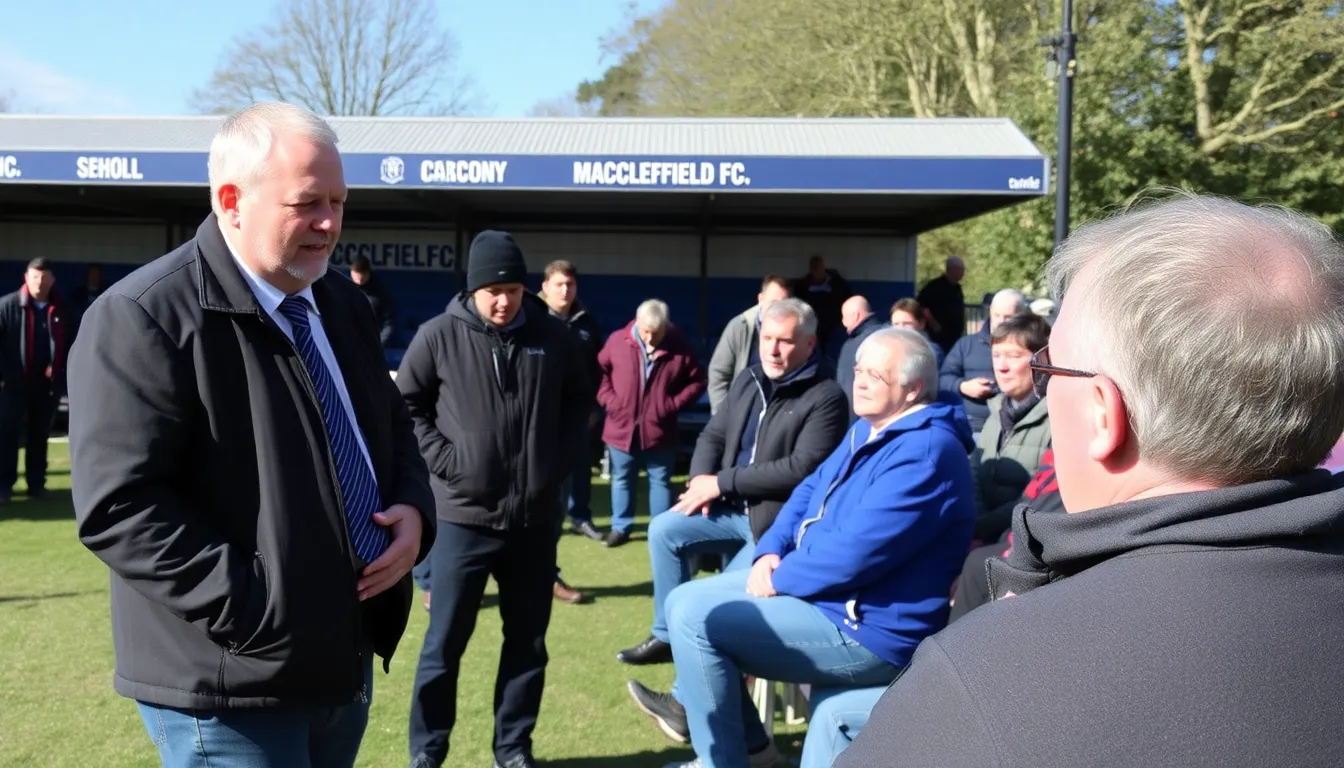
Conflicts may arise between the owner’s personal recovery and the pressures of running a football club. The economic viability of Macclesfield FC is paramount, and the owner must balance his commitment to sobriety with the demands of club management, which can be stressful and challenging. This situation can lead to trade-offs between personal well-being and professional obligations, highlighting the need for adequate support structures for club owners facing similar issues.
- Financial Stability: The club’s economic health is crucial, and addiction can jeopardize financial decision-making.
- Community Impact: The owner’s recovery can inspire the community, but it may also raise concerns about stability and leadership.
- Legal Responsibilities: Club owners have fiduciary duties that can be complicated by personal issues such as addiction.
- Support Systems: The need for robust support networks for individuals in high-pressure roles like club ownership is essential.
In summary, the intersection of addiction and football ownership presents a multifaceted issue that involves various stakeholders with differing interests. The journey of Macclesfield FC’s owner serves as a case study for understanding the broader implications of personal challenges on professional responsibilities within the sports industry.
The Impact of Overcoming Addiction on the Club and Community
The story of Macclesfield FC’s owner overcoming addiction resonates deeply within the local community and beyond. It highlights the struggles faced by individuals battling substance abuse and the transformative power of sports in fostering resilience. This situation affects not only the players and staff of the football club but also the supporters, local businesses, and social services in the region. To explore more on the cultural impact of film and sports, check out our analysis of Maryam Touzani’s ‘Calle Malaga’.
In the short term, the club’s revival can boost local morale, bringing together fans and families who have faced similar challenges. The renewed focus on community engagement can lead to increased attendance at games, benefiting local businesses such as pubs, restaurants, and shops that thrive on matchday foot traffic. Moreover, the narrative of recovery can inspire other individuals dealing with addiction, creating a ripple effect throughout the community.
Mid-term impacts may include a shift in local policies regarding addiction support and mental health initiatives. As Macclesfield FC becomes a beacon of hope, local authorities could be encouraged to invest more in rehabilitation programs and community outreach, fostering a culture of support and understanding. This could lead to greater collaboration between the club and local health services, enhancing the overall well-being of the community.

- Increased community engagement: Enhanced support networks for individuals facing addiction.
- Boost to local economy: Higher foot traffic benefiting local businesses.
- Policy changes: Potential for improved addiction support services and mental health initiatives.
- Inspiration for recovery: A positive example for others struggling with similar issues.
While these developments present significant opportunities, there are also risks to consider. The pressure on the club to maintain its positive image could lead to challenges if issues arise in the future. Additionally, as the club becomes more prominent, it may attract scrutiny from various stakeholders, necessitating careful management of its public relations and community commitments.
A: The owner faced numerous challenges including personal relationships, financial instability, and the stigma associated with addiction. These issues created a difficult environment for both his personal life and his role as a football club owner. A: Football provided a sense of purpose and community for the owner, helping him to focus on positive goals and connect with others. The sport became a therapeutic outlet that aided in his recovery journey. A: Macclesfield FC has implemented various initiatives aimed at promoting mental health awareness, including workshops and community outreach programs. These efforts are designed to create a supportive environment for players and fans alike. A: Yes, the owner’s journey has resonated with many individuals facing addiction, serving as a source of hope and motivation. His story illustrates the possibility of recovery and the positive impact of community support. A: The club plans to continue focusing on community engagement and mental health initiatives while striving for success on the field. The owner’s experience is expected to guide the club’s mission and values moving forward.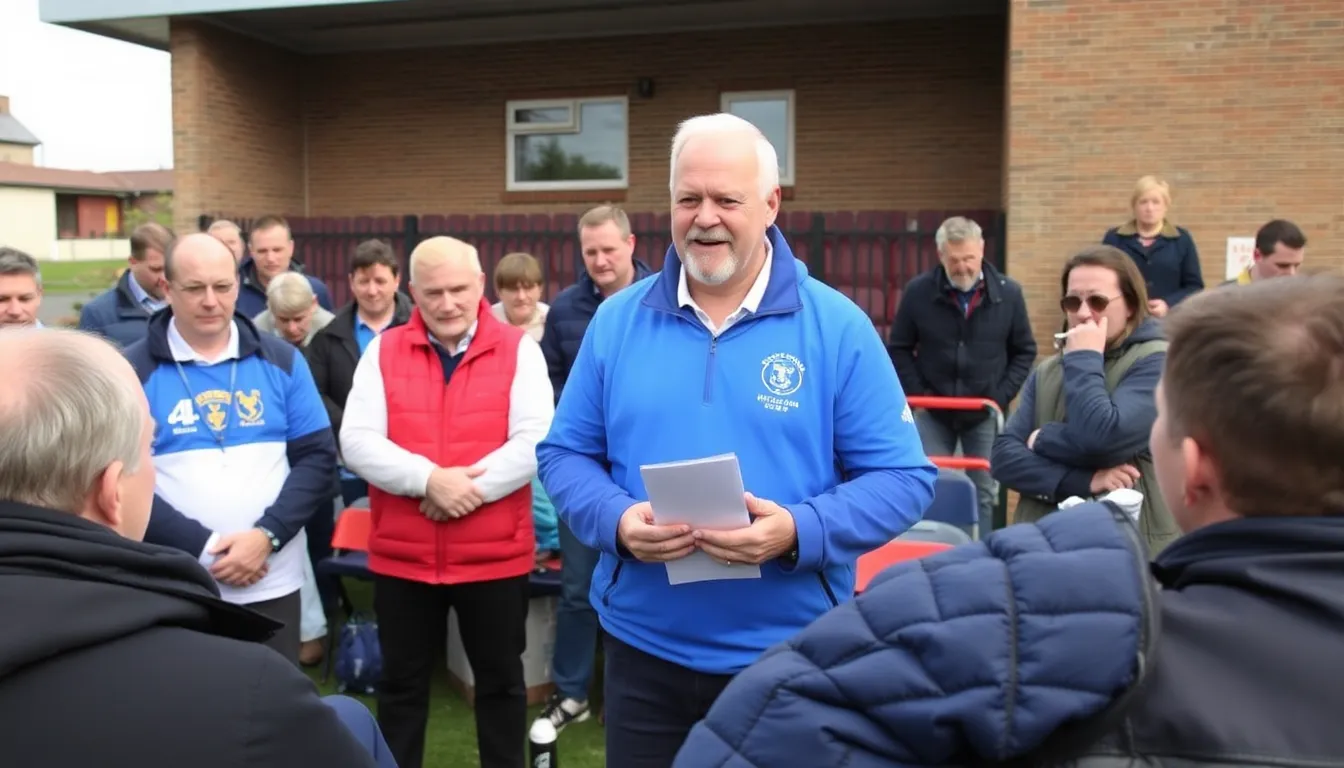
Frequently Asked Questions About the Owner’s Journey
Key Takeaways and Future Outlook for Macclesfield FC
The journey of Macclesfield FC’s owner highlights the profound impact that community and passion can have on personal recovery. Through his commitment to the club, he has not only fostered a sense of belonging but has also created a platform for positive change. This transformation serves as a reminder of the potential for sports to play a pivotal role in individual lives and community engagement.
As Macclesfield FC moves forward, the lessons learned from this experience may influence both the club’s operations and its relationship with fans. The focus on mental health and well-being, alongside sporting success, can pave the way for a more inclusive and supportive environment.
- Community engagement initiatives can enhance the club’s role as a local support system.
- Promoting mental health awareness within sports can lead to healthier environments for players and fans alike.
- Investing in recovery programs can attract diverse talent and foster a culture of resilience.
- Leveraging personal stories of recovery can strengthen the club’s brand and connect with a broader audience.
- Continued emphasis on the holistic development of individuals associated with the club can yield long-term benefits for both players and supporters.