


The United States government has urged both Thailand and Cambodia to de-escalate the conflict, emphasizing the importance of diplomatic dialogue. The U.S. State Department issued a statement on October 15, calling for an immediate cessation of hostilities and urging both nations to resolve their differences peacefully. This intervention highlights the strategic interests of the U.S. in maintaining stability in Southeast Asia.
International reactions have varied, with neighboring countries expressing concern over the potential for wider conflict. ASEAN, the Association of Southeast Asian Nations, has called for a meeting to address the situation, reflecting the organization’s commitment to regional peace and security. As tensions continue to rise, the risk of further military engagement poses a threat not only to Thailand and Cambodia but also to the broader regional stability.
The clashes come amid a backdrop of political instability in both countries, with domestic issues exacerbating the situation. Analysts suggest that nationalistic sentiments may be driving the conflict, as leaders seek to rally public support. As the situation develops, the international community remains watchful, hoping for a swift resolution to prevent further escalation.
Historical context of Thailand-Cambodia relations
The relationship between Thailand and Cambodia has been marked by a complex history of territorial disputes, cultural ties, and political tensions. Both nations share a border that has been a source of conflict for centuries, particularly over areas that are rich in historical and archaeological significance, such as the Preah Vihear Temple. This temple, a UNESCO World Heritage site, has been at the center of a long-standing dispute, with both countries claiming ownership based on historical claims and national pride.

In the late 19th century, the colonial powers of France and Britain played a significant role in shaping the borders of Southeast Asia, including those of Thailand and Cambodia. The borders established during this period have continued to influence relations between the two nations. The most notable conflict emerged in the early 2000s when Cambodia brought the dispute over Preah Vihear Temple to the International Court of Justice, which ruled in favor of Cambodia in 1962. However, the ruling did not resolve the tensions, and skirmishes continued in the following decades.
Economically, both countries have sought to leverage their geographical proximity to enhance trade and tourism. Thailand has been a significant investor in Cambodia, particularly in sectors such as construction and telecommunications. However, economic interests have often been overshadowed by political disputes, leading to a cycle of cooperation and conflict. This has created a volatile environment where economic ties are frequently tested by nationalist sentiments and historical grievances.
Recent Clashes and Political Dynamics
In recent years, clashes have erupted intermittently along the border, often fueled by nationalistic rhetoric and political instability within both countries. The rise of populist leaders has exacerbated tensions, with politicians using the historical disputes to rally support. The situation has been further complicated by external influences, including the strategic interests of larger powers in the region, which often take sides based on their geopolitical goals.
The ongoing clashes have prompted international calls for restraint, with the United States recently urging both Thailand and Cambodia to cease hostilities. This call reflects a broader concern about stability in Southeast Asia, where unresolved territorial disputes can have regional implications. The historical context of these relations is crucial to understanding the current dynamics and the challenges both nations face in achieving lasting peace.
Key stakeholders and issues in the conflict
The ongoing clashes between Thailand and Cambodia have drawn the attention of various stakeholders, each with distinct interests and concerns. At the forefront are the governments of Thailand and Cambodia, whose territorial disputes and national pride are at stake. Both nations are keen to assert their sovereignty while managing domestic pressures and international perceptions.
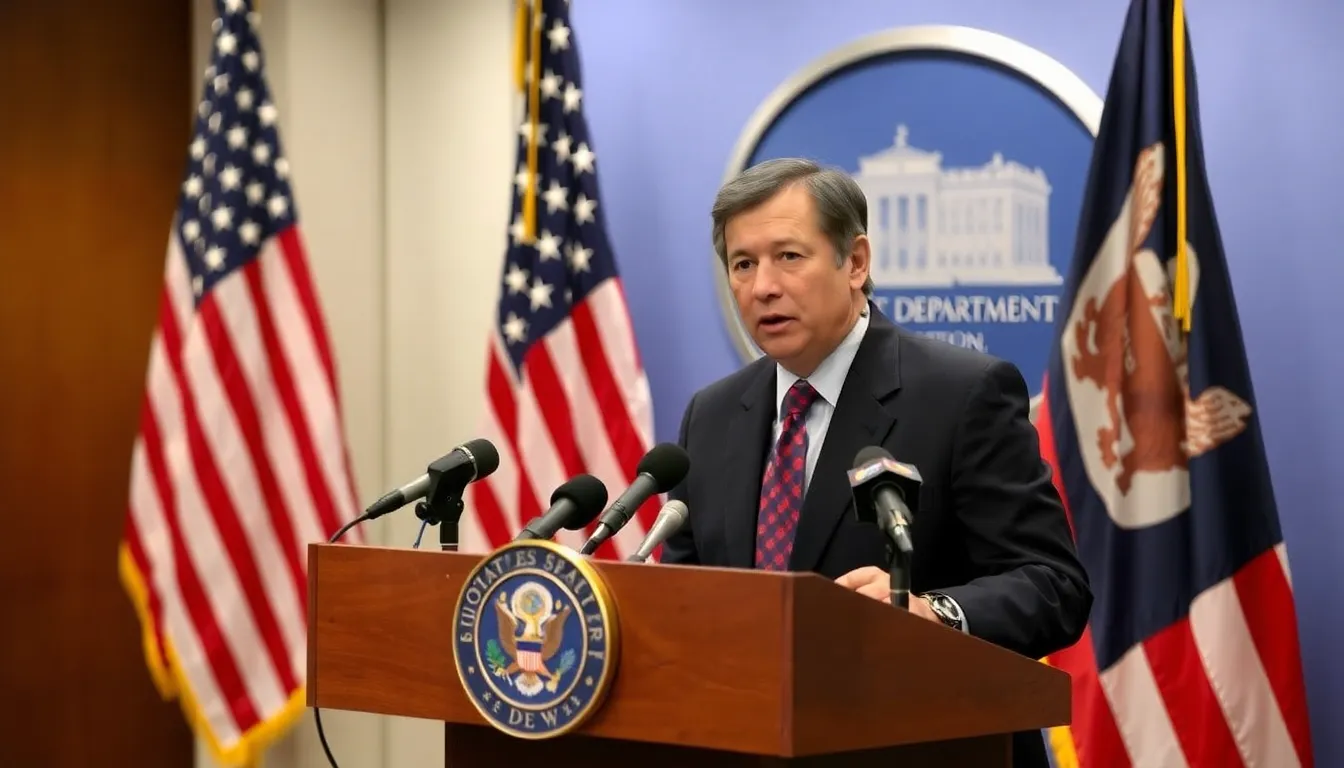
Another critical actor in this situation is the United States, which has urged both countries to cease hostilities. The U.S. aims to maintain stability in Southeast Asia, a region of strategic importance due to its economic potential and geopolitical significance. By intervening, the U.S. seeks to reinforce its role as a mediator and a promoter of peace in the region.
Additionally, regional organizations such as the Association of Southeast Asian Nations (ASEAN) play a significant role in addressing the conflict. ASEAN’s principles emphasize non-interference and consensus-building, making it a challenging environment for conflict resolution. However, the organization’s involvement is crucial for fostering dialogue and cooperation among member states.
- Territorial disputes: The root of the conflict lies in overlapping territorial claims, particularly around historical sites and border areas.
- Domestic pressures: Both governments face internal political challenges that may influence their responses to the conflict.
- Economic implications: Continued clashes could disrupt trade and investment flows between the two nations and with external partners.
- International relations: The conflict affects bilateral relations with major powers, including the U.S. and China, which have vested interests in the region.
- Humanitarian concerns: Ongoing violence raises issues related to civilian safety and humanitarian aid, necessitating attention from international organizations.
Impact on local populations and regional stability
The ongoing clashes between Thailand and Cambodia are significantly affecting local populations, particularly those residing near the border regions. Families are facing displacement, and communities are experiencing heightened tensions as military presence increases. The uncertainty surrounding the conflict is leading to anxiety among residents, impacting their daily lives and overall well-being.
Industries reliant on cross-border trade, such as agriculture and tourism, are also feeling the repercussions. Farmers who depend on the free movement of goods may face disruptions, leading to potential losses in income. Additionally, the tourism sector, which attracts visitors to both countries, is likely to suffer as safety concerns deter travelers.

- Increased military presence and checkpoints affecting daily commutes.
- Disruption of trade routes impacting local businesses.
- Tourism decline leading to economic losses in hospitality sectors.
In the short term, businesses may struggle with supply chain interruptions and a decrease in consumer confidence. As tensions rise, local markets could see fluctuations in prices, particularly for goods that rely on cross-border transport. In the mid-term, if hostilities continue, governments may implement stricter policies that could affect trade agreements and regional cooperation efforts.
However, there are potential opportunities amid the risks. A resolution to the conflict could foster stronger diplomatic relations between the two nations, paving the way for enhanced collaboration in trade and security. Additionally, NGOs and humanitarian organizations may step in to provide aid and support, creating a framework for community rebuilding efforts that could strengthen local economies in the long run.
A: The clashes are rooted in long-standing territorial disputes, particularly over areas near ancient temples. Recent provocations have reignited tensions, leading to armed confrontations. A: The US has urged both nations to cease hostilities and engage in dialogue to resolve their differences peacefully. This call reflects concerns over regional stability. A: Continued fighting could lead to humanitarian crises, displacement of civilians, and further destabilization of the region, impacting trade and diplomatic relations. A: Yes, various international organizations and neighboring countries have expressed willingness to mediate and facilitate discussions between Thailand and Cambodia. A: The disputed areas often hold cultural and historical significance for both nations, particularly concerning ancient temples that are considered heritage sites.
Frequently asked questions about the conflict
Outlook on the future of Thailand-Cambodia relations
The ongoing clashes between Thailand and Cambodia highlight the fragility of their bilateral relations, which have been strained by historical disputes and territorial disagreements. As the U.S. calls for a cessation of hostilities, the response from both nations will be critical in determining the path forward. The international community’s involvement may play a significant role in mediating tensions and fostering dialogue between the two countries.
Moving forward, it is essential to monitor how both governments address the underlying issues that have led to these conflicts. The potential for diplomatic engagement or escalation remains, and the actions taken in the coming weeks will be pivotal for regional stability and cooperation.
- Increased Diplomatic Efforts: Watch for potential diplomatic initiatives from ASEAN or other international actors aimed at de-escalating tensions.
- Impact on Regional Alliances: The situation may affect alliances within Southeast Asia, influencing how neighboring countries respond to similar disputes.
- Domestic Political Reactions: Observe how domestic politics in Thailand and Cambodia shape their leaders’ responses to external pressures and public sentiment.
- Economic Implications: Consider the economic consequences of prolonged conflict, particularly on trade and investment between the two nations.
- Long-term Resolutions: Keep an eye on any moves towards long-term resolutions, including potential agreements on disputed territories or joint resource management.