


The release of these diaries comes at a significant moment, as Sarkozy remains a prominent figure in French politics, despite his legal troubles. His reflections touch on themes of isolation, regret, and resilience, resonating with both supporters and critics alike, and reigniting discussions about his legacy, particularly in light of similar stories of public figures facing legal issues.
In March 2021, Sarkozy was sentenced to three years in prison, with two of those years suspended, for attempting to bribe a judge in exchange for information on a legal case. His diaries, which were made public in late October 2023, not only recount his daily life in prison but also his broader views on justice and political accountability.
The publication has sparked varied reactions across the political spectrum, with some praising his candidness while others criticize it as an attempt to garner sympathy. As the political landscape in France continues to evolve, Sarkozy’s reflections may influence public perception and debate surrounding his controversial legacy.
Understanding the circumstances leading to Sarkozy’s imprisonment
Former French President Nicolas Sarkozy’s imprisonment is a significant chapter in the ongoing saga of political corruption and legal accountability in France. Sarkozy, who served as president from 2007 to 2012, has faced numerous legal challenges since leaving office, culminating in a conviction for corruption and influence peddling in 2021, which parallels the experiences outlined in recent high-profile cases.

The backdrop of Sarkozy’s legal troubles can be traced to various allegations of financial misconduct, including accusations related to campaign financing and illicit funding from foreign sources. Notably, the investigation into his 2007 presidential campaign revealed potential irregularities, raising questions about the integrity of the electoral process in France. This led to a broader examination of the political culture in the country, where the intertwining of politics and business often sparks controversy.
The Legal Landscape
The French legal system has seen several high-profile cases involving former politicians, which has fostered a climate of accountability. Sarkozy’s imprisonment followed a series of legal battles that began with his initial indictment in 2014. The case against him was bolstered by wiretaps and testimonies that revealed his attempts to solicit favours from judges. This marked a turning point in the perception of political corruption in France, as it underscored the potential consequences for those in power.
Moreover, Sarkozy’s imprisonment came at a time when public sentiment in France was increasingly intolerant of political corruption. The Yellow Vest protests and other movements highlighted widespread dissatisfaction with the political elite, creating an environment where accountability was demanded. Sarkozy’s release of his prison diaries serves not only as a personal reflection on his time behind bars but also as a commentary on the broader issues of trust and integrity within French politics.
Key issues surrounding Sarkozy’s legal battles and public perception
Former French President Nicolas Sarkozy’s release of his prison diaries has reignited discussions about his legal troubles and the broader implications for political accountability in France. His diaries, detailing his 20 days behind bars, provide a personal insight into his experience and highlight the ongoing tensions between public figures and the judicial system.
Key stakeholders in this situation include Sarkozy himself, the French judiciary, political opponents, and the public. Sarkozy’s primary interest lies in shaping his narrative and mitigating the damage to his reputation. The judiciary, on the other hand, aims to uphold the law and demonstrate that no one is above it, regardless of their political stature. Political opponents may leverage Sarkozy’s legal issues to undermine his influence and credibility, while the public grapples with the implications of his actions and the judicial process.
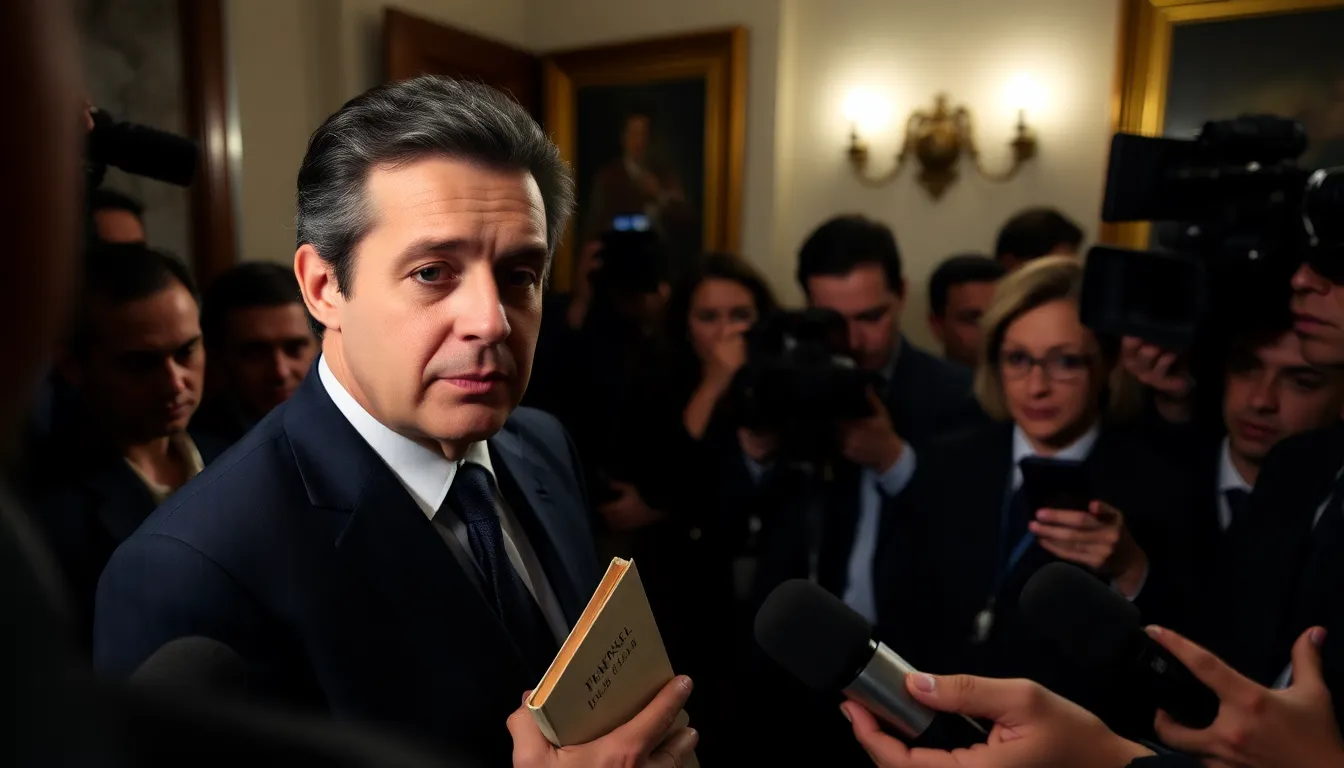
Several key issues arise from this scenario:
- Legal Accountability: Sarkozy’s legal battles raise questions about the effectiveness of the judicial system in holding powerful individuals accountable.
- Public Trust: The release of his diaries may affect public perception of the integrity of political leaders and the justice system.
- Political Polarization: Sarkozy’s supporters and detractors may become further entrenched in their views, leading to increased political division.
- Media Influence: The media’s portrayal of Sarkozy’s situation can shape public opinion and influence future political dynamics.
In addition to these issues, the economic implications of Sarkozy’s legal troubles cannot be overlooked. The costs associated with legal defenses and potential penalties could impact his financial standing and, by extension, his political ambitions. Furthermore, the ongoing legal battles may divert attention from pressing national issues, affecting governance and public policy.
The implications of Sarkozy’s diaries on public opinion and political landscape
The release of Nicolas Sarkozy’s prison diaries provides a unique glimpse into the former president’s experience during his incarceration. This revelation is likely to affect various groups, including political analysts, his supporters, and critics, as well as the broader French public, much like Michelle Obama’s insights that have influenced public perception and discussion.
In the short term, Sarkozy’s diaries may reignite discussions about legal accountability for political figures, prompting debates among policymakers and citizens alike. The revelations could lead to increased scrutiny of the judicial system and its treatment of high-profile individuals, potentially affecting public trust in legal institutions. This scrutiny may also extend to the political parties associated with Sarkozy, particularly The Republicans, as they navigate the implications of his experiences.
From a business perspective, the diaries could impact industries related to media and publishing. Publishers may see a surge in interest for political memoirs and biographies, capitalizing on the public’s fascination with political figures’ personal narratives. Additionally, media outlets may experience increased viewership and engagement as they cover the unfolding reactions to Sarkozy’s revelations.
- Short-term risks: Increased polarization among political factions and potential backlash against Sarkozy.
- Mid-term opportunities: Growth in publishing and media sectors driven by heightened interest in political narratives.
- Potential policy impacts: Calls for reforms in the judicial process for political figures.
As the public digests the contents of Sarkozy’s diaries, the potential for both division and dialogue emerges. While some may view his reflections as an opportunity for empathy and understanding, others may see them as a means to further entrench existing political divides. The overall impact will depend significantly on how various stakeholders respond to these revelations in the coming weeks and months.
A: Sarkozy felt compelled to document his experiences to provide a personal account of his time in prison and reflect on the impact it had on his life. A: The public response has been mixed, with some expressing sympathy while others criticize him for seeking attention after his legal troubles. A: Yes, Sarkozy shares personal insights and emotions, detailing his thoughts on justice, politics, and his legacy during his confinement. A: The release may raise questions about privacy and ongoing legal matters, as some content could be sensitive or controversial. A: It is likely, as he has indicated a desire to remain active in political discourse and share his perspective on current events.
Frequently asked questions about Sarkozy’s prison diaries
Looking ahead: what Sarkozy’s diaries mean for his future
As Nicolas Sarkozy shares insights from his 20 days in prison, the implications extend beyond personal reflection. His diaries reveal not only his emotional state but also highlight the broader political landscape in France. The release of these writings may influence public perception and reshape his legacy, while also potentially impacting the political ambitions of other figures within the French political sphere.
Moving forward, attention will be drawn to how Sarkozy’s revelations resonate with the electorate and affect his standing within the Republican party. The diaries could serve as a catalyst for discussions around justice, accountability, and the political elite’s relationship with the public. Observers should remain vigilant about the potential for renewed political activity from Sarkozy and the reactions from his supporters and detractors alike.
- Public Sentiment: Monitor shifts in public opinion regarding Sarkozy as he navigates his post-prison life.
- Political Repercussions: Watch for potential ramifications within the Republican party and how they may respond to Sarkozy’s revelations.
- Media Narrative: Analyze how the media frames Sarkozy’s diaries and the implications for his political legacy.
- Future Ambitions: Consider the likelihood of Sarkozy re-entering the political arena and what that could mean for upcoming elections.
- Legal Landscape: Stay informed about any ongoing legal issues that may arise as a result of his writings or past actions.