


Obama reflected on specific events, including her appearance at the 2009 inaugural ball, where she wore a stunning white gown designed by Jason Wu. This choice marked a pivotal moment in fashion history, as it symbolized a break from traditional norms and embraced a modern aesthetic that resonated with many.
Throughout the podcast, she emphasized the importance of clothing as a form of self-expression. By revealing the stories behind her outfits, Obama invites listeners to consider how fashion can influence public perception and personal confidence, particularly for women in leadership roles.
The episode, part of a broader trend of celebrities discussing their personal narratives, underscores the intersection of fashion and social issues. As listeners tune in, they gain a deeper understanding of how style can serve as a platform for dialogue on race, gender, and empowerment.
The significance of fashion in Michelle Obama’s public persona
Michelle Obama, the former First Lady of the United States, has long been recognized not only for her advocacy and policy initiatives but also for her impactful fashion choices. From her first public appearances as First Lady in 2009, Obama used clothing as a means of self-expression and cultural representation, often choosing designers who reflected her heritage and values. This conscious approach to fashion helped redefine the role of style in politics, showing that clothing could be a powerful tool for communication and influence, much like art can convey important messages.
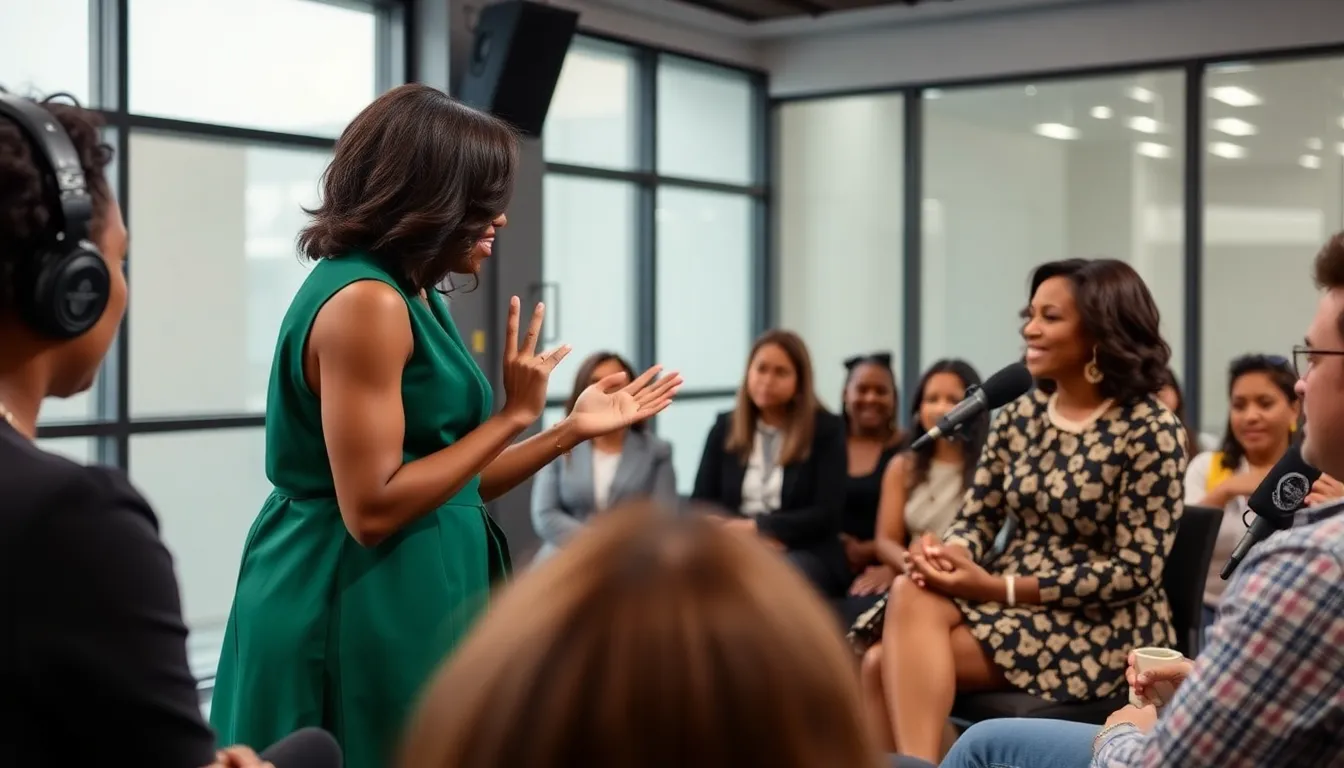
Historically, First Ladies have utilized fashion to convey messages about their personal style and the issues they champion. However, Michelle Obama took this a step further by often wearing outfits that celebrated American designers and highlighted diversity in the fashion industry. Her choices sparked discussions about race, body image, and the importance of representation, making her a fashion icon not just for her elegance but for her ability to weave social commentary into her wardrobe.
Key milestones in Michelle Obama’s fashion journey
Throughout her tenure, several key milestones marked Michelle Obama’s fashion journey. One notable moment was her choice to wear a stunning Jason Wu gown at the Inaugural Ball in 2009, which not only showcased an emerging designer but also set the tone for her style as First Lady. Additionally, her appearance on the cover of Vogue multiple times and her collaboration with brands like Target and J.Crew highlighted her influence in mainstream fashion.
Moreover, Michelle Obama’s “Let’s Move!” initiative, aimed at combating childhood obesity, was complemented by her fashion choices that promoted health and fitness. Outfits that were both stylish and practical became synonymous with her public image, further emphasizing the connection between fashion and social issues. This blend of style and substance has left a lasting legacy, encouraging future leaders to consider the impact of their public appearances.
As she continues to share insights about her most famous outfits through various podcasts, listeners gain a deeper understanding of the thought processes behind her fashion decisions. These discussions not only reveal the personal significance of each outfit but also reflect broader societal themes, making her style choices a fascinating lens through which to view contemporary issues in politics and culture.
How Michelle Obama’s style choices reflect cultural and social issues
Michelle Obama’s fashion choices have often transcended mere aesthetics, intertwining with broader cultural and social narratives. As a former First Lady, her wardrobe has served as a platform for commentary on issues such as race, gender, and empowerment. Each outfit she has worn has often sparked discussions about representation and identity, particularly for women of color in America.
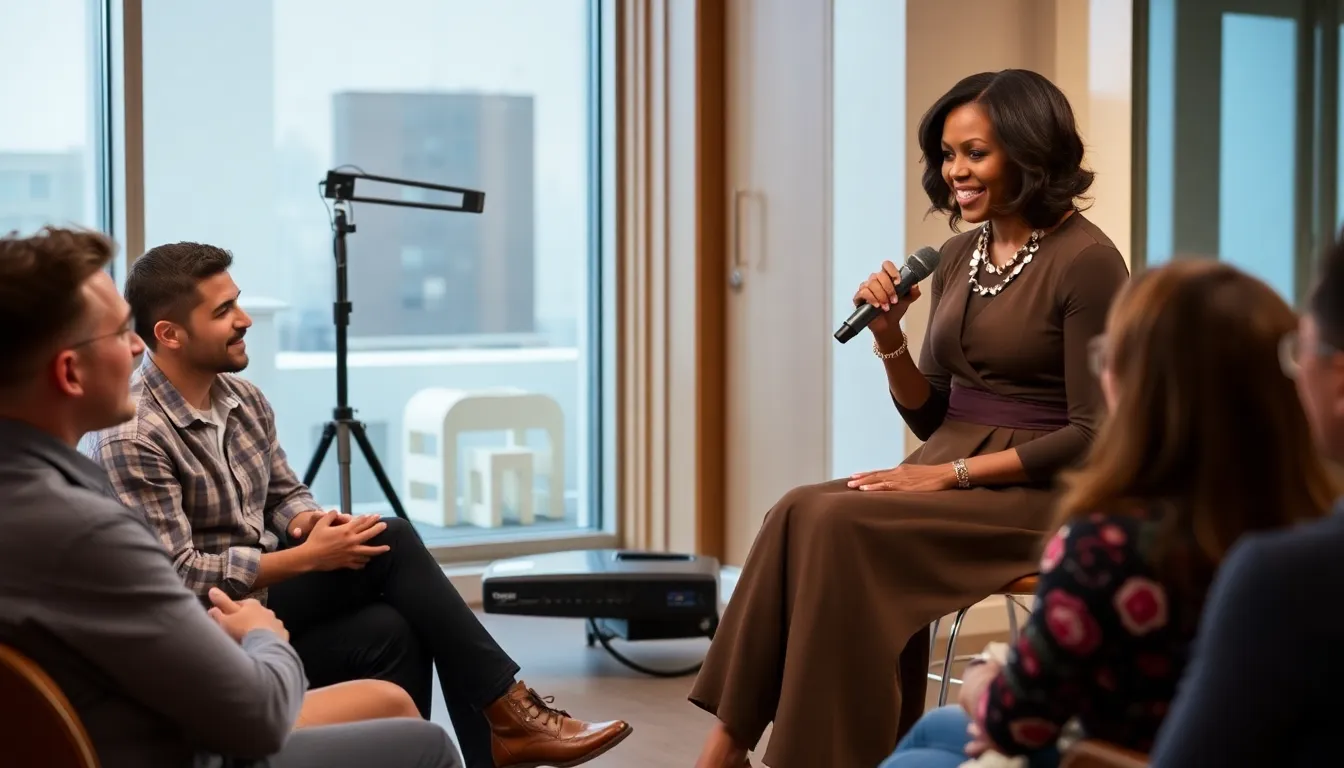
Key stakeholders in this dialogue include fashion designers, cultural commentators, and advocacy groups. Designers such as Jason Wu and Isabel Toledo, who have dressed Obama, have seen their careers propelled by her choices. Meanwhile, cultural commentators analyze the implications of her style, often highlighting how it challenges traditional norms and expectations placed on women in public life.
Moreover, the media plays a crucial role in shaping public perception of her style. The coverage can create a dichotomy between admiration and scrutiny, particularly regarding the economic implications of her fashion choices. Critics may argue that high-end fashion can alienate certain demographics, while supporters contend that her choices promote diversity and inclusivity within the fashion industry.
- Representation: Michelle Obama’s outfits often symbolize the representation of African American women in high-profile positions.
- Empowerment: Her style choices encourage women to embrace their individuality and express themselves through fashion.
- Economic Impact: The popularity of her outfits can significantly boost the visibility and sales of the designers she chooses to wear.
- Cultural Commentary: Each outfit can serve as a statement on contemporary social issues, sparking discussions beyond fashion.
In examining these dynamics, it becomes clear that Michelle Obama’s style is not just about personal expression; it is a reflection of ongoing societal conversations regarding race, identity, and the evolving role of women in leadership. Her influence extends beyond the realm of fashion, impacting cultural perceptions and inspiring future generations to engage with these critical issues.
The influence of Michelle Obama’s fashion on current trends and audiences
Michelle Obama’s fashion choices have long resonated with various demographics, particularly young women and aspiring professionals. Her ability to blend style with substance has inspired many to embrace fashion as a means of self-expression. The fashion industry, including designers, retailers, and influencers, is particularly affected as they adapt to the trends she sets.
In the short term, the impact of Michelle Obama’s revelations about her outfits can lead to a surge in interest in similar styles, prompting retailers to stock up on comparable pieces. This can boost sales for brands that align with her aesthetic, particularly those focusing on sustainable and inclusive fashion. Additionally, podcasts discussing her style may draw in new audiences, creating a ripple effect in the media landscape.
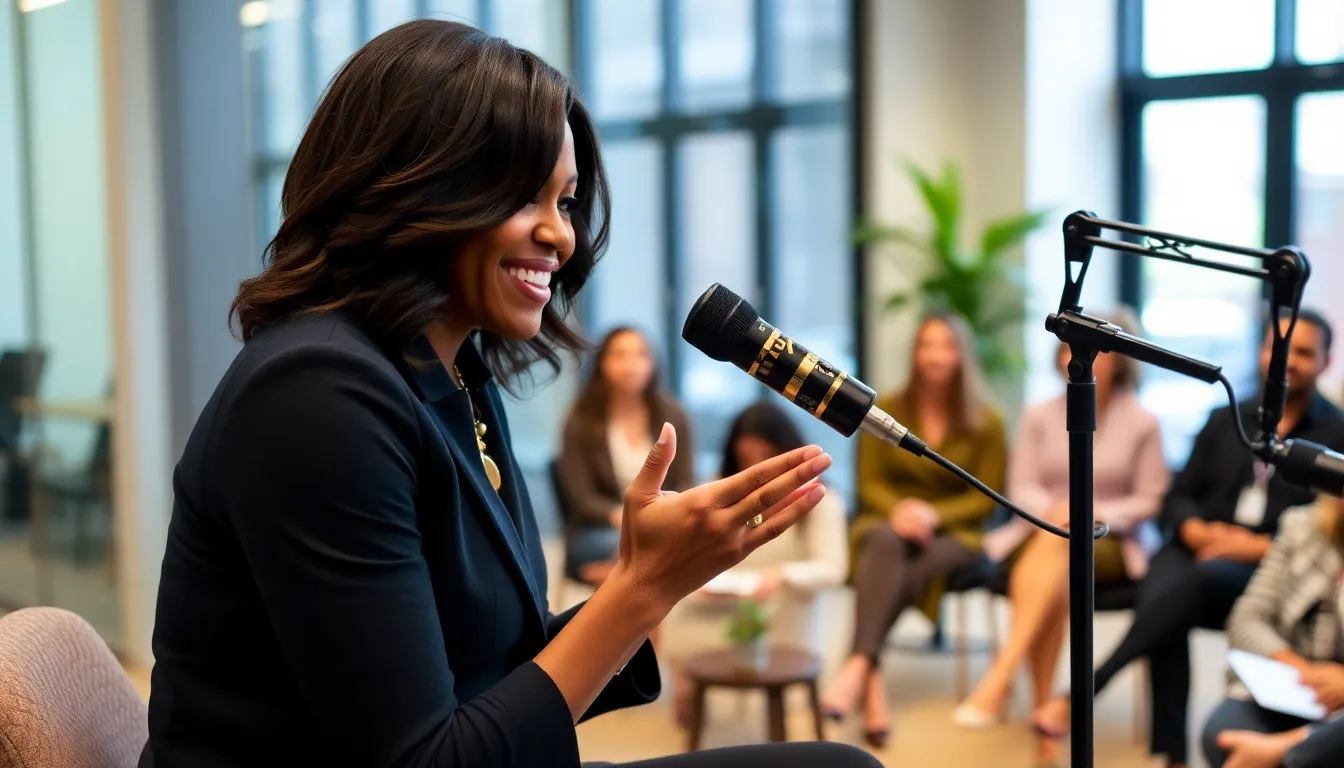
Mid-term, the influence of her fashion insights may encourage a shift in industry standards, promoting diversity and representation in fashion. This could lead to more brands prioritizing ethical practices and inclusivity, reshaping consumer expectations. However, there is a risk that some brands may exploit the trend without genuine commitment to these values, potentially leading to consumer skepticism.
- Opportunities: Increased sales for brands aligned with her fashion sense.
- Risks: Potential for greenwashing or inauthentic brand messaging.
- Impact on media: Growth in fashion-related content and discussions in podcasts.
- Influence on industry standards: Push for more diverse and ethical fashion practices.
Ultimately, the conversation sparked by Michelle Obama’s insights into her wardrobe extends beyond mere fashion; it touches on broader societal themes, influencing how audiences perceive style, identity, and responsibility within the industry.
A: Michelle Obama’s fashion choices are often inspired by her values, cultural heritage, and the messages she wants to convey. She aims to blend elegance with relatability, making her style accessible to a wide audience. A: The best podcasts featuring Michelle Obama can be found on major platforms like Spotify, Apple Podcasts, and Google Podcasts. Look for episodes that focus on her fashion insights and personal stories. A: Michelle Obama’s style has evolved from formal and traditional looks during her time as First Lady to more relaxed and contemporary outfits that reflect her personal growth and current lifestyle. A: Some of Michelle Obama’s most iconic outfits include her inaugural ball gown by Jason Wu, the stunning red dress she wore to the 2016 Democratic National Convention, and her casual yet chic looks during public appearances. A: Michelle Obama often uses her outfits to make statements about empowerment, diversity, and sustainability, choosing designers and styles that reflect these values.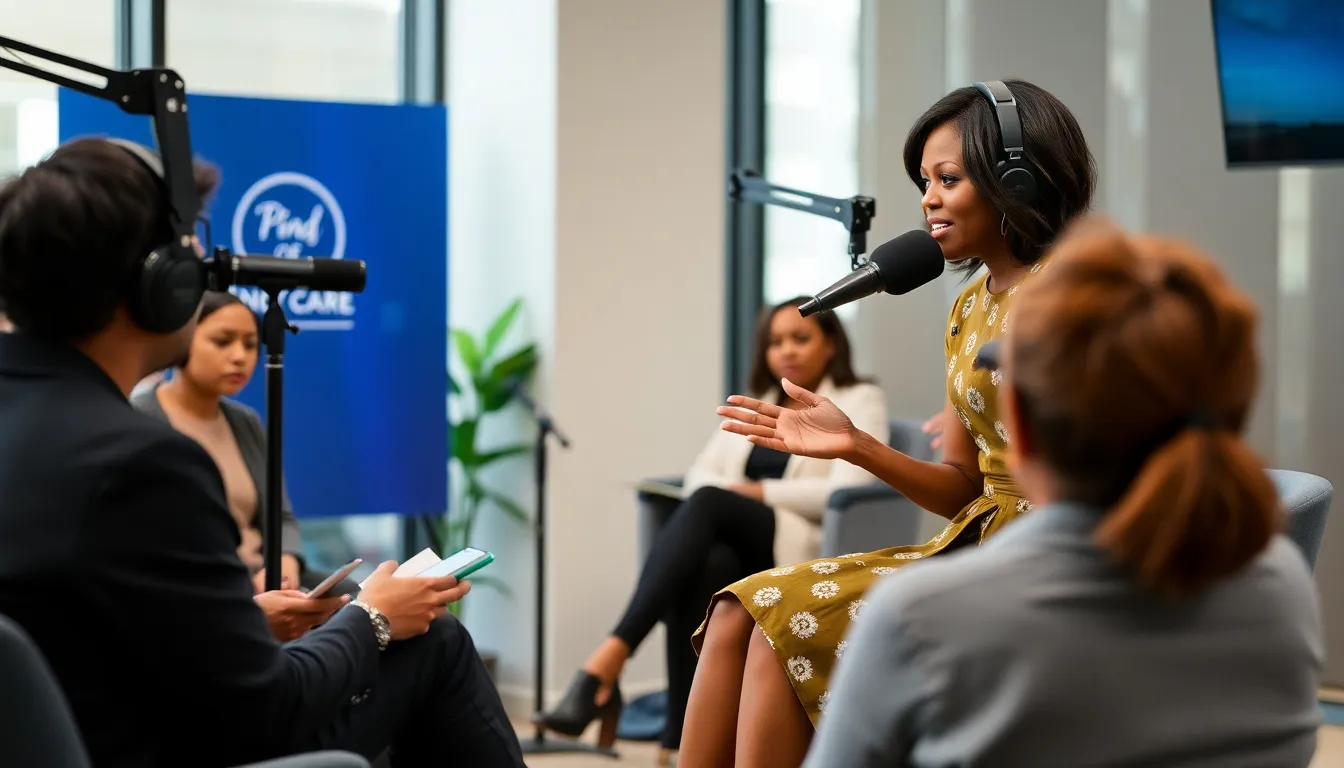
Frequently asked questions about Michelle Obama’s fashion and podcasts
Key takeaways and future outlook on Michelle Obama’s fashion influence
Michelle Obama’s exploration of her most iconic outfits reveals not only her personal style evolution but also the broader implications of fashion as a form of self-expression and empowerment. As she shares the stories behind her wardrobe choices, it becomes evident that clothing can serve as a powerful tool for communication and identity, reflecting cultural narratives and personal journeys.
Looking ahead, the intersection of fashion and social messages will likely continue to grow, with public figures increasingly using their platforms to influence trends and inspire change. The insights gained from Michelle Obama’s experiences can guide future discussions around inclusivity, sustainability, and the role of fashion in shaping societal values.
- Fashion can be a powerful medium for storytelling, highlighting personal and cultural narratives.
- Public figures have the potential to drive conversations around inclusivity and representation in the fashion industry.
- As sustainability becomes a priority, expect to see a shift towards more environmentally conscious fashion choices.
- Personal style is increasingly recognized as a form of self-empowerment and confidence-building.
- Engagement with fashion podcasts can provide deeper insights into the evolving landscape of style and culture.