


In light of these discussions, UK Prime Minister Rishi Sunak emphasized the necessity for Europe to increase its economic pressure on Russia. This call to action reflects a broader strategy among European nations to collectively respond to Russia’s aggression and to support Ukraine’s sovereignty.
Key European leaders are expected to convene in the coming weeks to deliberate on potential sanctions and economic strategies that could further isolate the Russian economy. This initiative is seen as critical not only for Ukraine’s immediate defense but also for the stability of the European region as a whole.
The situation remains fluid, with military engagements continuing on the ground in Ukraine. The international community’s response, particularly from Europe, will play a significant role in shaping the future dynamics of the conflict and the resilience of Ukraine against external pressures.
Background on Ukraine’s ongoing conflict with Russia
The conflict between Ukraine and Russia has deep historical roots, tracing back to the complex relationship between the two nations. Ukraine, which gained independence from the Soviet Union in 1991, has struggled with its national identity and political alignment, oscillating between pro-European and pro-Russian sentiments. This struggle intensified after the 2014 Euromaidan protests, which led to the ousting of pro-Russian President Viktor Yanukovych and a subsequent pivot towards the West.
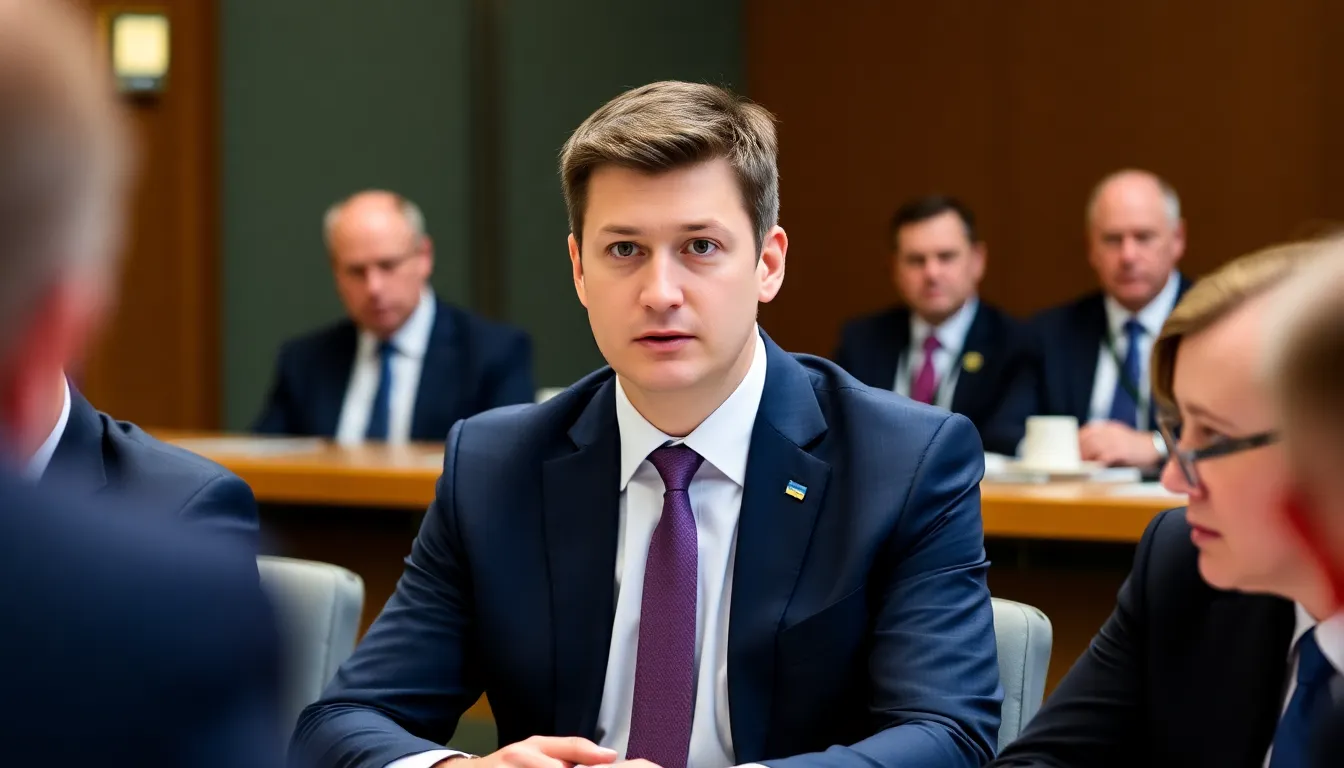
Following Yanukovych’s departure, Russia annexed Crimea in March 2014, an act widely condemned by the international community. This annexation was accompanied by the outbreak of armed conflict in Eastern Ukraine, where Russian-backed separatists declared independence in the Donetsk and Luhansk regions. The conflict has since evolved into a protracted war, resulting in thousands of deaths and a humanitarian crisis affecting millions of Ukrainians.
Key Milestones in the Conflict
Several key events have marked the trajectory of the Ukraine-Russia conflict. In 2015, the Minsk Agreements aimed to establish a ceasefire and a roadmap for peace, yet violations have persisted. The situation escalated further in 2021 and 2022, with Russia amassing troops at the Ukrainian border, leading to widespread fears of a full-scale invasion. In February 2022, these fears materialized as Russia launched a military offensive, prompting a robust response from Ukraine and the international community.
The ongoing war has not only reshaped the political landscape in Ukraine but has also had significant economic implications for Europe and beyond. European nations have increasingly recognized the need to impose economic sanctions on Russia to deter its aggressive actions, with discussions around ramping up these measures gaining momentum following high-profile meetings with Ukrainian President Volodymyr Zelenskyy.
As the conflict continues, the dynamics of international relations are evolving, with NATO and EU countries reassessing their security strategies and economic ties. The situation remains fluid, and the call for increased economic pressure on Russia signifies a critical juncture in the ongoing struggle for Ukraine’s sovereignty and stability in the region.
Key stakeholders and issues surrounding the economic pressure on Russia
The ongoing conflict in Ukraine has drawn numerous stakeholders into a complex web of interests and influences. Central to this situation are the Ukrainian government, led by President Volodymyr Zelenskyy, and the Russian government under President Vladimir Putin. Each has distinct goals: Ukraine seeks to reclaim territory and sovereignty, while Russia aims to maintain its influence and control over the region.
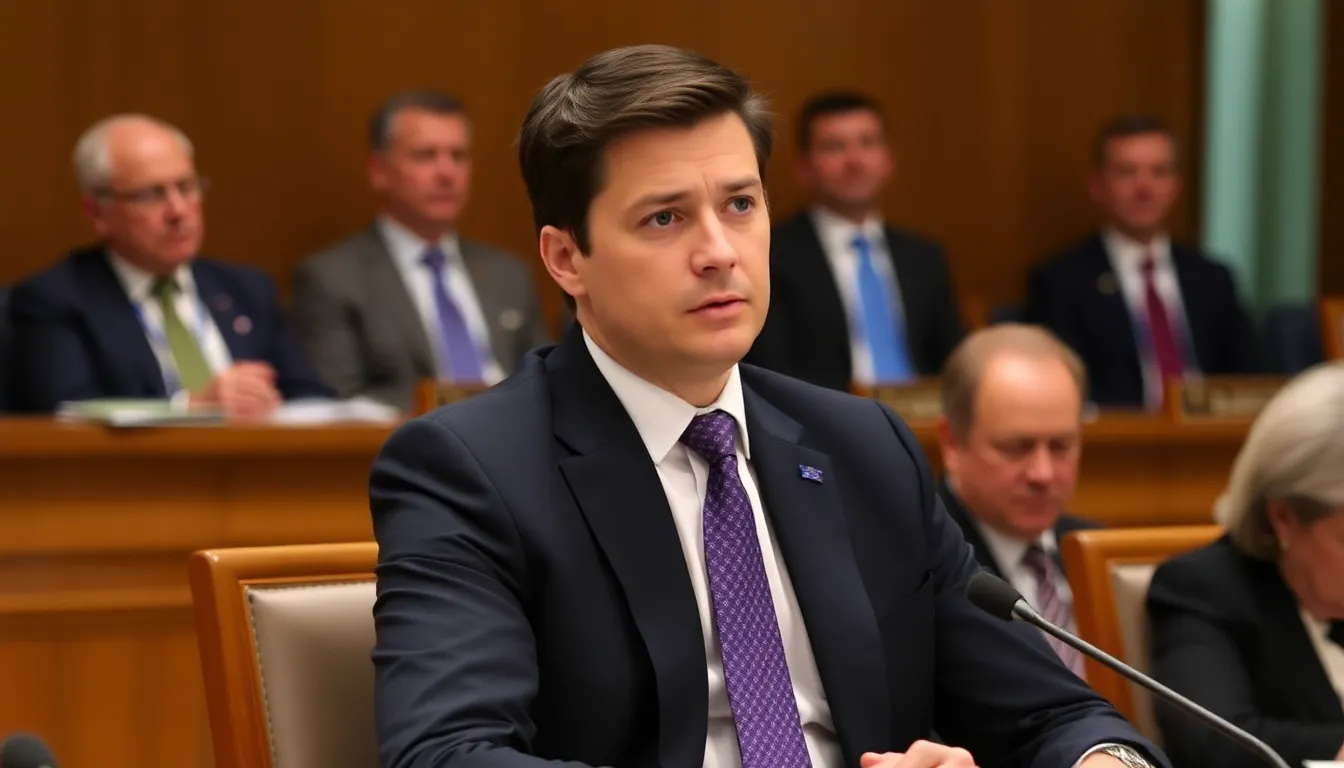
European governments, particularly those in the European Union and NATO, play a crucial role in shaping the response to the conflict. The UK, represented by Number 10, has emphasized the need for increased economic pressure on Russia. This pressure is intended to weaken Russia’s ability to sustain its military operations and deter further aggression. However, this strategy comes with significant economic trade-offs for European nations, especially concerning energy supplies and economic ties with Russia.
Key issues include the legal frameworks surrounding sanctions, which must balance effectiveness with compliance to international law. Economic sanctions can lead to unintended consequences, such as increased hardship for civilians and potential retaliatory measures from Russia. Additionally, the reliance of many European countries on Russian energy highlights a critical vulnerability in their economic strategy.
- Potential for increased sanctions on Russian exports, particularly energy and military goods.
- Risk of economic backlash against European nations dependent on Russian energy supplies.
- Challenges in maintaining unity among EU and NATO members regarding the extent of sanctions.
- Legal implications of sanctions and the need for international cooperation to enforce them.
- Impact on global markets, including fluctuations in energy prices and supply chain disruptions.
In summary, the interplay between these stakeholders involves a delicate balance of interests, with economic pressures serving as both a tool for leverage and a source of potential conflict among allies. The situation remains fluid, requiring continuous assessment of the effectiveness and consequences of the strategies employed by these key actors.
Impact of increased economic sanctions on Russia and Europe
The ongoing conflict in Ukraine and the subsequent calls for increased economic pressure on Russia are set to have wide-ranging effects across various groups and industries. The most immediate impacts will be felt by sectors directly linked to trade with Russia, including energy, agriculture, and manufacturing. European nations, particularly those heavily reliant on Russian gas and oil, will face significant challenges as they seek to reduce their dependency on Russian resources.
In the short term, consumers in Europe may experience rising energy prices as supply chains are disrupted and alternatives to Russian energy sources are sought. This could lead to increased costs for heating and electricity, affecting household budgets and potentially sparking public discontent. Additionally, businesses that rely on imported raw materials from Russia may face production delays or increased costs, leading to higher prices for goods and services.
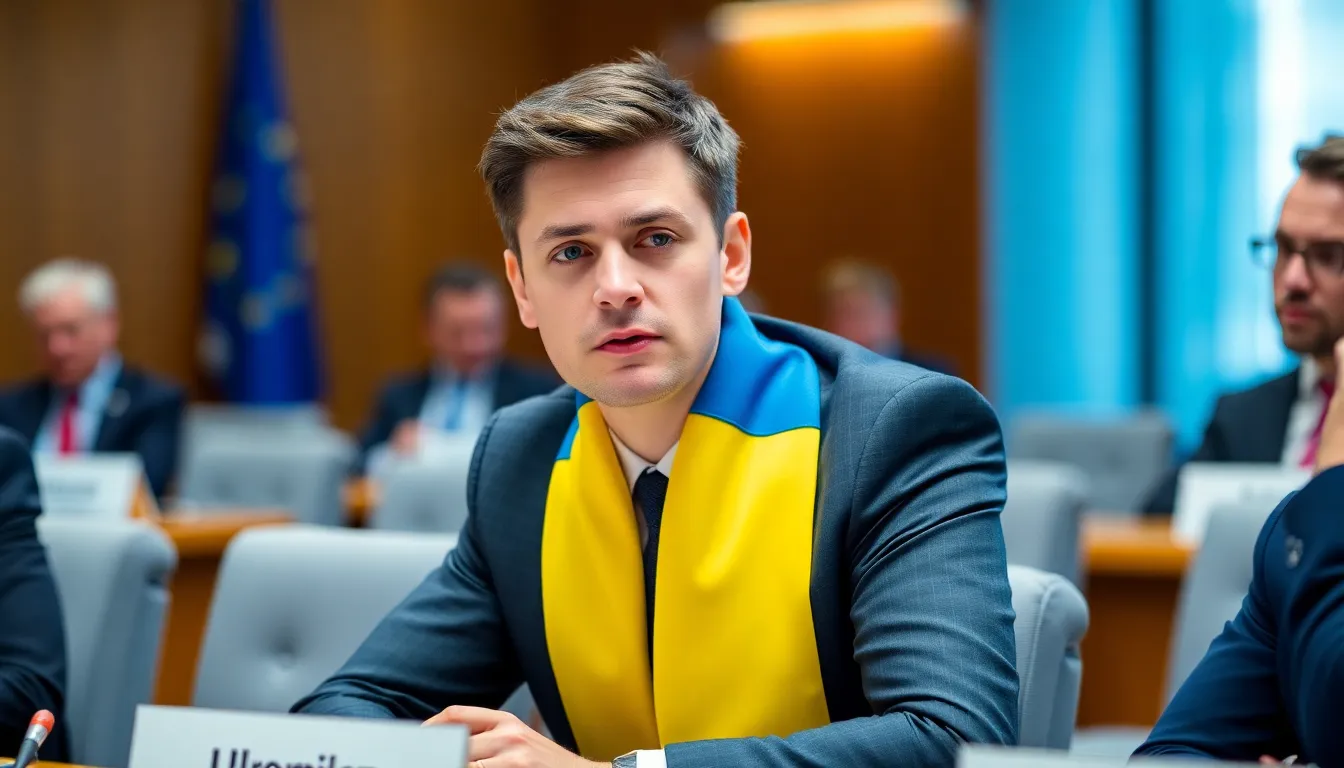
In the mid-term, the push for economic sanctions may accelerate the transition towards renewable energy sources in Europe, creating opportunities for investment in green technologies. Industries focused on renewable energy, such as solar and wind, may see a surge in demand as governments seek to diversify their energy portfolios. However, this transition may not be without risks, as the initial costs of implementing new technologies can be high and may lead to job losses in traditional energy sectors.
- Energy Sector: Increased prices and shifts towards renewables.
- Agriculture: Potential disruptions in grain exports, affecting food prices.
- Manufacturing: Supply chain challenges and increased operational costs.
- Consumer Impact: Rising costs for households and potential public unrest.
- Investment Opportunities: Growth in green technology and renewable energy sectors.
Moreover, the geopolitical landscape could shift as countries reassess their alliances and trade agreements in response to the sanctions. Nations that support Ukraine may strengthen their economic ties, while those that continue to engage with Russia could face diplomatic repercussions. This realignment could lead to new market opportunities for businesses willing to adapt to the changing environment.
A: The primary goals include weakening Russia’s military capabilities and forcing a change in its aggressive policies towards Ukraine. A: Europe has implemented various sanctions against Russia, provided military aid to Ukraine, and increased diplomatic efforts to resolve the conflict. A: Increased sanctions could lead to a further deterioration of relations with Russia, potential retaliatory measures, and economic impacts on European countries. A: Zelenskyy’s meetings with European leaders often galvanize support, leading to increased military and financial assistance for Ukraine. A: The conflict remains active with ongoing battles in various regions, and the humanitarian situation continues to worsen.
Frequently asked questions about the Ukraine war and sanctions
Key takeaways and future outlook on the Ukraine conflict
The recent discussions between European leaders and Ukrainian President Volodymyr Zelenskyy underscore a pivotal moment in the ongoing conflict. As Europe considers increasing economic pressure on Russia, the implications for both the region and the global landscape are significant. The commitment to support Ukraine reflects a broader strategy to deter aggression and reinforce alliances in the face of ongoing challenges.
Moving forward, it will be crucial to monitor how these economic measures are implemented and their effects on Russia’s military capabilities. Additionally, the response from both Ukraine and Russia to this increased pressure will shape the next phases of the conflict and influence diplomatic relations across Europe.
- Watch for the development and implementation of new economic sanctions against Russia, which could impact its energy exports.
- Observe Ukraine’s military strategies in response to increased support from European nations, particularly in terms of defense capabilities.
- Consider the potential for shifts in public opinion within Europe regarding the ongoing support for Ukraine as the conflict evolves.
- Monitor diplomatic engagements between NATO allies and non-aligned countries, as their positions may influence the broader geopolitical landscape.
- Stay alert for any changes in Russia’s military tactics or rhetoric in response to heightened economic pressure from the West.