


These incidents serve as stark reminders of the interconnectedness of climate change and natural disasters, prompting discussions among world leaders about the need for enhanced climate resilience and adaptation strategies, as detailed in our article on Understanding The Climate Question and Its Implications.
As countries grapple with these challenges, the economic burden of climate-related illnesses and disasters is expected to escalate, making it a key issue for policymakers, which is further explored in our section on Exploring the Concept of Illuminated.

Internationally, negotiations are underway to address these challenges, particularly in the lead-up to the 2023 United Nations Climate Change Conference (COP28) scheduled for December. Governments, businesses, and civil society are being urged to commit to more ambitious emission reduction targets, with a focus on transitioning to renewable energy sources and sustainable practices. The outcomes of these discussions will be crucial in determining the global response to the climate crisis.
Background and historical context of climate change
The issue of climate change has evolved significantly over the past century, shaped by a complex interplay of scientific discovery, industrial growth, and political action. The industrial revolution, which began in the late 18th century, marked a turning point as fossil fuel consumption surged, leading to increased carbon emissions. This era set the foundation for modern environmental concerns, as scientists began to recognize the impact of human activities on the planet’s climate.
In the mid-20th century, the scientific community began to sound alarms about the consequences of rising greenhouse gas levels. Milestones such as the publication of the first comprehensive climate models in the 1970s and the establishment of the Intergovernmental Panel on Climate Change (IPCC) in 1988 highlighted the urgency of the situation. These developments galvanized international efforts to address climate change, culminating in key agreements like the Kyoto Protocol in 1997, which aimed to reduce carbon emissions on a global scale.

Political and Economic Dimensions
The political landscape surrounding climate change has been fraught with challenges, often influenced by economic interests. The fossil fuel industry, a significant contributor to global economies, has historically resisted regulatory measures aimed at curbing emissions. This resistance has led to a contentious debate over climate policy, as nations grapple with the balance between economic growth and environmental stewardship. The Paris Agreement of 2015 marked a pivotal moment in international climate diplomacy, as countries committed to limiting global temperature rise, yet the implementation of these commitments remains uneven and contentious.
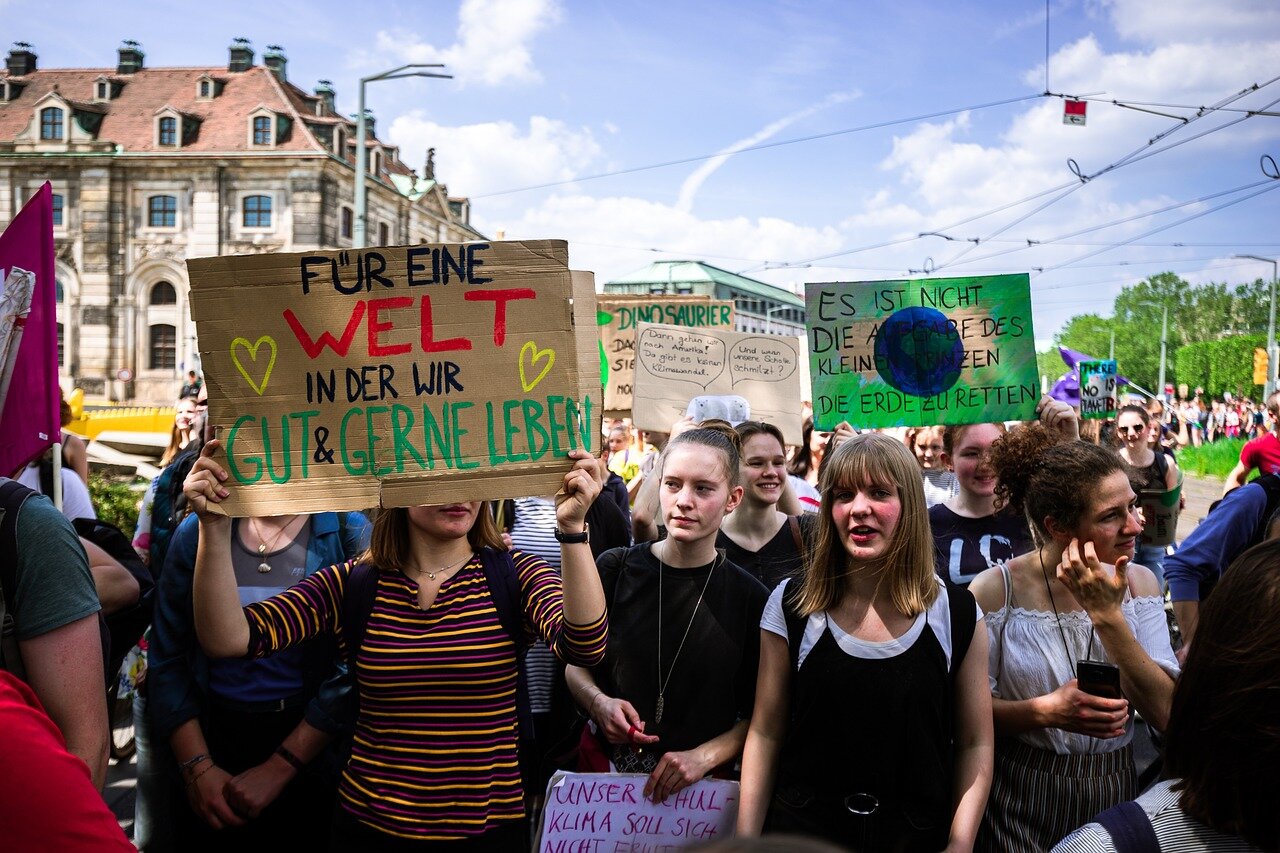
Social awareness of climate change has also grown, with movements advocating for sustainable practices and policies gaining traction in recent years. Public demonstrations, such as those led by youth activists, have pushed governments to take more decisive action. As the impacts of climate change become increasingly visiblethrough extreme weather events, rising sea levels, and biodiversity lossthere is a growing recognition that addressing this crisis requires collective action across all sectors of society.
Key stakeholders and major issues surrounding climate policy
Understanding these stakeholders is crucial for analyzing the conflicts and trade-offs inherent in climate policy, which reflects the importance of collaborative approaches discussed in our overview of Understanding The Climate Question and Its Implications.

Governments play a pivotal role, as they are responsible for enacting laws and regulations that address climate change. Their interests often align with economic growth and public opinion, which can lead to tensions between environmental goals and economic development. For instance, fossil fuel-dependent nations may resist aggressive climate policies that threaten their economies, while nations vulnerable to climate impacts advocate for urgent action.
International organizations, such as the United Nations and the Intergovernmental Panel on Climate Change (IPCC), are essential in coordinating global responses to climate issues. They aim to facilitate cooperation among countries but face challenges in ensuring compliance with agreements like the Paris Agreement. The differing priorities of developed and developing nations can create significant friction, complicating negotiations and implementation.
Corporations are increasingly recognized as key players in the climate debate. Many are adopting sustainability initiatives to mitigate their environmental impact and respond to consumer demand for greener practices. However, conflicts arise when corporate interests clash with environmental goals, particularly in industries such as oil, gas, and agriculture. The challenge lies in balancing profit motives with the need for sustainable practices.
- Economic interests: The tension between economic growth and environmental sustainability often leads to conflicts in policy-making.
- Legal frameworks: Existing laws may hinder or facilitate the implementation of effective climate policies, depending on how they are structured.
- Public opinion: Shifts in public sentiment can influence political action, with grassroots movements pushing for stronger climate action.
- Technology and innovation: Advances in renewable energy and carbon capture can reshape the landscape, but access and investment remain barriers.
- Global inequality: Disparities between developed and developing countries complicate negotiations and equitable solutions to the climate crisis.
Who is affected by climate change and its market implications
Climate change is a global issue that impacts various groups, industries, and regions differently. Vulnerable populations, particularly in developing nations, are among the most affected due to their limited resources and adaptive capacity. Additionally, industries such as agriculture, fisheries, and tourism face significant challenges as climate patterns shift, leading to reduced productivity and economic instability.
In the short term, communities may experience immediate disruptions in their daily lives, such as increased frequency of extreme weather events, which can lead to infrastructure damage and displacement. Businesses may see fluctuations in supply chains, affecting their operations and profitability. For example, farmers may struggle with crop failures due to drought or flooding, while tourism-dependent regions may lose visitors due to adverse weather conditions.

In the mid-term, policies aimed at mitigating climate change will likely reshape various sectors. Industries will need to adapt to new regulations and standards, which could lead to increased operational costs. However, this shift also presents opportunities for innovation and investment in sustainable technologies. Companies that embrace green practices may gain a competitive edge and attract environmentally conscious consumers.
- Risks: Increased natural disasters, economic instability in vulnerable sectors, and regulatory pressures.
- Opportunities: Growth in renewable energy, green technology investments, and market demand for sustainable products.
Regions that proactively address climate challenges may emerge as leaders in sustainability, attracting investments and fostering resilience. As the conversation around climate change evolves, understanding its implications on various stakeholders will be crucial for developing effective strategies that balance risk management with growth opportunities.
A: The main causes of climate change include greenhouse gas emissions from burning fossil fuels, deforestation, and industrial processes. These activities increase the concentration of carbon dioxide and other gases in the atmosphere, leading to global warming. A: Climate change alters weather patterns by increasing the frequency and intensity of extreme weather events such as hurricanes, droughts, and heavy rainfall. These changes can disrupt ecosystems and human activities. A: Individuals can combat climate change by reducing energy consumption, using public transportation, recycling, and supporting sustainable practices. Every small action contributes to a larger collective effort. A: Governments play a crucial role by implementing policies that reduce emissions, investing in renewable energy, and participating in international agreements. Their actions can significantly influence climate outcomes. A: The Paris Agreement is a landmark international treaty that aims to limit global warming to below 2 degrees Celsius. It encourages countries to set and achieve their own climate goals, fostering global cooperation.
Frequently asked questions about climate change
Key takeaways and future outlook on climate action
The ongoing discourse surrounding climate change highlights the urgency of collective action and innovative solutions. As the impacts of climate change become increasingly evident, stakeholders across various sectors must engage in proactive measures to mitigate risks and adapt to new environmental realities. The interplay between policy, technology, and public awareness will shape the effectiveness of climate initiatives moving forward.
Monitoring developments in climate science, international agreements, and local initiatives will be crucial for understanding the trajectory of climate action. The integration of sustainable practices into economic frameworks will not only address environmental concerns but also present opportunities for growth and resilience.
- Policy Innovation: Watch for emerging policies that incentivize renewable energy adoption and carbon reduction strategies.
- Technological Advancements: Keep an eye on breakthroughs in clean technology that can accelerate the transition to a low-carbon economy.
- Public Engagement: Increased awareness and activism among the public can drive demand for sustainable practices and influence corporate responsibility.
- Investment Trends: Monitor shifts in investment towards green technologies and sustainable businesses as financial markets respond to climate risks.
- International Collaboration: Observe the dynamics of international agreements and partnerships that aim to address climate change on a global scale.