


Emergency services responded promptly to the scene, conducting rescue operations and searching for any additional victims. Local authorities reported that the landslide buried part of the school building, highlighting the urgent need for improved infrastructure and safety measures in areas prone to such natural disasters.
This tragic event has raised concerns about the safety of educational institutions in Bangladesh, particularly in regions vulnerable to landslides and flooding. Community leaders and parents are calling for immediate action to ensure the safety of children attending school during adverse weather conditions.
The government has pledged to investigate the circumstances surrounding the landslide and assess the structural integrity of schools in similar geographic locations. As the nation mourns the loss of young lives, the focus shifts to preventing future tragedies and providing support to affected families.

Understanding the geographical and climatic factors leading to landslides
Bangladesh is situated in a region characterized by its unique geographical features, including the Himalayan foothills and a dense network of rivers. This positioning makes the country particularly vulnerable to natural disasters such as landslides, especially during the monsoon season when heavy rainfall can saturate the soil and destabilize slopes. The topography of the Chittagong Hill Tracts, where the recent tragedy occurred, is particularly prone to such incidents due to its steep hills and deforestation.
The historical context of land use in Bangladesh has contributed to the increasing frequency of landslides. Over the years, rapid urbanization and agricultural expansion have led to significant deforestation, which diminishes the natural barriers that prevent soil erosion. The removal of trees not only destabilizes the soil but also reduces the land’s ability to absorb rainfall, exacerbating the risk of landslides during heavy downpours, similar to the impacts of extreme weather events.
The impact of climate change
Climate change has further intensified the situation. Bangladesh experiences more extreme weather patterns, including increased rainfall and rising temperatures, which contribute to soil degradation and increased landslide risk. The combination of these climatic changes with the existing vulnerabilities in infrastructure and land management practices has created a precarious environment for communities living in hilly areas.
Past incidents of landslides in Bangladesh serve as a grim reminder of the urgent need for improved disaster preparedness and response strategies. For instance, a devastating landslide in 2007 resulted in the deaths of over 120 people in the same region, highlighting the persistent threat posed by natural disasters. Such events underscore the importance of addressing both environmental and socio-economic factors to mitigate future risks.

As the nation grapples with these challenges, the need for comprehensive policies that encompass sustainable land management, climate adaptation strategies, and community education becomes increasingly critical. The tragic loss of life in the recent landslide at the girls’ school is not just a wake-up call but a stark reminder of the ongoing vulnerabilities faced by many in Bangladesh.
Analyzing the response from local authorities and community impact
The tragic landslide that resulted in the deaths of eight schoolgirls in Bangladesh has drawn attention to the roles of various stakeholders, including local authorities, educational institutions, and community organizations. Each actor has distinct interests and responsibilities in the aftermath of this disaster, which complicates the response and recovery efforts, much like the complexities seen in disaster management across different regions.
Local authorities are primarily focused on immediate rescue operations and assessing the safety of other educational facilities in the area. Their interests include restoring normalcy and ensuring public safety, which may lead to tensions with community members who are demanding accountability and better infrastructure. The government may face pressure to allocate resources for disaster prevention and response, which could divert funds from other critical areas.
Community organizations and parents of the victims are advocating for improved safety measures in schools and surrounding areas. They are likely to push for stricter regulations on construction and land use, as well as increased investment in disaster preparedness. These groups may find themselves in conflict with developers or local businesses that prioritize economic growth over safety concerns.

- Infrastructure concerns: The landslide highlights the need for better infrastructure and planning in vulnerable areas.
- Regulatory challenges: There may be a lack of enforcement of existing safety regulations, prompting calls for reform.
- Community grief and activism: The incident could galvanize community activism aimed at preventing future tragedies.
- Government accountability: Local authorities may face scrutiny regarding their preparedness and response to natural disasters.
- Long-term recovery: The focus will also need to shift towards long-term support for affected families and rebuilding efforts.
In addition, the economic implications of such disasters cannot be overlooked. The loss of young lives not only devastates families but also has broader socioeconomic impacts on the community. The need for investment in safety and infrastructure may compete with other pressing economic demands, creating a challenging landscape for policymakers.
The immediate and long-term effects on the affected families and community
The tragic landslide at the girls’ school in Bangladesh has left a profound impact on families and the local community. The immediate loss of eight young lives has created a devastating emotional toll on the victims’ families, who are now grappling with grief and uncertainty. This incident has also raised concerns among parents about the safety of educational institutions in the region, leading to heightened anxiety regarding their children’s safety.
In the short term, the local economy is likely to face disruptions as businesses and schools may temporarily close in response to the tragedy. The psychological impact on students and teachers could result in decreased attendance and participation, further affecting educational outcomes. Additionally, local government resources may be redirected towards emergency response and recovery efforts, straining budgets that could have otherwise supported community development projects.
- Increased safety regulations for schools and public spaces.
- Potential rise in community support initiatives and mental health resources.
- Shift in local policy towards disaster preparedness and response.
In the mid-term, the community may experience a shift in policy as local authorities and educational institutions reevaluate safety protocols. This could lead to improved infrastructure and emergency response systems, ultimately benefiting the broader population. While the immediate aftermath is marked by sorrow, there is an opportunity for community solidarity and resilience, as residents come together to support one another and advocate for necessary changes.
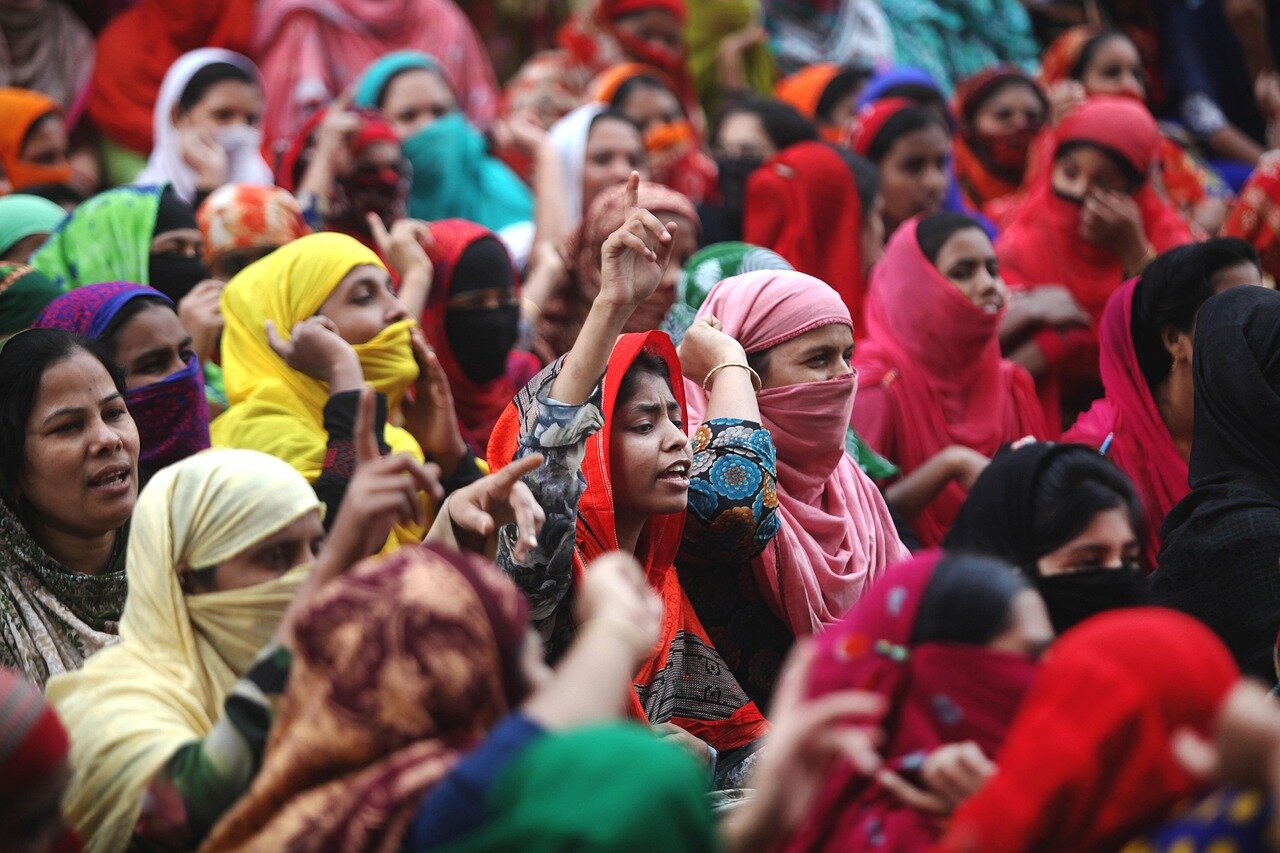
Overall, while the landslide presents significant risks to the affected families and community, it also opens avenues for dialogue about safety, mental health, and disaster preparedness. The hope is that this tragedy will lead to meaningful changes that prioritize the well-being of students and their families in the future.
A: The landslide was triggered by heavy rainfall in the region, which weakened the soil structure. Local authorities are investigating the exact causes and contributing factors. A: Local government and NGOs are providing assistance to the families affected by the tragedy, including financial aid and counseling services. A: Authorities are reviewing land use policies and improving infrastructure to enhance safety in vulnerable areas prone to landslides. A: Community members can contribute by donating to local charities or volunteering for relief efforts organized by NGOs.
Frequently asked questions about the landslide incident
Key takeaways and future implications of the landslide tragedy
The tragic landslide at a girls’ school in Bangladesh serves as a stark reminder of the vulnerabilities faced by educational institutions in regions prone to natural disasters. With eight lives lost, this incident underscores the urgent need for improved infrastructure and disaster preparedness in schools, particularly in areas susceptible to landslides and other geological hazards. The implications extend beyond immediate safety concerns, highlighting the necessity for community awareness and government intervention to prevent future tragedies.
As the affected community mourns, it is crucial to reflect on the broader implications for policy and planning in disaster-prone areas. This incident may catalyze discussions on enhancing building regulations, implementing early warning systems, and ensuring that educational facilities are equipped to withstand natural calamities.
- Increased focus on disaster preparedness training for schools in vulnerable areas.
- Potential for government initiatives to strengthen infrastructure and safety regulations.
- Heightened community awareness regarding natural disaster risks and response strategies.
- Advocacy for mental health support for affected families and students in the aftermath.
- Opportunities for NGOs and international organizations to assist in recovery and rebuilding efforts.