


The latest power cut occurred on March 15, 2023, leaving many without electricity for extended periods. This incident followed two previous outages in January and February, which had already heightened tensions among the populace. With the summer months approaching, concerns about rising temperatures and the need for reliable electricity have intensified public discontent, as seen in similar situations like record-breaking temperatures.
Protesters have expressed their anger not only over the power cuts but also over the broader economic challenges facing the country. Cuba’s energy infrastructure has struggled due to aging facilities, lack of maintenance, and insufficient investment. As a result, many Cubans are experiencing daily disruptions to their lives, impacting everything from work to education. This mounting frustration is evident in their response to events similar to the recent celebrity concert cancellations due to public outcry.
The Cuban government has acknowledged the issues but has struggled to implement effective solutions. In response to the protests, officials have promised to improve the energy situation, yet skepticism remains among the population. With public frustration mounting, the government faces increasing pressure to address the crisis and restore confidence among its citizens.
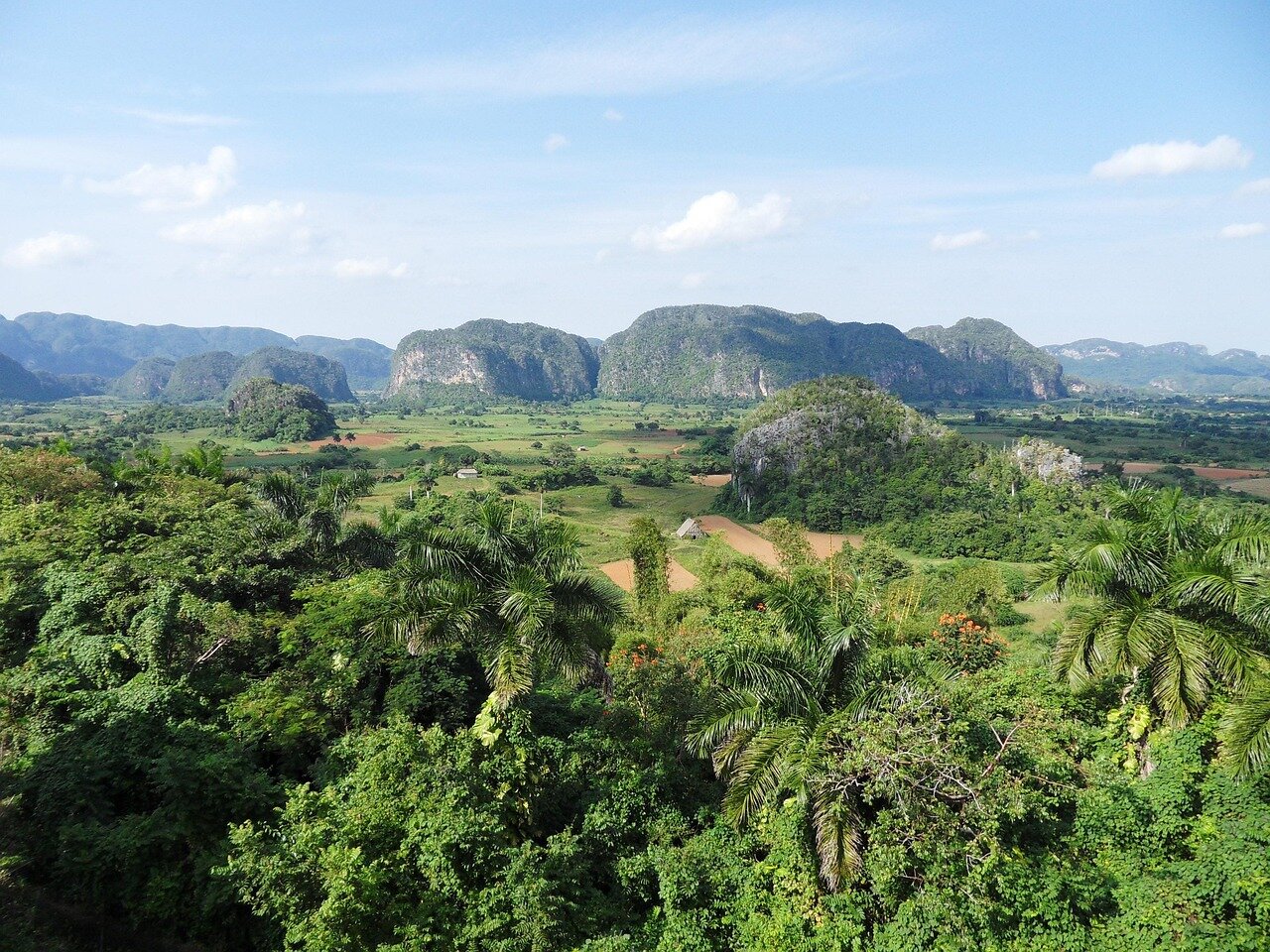
Understanding the energy crisis in Cuba
The energy crisis in Cuba has deep historical roots, stemming from decades of economic mismanagement, a reliance on outdated infrastructure, and the ongoing effects of the U.S. trade embargo. Since the 1990s, the Cuban government has faced significant challenges in maintaining a stable electricity supply, which has been exacerbated by the collapse of the Soviet Union, a major source of support, and the subsequent loss of subsidized oil imports.
In recent years, the situation has deteriorated further, with the country experiencing frequent power outages that have sparked public unrest. The government has struggled to modernize its energy infrastructure and diversify its energy sources, relying heavily on fossil fuels while failing to invest adequately in renewable energy alternatives. This has led to a precarious energy situation, where the demand for electricity often exceeds supply, resulting in rolling blackouts.
Key milestones in Cuba’s energy history
Several significant events have marked the trajectory of Cuba’s energy crisis. In 2019, the Cuban government acknowledged the severity of the energy situation by declaring a “temporary energy emergency,” which included measures to ration electricity and reduce consumption. Additionally, the COVID-19 pandemic further strained resources, limiting imports and exacerbating shortages. Recent protests, including those following the third nationwide power cut this year, reflect a growing frustration among the populace, who have become increasingly vocal about their dissatisfaction with the government’s handling of the crisis, similar to how Trump’s actions sparked protests.
The combination of these historical factors and recent events has created a perfect storm, leading to widespread protests that underscore the urgency of addressing the energy crisis in Cuba. As citizens demand accountability and tangible solutions, the government faces mounting pressure to reform its energy policies and improve living conditions for its people.
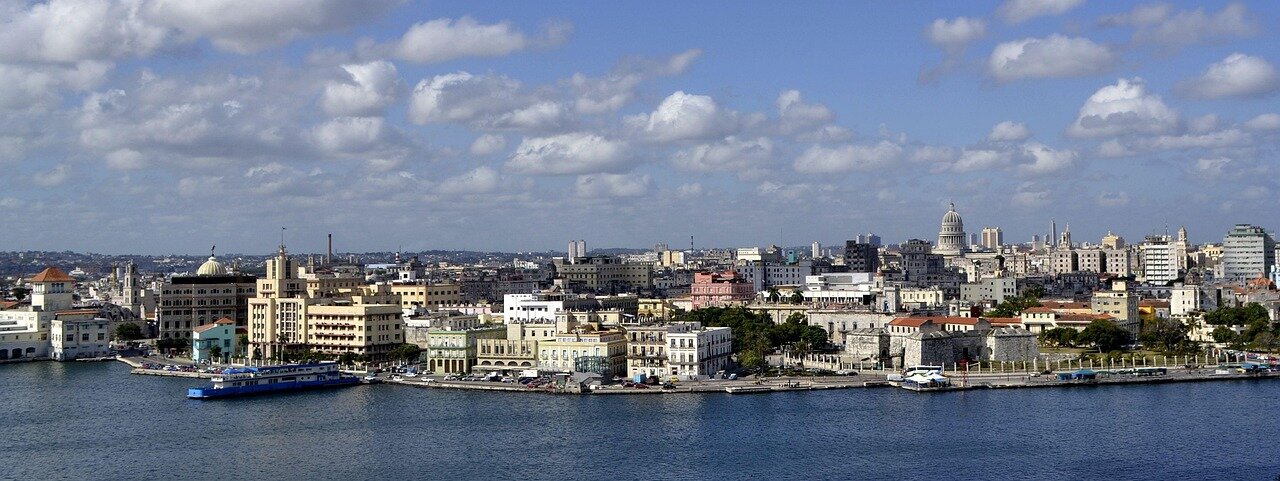
Key stakeholders and their roles in the power crisis
The recent protests in Cuba following the third nationwide power cut this year highlight a complex web of stakeholders, each with distinct interests and concerns. The primary actors include the Cuban government, the citizens affected by the outages, international observers, and humanitarian organizations. Understanding their roles is crucial to grasping the broader implications of the ongoing energy crisis.
The Cuban government, led by President Miguel Díaz-Canel, is under immense pressure to address the power shortages that have led to widespread discontent. The government’s interest lies in maintaining social order and political stability while managing the country’s aging energy infrastructure. However, with limited resources and ongoing economic challenges, the government faces significant trade-offs between addressing immediate public grievances and implementing long-term energy solutions.
Cuban citizens, particularly those in urban areas, are directly impacted by the power cuts. Their interests revolve around basic needs such as access to electricity for daily activities, healthcare, and communication. The protests reflect a growing frustration with the government’s inability to provide reliable services, which has been exacerbated by the ongoing economic crisis and the effects of U.S. sanctions. This situation creates a conflict between the citizens’ demand for accountability and the government’s struggle to deliver on its promises.
International observers and human rights organizations are also key stakeholders. They monitor the situation and advocate for the rights of Cuban citizens to protest and express their grievances. Their involvement raises awareness of the humanitarian implications of the power crisis, pushing for international dialogue and potential aid. However, their presence can also complicate the government’s response, as it may perceive external scrutiny as a threat to its sovereignty.
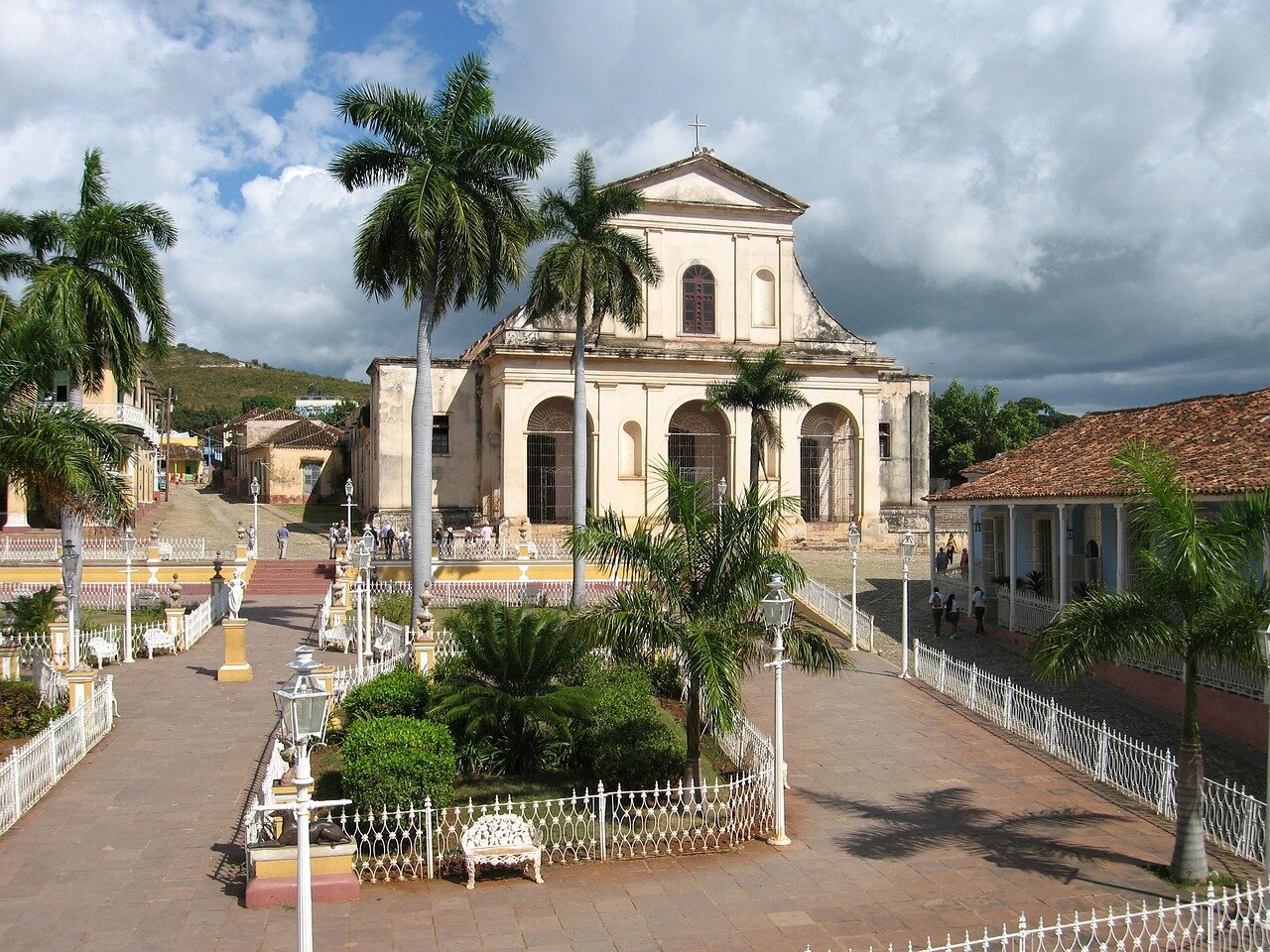
- The Cuban government’s focus on maintaining control amidst economic and social unrest.
- Citizens’ urgent need for reliable electricity and basic services.
- International organizations advocating for human rights and humanitarian aid.
- The impact of U.S. sanctions on Cuba’s energy infrastructure and economic stability.
- The potential for escalating protests leading to greater political instability.
How the power cuts affect daily life and the economy
The recent wave of power cuts in Cuba has deeply impacted various segments of society, particularly affecting households, small businesses, and essential services. With the third nationwide power outage this year, citizens are facing increased frustration and anxiety over their daily routines and economic stability. The most vulnerable populations, including low-income families and the elderly, are disproportionately affected as they struggle to cope with the loss of electricity for basic needs.
Industries reliant on consistent power supply, such as tourism, agriculture, and manufacturing, are also feeling the strain. Hotels and restaurants, which are crucial for the tourist economy, may see a decline in patronage as guests seek more reliable accommodations. Farmers are facing challenges in maintaining production levels, leading to potential food shortages and higher prices. The ripple effect on these sectors can exacerbate existing economic difficulties in the country.
- Short-term impacts: Disruption of daily activities, reduced productivity, and increased frustration among citizens.
- Mid-term impacts: Potential decline in tourism, food scarcity, and rising costs of goods and services.
While the immediate consequences are dire, there are potential opportunities for innovation and change. The crisis may prompt the government to explore alternative energy sources and invest in renewable energy projects, which could lead to a more sustainable energy infrastructure in the long run. Additionally, community initiatives aimed at improving energy efficiency and resilience may emerge as citizens seek to adapt to the ongoing challenges.
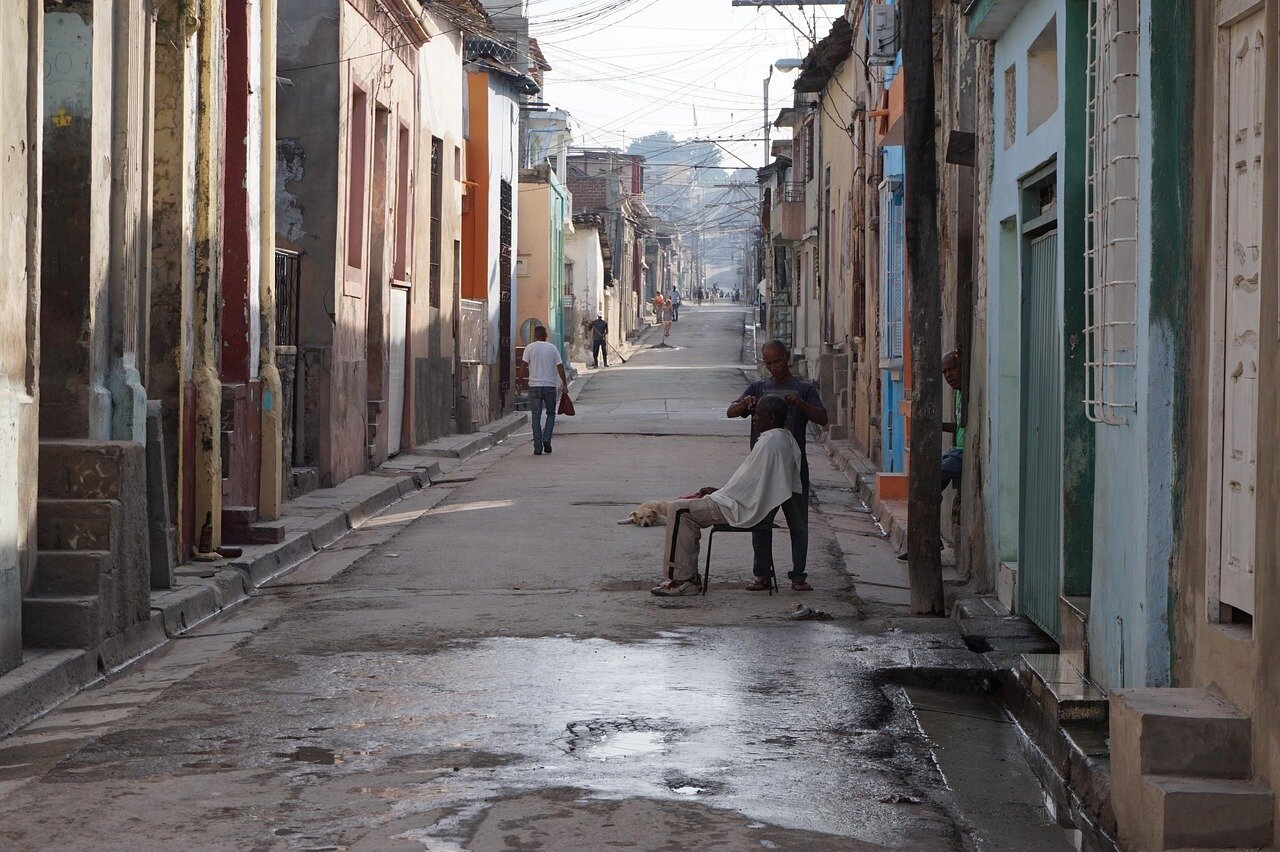
Ultimately, the power cuts serve as a catalyst for broader discussions about energy policy and infrastructure reform in Cuba. As citizens demand accountability and solutions, there is potential for increased civic engagement and a push for reforms that could reshape the economic landscape for the better.
A: The protests were triggered by the third nationwide power cut this year, which has exacerbated frustrations over ongoing energy shortages. A: The power cuts have disrupted daily life, affecting access to basic services, businesses, and overall quality of life for many Cubans. A: The government has acknowledged the power issues but has faced criticism for its inability to provide effective solutions or timely communication. A: Given the ongoing nature of the power crisis, it is likely that protests will continue until substantial changes are made. A: Solutions may include investment in renewable energy, infrastructure improvements, and better management of existing resources.
Frequently asked questions about the protests
Looking ahead: potential solutions and outcomes
The recent wave of protests in Cuba, triggered by the third nationwide power cut this year, underscores the growing frustration among citizens regarding the ongoing energy crisis. As the government grapples with the dual challenges of aging infrastructure and economic sanctions, the potential for social unrest remains high. Observers are keenly watching how the government responds to these protests and whether any meaningful reforms will be implemented to address the root causes of the energy shortages.
In this context, the international community’s role could be pivotal. Increased diplomatic engagement and support for sustainable energy initiatives may provide avenues for relief. The situation also highlights the need for local and international stakeholders to collaborate on innovative energy solutions that could stabilize the grid and reduce the frequency of outages.
- Monitor government responses to protests, as these may indicate shifts in policy or strategy regarding energy management.
- Watch for potential international aid or investment aimed at improving Cuba’s energy infrastructure.
- Consider the implications of continued unrest on Cuba’s political landscape and its impact on future governance.
- Evaluate the effectiveness of grassroots movements in advocating for energy reforms and accountability.
- Keep an eye on advancements in renewable energy technologies that could be adopted in Cuba to mitigate future power crises.