


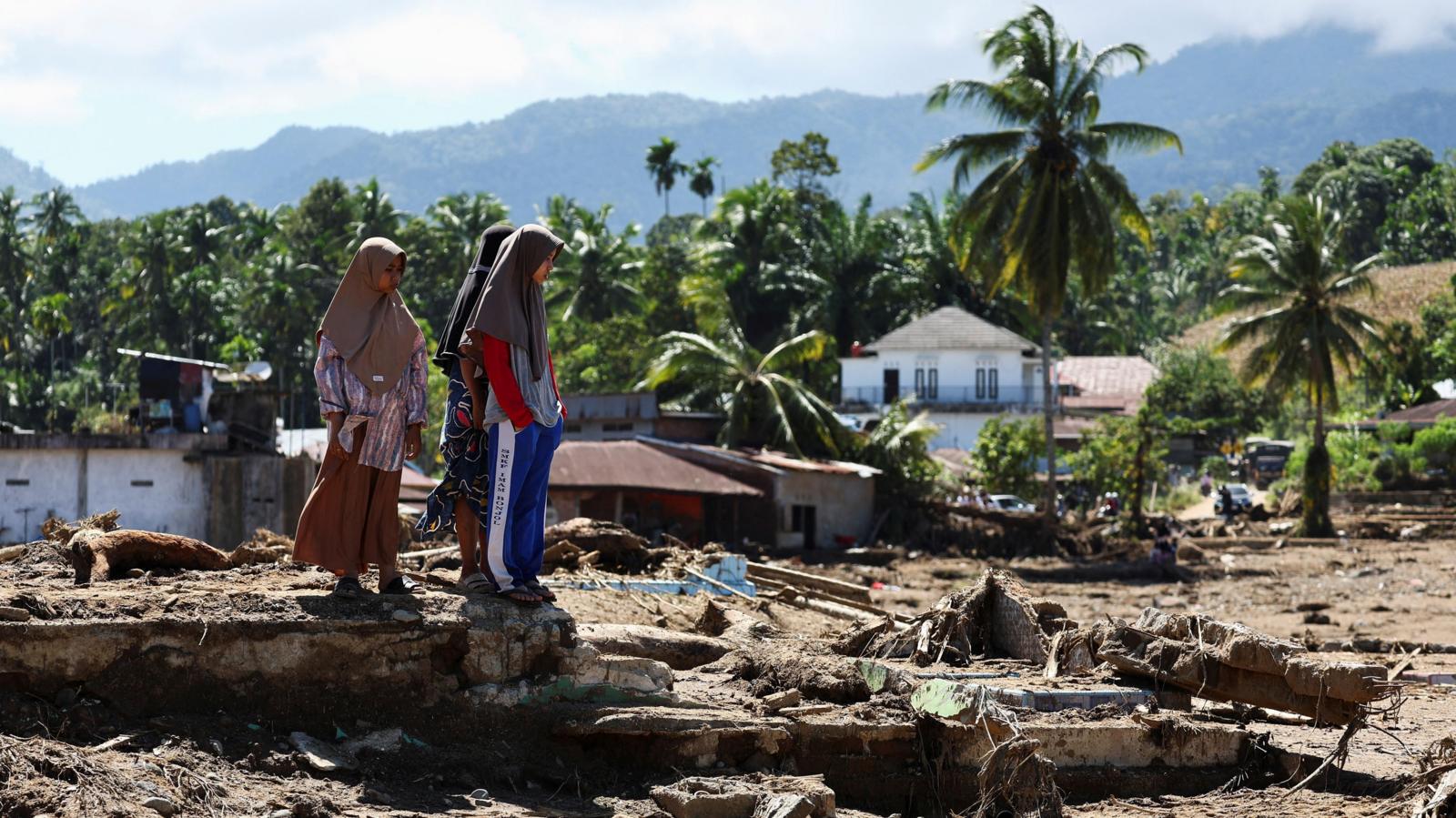
As rescue operations continue, thousands of residents remain displaced, with many seeking shelter in temporary camps. The Indonesian government has declared a state of emergency in the hardest-hit areas, allowing for the allocation of additional resources and support from both national and international agencies. For more information on similar crises, you can check out our article on severe floods in Sri Lanka. The situation is further complicated by ongoing rainfall, which raises concerns about additional flooding and landslides.
The floods have also caused significant damage to infrastructure, including roads, bridges, and public facilities, hampering relief efforts. Local authorities are working to restore access to essential services, but many communities are still cut off from aid. The economic impact of the floods is expected to be severe, with agriculture and local businesses facing substantial losses.
International humanitarian organizations have begun to assess the situation and are preparing to provide assistance. The crisis highlights the vulnerability of Indonesia to climate-related disasters, prompting discussions about the need for improved disaster preparedness and response strategies. As the situation evolves, the focus remains on saving lives and providing immediate support to those affected.
Understanding the historical context of flooding in Indonesia
Indonesia, an archipelagic nation consisting of over 17,000 islands, has long been vulnerable to natural disasters, particularly flooding. The country’s geography, characterized by dense tropical forests, mountainous regions, and extensive river systems, makes it susceptible to heavy rainfall and subsequent flooding. Historically, flooding has been a recurring issue, exacerbated by factors such as climate change, deforestation, and urbanization.

In the past few decades, Indonesia has experienced several catastrophic floods that have resulted in significant loss of life and property. Notably, the floods in Jakarta in 2007 and 2013 led to hundreds of fatalities and displaced thousands. These events highlighted the inadequacies in the country’s infrastructure and disaster response mechanisms, prompting the government to invest in flood control measures and improve urban planning.
The role of climate change
Climate change has intensified the frequency and severity of flooding in Indonesia. Rising sea levels and increased rainfall patterns have made coastal areas particularly vulnerable. The 2021 floods in South Kalimantan and the recent floods in various regions are stark reminders of the escalating impact of climate change on the country’s weather systems. This issue is not unique to Indonesia; similar challenges are being faced worldwide, as discussed in our coverage of disasters in Hong Kong. The Indonesian government has recognized the need for sustainable practices and policies to mitigate these risks, yet challenges remain in implementation and public awareness.
Additionally, socio-economic factors play a critical role in the flooding crisis. Many of Indonesia’s poorest communities live in low-lying areas and are often the most affected by floods. The lack of adequate housing, infrastructure, and access to emergency services exacerbates their vulnerability. As the nation grapples with rapid urbanization and economic growth, balancing development with environmental sustainability remains a pressing challenge.
As Indonesia continues to face the harsh realities of flooding, it is essential to understand the historical context of these disasters. The interplay of natural geography, climate change, and socio-economic factors creates a complex landscape that necessitates comprehensive strategies to protect vulnerable populations and build resilience against future flooding events.
Key stakeholders and issues surrounding the disaster
The recent floods in Indonesia have drawn attention to a myriad of stakeholders involved in both the immediate response and the longer-term recovery efforts. Key actors include the Indonesian government, local communities, non-governmental organizations (NGOs), and international aid agencies. Each of these groups has distinct interests and roles in addressing the humanitarian crisis resulting from the floods. Understanding the responses in conflicts, such as US relations with Venezuela, can provide insights into international humanitarian efforts.

The Indonesian government is primarily focused on disaster response and recovery, aiming to restore normalcy while managing public safety and infrastructure repair. Local communities, heavily impacted by the floods, are concerned about immediate needs such as shelter, food, and medical assistance. Their interests also extend to long-term recovery and rebuilding efforts, which may involve compensation and support for those who have lost their homes and livelihoods.
NGOs and international aid agencies play a critical role in the response to the disaster. These organizations often provide essential services, including emergency relief and rehabilitation efforts. However, they may face challenges such as funding limitations, access to affected areas, and coordination with government efforts. The relationship between these groups can sometimes lead to conflicts over resource allocation and priorities in disaster response.
- Resource Allocation: Competition for limited resources can create tensions between governmental bodies and NGOs.
- Legal Challenges: Issues related to land ownership and environmental regulations may complicate recovery efforts.
- Public Health Concerns: Flooding can lead to outbreaks of diseases, raising the stakes for immediate health interventions.
- Economic Impact: The floods have disrupted local economies, leading to long-term financial implications for affected communities.
- Climate Change Awareness: This disaster highlights the need for broader discussions on climate resilience and disaster preparedness.
In summary, the interplay between these stakeholders reveals a complex landscape of interests and challenges that must be navigated to effectively address the aftermath of the floods in Indonesia. Understanding these dynamics is crucial for fostering collaboration and ensuring that the needs of affected populations are met in both the short and long term.
Impact on affected communities and infrastructure
The recent floods in Indonesia have devastated numerous communities, particularly in low-lying coastal regions and riverbanks. The hardest-hit areas include West Java, Central Java, and parts of Sumatra, where the inundation has led to significant loss of life and property. Vulnerable populations, including low-income families and those living in informal settlements, are disproportionately affected, facing immediate threats to their safety and livelihoods.
In the short term, daily life has been severely disrupted, with access to essential services such as clean water, healthcare, and education significantly hampered. Displacement of families has led to overcrowded shelters, increasing the risk of disease outbreaks. Additionally, local businesses, especially in agriculture and retail, are facing immediate losses due to damaged infrastructure and supply chain interruptions.
Mid-term impacts are likely to extend beyond immediate recovery efforts. The local economy may struggle to rebound, with many businesses facing long-term closures and reduced consumer spending power. Policy responses will be critical as the government may need to allocate resources for rebuilding efforts and implement stricter regulations on land use to prevent future disasters.
- Risks: Increased health hazards, economic instability, and potential food shortages.
- Opportunities: Investment in sustainable infrastructure, enhanced disaster preparedness programs, and community resilience initiatives.
As the nation grapples with the aftermath of this disaster, there is a pressing need for coordinated efforts among government agencies, NGOs, and the private sector to address both immediate recovery and long-term resilience building. The floods serve as a stark reminder of the vulnerabilities faced by many Indonesian communities and the urgent need for comprehensive disaster management strategies.
A: The floods were primarily caused by heavy rainfall and poor drainage systems, exacerbated by deforestation and urbanization. A: Rescue operations involve local authorities, military personnel, and NGOs working together to reach affected areas and provide aid. A: Victims are receiving food, shelter, and medical assistance from various organizations and the government. A: People can contribute by donating to reputable charities and organizations involved in disaster relief efforts. A: Long-term implications include the need for improved infrastructure, better disaster preparedness, and addressing climate change impacts.
Frequently asked questions about the floods
Key takeaways and future outlook on flood management
The recent floods in Indonesia, which have tragically resulted in over 500 fatalities, underscore the urgent need for enhanced disaster preparedness and response strategies. As climate change continues to exacerbate weather patterns, it is imperative that both local and national governments prioritize infrastructure improvements and community resilience initiatives to mitigate the impact of future flooding events.
Looking ahead, the experience gained from this disaster can inform better flood management practices. Stakeholders must collaborate to develop comprehensive plans that not only address immediate relief efforts but also focus on long-term sustainability and environmental stewardship.
- Investing in resilient infrastructure is essential to withstand extreme weather events and protect vulnerable communities.
- Strengthening early warning systems can significantly reduce loss of life and improve emergency response times.
- Community engagement in disaster preparedness can empower local populations to respond effectively during crises.
- Ongoing research into climate adaptation strategies will be crucial for developing proactive measures against future flooding.
- International cooperation and knowledge sharing can enhance local capabilities and resource allocation for disaster management.