


Additionally, the rise of social media platforms has facilitated the sharing of videos and tutorials, making the Asian squat a trending topic among fitness influencers and practitioners.
In 2023, various fitness workshops and online classes have started incorporating the Asian squat into their routines, emphasizing its role in functional movement. This trend reflects a broader shift towards embracing diverse cultural practices in fitness, as individuals look for effective ways to enhance their physical well-being. The growing popularity of this squat also raises questions about cultural appropriation and the importance of understanding its roots.
As the conversation around the Asian squat continues to evolve, it highlights the intersection of culture, health, and fitness. The ability to perform this squat is not only a physical challenge but also a means of connecting with a rich cultural heritage. As more people attempt to master this skill, it serves as a reminder of the diverse ways in which different cultures approach movement and well-being.
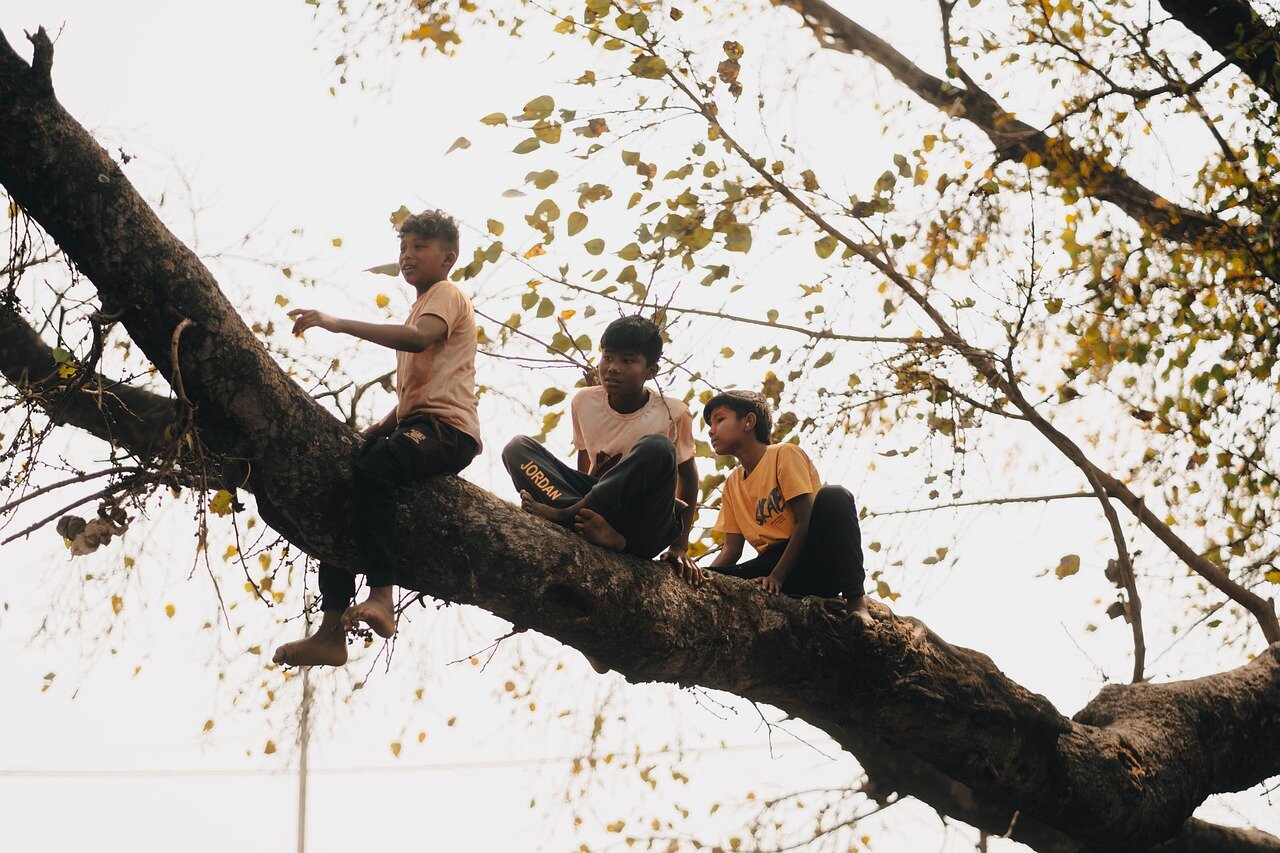
Cultural and historical background of the Asian squat
This posture is not merely a physical stance but is intertwined with daily life, social interactions, and historical practices across many countries, including China, Japan, India, and Southeast Asian nations.
Historically, the squat has been a practical adaptation to living conditions in many Asian societies. In rural areas, where sitting on the ground is common, the squat allows individuals to engage comfortably with their environment. This practice is often linked to the absence of chairs in traditional homes and communal spaces, making the squat a natural choice for relaxation and social gatherings. As urbanization has increased, however, the prevalence of Western-style seating has begun to alter these practices, leading to a gradual decline in the visibility of the Asian squat.
Health and Flexibility
This has led to discussions about the health benefits of maintaining such postures, particularly in promoting joint health and improving balance, and the role of physical activity in overall wellbeing.
Moreover, the Asian squat has gained attention in the context of global fitness trends, where it is sometimes promoted as a form of exercise or mobility training. As more people become aware of the benefits associated with this position, there is a growing interest in reclaiming the squat as an essential aspect of physical culture that transcends geographical boundaries. This shift reflects broader conversations about body awareness, movement practices, and the influence of cultural heritage on physical health.

Key factors influencing the ability to perform the Asian squat
The ability to perform the Asian squat, a deep squat position commonly seen in various Asian cultures, is influenced by a variety of stakeholders and issues. These include cultural practices, physical health considerations, and societal norms surrounding mobility and fitness. Understanding these factors is crucial for a comprehensive analysis of the topic.
One of the primary actors in this context is the general population, particularly in Asian countries where the squat is a common posture for resting or performing daily activities. For these individuals, the ability to squat comfortably is often tied to cultural identity and lifestyle. In contrast, people from Western countries may find the squat challenging due to differing cultural practices and lifestyle habits.
Healthcare professionals also play a significant role in this analysis. They are interested in the implications of mobility and flexibility on overall health. Issues such as joint health, muscle strength, and the risk of injury are central to their concerns. Additionally, physical therapists may advocate for the benefits of incorporating deep squats into fitness routines, highlighting the importance of flexibility and strength training.
- Health and Fitness Trends: The growing interest in functional fitness and mobility training has led to increased awareness of the Asian squat.
- Cultural Exchange: As globalization spreads, there is a blending of fitness practices, which can lead to greater acceptance and interest in the Asian squat.
- Legal and Economic Factors: In some regions, urban planning and public space design can influence the physical ability to squat, such as the availability of squat toilets.
Moreover, the economic implications cannot be overlooked. In areas where squat toilets are prevalent, the design of public restrooms can affect the ability of individuals to perform the Asian squat comfortably. This raises questions about accessibility and the need for culturally sensitive infrastructure in increasingly globalized urban environments.

How the Asian squat affects health and daily life
The Asian squat, a position where one squats with feet flat on the ground and thighs close to the calves, is a common posture in many Asian cultures. Its practice has implications for various groups, particularly in regions where this posture is prevalent. Populations in East and Southeast Asia, including countries like China, Japan, and Thailand, are most directly affected, as this position is often a part of their daily routines and cultural practices.
In the short term, the ability to perform the Asian squat can impact daily life significantly. For individuals accustomed to this posture, it provides comfort and ease in various activities, such as using public restrooms or engaging in social gatherings. However, for those unfamiliar with the squat, particularly in Western cultures where sitting in chairs is the norm, the inability to perform this squat can lead to discomfort or even embarrassment in social situations.
In the mid-term, the implications extend to health and wellness industries. As more people become aware of the benefits of the Asian squat, such as improved flexibility, better posture, and enhanced core strength, fitness centers and wellness programs may start incorporating this technique into their offerings. This shift could create opportunities for trainers and health professionals to develop specialized programs or workshops aimed at teaching the squat to a broader audience.
- Health Benefits: Improved flexibility and reduced risk of injury.
- Cultural Exchange: Increased interest in Asian cultures and practices.
- Market Opportunities: Growth in fitness and wellness programs focused on functional movement.
However, there are also risks associated with this trend. Misunderstanding or misapplying the technique can lead to injuries, particularly among those not accustomed to such movements. Additionally, as the squat gains popularity in non-Asian regions, there may be cultural appropriation concerns, where the practice is adopted without respect for its origins or significance.

A: The Asian squat is a deep squat position commonly practiced in many Asian cultures. It involves squatting down with feet flat on the ground and is often used for resting or performing daily tasks. A: The Asian squat promotes flexibility, strength, and balance. It can also help improve posture and alleviate lower back pain when done correctly. A: Yes, most people can learn to do the Asian squat with practice. It may require some flexibility training, especially for those not accustomed to squatting deeply. A: While generally safe, individuals with knee or hip issues should approach the Asian squat with caution. It’s important to listen to your body and avoid any pain. A: To improve, incorporate stretching and mobility exercises targeting the hips, ankles, and lower back. Gradually practice the squat position to build strength and flexibility.
Common questions about the Asian squat
Key takeaways and future implications of the Asian squat
The Asian squat, a fundamental movement pattern prevalent in many Asian cultures, serves as a testament to the interplay between physical capability and cultural practices. Understanding its implications can offer valuable insights into health, mobility, and lifestyle choices across diverse populations. As globalization continues to blend cultures, the adoption of such practices could influence fitness trends and ergonomic standards worldwide.
Moreover, as more individuals recognize the benefits of the Asian squat for flexibility and lower body strength, there may be a shift in how fitness programs are structured. Encouraging the integration of this movement into daily life could enhance overall well-being, particularly in populations experiencing sedentary lifestyles.
- Incorporating the Asian squat into daily routines may improve flexibility and reduce the risk of injury.
- Fitness programs could benefit from including culturally diverse movements to enhance engagement and effectiveness.
- As urban spaces evolve, designing environments that accommodate the Asian squat can promote healthier lifestyles.
- Awareness of different cultural practices can foster inclusivity in fitness and wellness communities.