


The research team, led by paleobiologist Dr. Emily Carter from the University of Alaska, utilized advanced DNA sequencing techniques to analyze coprolites, or fossilized dung, collected from permafrost in Siberia. The presence of mammoth DNA in these samples suggests that squirrels may have scavenged on the remains of these large animals, providing new insights into the dietary habits of small mammals during the Pleistocene epoch. For further reading on ecological networks, check out [Scientists Measure Earth’s Vast Underground Fungal Webs](https://thefocusinsight.com/earths-underground-fungal-webs/)
This discovery is significant as it not only sheds light on the ecological roles of small mammals but also raises questions about the behavior of woolly mammoths and their interactions with other species. The findings could lead to further research on the survival strategies of various animals during periods of climate change and habitat shifts.
As scientists continue to analyze these ancient droppings, they hope to uncover more information about the diets and ecosystems of prehistoric animals. This research could have broader implications for understanding how species adapt to environmental changes, a topic that remains relevant in today’s context of climate change.
Understanding the significance of ancient droppings in paleontology
Fossils have long been the cornerstone of paleontological research, providing insights into ancient life forms and ecosystems. However, recent discoveries have highlighted the importance of coprolites, or fossilized feces, as valuable sources of information. These ancient droppings can reveal dietary habits, environmental conditions, and even the interactions between species in prehistoric ecosystems. The recent finding of woolly mammoth meat within ancient squirrel coprolites exemplifies the potential of these biological remnants to unveil unexpected narratives about the past.
The significance of coprolites extends beyond mere curiosity; they can reshape our understanding of prehistoric food webs. For instance, the presence of mammoth remains in the droppings of squirrels suggests a more complex relationship between these species than previously understood. This discovery challenges the conventional view of woolly mammoths as solitary giants, indicating that smaller mammals may have played a role in their ecosystem, possibly scavenging or feeding on their remains.
Historically, the study of coprolites gained momentum in the late 20th century, as scientists began to appreciate their potential. Early findings largely focused on dinosaur droppings, which provided insights into the diets of these ancient reptiles. Over time, researchers expanded their focus to other species, illuminating the broader ecological contexts in which they lived. The recent analysis of squirrel coprolites containing mammoth meat marks a significant milestone in this ongoing exploration, showcasing the diverse narratives that these ancient remnants can tell.
The Evolution of Coprolite Research
Coprolite research has evolved significantly over the years, with advancements in technology allowing for more detailed analyses. Techniques such as DNA sequencing and isotopic analysis have enabled scientists to extract genetic material and trace the dietary patterns of ancient animals. This evolution has paved the way for groundbreaking discoveries, including the recent finding of woolly mammoth meat in squirrel droppings, which not only enriches our understanding of the past but also raises intriguing questions about the interactions between different species in ancient ecosystems.
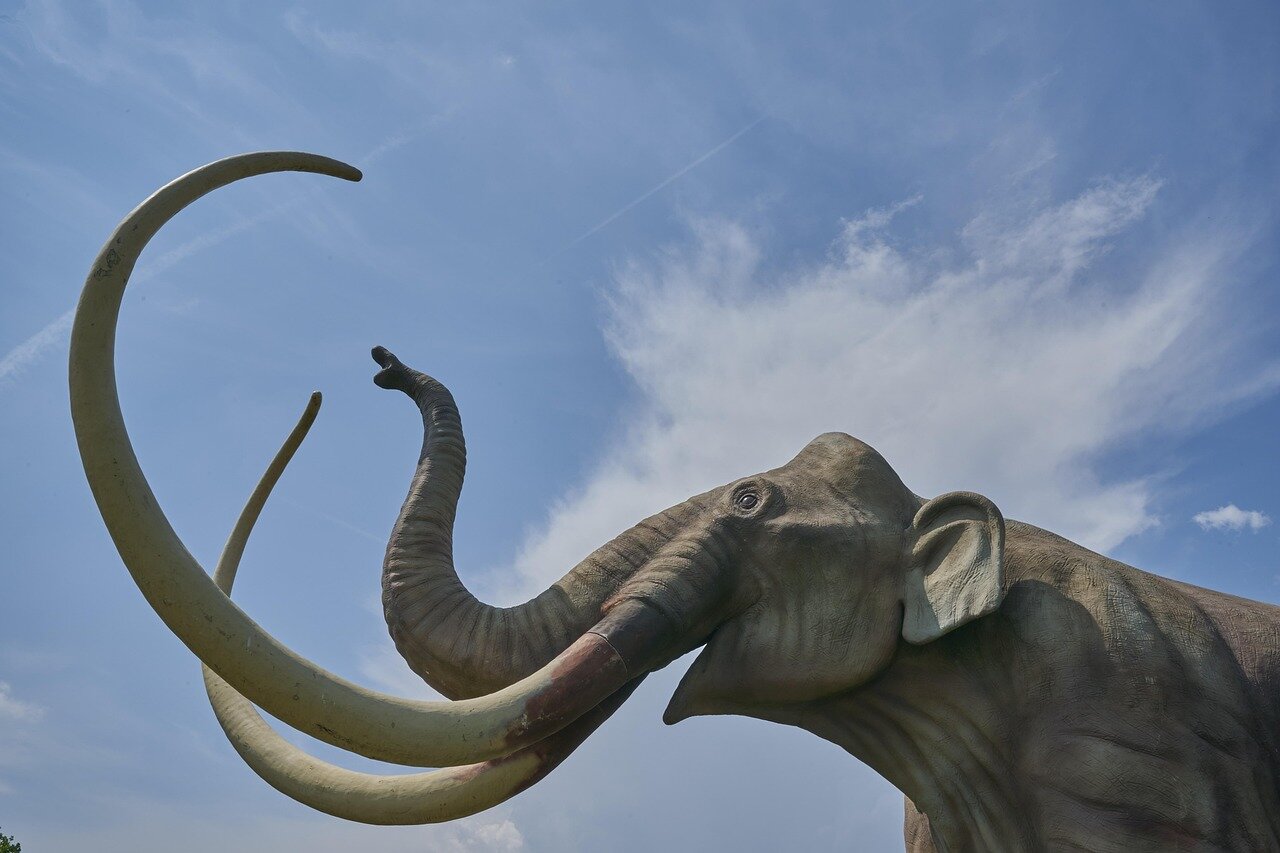
Examining the implications for prehistoric food chains and ecosystems
The discovery of woolly mammoth meat within ancient squirrel feces has sparked interest among various stakeholders, including paleontologists, environmental scientists, and indigenous communities. Each group has its own perspective on the significance of this find, influencing their research priorities and conservation efforts.
Paleontologists are particularly invested in understanding the dietary habits of prehistoric animals and how these habits influenced ancient ecosystems. This discovery could provide insights into the interactions between species during the Pleistocene epoch, shedding light on food chains that have long since vanished. The implications of such findings may also affect how researchers approach future excavations and studies.
Environmental scientists are concerned with the broader ecological impacts of these findings. The presence of woolly mammoth meat in ancient feces raises questions about climate change and its impact on species extinction. This discovery could lead to discussions about how current ecosystems are affected by historical climate shifts, and what lessons can be learned for today’s environmental challenges.
- Indigenous Communities: Many indigenous groups have historical ties to the woolly mammoth, and this find could influence their cultural narratives and conservation practices.
- Legal Issues: The excavation and study of ancient remains often involve legal considerations regarding ownership and repatriation of artifacts, which may create conflicts between institutions and indigenous peoples.
- Economic Interests: The potential for tourism related to prehistoric discoveries can create economic opportunities but also raises concerns about the commercialization of scientific findings.
- Research Funding: The significance of this discovery may attract funding for further research, impacting the allocation of resources within the scientific community.
In conclusion, the discovery of woolly mammoth meat in ancient squirrel poop opens up a complex web of interests and conflicts among various stakeholders. Understanding these dynamics is crucial for navigating the future of paleontological research and its implications for modern ecosystems.
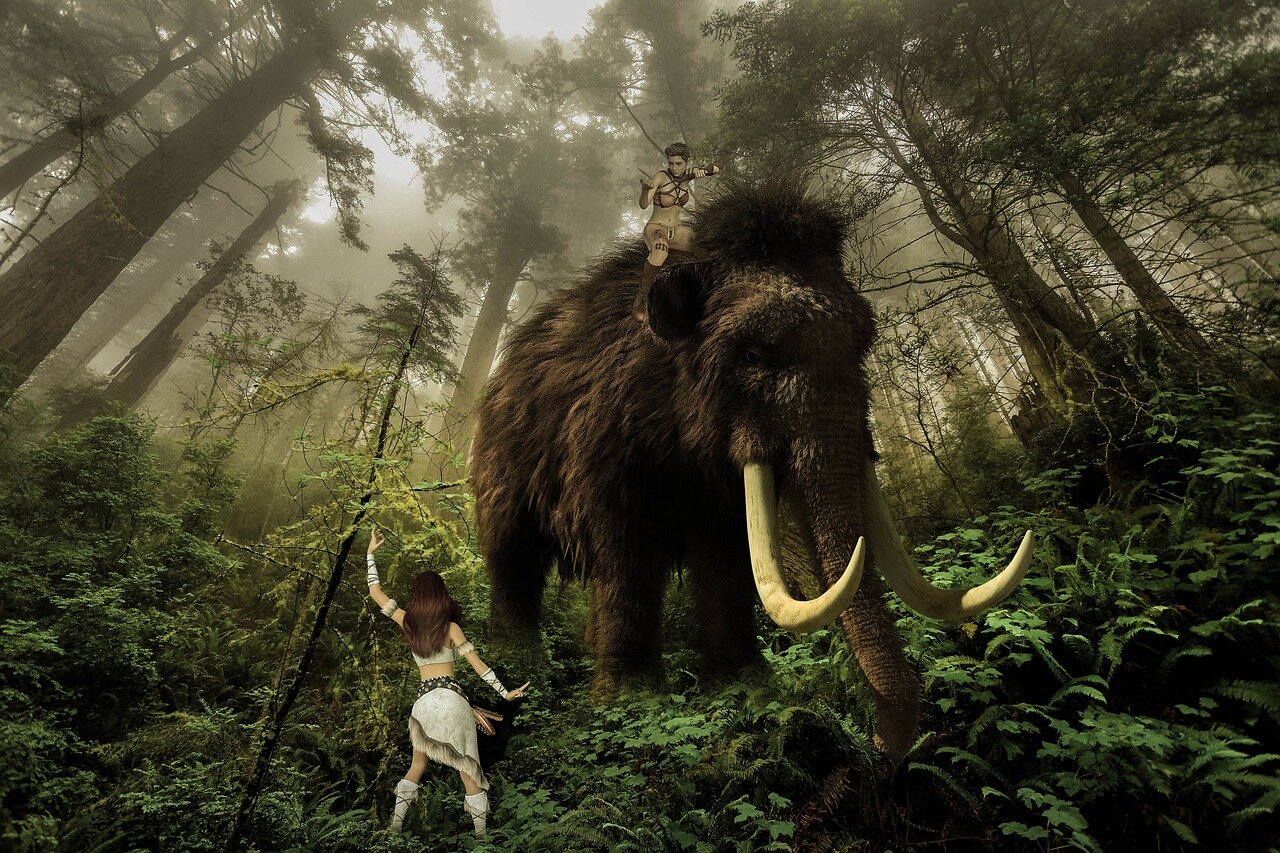
How this discovery affects our understanding of ancient wildlife
The discovery of woolly mammoth meat in ancient squirrel poop has significant implications for various groups, including researchers, environmentalists, and the food industry. Scientists studying ancient ecosystems will gain valuable insights into the dietary habits of prehistoric animals, which can reshape our understanding of their interactions with flora and fauna. This could lead to new avenues of research in paleontology and climate science.
Regions that were once home to woolly mammoths, such as parts of Siberia and Alaska, may see renewed interest from both academic institutions and tourism industries. The potential for educational tours and archaeological digs could stimulate local economies, providing jobs and attracting visitors eager to learn about ancient wildlife. Additionally, the food industry may explore the implications of this discovery for sustainable meat sourcing.
In the short term, this find could lead to increased funding for research projects focused on ancient ecosystems. It may also spark debates about conservation policies as scientists advocate for preserving the genetic material of extinct species. In the mid-term, businesses involved in biotechnology may seek to leverage this information for innovative food products or conservation efforts, potentially leading to breakthroughs in de-extinction or sustainable practices.
- Research Opportunities: Enhanced studies in paleontology and climate change.
- Economic Boost: Increased tourism and job creation in affected regions.
- Policy Discussions: New conservation strategies and debates on extinct species.
- Food Industry Innovations: Exploration of sustainable meat sourcing and biotechnology applications.
However, there are risks associated with this discovery. The hype surrounding ancient meat could lead to misrepresentation or commercialization that oversimplifies the complexities of extinct ecosystems. Additionally, ethical concerns may arise regarding the manipulation of ancient DNA in modern contexts. Balancing the excitement of discovery with responsible scientific practices will be crucial for all stakeholders involved.
A: This discovery suggests that woolly mammoths may have been more integrated into the ecosystem than previously thought, potentially influencing food sources for other species. A: Scientists used advanced genetic testing methods to analyze the ancient droppings, allowing them to identify DNA traces of woolly mammoth meat. A: Ancient droppings can provide valuable information about the diets of animals and the types of vegetation that existed, helping researchers understand past climate conditions. A: Yes, similar discoveries have been made with other species, revealing insights into ancient diets and ecosystems, which continue to shape our understanding of prehistoric life. A: Researchers plan to conduct further studies to explore the broader implications of this find, including its impact on food webs and species interactions in ancient environments.
Frequently Asked Questions about the discovery
Key takeaways and future research directions
The discovery of woolly mammoth meat within ancient squirrel feces offers a remarkable glimpse into the ecological interactions of the past. This finding not only sheds light on the diet of ancient creatures but also raises questions about the environmental conditions that allowed such preservation. As researchers delve deeper into this extraordinary find, the implications for understanding prehistoric ecosystems and climate change become increasingly significant.
Future studies may focus on the broader dietary habits of small mammals in relation to larger herbivores, as well as the potential for similar discoveries in other regions. This could enhance our understanding of species interactions and the impact of climate shifts on biodiversity during the last Ice Age.
- Interdisciplinary research opportunities: Collaboration between paleontologists, ecologists, and climate scientists could yield new insights into ancient ecosystems.
- Preservation techniques: Investigating the conditions that led to the preservation of organic materials in unusual contexts may inform future archaeological methods.
- Climate change implications: Understanding past climate conditions through such findings can provide valuable lessons for current environmental challenges.
- Broader dietary studies: This discovery may prompt further research into the diets of other small mammals and their roles in ancient food webs.