


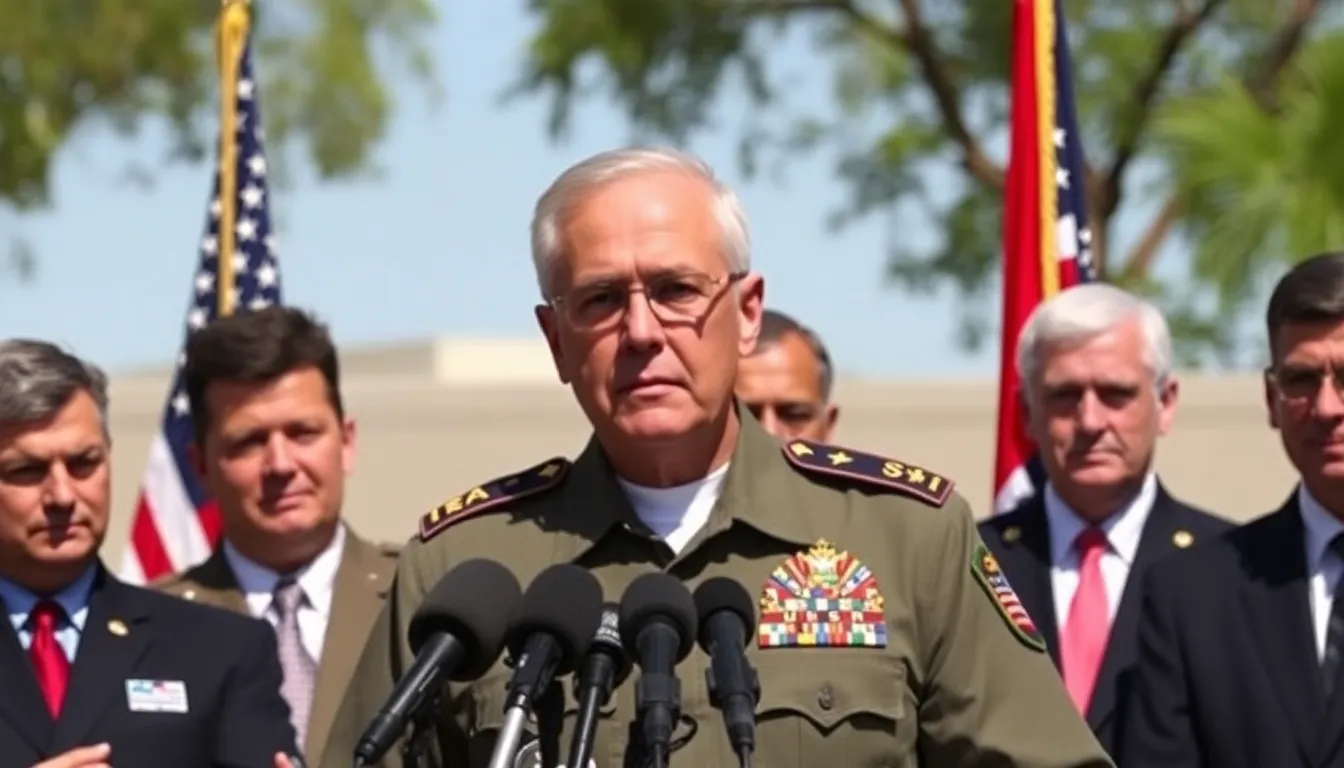
The commander emphasized the precision and care taken during military actions, asserting that all operations are conducted with strict adherence to rules of engagement. He highlighted the importance of distinguishing between combatants and non-combatants, stating that the U.S. military prioritizes the protection of civilian lives.
These comments follow heightened tensions in the region, particularly after a series of airstrikes attributed to U.S. forces in late September 2023. The strikes were aimed at military targets linked to Iranian-backed groups, but critics argue that the collateral damage may still impact innocent civilians, similar to the concerns raised in cases like previous military interventions.
The issue of civilian casualties remains a critical point of discussion among policymakers and human rights advocates. As the U.S. continues its operations in the Middle East, the implications of these actions could influence both domestic and international perceptions of U.S. military engagement.
Understanding the Background of the Claims
The recent dismissal of reports regarding civilian deaths in Iran by a top U.S. commander highlights the complex interplay of military operations, international relations, and human rights concerns. This situation is influenced by long-standing tensions between the U.S. and Iran.
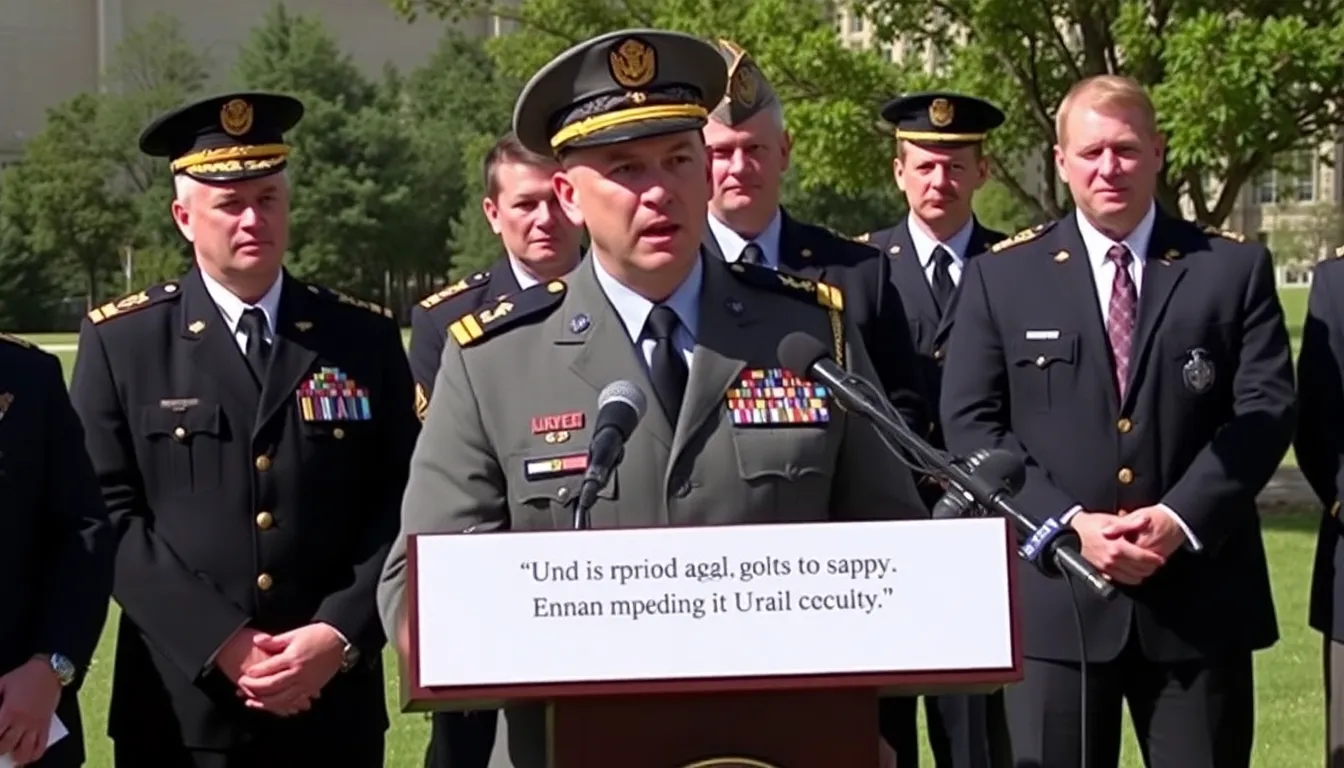
Over the years, U.S. military actions in the region, including the wars in Iraq and Afghanistan, have often raised questions about the impact on civilian populations. Reports of civilian casualties have sparked debates over the ethics of military intervention and the responsibilities of foreign powers in conflict zones. As U.S. military presence in the Middle East continues, the scrutiny over its operations has intensified, particularly in light of recent conflicts involving Iran-backed groups.
Key Milestones in U.S.-Iran Relations
Several pivotal moments have shaped the current landscape of U.S.-Iran relations. The 2003 invasion of Iraq, for instance, created a power vacuum that allowed Iran to expand its influence in the region. The subsequent rise of ISIS and the U.S. response further complicated the dynamics, as Iran’s involvement in fighting the terrorist group positioned it as both a regional ally and a point of contention for the U.S. military. Additionally, the 2015 nuclear deal, formally known as the Joint Comprehensive Plan of Action (JCPOA), initially seemed to pave the way for improved relations but ultimately fell apart following the U.S. withdrawal in 2018, leading to increased hostilities.
The ongoing geopolitical rivalry, coupled with domestic pressures within the U.S. and Iran, has made the issue of civilian casualties particularly contentious. As military operations continue, narratives surrounding such incidents often reflect broader political agendas, complicating the understanding of the actual situation on the ground.
Analyzing the Stakeholders Involved in the Dispute
The recent dismissal of reports concerning civilian deaths in Iran by a top U.S. commander highlights the complex interplay of various stakeholders in this situation. The primary actors include the U.S. government, Iranian authorities, human rights organizations, and the international community, each with distinct interests and perspectives on the issue.
The U.S. government, represented by military leaders and policymakers, aims to maintain national security and uphold its foreign policy objectives in the Middle East. By downplaying civilian casualties, they seek to justify military actions and reassure the public about the legitimacy of their operations. This stance, however, can lead to significant tensions with Iran, which perceives such actions as violations of its sovereignty and human rights.
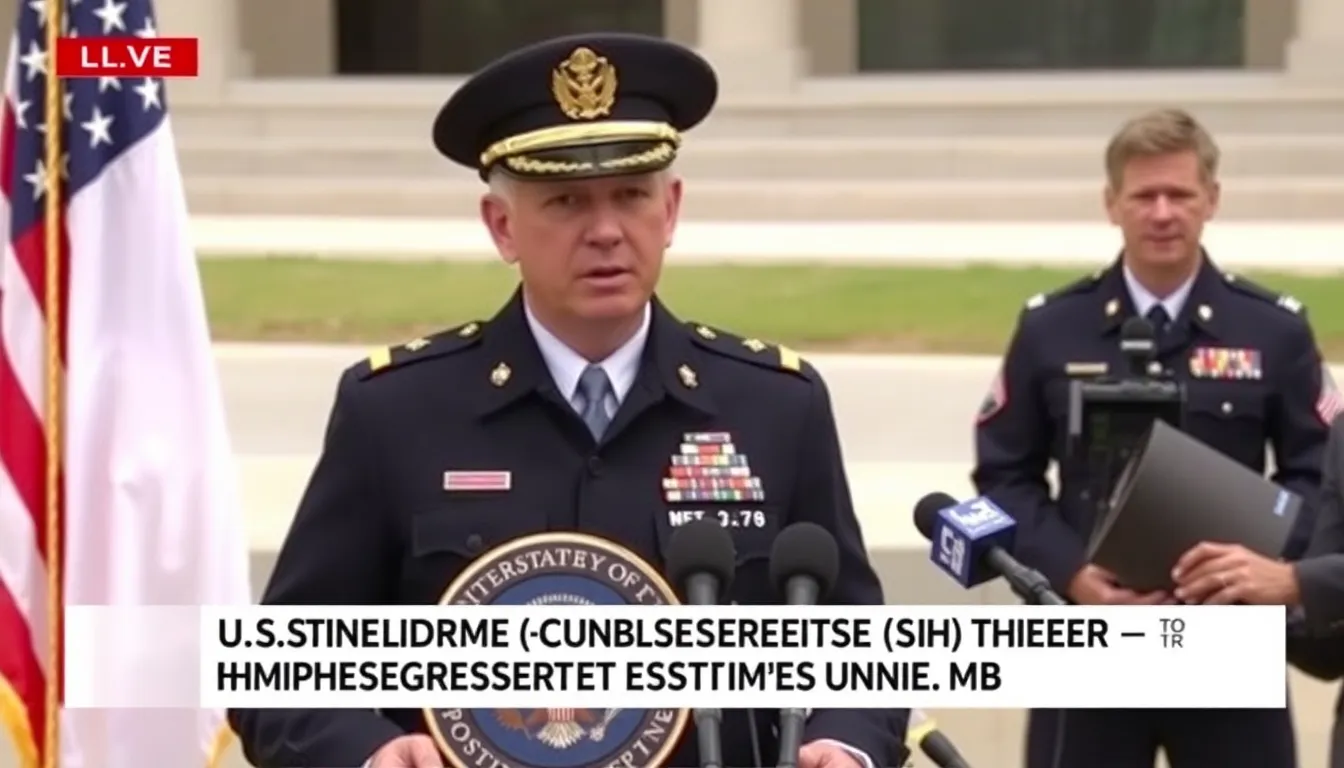
On the other hand, the Iranian government is keen to protect its image and maintain domestic stability. It often leverages allegations of U.S. aggression to rally nationalistic sentiments and consolidate power. This dynamic creates a challenging environment where both sides are reluctant to acknowledge the potential humanitarian impacts of military engagements, further complicating diplomatic relations.
Human rights organizations play a critical role in this discourse, advocating for accountability and transparency regarding civilian casualties. Their reports often contradict official narratives, leading to heightened tensions between these organizations and both the U.S. and Iranian governments. The legal implications of civilian deaths, particularly under international law, create additional pressure on both parties to address these issues transparently.
- The U.S. military’s interest in operational secrecy versus the need for accountability.
- Iran’s strategic use of civilian casualty narratives to bolster its political stance.
- The role of international law in regulating military conduct and protecting civilian lives.
- The impact of public perception and media coverage on government actions in both countries.
- Human rights organizations’ influence in shaping international opinion and policy.
Potential Impact on U.S.-Iran Relations
The dismissal of reports regarding civilian deaths in Iran by a top U.S. commander may have significant repercussions on various groups and sectors. Primarily, this situation affects diplomatic relations between the U.S. and Iran, which have been historically tense. The denial of civilian casualties can exacerbate anti-American sentiment in Iran, leading to increased hostility and potential retaliatory actions against U.S. interests in the region.
In the short term, communities in both the U.S. and Iran may experience heightened anxiety and uncertainty. For Iranian citizens, the potential for increased military action could disrupt daily life, leading to fears of conflict and instability. In the U.S., public opinion may shift, with increased scrutiny on military actions overseas and their impacts on civilian populations.
Industries related to defense and security may see a short-term boost as government spending on military operations and protective measures increases. Conversely, sectors such as tourism and international trade could face challenges as tensions rise, potentially leading to sanctions or travel restrictions that affect both nations.
- Increased military spending: Potential growth in defense contracts and related industries.
- Heightened diplomatic tensions: Risk of sanctions or other punitive measures affecting trade.
- Impact on public opinion: Shifting attitudes toward military intervention and foreign policy.
- Opportunities for diplomacy: Potential for renewed negotiations if civilian safety becomes a priority.
In the mid-term, businesses operating in or with ties to the Middle East may need to reassess their strategies and risk management approaches. Companies involved in oil and gas may also feel the impact of fluctuating prices due to geopolitical tensions. While risks abound, there may also be opportunities for firms specializing in conflict resolution and humanitarian aid to step in and provide support in affected regions.
A: The statement was made in response to reports alleging civilian casualties during military operations in Iran, which the commander deemed inaccurate. A: The dismissal of civilian death reports may escalate tensions, as Iran may view the U.S. stance as dismissive of human rights concerns. A: The commander’s remarks could influence future military strategies and public perception of operations in the region. A: Currently, there are no confirmed independent investigations, but calls for transparency are growing. A: Various international organizations have expressed concern over the reports, urging for a thorough investigation into the allegations.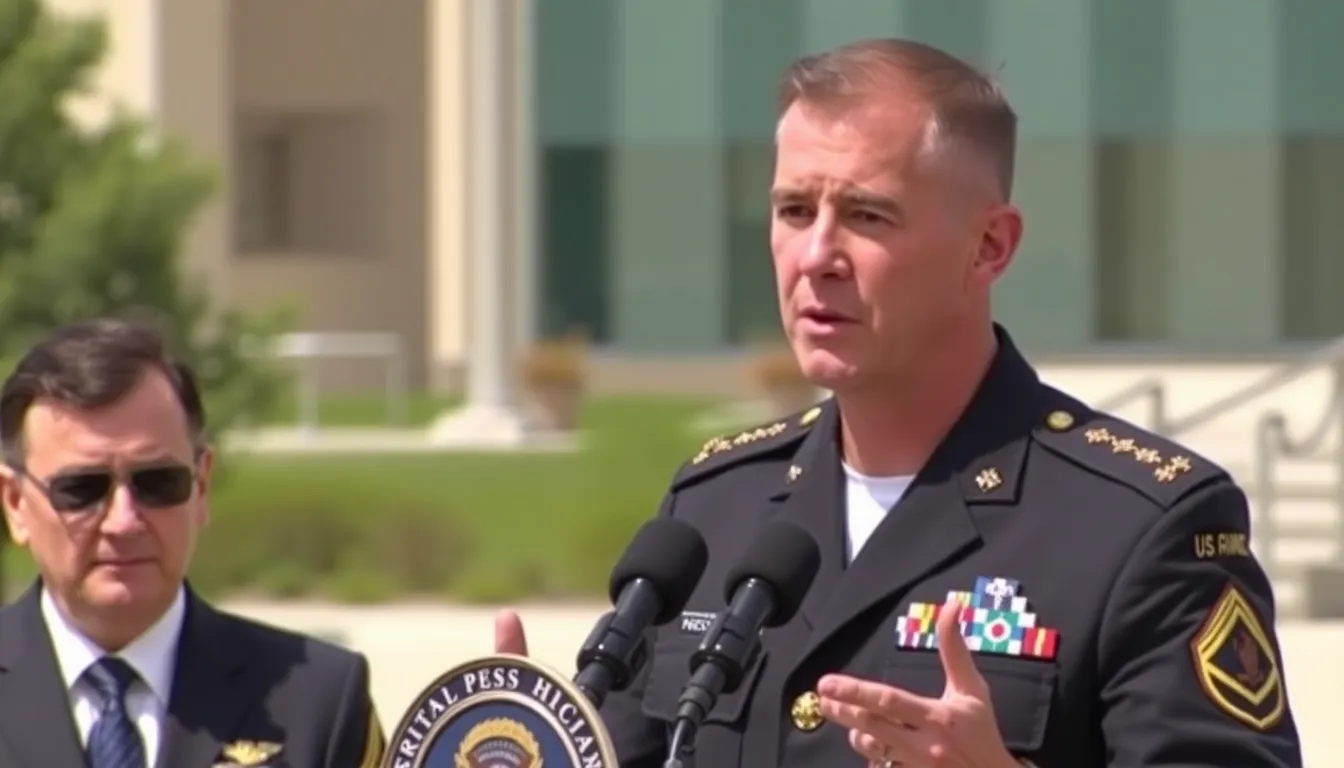
Frequently Asked Questions About the Incident
Key Takeaways and Future Implications
The dismissal of reports regarding civilian casualties in Iran by a top U.S. commander highlights the complexities surrounding military operations and the narratives that accompany them. As tensions in the region continue to evolve, the implications of this stance could resonate across diplomatic channels and influence public perception both domestically and internationally.
Moving forward, it will be crucial to monitor the responses from various stakeholders, including human rights organizations, the Iranian government, and the international community. The interplay between military actions and civilian impacts will likely shape future policy discussions and strategic decisions.
- Increased Scrutiny: Expect heightened scrutiny from international watchdogs and human rights groups regarding U.S. military operations in the region.
- Diplomatic Repercussions: The U.S. stance may provoke diplomatic tensions with Iran and its allies, leading to a potential escalation in regional conflicts.
- Public Opinion Shifts: Domestic public opinion may shift based on the perceived legitimacy of military actions and the humanitarian implications involved.
- Media Coverage Dynamics: The media will likely continue to explore the narrative around civilian impacts, influencing public discourse and policy advocacy.
- Future Military Engagements: This incident may set a precedent for how future military engagements are communicated and justified to both the public and international audiences.