


The discussions, initiated on October 5, 2023, in New York, brought together nations that are both major producers and consumers of fossil fuels. Key players included countries like Canada, France, and New Zealand, which have been vocal advocates for transitioning to renewable energy sources. For more insights on environmental advocacy, check out our article on the Genius of Ron Carter, which explores innovative solutions to climate challenges.
These negotiations are particularly significant as they reflect a shift in international climate strategy, moving from mere targets and commitments to concrete actions aimed at reducing reliance on fossil fuels. The urgency of these talks is amplified by recent climate events, including devastating wildfires and floods, which have highlighted the immediate impacts of climate change on communities worldwide.
Despite the hopeful tone of the discussions, challenges remain, particularly in reconciling the economic interests of fossil fuel-dependent nations with the global imperative to achieve net-zero emissions. The outcome of these talks could set a precedent for future climate negotiations and influence policies worldwide, making it a crucial moment for both environmental advocates and policymakers.
Understanding the backdrop of the UN climate negotiations
This urgency surrounding climate change has reached a critical point, prompting the first-ever talks aimed at phasing out fossil fuels. This development emerges from a backdrop of decades-long negotiations under the United Nations Framework Convention on Climate Change (UNFCCC), which began in the early 1990s. For a broader context on climate negotiations and their history, read about the impact of Trump administration cuts on U.S. preparedness.
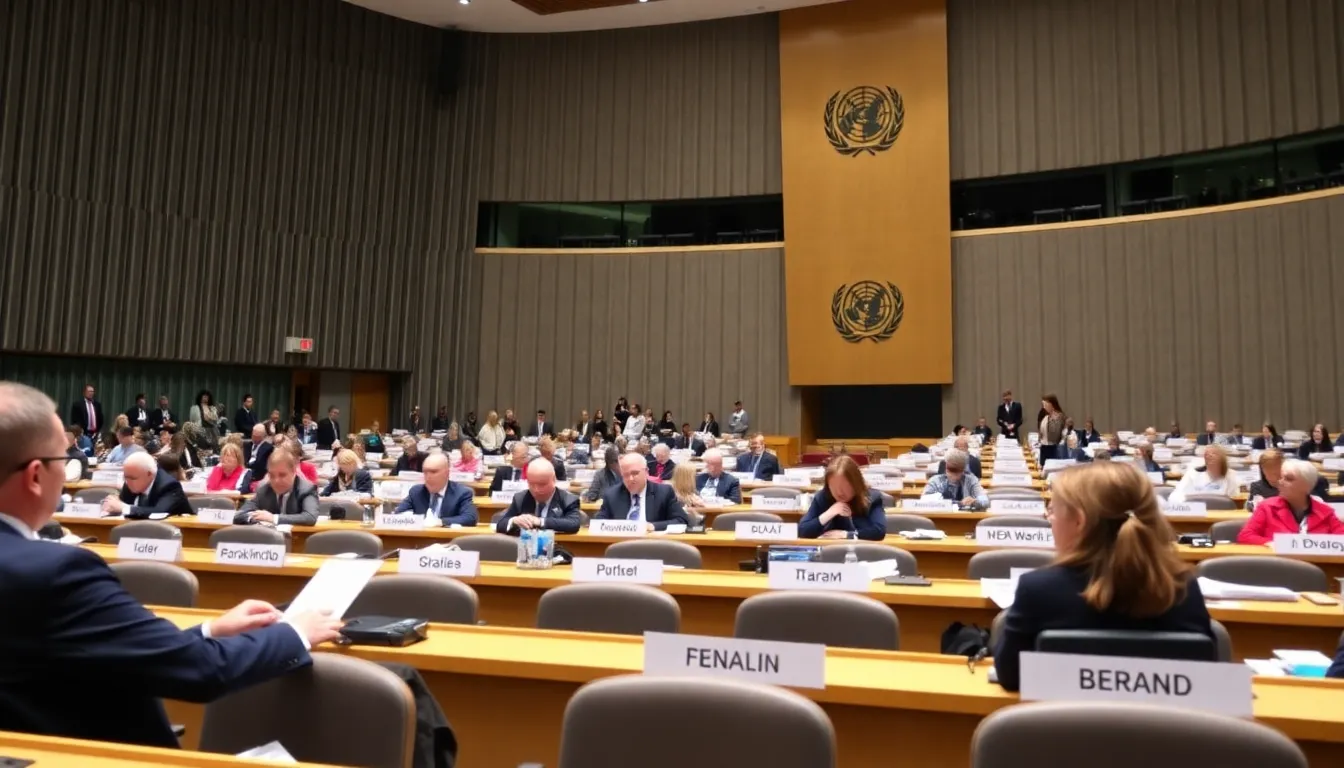
Historically, fossil fuels have been the backbone of industrial growth and economic development. Countries around the world have built their economies on oil, coal, and natural gas, leading to significant political and economic interests that often clash with environmental goals. This dependency has created a complex web of stakeholders, including governments, corporations, and communities, all of whom have a vested interest in maintaining the status quo, making it difficult to reach a consensus on drastic measures to curb fossil fuel use.
As the effects of climate change become increasingly severe, including extreme weather events and rising sea levels, public awareness and demand for action have intensified. Activist movements, particularly those led by young people, have gained momentum, calling for immediate and bold actions to address the climate crisis. The shift in public sentiment has pressured political leaders to consider more aggressive policies, culminating in the unprecedented discussions about phasing out fossil fuels altogether.
Key Milestones in Climate Negotiations
Several key events have shaped the trajectory of international climate negotiations. The 2015 Paris Agreement marked a pivotal moment, where countries committed to limiting global warming to well below 2 degrees Celsius. However, the agreement’s reliance on voluntary national targets has led to criticism regarding its effectiveness. Additionally, the 2021 Glasgow Climate Pact further highlighted the urgency to transition away from fossil fuels, with countries acknowledging the need for a collective effort to achieve net-zero emissions by mid-century. These milestones underscore the growing recognition of the need to address fossil fuel dependency as a central element of climate action.
Key stakeholders and issues in the fossil fuel discussions
The ongoing discussions regarding the reduction of fossil fuel usage have drawn in a diverse array of stakeholders, each with distinct interests and concerns. Key players include national governments, international organizations, environmental advocacy groups, and the fossil fuel industry itself. Each of these actors plays a critical role in shaping the dialogue around fossil fuel dependency and climate change mitigation.
National governments, particularly those heavily reliant on fossil fuel exports, face a challenging dilemma. On one hand, they must address climate commitments and public pressure for sustainable practices; on the other hand, they risk economic downturns if they transition too quickly away from fossil fuels. This tension often leads to conflicts within and between countries, impacting negotiations at international forums.
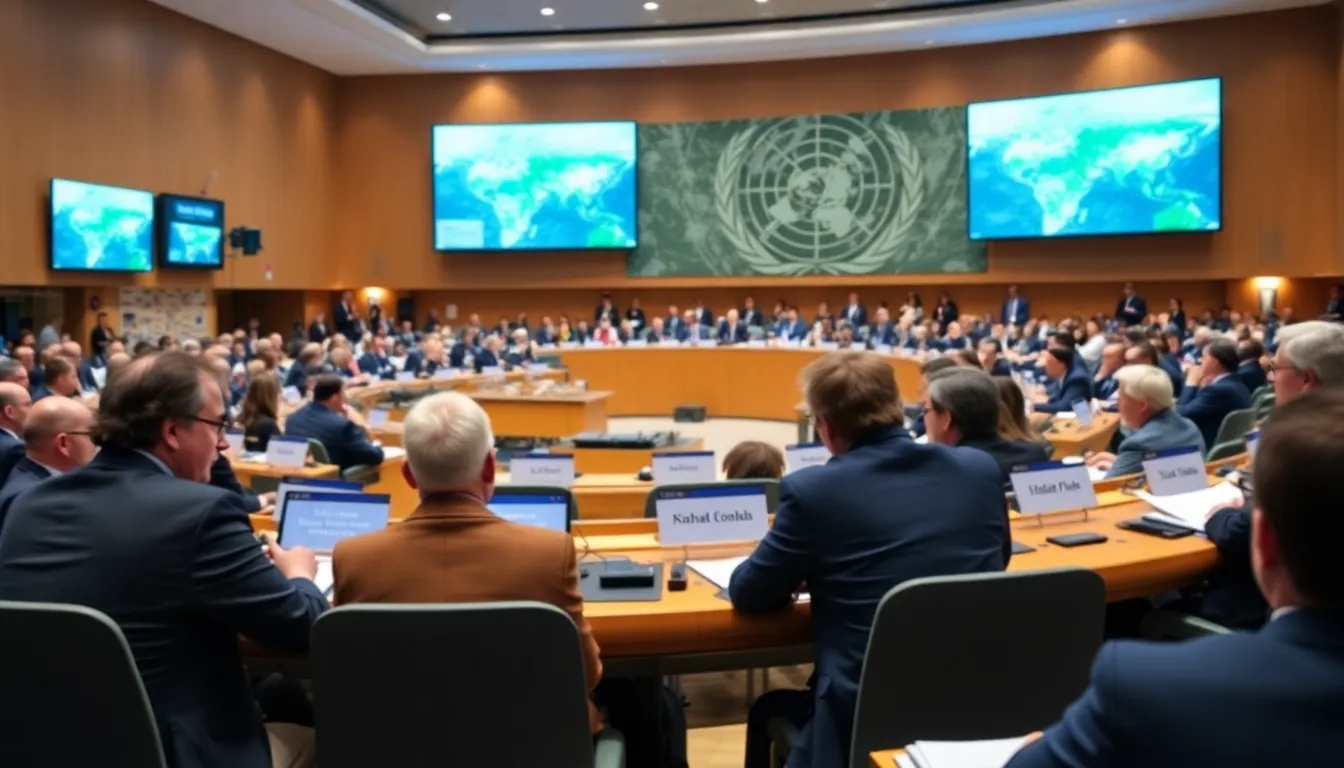
International organizations, such as the United Nations Framework Convention on Climate Change (UNFCCC) and the International Energy Agency (IEA), aim to facilitate discussions and establish frameworks for reducing carbon emissions. However, their effectiveness is often hampered by the differing priorities of member states, resulting in a deadlock that complicates meaningful progress. The challenge lies in aligning the goals of developed nations, which historically contributed more to greenhouse gas emissions, with those of developing nations, which seek economic growth and energy access.
Environmental advocacy groups advocate for aggressive action against fossil fuel dependency, emphasizing the urgent need to transition to renewable energy sources. Their influence is growing as public awareness of climate change increases, yet they often face opposition from the fossil fuel industry, which argues for the economic benefits of continued fossil fuel extraction and use. This complex landscape reflects ongoing challenges comparable to those faced in China trade talks.
- Economic dependency: Countries reliant on fossil fuel revenues may resist transitioning, fearing economic instability.
- Legal frameworks: Existing international agreements may limit the ability of nations to make unilateral changes to fossil fuel policies.
- Public sentiment: Growing environmental awareness among citizens can pressure governments to act, complicating negotiations.
- Technological advancements: The pace of innovation in renewable energy can influence the feasibility of reducing fossil fuel reliance.
- Equity concerns: The need for a just transition for workers and communities dependent on fossil fuel industries is increasingly recognized as a critical issue.
Potential impacts on global markets and communities
The ongoing discussions to phase out fossil fuels mark a significant turning point for various groups and industries worldwide. The energy sector, particularly oil and gas companies, stands to be deeply affected as they may face stricter regulations and a shift in consumer preferences towards renewable energy sources. This transition could lead to job losses in traditional energy sectors, particularly in regions heavily reliant on fossil fuel extraction.
In the short term, consumers may experience fluctuations in energy prices as markets adjust to the potential reduction in fossil fuel availability. Additionally, industries such as transportation, manufacturing, and agriculture, which heavily depend on fossil fuels, could see increased operational costs. This could lead to higher prices for goods and services, impacting daily life for many.

However, the mid-term effects could present opportunities for innovation and investment in renewable energy technologies. As governments and businesses pivot towards sustainable practices, new job opportunities in green energy sectors may arise. Regions that embrace renewable energy initiatives could also attract investments, boosting local economies and creating a more sustainable job market.
- Job displacement in fossil fuel industries.
- Increased energy prices affecting consumers and businesses.
- Investment opportunities in renewable energy technologies.
- Potential for economic growth in regions adopting sustainable practices.
- Policy shifts promoting environmental sustainability.
Ultimately, while the transition away from fossil fuels poses challenges, it also opens avenues for a more sustainable future. Communities that adapt to these changes may find themselves at the forefront of a new economic landscape, driven by innovation and a commitment to environmental stewardship.
A: The primary goals include establishing a framework for reducing fossil fuel dependency and promoting renewable energy sources. These talks aim to create actionable commitments from participating countries. A: The deadlock is largely due to differing national interests, economic concerns, and the varying pace of climate action among countries. This has led to challenges in reaching a unified agreement. A: Key players include representatives from major fossil fuel-producing countries, environmental organizations, and international bodies focused on climate change. Their differing priorities can complicate discussions. A: The discussions could lead to significant shifts in energy markets, impacting jobs in fossil fuel industries while promoting growth in renewable sectors. The transition may also affect energy prices globally. A: Failing to phase out fossil fuels could exacerbate climate change, leading to severe environmental and social impacts. This may result in increased natural disasters, health issues, and economic instability.
Frequently asked questions about the fossil fuel talks
Outlook on the future of fossil fuel negotiations
The recent discussions aimed at phasing out fossil fuels mark a pivotal moment in global climate negotiations. As the UN climate talks face increasing deadlock, the introduction of these talks highlights a growing recognition of the urgent need to transition to renewable energy sources. The outcomes of these initial discussions could set the tone for future negotiations and influence international climate policies.
Stakeholders must remain vigilant as the implications of these talks unfold. The balance between economic interests and environmental responsibilities will be crucial in shaping the global response to climate change. Observers should closely monitor the reactions of major fossil fuel-producing nations and the commitments made by other countries to support a sustainable energy transition.
- Increased pressure on fossil fuel-dependent economies: Countries reliant on fossil fuel exports may face significant economic challenges as global demand shifts.
- Potential for innovative energy solutions: The push to phase out fossil fuels could spur advancements in renewable energy technologies and infrastructure.
- Global cooperation is essential: Effective collaboration among nations will be critical to address the complexities of transitioning to a low-carbon economy.
- Public sentiment may drive policy change: Growing awareness and activism around climate issues could influence governments to adopt more aggressive climate policies.
- Monitoring commitments and accountability: The effectiveness of these talks will depend on the establishment of clear accountability measures for nations participating in the phase-out.