


By incorporating familiar visuals and sounds, Mixtape taps into a growing trend within the gaming industry where nostalgia plays a vital role in attracting audiences, as discussed in Glen Schofield’s insights on creativity in gaming.
Critics have praised the game for its engaging mechanics and vibrant art style, noting how it successfully captures the spirit of the era it references. As players navigate through various levels, they encounter challenges that echo classic gaming experiences, making it a compelling choice for both new and veteran gamers. The game’s reception underscores a broader cultural phenomenon where nostalgia is not just a passing trend but a significant aspect of entertainment today.
With its recent launch, Mixtape has sparked conversations about the role of nostalgia in modern gaming. As more titles emerge that celebrate past influences, the industry may see a shift towards more retro-inspired designs and storytelling. This movement raises questions about the future of gaming and how developers can balance innovation with the comforting allure of nostalgia.
Exploring the cultural influences behind Mixtape
The Australian indie video game Mixtape draws heavily on the cultural landscape of the late 20th century, a time marked by significant shifts in music, film, and technology. The 1980s and 1990s were pivotal decades that saw the rise of alternative rock bands like The Smashing Pumpkins, whose innovative sound and aesthetic resonated with a generation grappling with the complexities of modern life. This era was not just about music; it was also characterized by iconic films such as Ferris Bueller’s Day Off, which captured the spirit of youth and rebellion, themes that are intricately woven into the fabric of Mixtape.
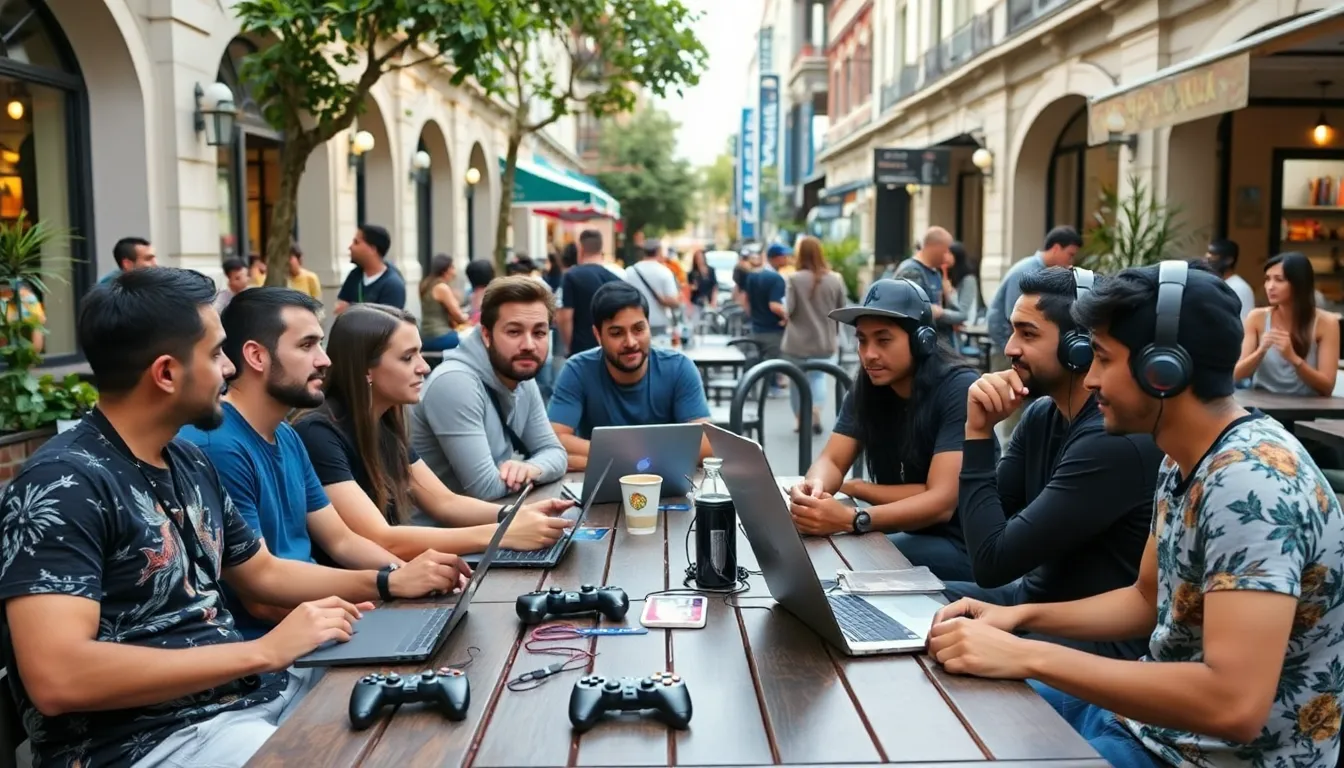
This shift has allowed projects like Mixtape to flourish, reflecting the diverse experiences of their creators and their audiences, much like how the trailer for new creative projects often showcases cultural influences.
Nostalgia in Gaming
Nostalgia has become a powerful tool in the gaming industry, with many titles invoking memories of simpler times. Mixtape stands out by not only referencing music and film but also by incorporating gameplay mechanics that feel familiar to those who grew up in the 80s and 90s. This trend is not new; games like Stranger Things: The Game and various retro-inspired indie titles have successfully leveraged nostalgia to captivate audiences. Mixtape builds on this foundation, creating a rich tapestry of cultural references that resonate with players.
Moreover, the economic landscape has shifted dramatically since the days of traditional gaming. With the rise of indie developers, there is now more freedom to experiment with creative ideas that might not fit into mainstream gaming. This shift has allowed projects like Mixtape to flourish, as they can take risks and explore unique narratives that reflect the diverse experiences of their creators and their audiences. The game’s success is a testament to the enduring power of nostalgia and its ability to connect generations through shared cultural touchstones.
Key themes and stakeholders in the indie game scene
The release of the Australian indie video game Mixtape, which draws inspiration from cultural icons like the Smashing Pumpkins and Ferris Bueller, highlights various stakeholders in the gaming industry. These include game developers, publishers, players, and cultural institutions. Each group has distinct interests that shape the landscape of indie gaming and its reception.
Game developers, particularly those in the indie sector, are often driven by creative freedom and the desire to connect with audiences through nostalgia. They seek to innovate while also tapping into familiar themes that resonate with players. On the other hand, publishers may prioritize profitability and market trends, which can sometimes lead to conflicts over creative direction and funding. This dynamic creates a trade-off between artistic expression and commercial viability.

Players, as the end consumers, play a crucial role in this ecosystem. Their preferences and feedback can influence game development significantly. The rise of nostalgia-driven content reflects a demand for experiences that evoke emotional connections to the past. However, this trend may also lead to a saturation of similar themes, potentially stifling innovation in the indie scene.
- Economic Issues: Funding and investment in indie games can be limited, impacting the ability of developers to bring their visions to life.
- Legal Considerations: Copyright and intellectual property rights are critical, especially when drawing inspiration from existing cultural works.
- Market Dynamics: The competition between indie and mainstream games can affect visibility and success rates for new releases.
- Cultural Impact: The representation of nostalgia in games can influence societal perceptions of past eras and cultural icons.
Governments and regulatory bodies also play a role, particularly in terms of funding initiatives for the creative industries and establishing frameworks for copyright protection. Their support can foster a thriving indie game ecosystem, but may also impose regulations that impact how games are developed and marketed. Balancing these interests is essential for the continued growth of the indie gaming sector in Australia and beyond.
How Mixtape affects players and the gaming market
The game’s unique blend of music and gaming is likely to resonate with those who appreciate indie game development and creative storytelling, similar to the discussions around environmental impacts in various cultural contexts.
In the short term, Mixtape is expected to generate excitement within the gaming community, driving increased engagement on social media platforms and gaming forums. This heightened interest may lead to a surge in sales not only for the game itself but also for related merchandise. Additionally, local Australian businesses, particularly those in the entertainment and retail sectors, may see a boost as gamers flock to events or stores that celebrate the game’s launch.
In the mid-term, Mixtape could influence the indie gaming market by inspiring other developers to explore similar themes or nostalgic elements in their projects. This shift may lead to a broader trend in gaming where retro aesthetics and storytelling become more prevalent. However, there are risks associated with this trend, such as market saturation or the potential for nostalgia fatigue among players.
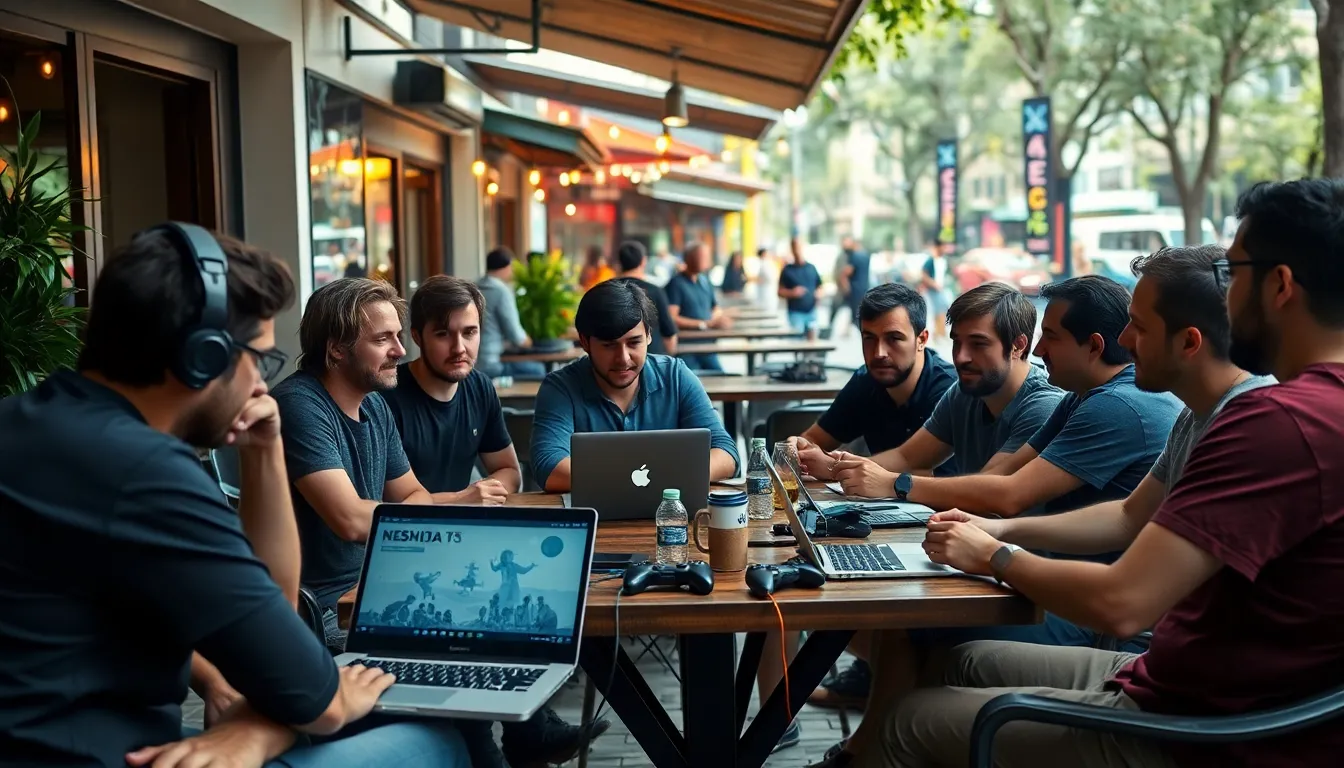
- Opportunities: Increased visibility for Australian indie developers.
- Risks: Potential oversaturation of nostalgia-themed games.
- Impact on local businesses: Boost in sales for related merchandise and events.
Furthermore, as Mixtape garners attention, it could prompt discussions around funding and support for indie game developers in Australia. Policymakers may take note of the game’s success and consider initiatives to promote the local gaming industry, potentially leading to new grants or incentives for emerging developers. This could create a more vibrant gaming ecosystem, fostering innovation and collaboration among creators.
A: Mixtape is available on PC and major gaming consoles, allowing a wide range of players to enjoy it. A: Mixtape targets players of all ages, particularly those who have a fondness for 80s and 90s pop culture. A: Currently, Mixtape focuses on a single-player experience, but future updates may include multiplayer options. A: The game features original tracks inspired by the band’s style, enhancing the nostalgic atmosphere. A: Yes, Mixtape has a rich storyline that intertwines various nostalgic elements, making it an engaging experience.
Frequently asked questions about Mixtape
Looking ahead at the future of nostalgic gaming
The emergence of Mixtape, with its blend of cultural references and engaging gameplay, highlights a growing trend in the indie gaming sector that capitalizes on nostalgia. This game not only appeals to those who have fond memories of the 80s and 90s but also introduces younger audiences to a rich tapestry of pop culture, fostering intergenerational connections through shared experiences.
As the gaming landscape continues to evolve, developers may increasingly draw on nostalgia as a powerful tool for storytelling and engagement. The success of titles like Mixtape suggests that there is a significant market for games that evoke the past while offering fresh and innovative gameplay mechanics.
- Expect more indie games to incorporate nostalgic elements, blending retro aesthetics with modern gameplay.
- Watch for collaborations between game developers and music artists to create immersive experiences that resonate with players.
- Consider the potential for nostalgia-driven games to foster community engagement and discussions among diverse age groups.
- Keep an eye on how nostalgia influences marketing strategies in the gaming industry, as it can attract both older and younger audiences.