


The layoffs were disclosed on October 4, 2023, during a company-wide meeting led by CEO Mark Zuckerberg. He emphasized the need for Meta to become more efficient and adapt to a rapidly changing digital landscape, which has seen a decline in advertising revenue and increased competition from other tech firms.
This workforce reduction marks the second major round of layoffs for Meta in less than a year, following a previous cut of about 11,000 jobs announced in November 2022. The ongoing restructuring efforts reflect the company’s response to financial pressures and its commitment to refocusing on key areas of growth, such as artificial intelligence and the metaverse.
Industry analysts note that these layoffs could have significant implications for the tech sector as a whole, potentially setting a precedent for other companies facing similar challenges. As Meta navigates this transition, the impact on employee morale and company culture remains a critical concern for stakeholders.
Recommended Articles
- DR Congo president hints at extending term and delaying elections
- China eliminates tariffs for nearly all African nations
- New Xbox boss Asha Sharma hints at Discord collaboration amid Game Pass strategy
- England's Wood aims to return to bowling this summer
- Hantavirus outbreak on cruise ship prompts evacuation in Cape Verde
- DR Congo president hints at extending term and delaying elections
- China eliminates tariffs for nearly all African nations
- New Xbox boss Asha Sharma hints at Discord collaboration amid Game Pass strategy
- England's Wood aims to return to bowling this summer
- Hantavirus outbreak on cruise ship prompts evacuation in Cape Verde
Understanding the background of Meta’s decision
In recent years, Meta, previously known as Facebook, has faced a series of challenges that have significantly impacted its operational strategies and workforce. The company, which has been at the forefront of social media innovation, has seen its growth trajectory hindered by increasing regulatory scrutiny, privacy concerns, and changing user behaviors. These factors have prompted Meta to reassess its business model and workforce needs, ultimately leading to the reported decision to cut 10% of its workforce, affecting approximately 8,000 employees.
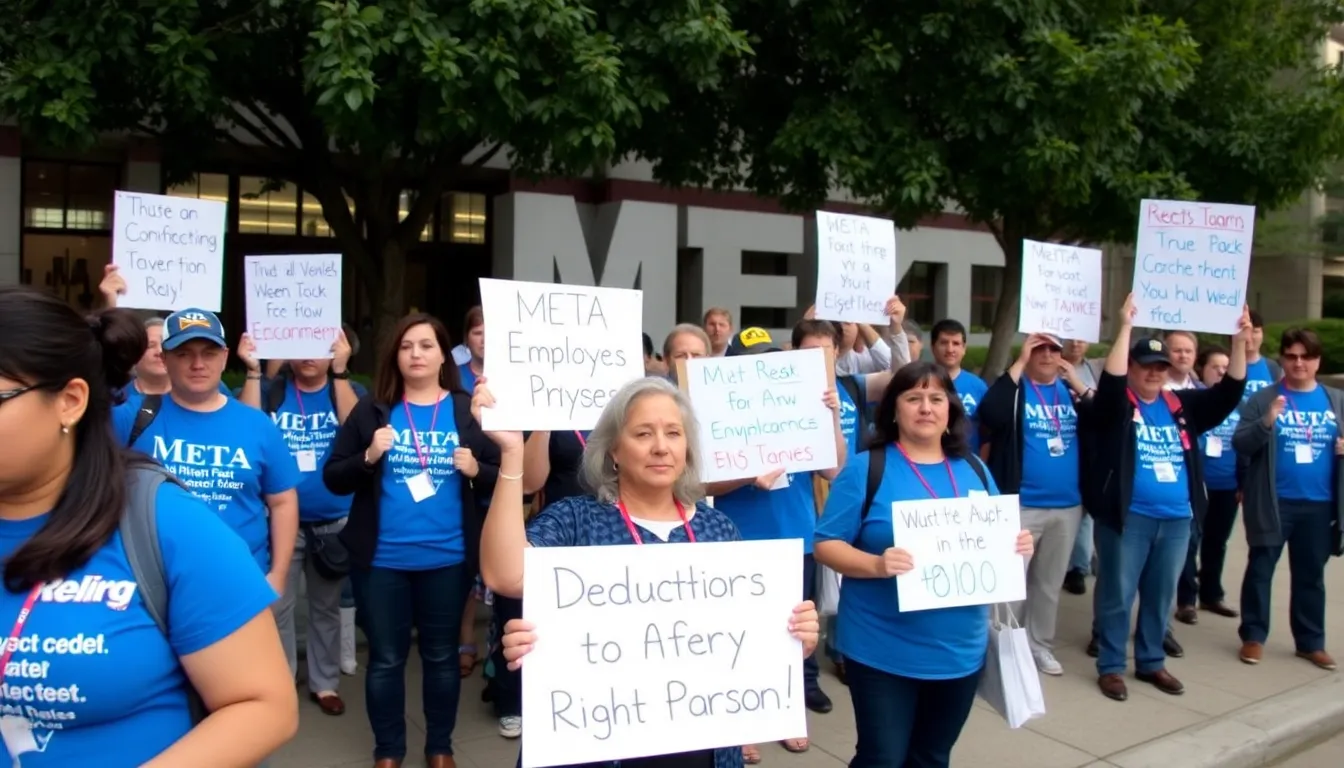
The tech industry as a whole has been navigating a tumultuous economic landscape. Following a period of rapid expansion during the COVID-19 pandemic, many companies, including Meta, experienced a surge in user engagement and advertising revenue. However, as the world began to return to normalcy, this growth proved unsustainable. Economic uncertainties, such as inflation and rising interest rates, have forced companies to tighten their belts, resulting in layoffs across various sectors.
The impact of regulatory challenges
Meta’s operations have also been significantly affected by regulatory pressures. Governments worldwide have intensified their scrutiny of big tech companies, focusing on issues such as data privacy, misinformation, and monopolistic practices. This regulatory environment has not only strained Meta’s resources but has also led to increased operational costs, prompting the company to consider workforce reductions as a means to stabilize its financial standing.
Furthermore, internal challenges, including employee dissatisfaction and a shift in company culture, have contributed to the decision to downsize. The push for greater transparency and accountability within the organization has led to a reevaluation of team structures and roles, making it essential for Meta to align its workforce with its evolving business priorities.
As Meta embarks on this significant transition, it reflects a broader trend within the tech industry, where companies are increasingly prioritizing efficiency and adaptability in response to a rapidly changing market landscape. The decision to cut jobs is a stark reminder of the challenges that even the largest tech firms face as they navigate both external pressures and internal transformations.
Key stakeholders and issues surrounding the layoffs
The recent announcement by Meta regarding the reduction of its workforce by 10%, impacting approximately 8,000 employees, has significant implications for various stakeholders involved. The primary actors in this scenario include Meta’s management, the affected employees, shareholders, and the broader tech industry.
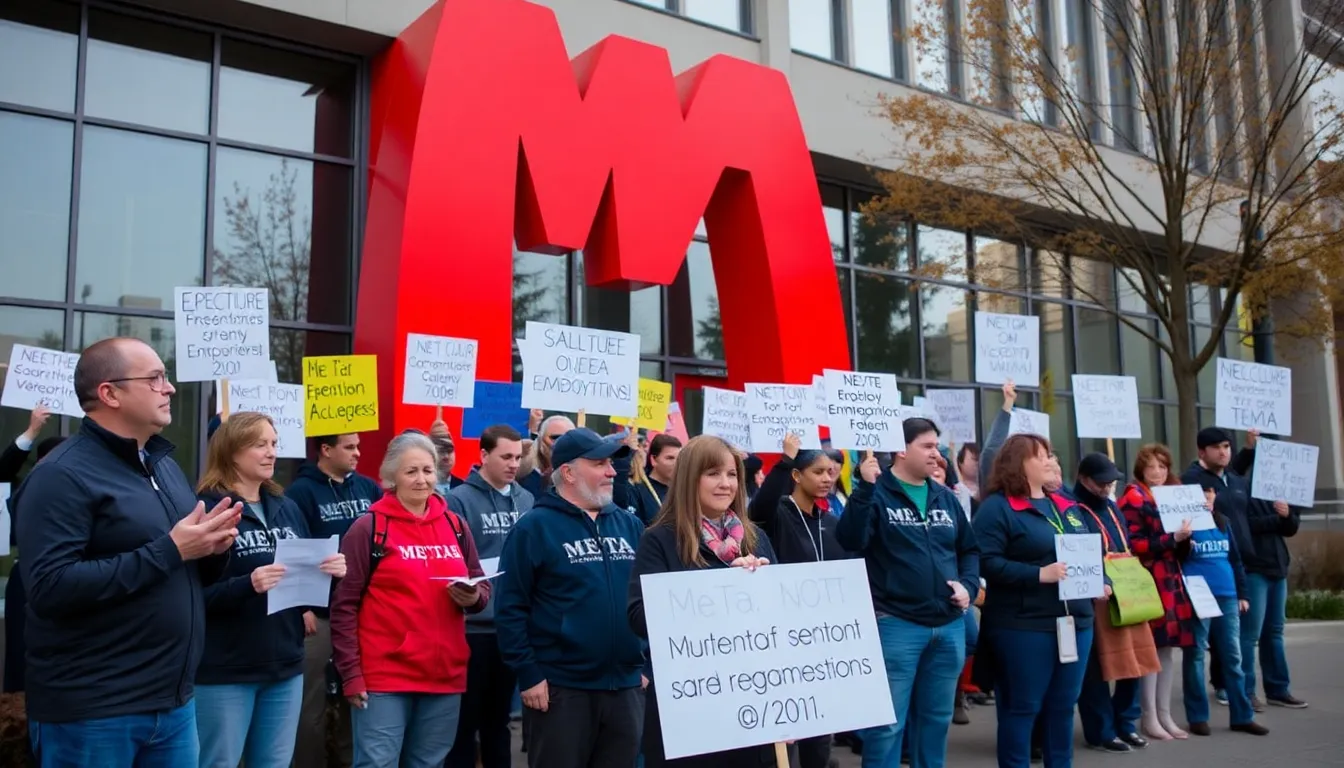
Meta’s management, led by CEO Mark Zuckerberg, is primarily focused on cost-cutting measures and improving the company’s financial performance amidst a challenging economic landscape. This decision reflects a strategic pivot in response to declining revenues and increased competition. However, it raises concerns about employee morale and the company’s long-term innovation capabilities.
Affected employees are understandably the most directly impacted group. Many of these individuals face uncertainty regarding their future employment and financial stability. The layoffs could lead to a ripple effect in the job market, particularly in tech hubs where Meta has a significant presence. This situation could exacerbate existing tensions in the labor market, as skilled workers may find it challenging to secure new positions in a contracting industry.
- Shareholders: They may view the layoffs as a necessary step to enhance profitability, but they also risk backlash if the layoffs lead to a decline in productivity or innovation.
- Government regulators: As Meta navigates this transition, it may attract scrutiny regarding labor practices and compliance with employment laws, especially in light of previous antitrust concerns.
- Tech industry peers: Other companies may observe Meta’s actions closely, weighing the potential need for similar measures in their own organizations, which could lead to a broader trend of layoffs across the sector.
In summary, the key issues surrounding Meta’s workforce reduction involve a complex interplay of economic pressures, employee welfare, and the strategic direction of the company. As these stakeholders navigate the implications of this decision, the broader tech ecosystem will be watching closely for potential shifts in employment practices and market dynamics.
The impact of layoffs on employees and the market
The recent decision by Meta to cut approximately 10% of its workforce, impacting around 8,000 employees, has reverberated across various sectors. The layoffs primarily affect technology workers, particularly in software development, product management, and support roles. Additionally, the ripple effects may extend to ancillary industries, such as recruitment firms, training providers, and local businesses that rely on the spending power of these employees.
In the short term, the layoffs will likely lead to increased unemployment rates in tech hubs, particularly in regions such as Silicon Valley, where Meta is headquartered. This sudden influx of skilled workers into the job market may create a competitive environment, making it challenging for those affected to secure new positions quickly. Businesses in the area may also experience reduced consumer spending as laid-off employees tighten their budgets.
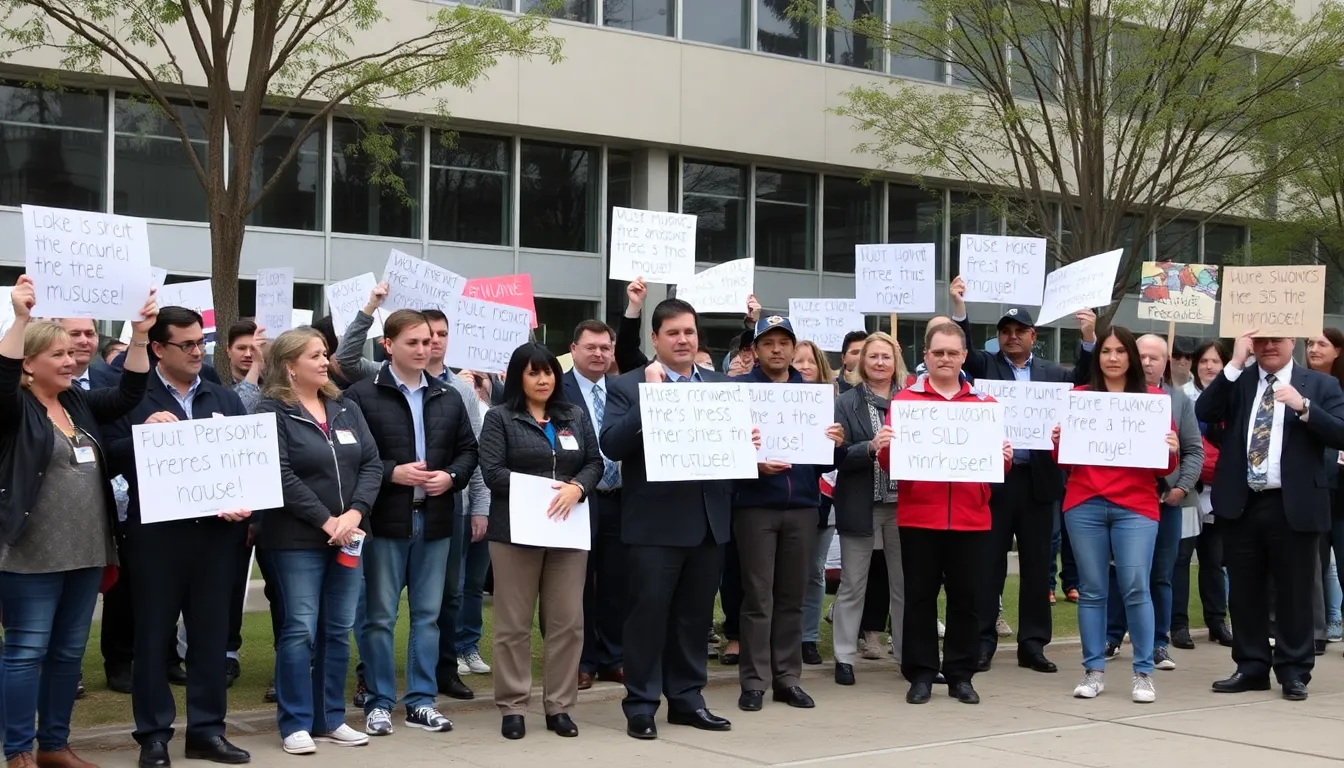
Mid-term impacts could include shifts in the labor market dynamics, where companies may benefit from a larger pool of talent. This could lead to a reevaluation of hiring practices and a potential increase in wages as firms compete for skilled workers. Furthermore, the layoffs may prompt a broader discussion about job security and employee welfare within the tech industry, potentially influencing future policies related to workforce management.
- Risks: Increased unemployment in tech sectors, reduced consumer spending, and potential economic downturns in affected regions.
- Opportunities: A larger talent pool for employers, potential wage increases, and a push for better labor policies in the tech industry.
As Meta navigates these changes, the implications for both the employees affected and the broader market will unfold, highlighting the delicate balance between corporate strategy and workforce stability.
A: Meta is implementing workforce reductions to streamline operations and reduce costs amid changing market conditions. A: Approximately 8000 employees will be impacted by the 10% workforce reduction. A: The exact timeline for the layoffs has not been disclosed, but they are expected to occur in the coming months. A: Meta has stated that it will provide severance packages and support services to help affected employees transition. A: The layoffs may lead to a more focused business strategy, but could also impact morale and productivity in the short term.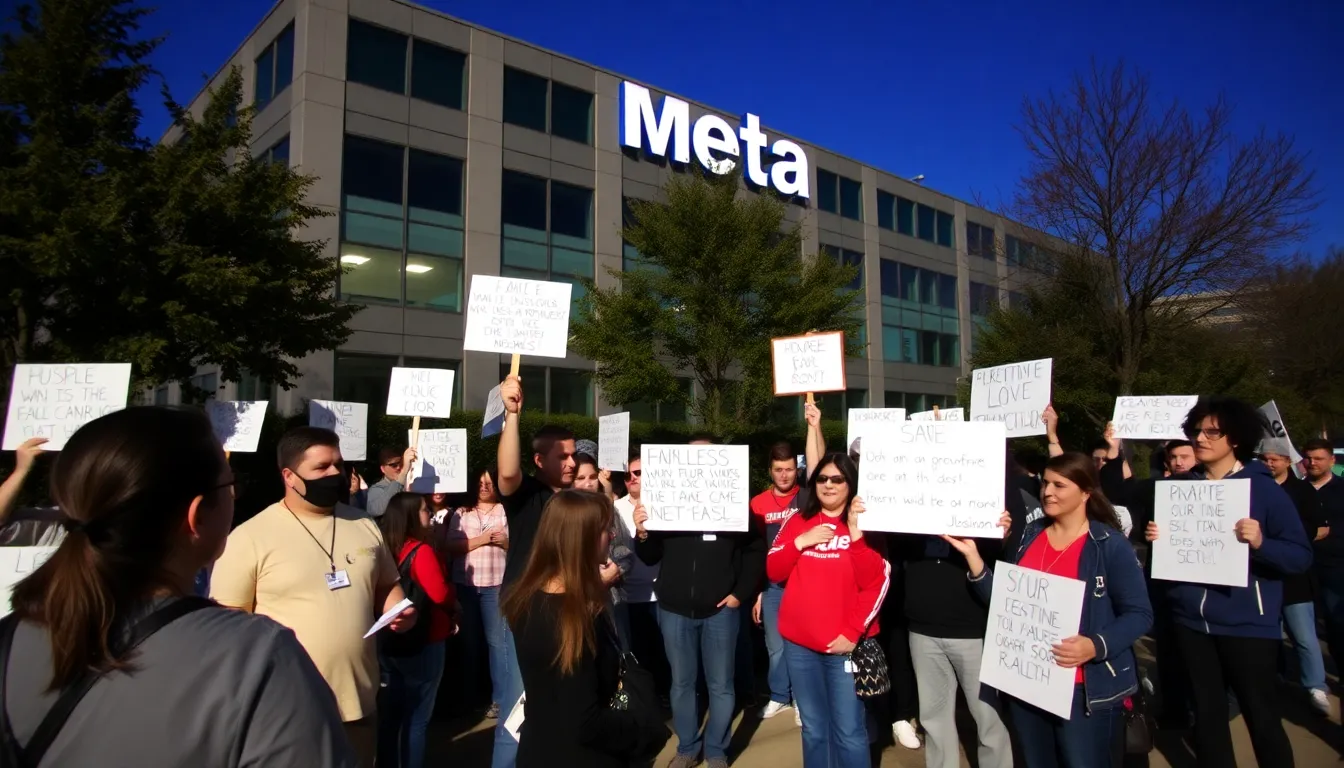
Frequently asked questions about Meta’s layoffs
Key takeaways and future outlook on Meta’s strategy
The recent decision by Meta to reduce its workforce by 10%, impacting approximately 8,000 employees, signals a significant shift in the company’s operational strategy. This move reflects broader trends within the tech industry, where many companies are reevaluating their growth trajectories in response to economic pressures and changing market dynamics. As Meta navigates this transition, the implications for its business model and future initiatives will be crucial to monitor.
Investors and stakeholders should pay close attention to how this workforce reduction will affect Meta’s product development timelines and innovation capabilities. Additionally, the potential for restructuring could lead to a more focused approach on core offerings, possibly enhancing profitability in the long run.
- Monitor how Meta reallocates resources to prioritize key projects following the layoffs.
- Watch for changes in company culture and employee morale as the organization adjusts to a leaner workforce.
- Consider the impact on Meta’s competitive positioning in the tech landscape, especially against rivals who may be scaling differently.
- Evaluate the potential for increased investment in automation and technology to offset workforce reductions.
- Stay informed about any shifts in Meta’s strategic partnerships and collaborations as it adapts to new operational realities.