


Among the entries, a diverse array of manufacturers and teams is represented, including prominent names such as Audi, BMW, and Porsche. This year’s race promises to showcase a mix of GT3 and GT4 cars, reflecting the evolving landscape of motorsport and the increasing competitiveness within the field. For more on the challenges drivers face in various racing formats, check out our article on aspiring Formula 1 racers.
The surge in entries is particularly noteworthy given the challenges faced by the motorsport industry in recent years, including the impact of the COVID-19 pandemic. The significant turnout signals a recovery and revitalization of the endurance racing community, as teams and fans alike are eager to return to the iconic Nurburgring circuit.
Furthermore, the event is expected to attract a large audience, both on-site and through global broadcasts, underscoring its importance as a key fixture in the motorsport calendar. The Nurburgring 24 Hours not only serves as a test of endurance and skill for drivers but also as a platform for manufacturers to showcase their latest technologies and innovations.
Understanding the significance of the Nurburgring 24 Hours
The Nurburgring 24 Hours, a staple in the endurance racing calendar, has long been celebrated for its challenging course and diverse participation. Established in 1970, this race has evolved into a testing ground for manufacturers and private teams alike, showcasing the latest advancements in automotive technology and endurance racing strategies. Over the years, it has attracted a loyal following, contributing to its reputation as one of the most prestigious endurance races in the world.
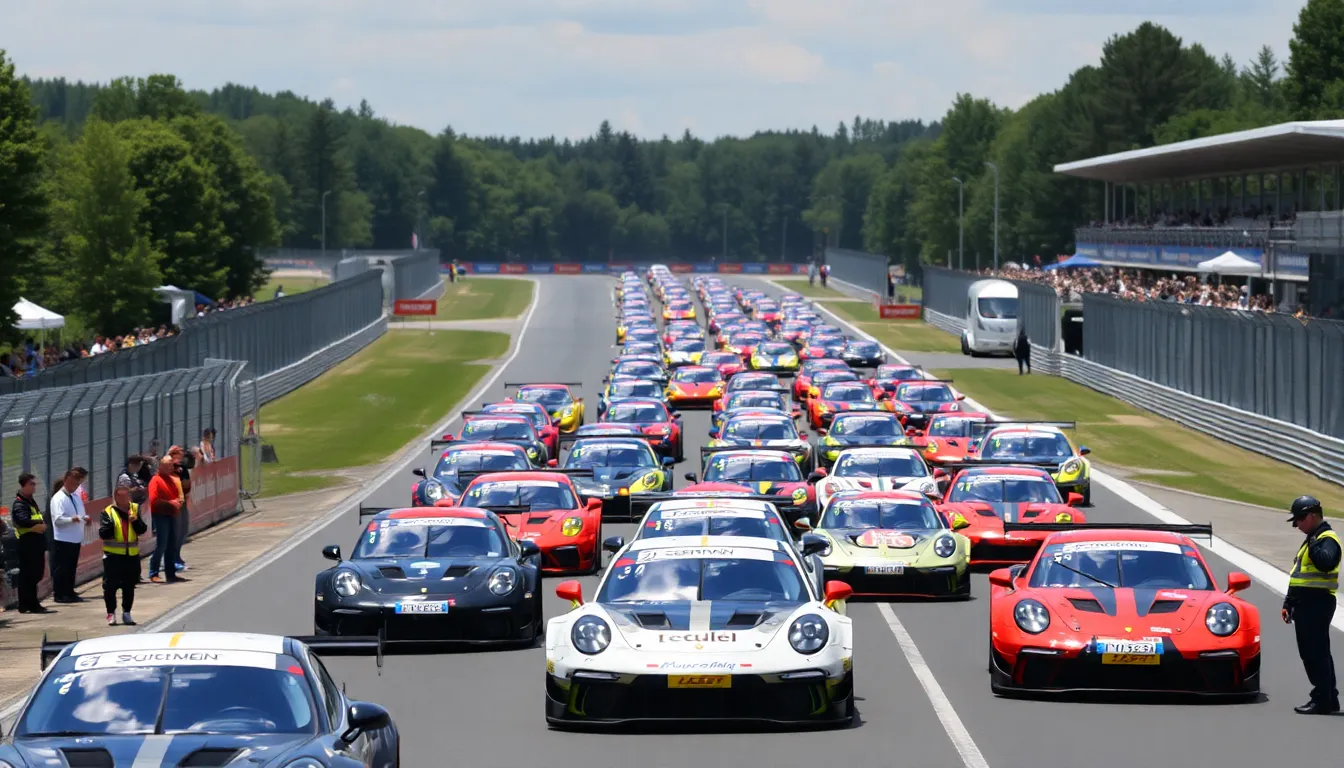
Historically, the Nurburgring has been a symbol of automotive culture in Germany and beyond, reflecting the country’s deep-rooted connection to motorsport. The race’s iconic 25-kilometer Nordschleife circuit, often referred to as “The Green Hell,” is notorious for its complexity and unpredictability. This unique characteristic has made it a favorite among drivers and teams, fostering a spirit of competition that has only intensified over the decades.
However, the 2023 edition of the race marks a significant turnaround, with a record-breaking entry list of 161 cars, the largest in a decade. This resurgence can be attributed to a renewed interest in motorsports as fans return to the track and manufacturers ramp up their involvement. This recovery reflects broader trends in sports that are also seen in other sectors, highlighted by the challenges faced by teams, similar to those described in our coverage of fixture congestion in football.
The Role of Manufacturers and Teams
Manufacturers play a crucial role in the Nurburgring 24 Hours, as their participation not only elevates the race’s profile but also serves as a platform for testing and showcasing their latest models. The increased entry list in 2023 reflects a growing commitment from brands to engage with fans and leverage the race’s prestige for marketing purposes. Additionally, the collaboration between professional teams and private entrants has led to a more diverse and competitive field, enhancing the overall spectacle of the event.
Key stakeholders and their interests in the race
The Nurburgring 24 Hours race has attracted a diverse array of stakeholders, each with unique interests that shape the dynamics of this prestigious event. Key participants include teams, manufacturers, sponsors, and regulatory bodies, all of whom play significant roles in the organization and execution of the race.
Teams and drivers are primary stakeholders, as they invest considerable resources into their participation. Their interests lie in achieving competitive performance, visibility, and potential sponsorship opportunities. With a record entry list of 161 cars, the competition is expected to be fierce, which can enhance the reputation of the teams involved.
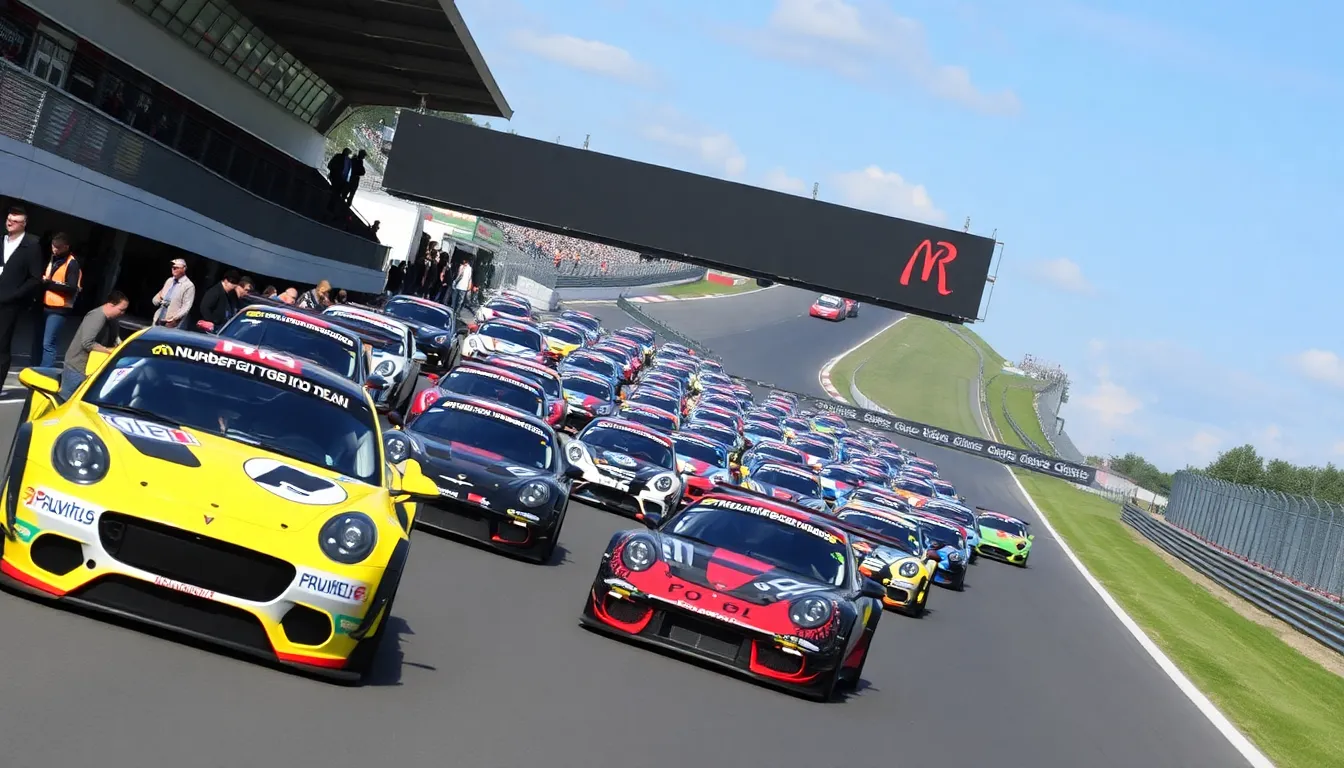
Manufacturers also have a vested interest, as the race serves as a platform for showcasing their vehicles’ capabilities and technological advancements. Success in such a high-profile event can translate into increased sales and brand loyalty. However, this creates a trade-off between performance and reliability, as teams must balance speed with the need to complete the grueling 24-hour duration.
Their interests may sometimes conflict with those of the teams, particularly if sponsorship agreements impose restrictions on team branding or vehicle modifications. Ultimately, these dynamics highlight the complexity of modern motorsport, akin to the balancing act faced by individuals dealing with their legacies, as explored in our article on the pursuit of immortality among the wealthy.
- Regulatory bodies, such as the FIA, ensure compliance with safety and competition standards, which can lead to conflicts with teams seeking more lenient rules for performance enhancement.
- The local government and tourism boards aim to boost regional economic activity through the influx of visitors, creating a need for effective infrastructure and services during the event.
- Environmental groups may raise concerns about the ecological impact of hosting such a large-scale event, advocating for sustainable practices to mitigate damage.
In summary, the Nurburgring 24 Hours race encapsulates a complex web of stakeholder interests, each influencing the event’s execution and broader implications for motorsport and the surrounding community.
How the record entry list affects participants and fans
The Nurburgring 24 Hours, renowned for its challenging circuit and vibrant atmosphere, has attracted a record entry list of 161 cars. This surge in participation impacts various stakeholders, including drivers, teams, sponsors, and fans, while also influencing the automotive industry and local economies.
For participants, the increased competition heightens the stakes, pushing teams to innovate and enhance their performance. The diverse mix of manufacturers and private teams fosters collaboration and knowledge sharing, which can lead to advancements in vehicle technology and racing strategies. This environment encourages a spirit of camaraderie among competitors, as they share the common goal of excelling in one of the most prestigious endurance races.
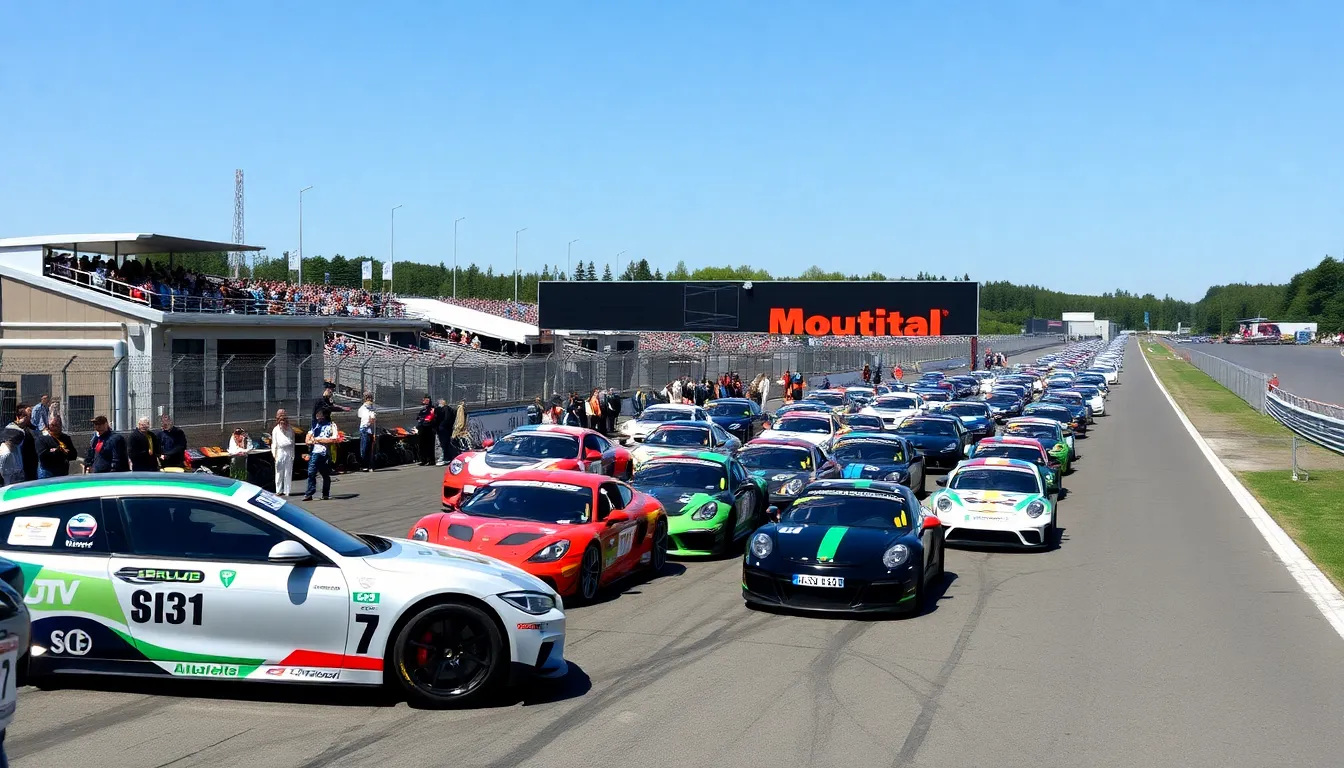
Fans are set to experience an exhilarating event, with more cars on the track translating to increased excitement and unpredictability. The larger entry list also enhances the festival atmosphere, as fans can engage with a wider variety of vehicles and teams. This influx of spectators can significantly benefit local businesses, including hotels, restaurants, and retail shops, as more visitors flock to the region for the event.
- Short-term impacts: Increased tourism, heightened competition, and enhanced fan engagement.
- Mid-term impacts: Potential growth in automotive innovations and local economic boosts.
- Risks: Strain on local infrastructure and increased environmental concerns due to higher traffic.
- Opportunities: Enhanced sponsorship deals and media coverage, leading to greater visibility for participating brands.
However, the event also presents challenges. The influx of cars and spectators may strain local infrastructure, leading to traffic congestion and increased demand for services. Additionally, environmental concerns may arise, prompting discussions around sustainability in motorsport. Balancing the excitement of the event with these challenges will be crucial for all stakeholders involved.
A: The Nurburgring 24 Hours is an annual endurance race held in Germany, known for its challenging track and diverse car entries. A: This year’s entry list is significant because it features the largest number of cars in a decade, indicating increased interest and participation. A: Cars in the Nurburgring 24 Hours are categorized based on their specifications, including GT3, SPX, and other classes. A: The Nurburgring 24 Hours is typically held in May each year, with specific dates announced closer to the event. A: Fans can watch the race through various streaming platforms and television broadcasts, with details provided by the event organizers.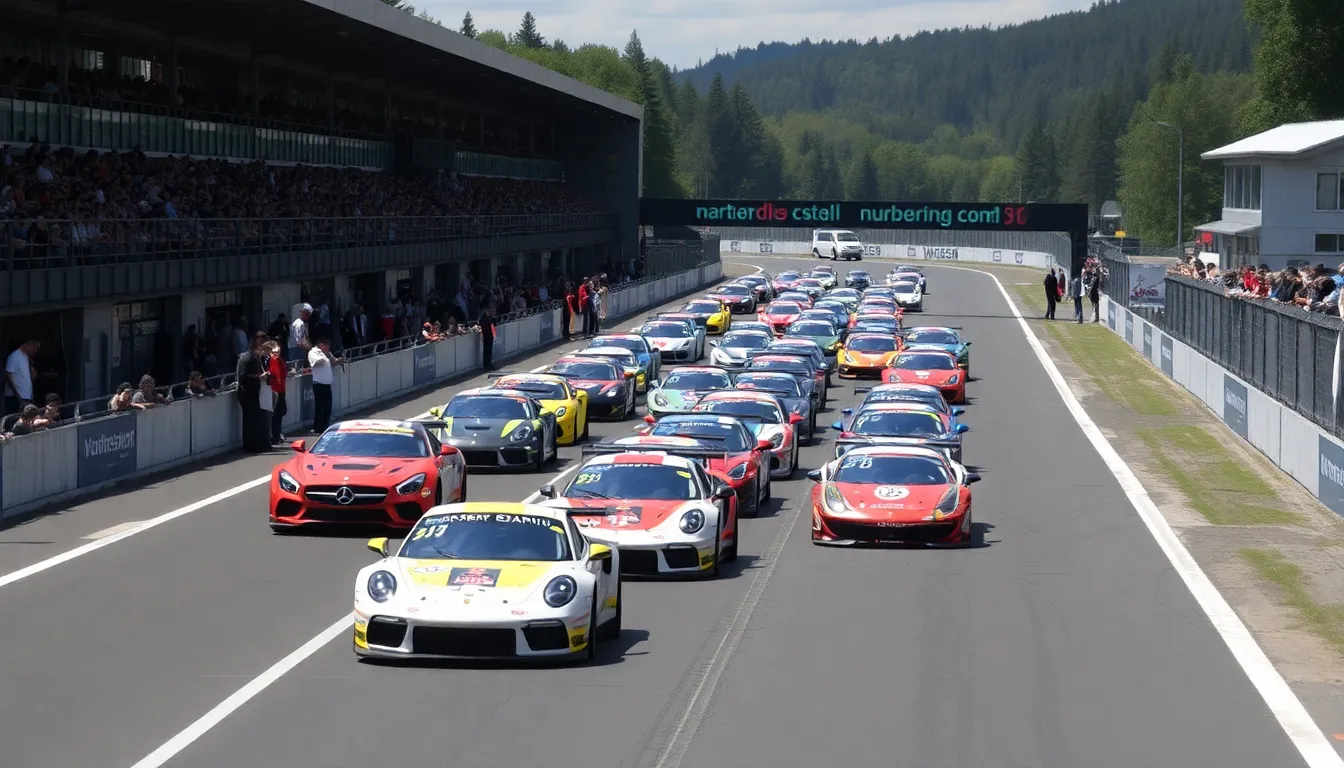
Frequently asked questions about the Nurburgring 24 Hours
Looking ahead at the future of the Nurburgring 24 Hours
The Nurburgring 24 Hours has reached a significant milestone with the largest entry list in a decade, featuring 161 cars. This surge in participation not only reflects the event’s enduring appeal but also highlights the growing interest in endurance racing. As teams prepare for the challenges ahead, the implications for competitors, manufacturers, and fans alike are profound.
With a diverse array of vehicles and teams, the race promises to be a showcase of innovation and strategy. Observers should keep an eye on how this increased competition influences performance dynamics and team strategies, particularly in terms of vehicle reliability and pit stop efficiency. The heightened participation also suggests a potential for more dramatic racing narratives, as underdog teams may emerge to challenge established frontrunners.
- Increased competition could lead to more strategic racing and potential surprises in the outcomes.
- Manufacturers may leverage this platform to showcase advancements in technology and performance.
- Fans can expect a more dynamic and engaging viewing experience with a wider variety of cars and teams.
- Team strategies will likely evolve, focusing on reliability and efficiency to navigate the expanded field.
- The event may attract more sponsorship and media attention, further elevating its status in the motorsport calendar.