


In a statement, a representative from Warhorse hinted that whatever project follows their current title will remain true to the studio’s identity, which is reflected in their previous success with Kingdom Come Deliverance. This suggests that the development team is focused on delivering an immersive experience that reflects their dedication to detailed storytelling and historical accuracy, hallmarks of their previous work.
The speculation surrounding a Lord of the Rings game is fueled by the franchise’s enduring popularity and the recent resurgence of interest in Middle-earth adaptations across various media. However, without official confirmation, fans are left to ponder the possibilities and what direction the studio might take next.
As of now, Warhorse has not disclosed any timelines or specific details regarding future projects. This uncertainty leaves the gaming community in anticipation, as they await further announcements that could clarify the developer’s next steps and potential collaborations.
Background on Kingdom Come Deliverance and its developer
Kingdom Come Deliverance, developed by Warhorse Studios, is a role-playing game set in the early 15th century Kingdom of Bohemia. Released in February 2018, the game garnered attention for its historical accuracy, open-world design, and immersive gameplay. Warhorse Studios, a Czech video game developer founded in 2011, aimed to create a game that would stand apart from the fantasy tropes common in the RPG genre, focusing instead on real historical events and figures.
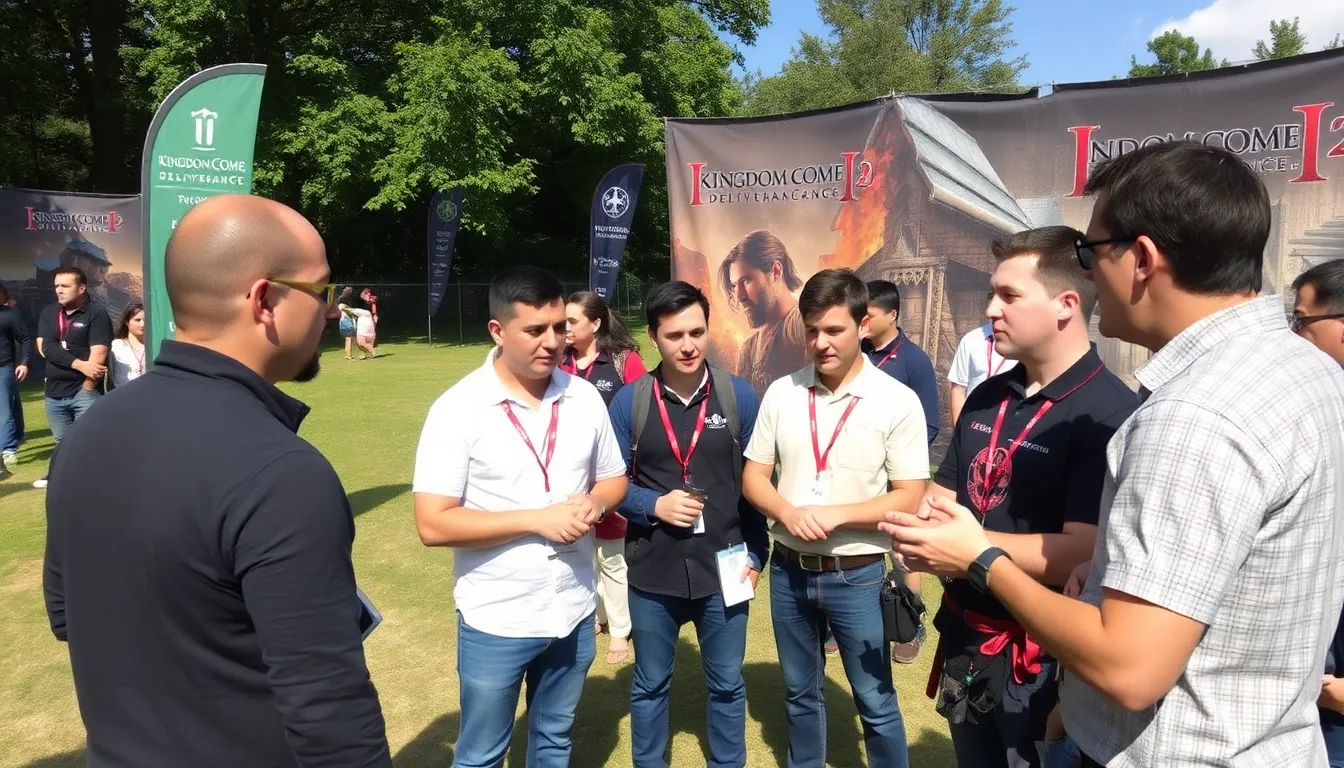
The game’s success can be attributed to its unique approach to storytelling and gameplay mechanics, which emphasize realism and player choice. This dedication to authenticity resonated with players, leading to strong sales and a dedicated fanbase. The studio’s commitment to delivering a historically grounded experience has set a precedent for future RPGs, demonstrating that there is a market for games that prioritize realism over fantasy.
However, the studio has not confirmed any such collaboration, maintaining a focus on creating original content that aligns with their vision of RPGs that are “true to our colours.” This statement reflects their intent to continue producing games that emphasize historical authenticity and player agency.
The RPG Landscape and Future Directions
The RPG genre has evolved significantly in recent years, with many developers exploring diverse narratives and gameplay styles. The success of Kingdom Come Deliverance has encouraged other studios to experiment with historical settings, leading to a growing interest in games that blend education with entertainment. As Warhorse Studios contemplates its next steps, the balance between staying true to their roots and exploring new creative avenues will be crucial in shaping their future projects.
Exploring the implications of the developer’s statements
The recent comments from the developer of Kingdom Come Deliverance 2 regarding a potential Lord of the Rings game have sparked significant interest among fans and industry analysts alike. While the developer has refrained from confirming any specific project, their assertion that any future title will be “an RPG true to our colours” raises important questions about their creative direction and market positioning.
Key stakeholders in this scenario include the game development studio, its fanbase, and intellectual property holders such as the Tolkien Estate. The developer’s interest lies in maintaining its identity as a creator of immersive, historically inspired RPGs, while also potentially tapping into the lucrative fantasy genre represented by the Lord of the Rings franchise. Fans, on the other hand, are eager for new content but may have mixed feelings about the blending of different thematic elements.
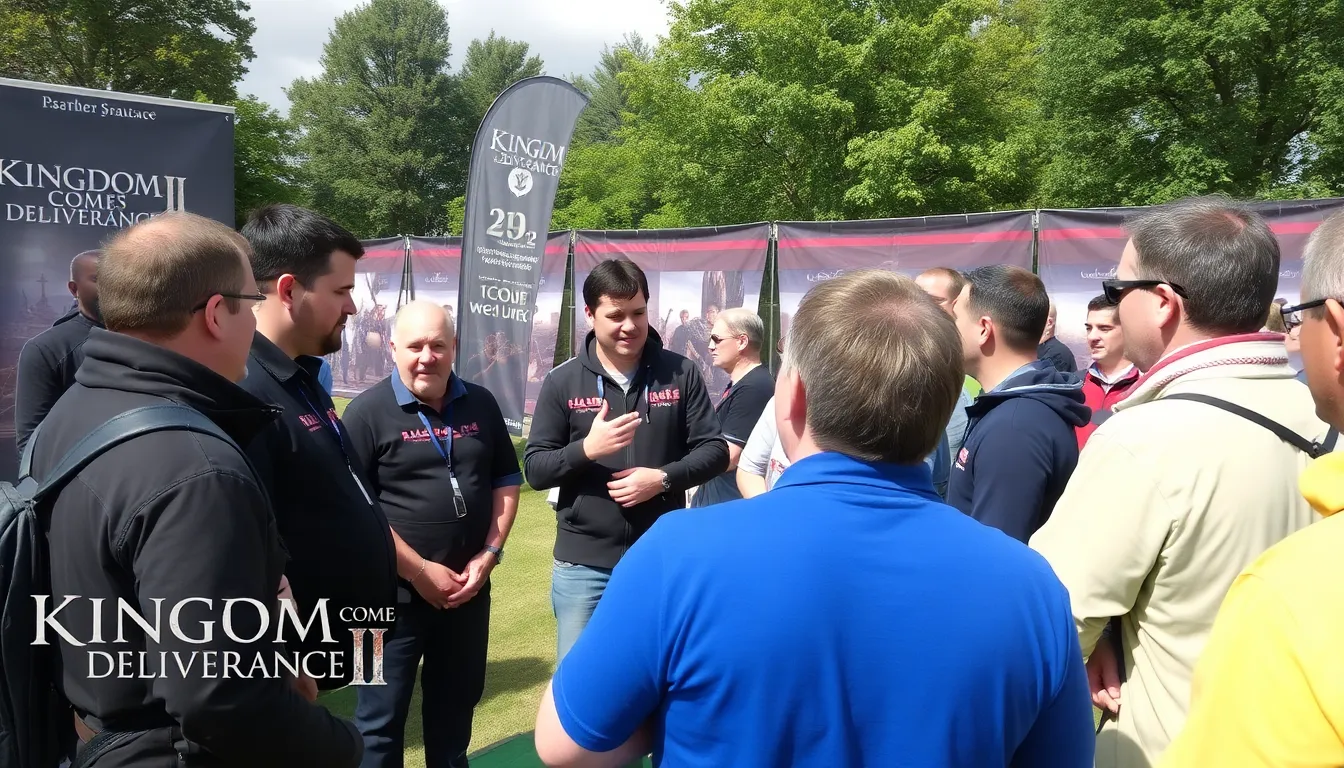
Moreover, the intersection of these interests brings forth several potential conflicts and trade-offs:
- Creative Integrity vs. Commercial Success: The developer must balance its commitment to unique storytelling with the financial incentives of using a well-known IP.
- Fan Expectations vs. Developer Vision: While fans may desire a faithful adaptation of the Lord of the Rings, the developer may wish to innovate and introduce new narratives.
- Licensing and Legal Issues: Engaging with the Lord of the Rings IP involves navigating complex legal agreements and ensuring that the developer’s vision aligns with the Tolkien Estate’s expectations.
- Market Competition: The RPG market is highly competitive, and any new title must stand out amidst established franchises and emerging indie games.
As the developer continues to cultivate its brand and explore future projects, the implications of their statements will likely influence not only their creative choices but also the broader landscape of RPG gaming. Observers will be keen to see how these dynamics unfold in the coming months.
Potential impact on fans and the gaming market
This anticipation can create a ripple effect, influencing community discussions and shaping expectations around RPGs in general. Fans of both the original game and the Lord of the Rings franchise are keenly interested in the direction the developers may take.
In the short term, the lack of confirmation about a Lord of the Rings game may lead to mixed reactions among fans. While some may feel disappointed by the ambiguity, others might appreciate the focus on the developers’ commitment to creating an RPG that remains true to their unique style. This could foster a sense of loyalty among existing fans while attracting new players who are curious about the developer’s vision.
From a business perspective, the gaming industry may experience fluctuations as speculation grows. Companies involved in RPG development, as well as those with ties to the Lord of the Rings franchise, may find themselves adjusting their strategies to capitalize on the buzz. This can lead to both risks and opportunities, such as:

- Increased competition: Other developers may rush to fill the gap, leading to a surge in RPG titles that aim to capture similar themes.
- Market volatility: Stock prices of companies involved in RPG development could fluctuate based on rumors and announcements.
- Collaborative opportunities: Partnerships may emerge between developers and content creators to generate excitement and engagement around potential projects.
In the mid-term, if the developers successfully navigate this period of uncertainty, they could solidify their reputation as innovators in the RPG space. This could lead to a loyal fanbase that supports future projects, regardless of the specific intellectual property involved. Conversely, if expectations are not met, there could be a backlash that affects future sales and community engagement.
Overall, the implications of this situation extend beyond just the developers and their immediate fanbase, influencing the broader gaming landscape and the strategies of competing companies. As the narrative unfolds, stakeholders across the industry will be watching closely to see how it impacts their own ventures.
A: The developer has not confirmed any work on a Lord of the Rings game, leaving fans speculating about future projects. A: This phrase suggests that the upcoming RPGs will maintain the unique style and storytelling that fans have come to expect from the developer. A: While no specific timeline has been provided, the developer is likely to reveal more information in the coming months. A: Kingdom Come Deliverance received critical acclaim and commercial success, establishing the developer as a key player in the RPG genre. A: The developer is known for creating immersive RPGs, with Kingdom Come Deliverance being their most notable title to date.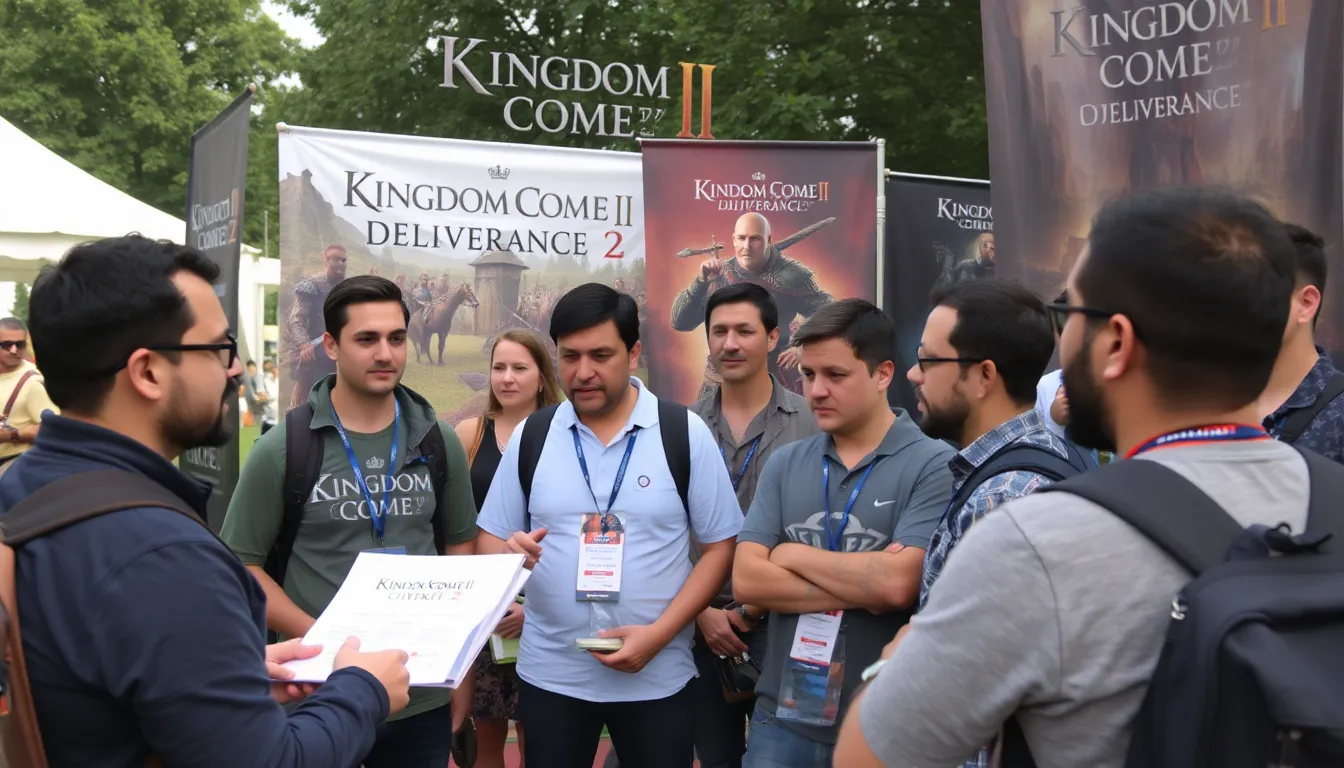
Frequently asked questions about the developer’s future plans
Key takeaways and future outlook for the developer
The recent comments from the developer behind Kingdom Come Deliverance 2 indicate a commitment to maintaining their unique identity in future projects, regardless of the franchise they may explore next. While speculation about a potential Lord of the Rings game remains unconfirmed, the emphasis on creating an RPG “true to our colours” suggests a focus on authenticity and depth in storytelling and gameplay mechanics.
<pAs the gaming community anticipates the developer's next move, it will be essential to monitor how they balance their established style with any new themes or narratives they choose to pursue. This approach could set a precedent for how other developers handle franchise adaptations in the RPG genre.
- The developer’s next project is likely to prioritize immersive storytelling and historical authenticity.
- Expect innovative gameplay mechanics that align with the developer’s established strengths.
- The potential for a Lord of the Rings game could open discussions on how classic narratives are reinterpreted in modern gaming.
- Community feedback and player engagement will play a crucial role in shaping the development process.
- Watch for industry reactions to the developer’s commitment to their unique RPG identity, which may influence trends in the genre.