


The Khumbu Glacier, known for its critical role in the Everest climbing route, experienced the collapse due to a combination of factors, including rising temperatures and increased glacial melting. Experts have warned that climate change is accelerating the deterioration of glacial structures, making such events more likely. This incident serves as a stark reminder of the impact of environmental changes on high-altitude climbing.
Local authorities and expedition companies are currently assessing the situation to determine the safest course of action for climbers already on the mountain. Some teams have been forced to alter their plans or postpone their ascents, leading to logistical challenges and potential financial losses. The Nepalese government is also facing pressure to improve safety measures and infrastructure in light of this incident.
The blockage of the climbing route not only affects individual climbers but also has broader implications for the tourism industry in Nepal, which heavily relies on mountaineering expeditions. As the country prepares for a busy climbing season, the situation underscores the need for urgent discussions about climate resilience and sustainable tourism practices in the region.
Understanding the significance of the Everest climbing season
The Everest climbing season, primarily occurring in late spring, has become a pivotal event for mountaineers from across the globe. This period is characterized by a narrow window of favorable weather conditions, allowing climbers to attempt the summit of the world’s highest peak. Historically, this season has attracted not only seasoned climbers but also adventurers and tourists eager to conquer the iconic mountain, contributing significantly to the local economy and the tourism industry in Nepal.
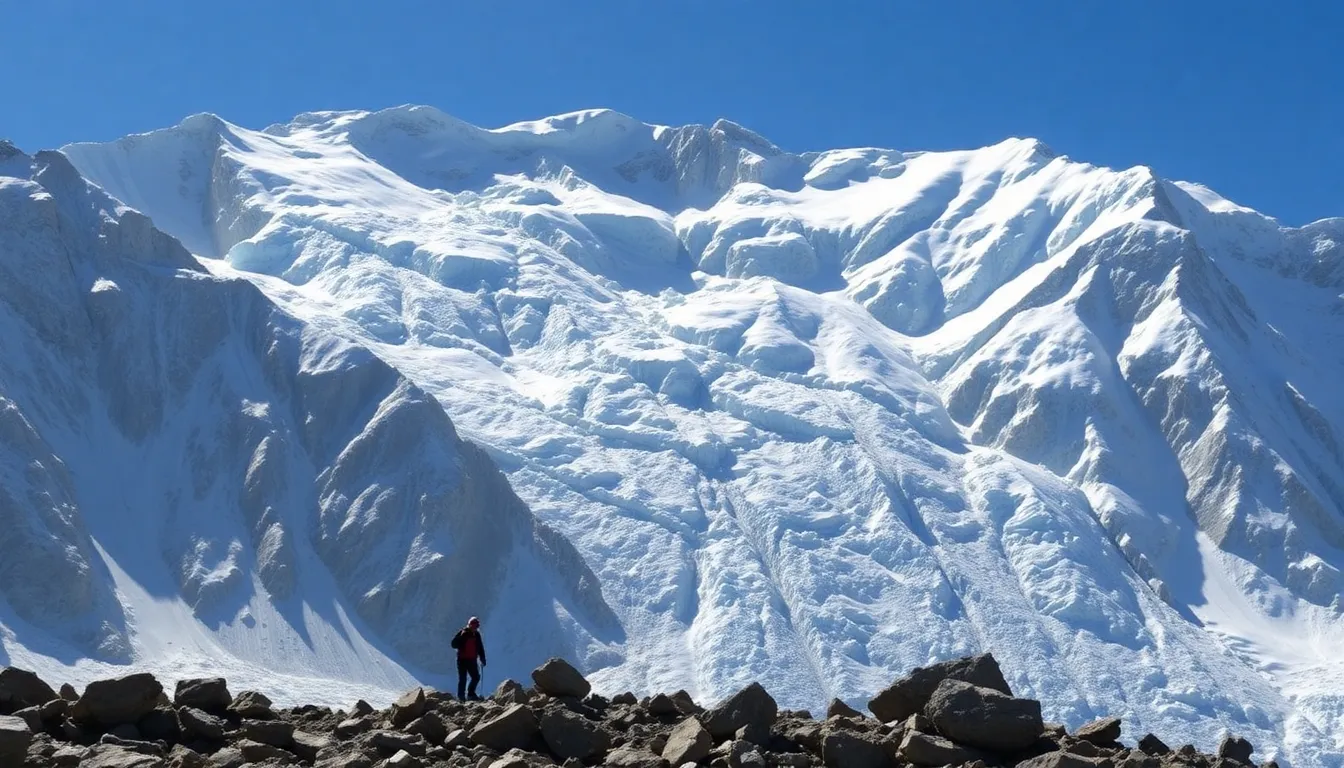
In recent decades, the influx of climbers has led to a surge in commercial expeditions, with numerous companies offering guided tours to the summit. This commercialization has transformed Everest from a remote and challenging endeavor into a more accessible venture for those willing to pay. However, this boom has also raised concerns regarding the environmental impact, safety, and the overall management of the mountain, particularly as the effects of climate change become increasingly evident.
The impact of climate change on Everest
Climate change has been a critical factor influencing the conditions on Everest, with rising temperatures causing glaciers to melt at an alarming rate. This phenomenon has led to increased rockfalls and avalanches, posing significant risks to climbers. The recent incident of a massive glacier chunk blocking a key route underscores the urgency of addressing these environmental challenges. As the climbing season approaches, such events not only threaten the safety of climbers but also highlight the broader implications of climate change on the region’s ecology and economy, emphasizing the need for urgent discussions about sustainable tourism practices in the area.
Moreover, the socio-political landscape surrounding Everest has evolved, with the Nepalese government balancing the need for economic growth through tourism against the responsibilities of ensuring climber safety and environmental conservation. The ongoing debates about access regulations, environmental protections, and the management of climbing permits reflect the complexities of navigating these competing interests. As the situation develops, it becomes increasingly clear that the future of Everest as a climbing destination is intertwined with the global response to climate change and sustainable tourism practices.
Exploring the implications for climbers and expedition companies
The recent blockage of the primary route to Mount Everest due to a significant glacier collapse has raised urgent concerns among various stakeholders, including climbers, expedition companies, local governments, and environmental organizations. Each of these groups has distinct interests and potential conflicts arising from this unexpected geological event.
For climbers, the immediate concern is safety. The blockage not only complicates access to the summit but also poses risks of further avalanches or ice falls. Many climbers invest substantial time and resources into their expeditions, and any disruption can lead to financial losses and emotional distress. Additionally, the climbing season, which is already short, could see fewer successful ascents, impacting the aspirations of many.
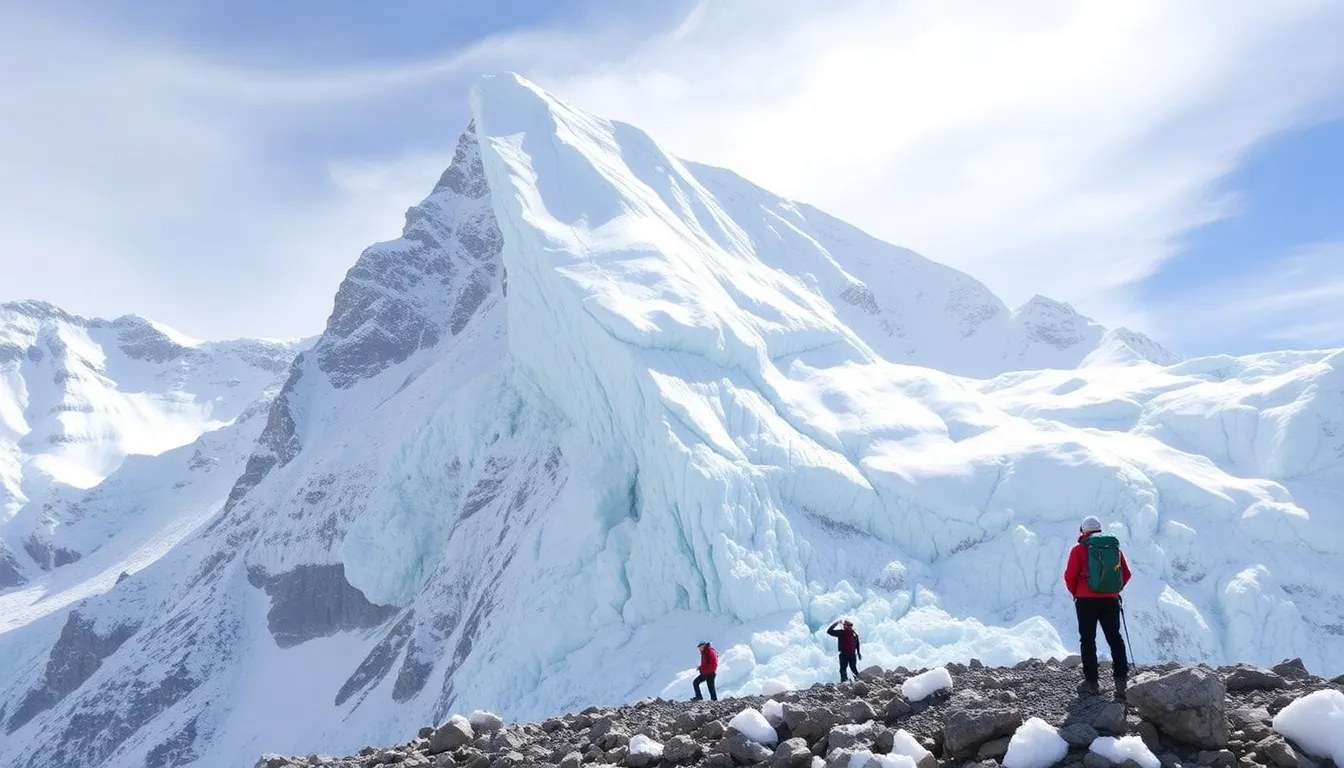
Expedition companies are similarly affected, as they must navigate the logistical challenges posed by the glacier blockage. These companies rely on a steady flow of climbers to sustain their operations, and any significant reduction in traffic can threaten their business viability. Furthermore, they may face legal liabilities if climbers are injured due to unsafe conditions, leading to potential lawsuits and insurance claims.
Local governments in Nepal and Tibet are also key stakeholders, balancing economic interests with environmental concerns. The tourism industry surrounding Everest generates considerable revenue for these regions, but there is growing pressure to prioritize safety and environmental sustainability. This creates a conflict between promoting tourism and ensuring the long-term health of the mountain ecosystem, something that calls for urgent attention akin to the discussions around the future of our environment.
- Safety Risks: Increased danger for climbers due to unstable conditions.
- Economic Impact: Potential financial losses for expedition companies and local economies.
- Legal Liabilities: Risk of lawsuits from injured climbers.
- Environmental Concerns: Balancing tourism with the preservation of the mountain ecosystem.
- Regulatory Challenges: Need for updated policies to manage climbing activities sustainably.
Environmental organizations are advocating for a more sustainable approach to climbing on Everest, emphasizing the need for stricter regulations to protect the mountain’s fragile ecosystem. This advocacy may lead to conflicts with the interests of tourism-dependent economies, as stricter measures could deter climbers and reduce income from tourism. As stakeholders navigate these complex issues, finding a balance between safety, economic interests, and environmental preservation will be crucial for the future of Everest climbing.
Assessing the impact on climbers and local economies
The recent blockage of the Everest route due to a significant glacier collapse has far-reaching implications for various groups, particularly climbers, local businesses, and the broader tourism industry in Nepal. These stakeholders are facing immediate challenges as the peak climbing season is disrupted, leading to potential financial losses and safety concerns.
Climbers, including seasoned mountaineers and novice adventurers, are directly affected as access to the world’s highest peak becomes uncertain. The closure of routes not only postpones their ambitious plans but also raises concerns about safety in navigating alternative paths. This situation could deter future climbers, impacting the overall perception of Everest as a viable climbing destination.
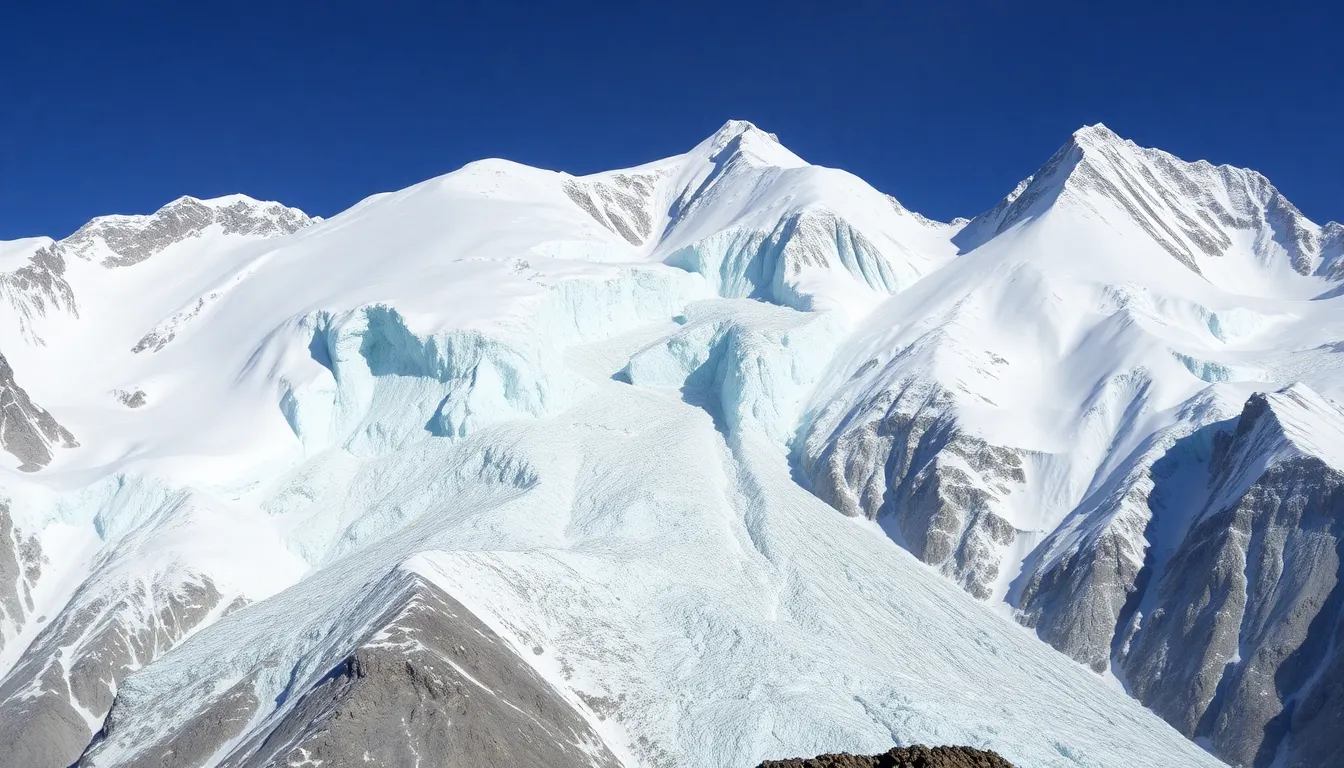
Local economies, particularly those in the Khumbu region, heavily reliant on tourism, are bracing for short-term financial strain. The influx of climbers during the peak season typically supports various businesses, from guide services to hospitality. With the route blocked, these establishments may see a sharp decline in revenue, affecting the livelihoods of many local families.
- Short-term impacts: Decreased tourist arrivals, loss of income for local guides and businesses, and heightened safety risks for climbers.
- Mid-term impacts: Potential shifts in climbing policies, increased focus on alternative routes, and changes in the marketing strategies of local tourism operators.
- Opportunities: Development of new trekking routes, promotion of off-peak climbing seasons, and enhanced investment in safety infrastructure.
In the mid-term, the situation may prompt a reevaluation of climbing policies and safety measures, potentially leading to stricter regulations to ensure climber safety in the face of changing glacial conditions. This could also stimulate discussions around sustainable tourism practices in the region, encouraging a more responsible approach to climbing expeditions.
While the immediate outlook appears challenging, there are also opportunities for innovation within the tourism sector. Local businesses may pivot to promote alternative trekking experiences or develop new routes that highlight the region’s natural beauty without the risks associated with Everest itself. This could diversify the local economy and attract a broader range of tourists seeking adventure beyond the traditional climbing experience.
A: The glacier collapse is attributed to rising temperatures and climate change, which have destabilized the ice formations. A: Climbers may face delays and need to find alternative routes, which could increase risks and costs. A: Local authorities and expedition companies are assessing the situation and implementing safety protocols to protect climbers. A: The route is currently blocked, and climbers are advised to stay updated on conditions and potential openings. A: While glacier collapses are not uncommon, significant blockages during peak season are rare and alarming.
Frequently asked questions about the glacier blockage
Key takeaways and future outlook on Everest climbing
The recent blockage of the traditional climbing route on Everest due to a significant glacier collapse presents a critical challenge for climbers and expedition organizers. This unprecedented event not only disrupts the peak climbing season but also raises concerns about the long-term impacts of climate change on the region’s glacial stability. As climbers and stakeholders assess the situation, it becomes essential to consider alternative routes and strategies for safe ascents in the future.
Furthermore, the incident highlights the need for enhanced monitoring of glacial movements and the implementation of safety measures to protect climbers. As the climbing community adapts to these changes, understanding the evolving landscape of Everest expeditions will be crucial for both safety and sustainability.
- Climbers should prepare for potential route changes and remain adaptable to new climbing conditions.
- Expedition organizers may need to invest in advanced technology for real-time monitoring of glacial activity.
- Increased focus on environmental impacts and sustainable practices will be necessary as climate change continues to affect high-altitude regions.
- Collaboration between climbers, local authorities, and environmental scientists will be essential in developing safe climbing protocols.
- Future expeditions may require more comprehensive risk assessments to account for changing glacial dynamics.