


The therapy, conducted at a leading medical facility, involved the delivery of a healthy copy of the gene responsible for vision to the retina. This intervention was performed in early October 2023, and initial reports indicate that the girl is now able to see light and distinguish shapes for the first time in her life. For more on advancements in medical treatments, you can check out our article on Golden eagles returning to English skies.
This development is particularly important as it not only offers hope to families affected by similar genetic conditions but also highlights the potential of gene therapy as a viable treatment option. Experts in the field are optimistic that this case could pave the way for future therapies aimed at restoring vision and improving the quality of life for individuals with inherited retinal diseases.
The success of this procedure has garnered attention from both the medical community and the public, raising awareness about genetic disorders and the advancements in gene therapy. As researchers continue to explore the possibilities, this case serves as a beacon of hope for many who are awaiting similar breakthroughs in treatment.
Understanding the condition and previous treatments
The recent case of a 6-year-old girl having her sight restored through gene therapy marks a significant milestone in the field of ophthalmology and genetic medicine. This breakthrough is particularly noteworthy in the context of inherited retinal diseases, such as Leber congenital amaurosis (LCA), which can lead to severe vision impairment or blindness from a young age. For a deeper dive into the historical context of similar groundbreaking events, refer to our coverage on Asha Bhosle, the legendary voice of Bollywood.

Before the advent of gene therapy, the primary options for managing inherited retinal diseases were supportive care and low-vision aids. Clinical trials and research focused on understanding the genetic mutations responsible for these conditions, but tangible solutions remained elusive for decades. The development of gene therapy as a viable treatment option began in the late 20th century, with early experiments showing promise in animal models and paving the way for human trials.
One of the key milestones in the evolution of gene therapy for retinal diseases was the approval of Luxturna in 2017, a groundbreaking treatment for patients with a specific genetic mutation causing LCA. This marked the first time a gene therapy was approved for an inherited condition, setting a precedent for further research and development in this area. As gene therapy continues to evolve, the industry is closely watching its impact on other fields, as seen with Kennedy Ryan signing a deal with Universal Studio Group.
The role of research and funding
Government and private funding have played crucial roles in advancing gene therapy research. Initiatives from organizations such as the National Institutes of Health (NIH) and partnerships with pharmaceutical companies have accelerated the pace of discovery and the transition from laboratory to clinical application. As a result, the landscape of treatment options for genetic eye diseases is rapidly changing, offering hope to families affected by these conditions.
The recent success story of the 6-year-old girl illustrates not only the potential of gene therapy but also the importance of continued investment in research and innovation. With each new development, the medical community moves closer to transforming the lives of patients with previously untreatable conditions, highlighting the importance of scientific progress in addressing complex health challenges.
Exploring the implications for gene therapy in pediatric care
The recent case of a 6-year-old girl having her sight restored through gene therapy has sparked significant interest among various stakeholders, including healthcare providers, pharmaceutical companies, regulatory bodies, and patient advocacy groups. Each of these actors has specific interests that influence their perspectives on the implications of this groundbreaking treatment.

Healthcare providers, including ophthalmologists and pediatricians, are keenly interested in the potential of gene therapy to address genetic disorders in children. They advocate for the integration of such innovative treatments into standard care protocols, emphasizing the need for training and resources to ensure safe and effective administration. However, they also face the challenge of navigating the complexities of patient eligibility and long-term follow-up care.
Pharmaceutical companies involved in gene therapy development stand to gain substantially from successful treatments. Their interests lie in securing patents, maximizing profit margins, and ensuring market access for their therapies. However, this can lead to conflicts over pricing and accessibility, as high costs may limit treatment availability for underserved populations. Additionally, there are ethical considerations regarding the commercialization of life-saving treatments.
Regulatory bodies, such as the Food and Drug Administration (FDA) in the United States, play a crucial role in overseeing the approval and monitoring of gene therapies. Their primary interest is to ensure patient safety and efficacy of treatments. Balancing the need for rapid innovation with rigorous safety standards presents a significant challenge, particularly as the field of gene therapy evolves quickly.
- Equity in Access: Ensuring that all children, regardless of socioeconomic status, can access gene therapy treatments.
- Long-term Effects: Understanding the long-term efficacy and safety of gene therapies remains a critical concern for healthcare providers and families.
- Ethical Considerations: Addressing the ethical implications of genetic modifications and the potential for unequal access to advanced therapies.
- Insurance Coverage: Navigating the complexities of insurance reimbursement for costly gene therapies, which may affect patient access.
- Public Perception: Managing public perception and understanding of gene therapy, which can influence policy and funding decisions.
The broader effects on families and the medical community
The groundbreaking gene therapy that restored sight to a 6-year-old girl has far-reaching implications for various groups, particularly families affected by genetic disorders and the medical community. Families with children suffering from inherited retinal diseases may find renewed hope as this treatment showcases the potential for similar therapies in the future. The emotional and psychological relief for these families can be profound, as they envision a brighter future for their children.
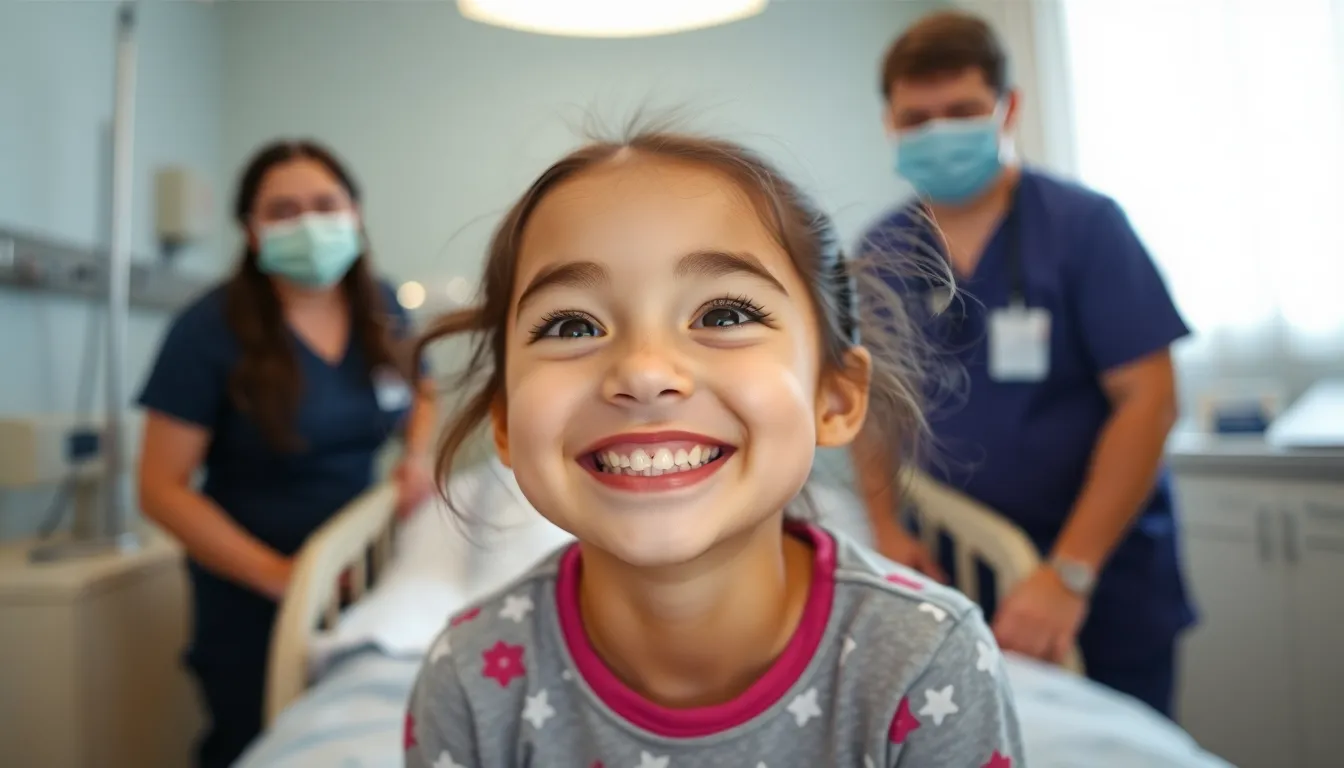
From a medical perspective, this advancement could lead to a surge in research and development within the biotechnology and pharmaceutical industries. Companies specializing in gene therapy may experience increased investment and interest, potentially leading to a wave of new treatments for other genetic conditions. This could also prompt healthcare providers to reevaluate their treatment protocols and integrate more advanced therapies into their practices.
However, the introduction of such therapies also presents risks and challenges. There may be ethical concerns regarding access to these treatments, as they can be expensive and not universally available. This could create disparities in healthcare, where only affluent families can afford cutting-edge therapies, leaving others behind. Additionally, as gene therapy becomes more common, regulatory bodies will need to establish guidelines to ensure patient safety and efficacy.
- Increased hope for families with genetic disorders.
- Potential growth in the biotech and pharmaceutical sectors.
- Need for ethical considerations regarding access and affordability.
- Regulatory challenges and the need for safety guidelines.
In the mid-term, we may see a shift in public policy as governments and health organizations begin to recognize the importance of funding and supporting gene therapy research. This could lead to new initiatives aimed at making these therapies more accessible to all families, regardless of their socioeconomic status. Furthermore, educational programs may emerge to inform both healthcare providers and patients about the benefits and risks associated with gene therapies.
A: Gene therapy is a technique that modifies genes to treat or prevent diseases. In this case, it was used to restore vision by correcting genetic defects. A: The therapy involves delivering a healthy copy of the gene responsible for vision to the patient’s cells, allowing them to function properly. A: Like any medical treatment, gene therapy carries risks, including potential immune reactions and unforeseen side effects, which are carefully monitored. A: While this case is promising, the availability of gene therapy depends on regulatory approvals and individual patient conditions. A: Long-term effects are still being studied, but initial results show significant improvements in vision, raising hopes for lasting benefits.
Frequently asked questions about gene therapy
Future prospects and key takeaways from this case
The successful restoration of sight in a six-year-old girl through gene therapy marks a significant milestone in the field of genetic medicine. This breakthrough not only highlights the potential of gene therapy to treat previously incurable conditions but also raises important questions about accessibility, ethical considerations, and future research directions. As advancements in technology continue to unfold, the implications for pediatric care and genetic disorders could be profound.
Monitoring the outcomes of similar cases will be crucial in understanding the long-term effects and efficacy of gene therapies. Additionally, this case may spur further investments in research and development, leading to new treatments for a variety of genetic conditions. Stakeholders in the medical community, including policymakers, researchers, and healthcare providers, will need to collaborate to ensure that these innovations are safely integrated into clinical practice.
- Ongoing research will be essential to evaluate the long-term effectiveness and safety of gene therapies.
- Accessibility to gene therapy treatments may become a critical issue, necessitating policy discussions on healthcare equity.
- This case could inspire similar innovations in treating other genetic disorders, expanding the scope of gene therapy applications.
- Ethical considerations surrounding genetic modifications will need to be addressed as technology evolves.
- Increased public awareness and understanding of gene therapy could lead to more informed discussions about its benefits and risks.