


The Italian government, led by Prime Minister Giorgia Meloni, cited humanitarian concerns and the need for a ceasefire as key reasons for this suspension. Italy’s decision reflects a broader sentiment within the European Union, where calls for a reassessment of relations with Israel have been gaining momentum in light of the recent violence.
This suspension marks a notable change in Italy’s traditionally strong support for Israel, which has been a key ally in the region. The defense agreement, originally signed in 2005, facilitated military cooperation and arms sales, making this withdrawal particularly impactful for both nations.
As the situation unfolds, the implications of Italy’s decision may influence other European countries’ stances on Israel and its military operations. Observers are closely monitoring how this shift will affect diplomatic relations and security cooperation in the Mediterranean region.
Understanding the historical relationship between Italy and Israel
The relationship between Italy and Israel has been shaped by a complex interplay of historical, political, and cultural factors. Established in 1949, diplomatic ties between the two nations have generally been characterized by mutual respect and cooperation, particularly in areas such as trade, technology, and defense. However, this relationship has not been without its challenges, often influenced by broader geopolitical dynamics in the Middle East and Europe.
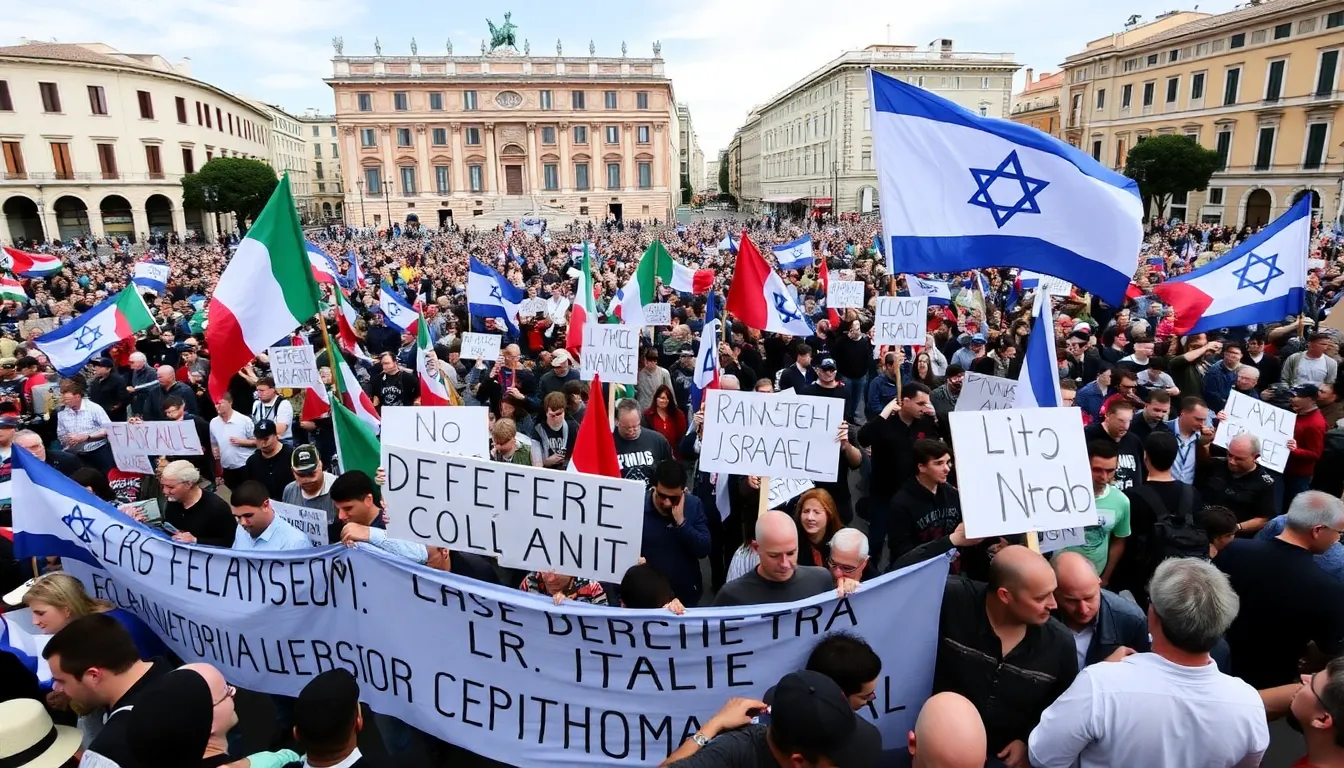
Over the decades, Italy has played a vital role in the European Union’s approach to the Israeli-Palestinian conflict, advocating for a balanced dialogue while also maintaining its strategic alliance with Israel. Notably, Italy has historically supported Israel’s right to exist as a sovereign state, while also expressing concern over the humanitarian situation in Palestinian territories. This duality has often placed Italy in a delicate position, balancing its domestic political pressures with international diplomatic obligations.
In recent years, tensions have escalated due to various factors, including the ongoing conflict in Gaza and shifts in public opinion regarding Israel’s policies. The rise of populist movements in Italy has led to increased scrutiny of foreign policy, with some factions calling for a reevaluation of Italy’s defense agreements with Israel. The recent suspension of the defense pact can be seen as a culmination of these growing domestic pressures, reflecting a significant shift in Italy’s stance toward its long-standing ally.
Key Milestones in Italy-Israel Relations
Several key milestones have marked the evolution of Italy-Israel relations. The 1967 Six-Day War, for instance, solidified Italy’s support for Israel but also highlighted the complexities of Middle Eastern politics. In the 1980s, Italy began to increase its military cooperation with Israel, which peaked in the 2000s with joint defense initiatives. However, the recent conflicts in Gaza and shifting political landscapes in both countries have prompted a reassessment of these agreements, indicating a potential turning point in their bilateral relations.
Key stakeholders and issues surrounding the defense pact suspension
The suspension of Italy’s defense pact with Israel has significant implications for various stakeholders involved. The primary actors include the Italian government, the Israeli government, defense contractors, and international organizations focused on peace and security. Each of these entities has distinct interests that shape their responses to the evolving situation.
The Italian government, led by Prime Minister Giorgia Meloni, faces internal pressure to align its foreign policy with public sentiment, which has increasingly become critical of Israel’s military actions. This shift reflects a broader European trend towards reassessing relations with Israel amidst ongoing conflicts in the region. The Italian administration must balance diplomatic relations with Israel while addressing domestic concerns about human rights and humanitarian issues.

On the other hand, the Israeli government, under Prime Minister Benjamin Netanyahu, views the suspension as a potential threat to its security partnerships in Europe. Israel’s defense industry relies heavily on international collaborations for technological advancements and military support. The loss of Italy as a partner could hinder Israel’s defense capabilities and its strategic position within NATO and the EU.
Key issues arising from this suspension include: potential threats to security partnerships and shifts in public sentiment regarding foreign policy.
- Legal ramifications: The cessation of the defense pact may lead to legal disputes regarding existing contracts and obligations between Italian and Israeli defense firms.
- Economic impact: Both nations could face economic repercussions, particularly in the defense sector, which may affect jobs and investments in both countries.
- Geopolitical tensions: The suspension could exacerbate tensions in the Middle East, influencing Italy’s relations with Arab nations and other stakeholders in the region.
- Public opinion: The decision reflects changing public attitudes in Europe towards Israel, which may influence future foreign policy decisions across the continent.
Ultimately, the suspension of the defense pact with Israel represents a complex interplay of national interests, economic considerations, and shifting public sentiments, marking a pivotal moment in Italy’s foreign relations strategy.
Potential impacts on diplomatic relations and regional stability
The suspension of Italy’s defense pact with Israel is poised to affect various groups and sectors, ranging from government agencies to private industries. The immediate impact is likely to be felt within the defense and military sectors, as companies that rely on contracts with the Israeli government may face uncertainty regarding future projects. Additionally, diplomatic relations between Italy and Israel could experience further strain, influencing broader geopolitical dynamics in the region.
In the short term, this decision may lead to disruptions in ongoing defense collaborations, affecting jobs and economic stability in regions that host defense contractors. Workers in these industries may find themselves facing layoffs or reduced hours as contracts are put on hold. Furthermore, the Italian government may need to reassess its foreign policy, which could lead to shifts in alliances and partnerships in the Middle East.
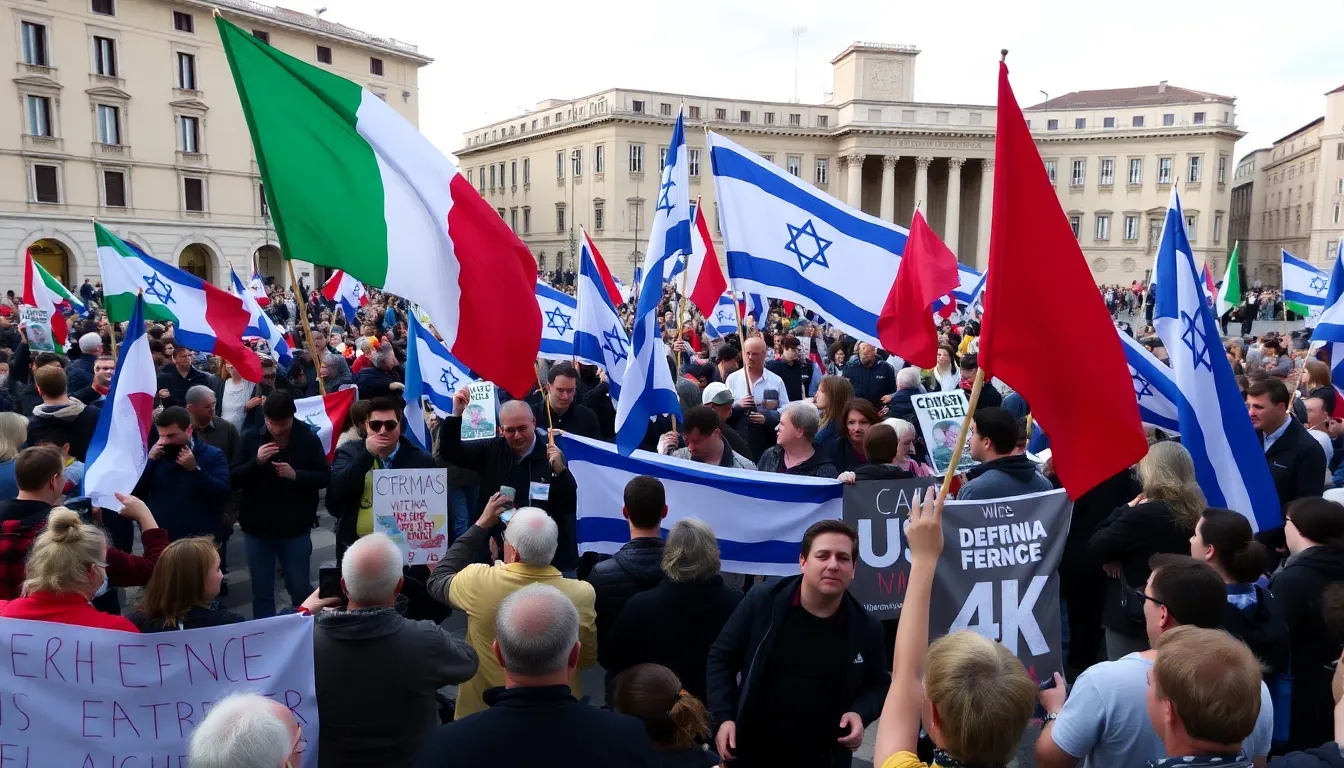
In the mid-term, the suspension could create both risks and opportunities. On one hand, it may embolden other nations to reevaluate their own defense agreements with Israel, potentially leading to a ripple effect that destabilizes existing alliances. On the other hand, Italy could seize this moment to strengthen ties with other nations in the region that share similar views on Israeli policies, potentially opening new avenues for trade and cooperation.
- Defense Industry: Potential loss of contracts and jobs.
- Geopolitical Relations: Strained ties with Israel could influence alliances.
- Policy Shifts: Reassessment of foreign policy may occur.
- Economic Opportunities: Potential for new partnerships with alternative nations.
Moreover, the public sentiment in Italy may shift, with increased calls for the government to take a firmer stance on international issues. This could lead to greater civic engagement and activism, influencing future policy decisions. As citizens become more aware of the implications of such diplomatic actions, there may be a push for more transparency and accountability in foreign affairs.
A: Italy suspended the pact due to escalating tensions related to Israel’s military actions. This decision reflects Italy’s changing stance on international military cooperation. A: Italy and Israel have maintained diplomatic relations since 1949, with a focus on trade and military cooperation. However, recent geopolitical events have strained these ties. A: The suspension may lead to reduced collaboration in defense projects, impacting Italy’s defense industry and its partnerships with other nations. A: Israel has expressed disappointment over Italy’s decision, emphasizing the importance of their defense collaboration for regional security. A: Yes, this move could influence other nations’ perceptions of Italy’s foreign policy and may affect alliances within NATO and the EU.
Frequently Asked Questions about the defense pact suspension
Looking ahead: implications for Italy and Israel’s future relations
The suspension of the defense pact between Italy and Israel marks a significant shift in diplomatic relations, reflecting broader geopolitical tensions. This decision not only impacts military collaboration but also signals a potential reevaluation of Italy’s foreign policy stance in the Middle East. As both nations navigate this evolving landscape, the repercussions may extend beyond bilateral ties, influencing regional alliances and international perceptions.
Moving forward, it will be crucial to monitor how this suspension affects Italy’s position within the European Union regarding Middle Eastern affairs, as well as Israel’s response in terms of military and diplomatic strategies. The situation could lead to further realignments in both nations’ foreign policies, with broader implications for security and economic partnerships.
- Watch for Italy’s potential pivot towards strengthening ties with other Middle Eastern nations.
- Observe how Israel adapts its defense strategy in light of reduced cooperation with Italy.
- Monitor the reactions from the European Union and NATO regarding Italy’s decision.
- Consider the impact on defense industries in both countries, particularly in terms of contracts and collaborations.
- Keep an eye on public sentiment in Italy regarding its foreign policy choices and their alignment with domestic interests.