


The issue gained renewed focus when the Supreme Court of India declined to hear a public interest litigation seeking to criminalize marital rape in September 2023. This ruling came despite increasing calls for legal reform from various quarters, including women’s rights groups and some political leaders, who emphasize the need for a more progressive approach to gender-based violence, as seen in related discussions on women’s access to temples.
According to a report by the National Crime Records Bureau, incidents of domestic violence have surged in recent years, highlighting the urgent need for legal protections for women. Activists argue that without recognizing marital rape, victims may remain trapped in abusive relationships, further exacerbating the cycle of violence and discrimination.
The refusal to criminalize marital rape has sparked widespread protests and discussions across the country, with many advocating for a reevaluation of laws that govern marital relationships. As the debate continues, the implications for women’s rights and legal protections in India remain a critical concern, drawing both national and international scrutiny.
Understanding the historical context of marital rape laws in India
The issue of marital rape in India has deep-rooted historical and cultural implications that have shaped the current legal landscape. Traditionally, Indian society has viewed marriage as a sacred institution, where the notion of consent is often overshadowed by patriarchal norms. The belief that consent is inherent within marriage has persisted, leading to the absence of specific laws addressing marital rape.
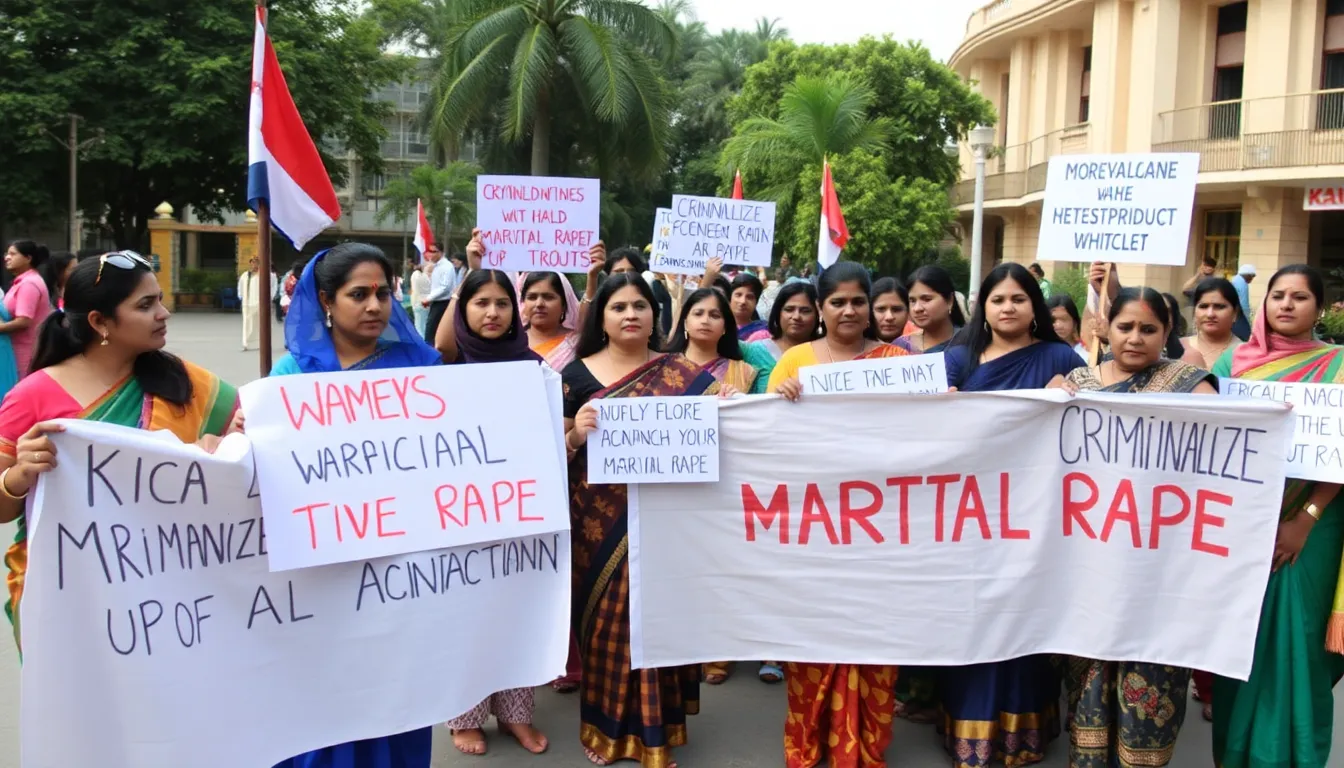
In 1860, the Indian Penal Code (IPC) was enacted, which included Section 375 defining rape but exempted marital rape from its purview. This legal framework reflected the prevailing societal attitudes of the time, where women were often viewed as property of their husbands. Over the years, various women’s rights activists and organizations have campaigned for the criminalization of marital rape, arguing that it is a violation of a woman’s bodily autonomy and human rights, aligning with broader movements advocating for changes in legislation.
Key Milestones in the Fight Against Marital Rape
Several significant milestones have marked the ongoing struggle for legal recognition of marital rape in India. In 2005, the Protection of Women from Domestic Violence Act was enacted, which offered some legal recourse for women facing violence within marriage. However, it did not address the issue of marital rape directly. In 2017, the Supreme Court of India ruled that a husband cannot be absolved of criminal liability for sexual assault against his wife if she is a minor, highlighting the need for more comprehensive laws.
Despite these advancements, the Indian government has consistently resisted calls to criminalize marital rape, citing concerns about the potential misuse of such laws and the sanctity of marriage. This ongoing debate reflects the complex interplay of tradition, law, and evolving societal norms in India, as advocates continue to push for reform to protect the rights of women within the institution of marriage.
Key stakeholders and their positions on marital rape legislation
The debate surrounding the criminalization of marital rape in India involves various stakeholders, each with distinct interests and perspectives. These include government officials, women’s rights organizations, legal experts, and segments of the public. Understanding their positions is crucial to grasping the complexities of this issue.
Women’s rights organizations, such as the All India Democratic Women’s Association (AIDWA), advocate for the criminalization of marital rape, arguing that it is essential for safeguarding women’s rights and promoting gender equality. They emphasize that consent is a fundamental aspect of any sexual relationship and that the absence of consent in marriage should be recognized as a crime.
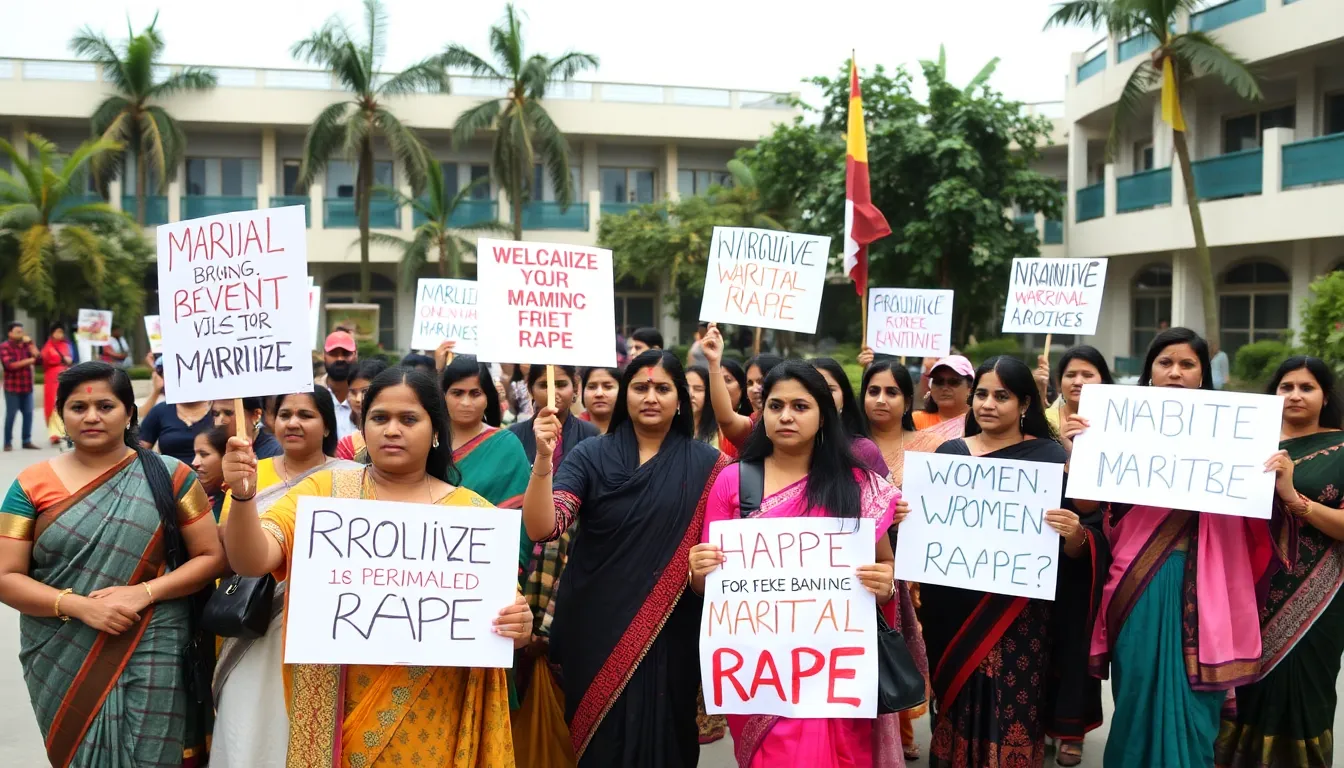
On the other hand, some traditionalist groups and certain political factions argue against the criminalization of marital rape, citing concerns over family integrity and the potential misuse of laws. They believe that such legislation could lead to increased friction within families and may be exploited in divorce or custody disputes. This perspective highlights the tension between legal reform and cultural norms.
- Legal Issues: The existing legal framework in India does not recognize marital rape as a crime, which raises questions about the adequacy of laws protecting women’s rights.
- Economic Concerns: There are fears that criminalizing marital rape could lead to increased legal costs and economic burdens on families, particularly in cases where false accusations are made.
- Social Implications: The societal perception of marriage and gender roles plays a significant role in shaping opinions on this issue, often complicating the push for legal change.
Furthermore, the Indian judiciary has been involved in this discussion, with some judges advocating for a re-evaluation of laws concerning marital rape. However, the lack of political will to amend existing legislation remains a significant barrier. The interplay of these various interests creates a complex landscape that continues to evolve as public awareness and advocacy efforts grow.
The implications of the decision on victims and society
The refusal to criminalise marital rape in India has far-reaching implications for various groups, particularly women and marginalized communities. Victims of marital rape, who often lack legal recourse, remain vulnerable and unsupported. This decision perpetuates a culture of silence and stigma surrounding sexual violence within marriage, affecting not only the victims but also their families and communities, similar to the concerns raised about disinformation impacts.
In the short term, the lack of legal recognition for marital rape may lead to increased instances of domestic violence, as perpetrators feel emboldened by the absence of consequences. Women may experience heightened anxiety and fear in their daily lives, impacting their mental health and overall well-being. Additionally, this decision may deter victims from seeking help or reporting incidents, further entrenching the cycle of abuse.
In the mid-term, the implications extend to policy and social attitudes. Advocacy groups and activists may ramp up their efforts to raise awareness and push for legal reforms, creating a potential shift in public sentiment. However, the resistance from conservative factions may result in a prolonged struggle, delaying meaningful change. This could also affect the political landscape, as parties take sides on the issue, influencing voter behavior and engagement.
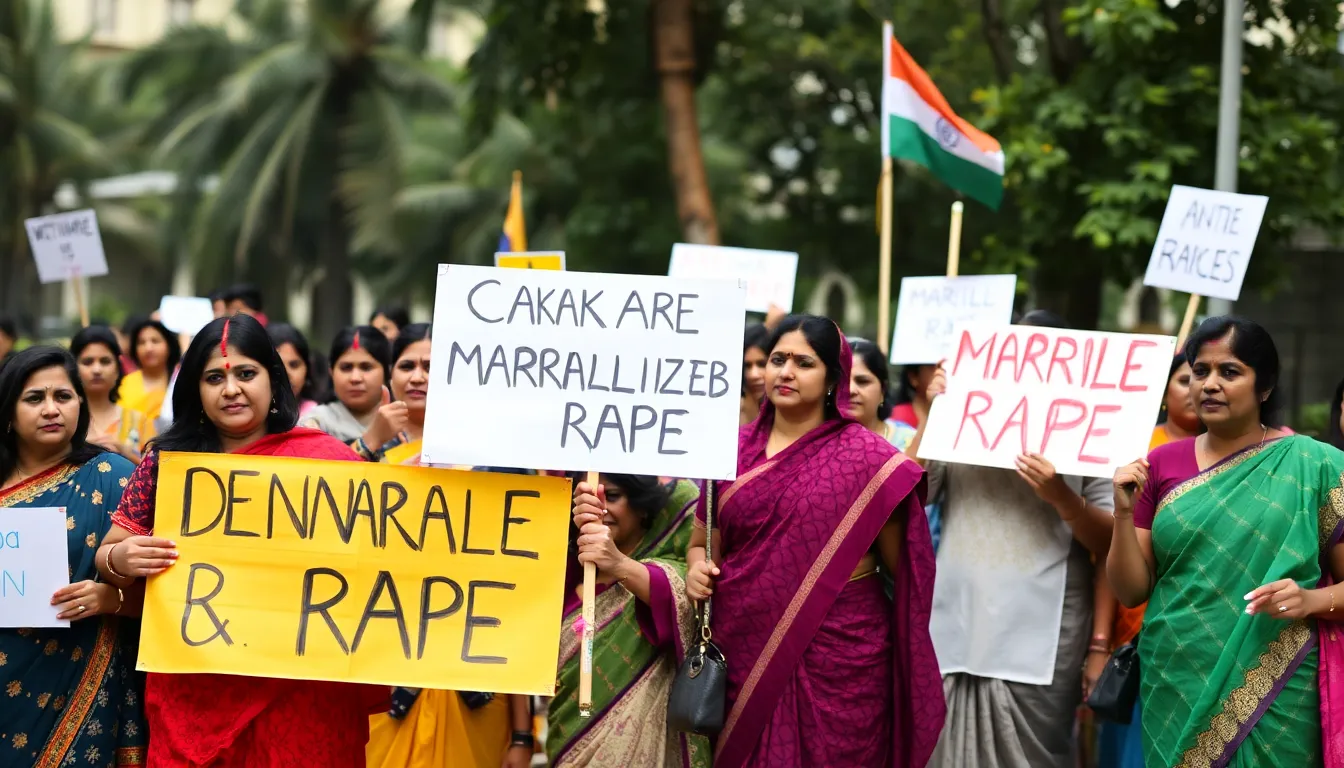
Industries such as healthcare and social services may see increased demand for support services, including counseling and legal aid for victims. However, the lack of legal protection could limit funding and resources allocated to these sectors, posing a risk to their sustainability. On the other hand, there may be opportunities for NGOs and advocacy groups to expand their outreach and educational programs, fostering community support networks.
- Increased vulnerability of victims and marginalized communities.
- Heightened mental health issues among affected individuals.
- Potential for increased advocacy and public awareness campaigns.
- Shifts in political dynamics and party platforms.
- Demand for support services may rise, challenging existing resources.
A: Not criminalising marital rape means that within a marriage, consent is often assumed, leaving victims without legal recourse. This can perpetuate cycles of abuse and silence. A: The debate stems from cultural, legal, and social perspectives on marriage and consent. Many argue that the existing laws fail to protect victims adequately. A: The refusal to criminalise marital rape undermines women’s rights by failing to recognize their autonomy and right to consent within marriage. A: Advocates argue that criminalising marital rape is essential for protecting women’s rights, promoting gender equality, and providing justice for victims. A: Yes, various women’s rights organizations and activists are campaigning for legal reforms to address marital rape and raise awareness about its impacts.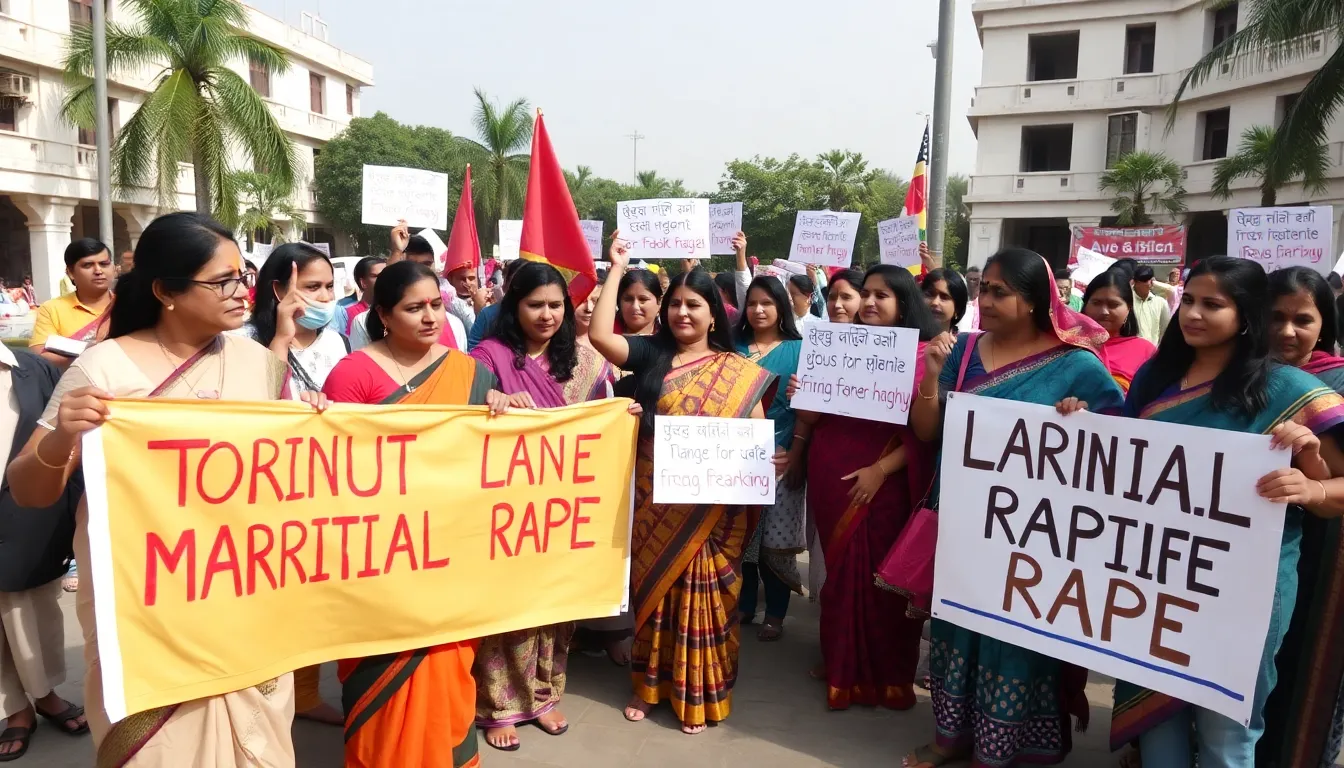
Common questions about marital rape in India
Looking ahead: the future of marital rape legislation in India
The decision to not criminalise marital rape in India has far-reaching implications for gender equality and women’s rights. As the discourse surrounding this sensitive issue continues to evolve, it is essential to consider the various factors at play, including societal attitudes, legal frameworks, and the role of advocacy groups. The ongoing debate highlights the challenges faced by survivors of marital violence and the urgent need for comprehensive legal reforms.
Moving forward, the conversation around marital rape will likely intensify, with increased pressure on lawmakers to address the gaps in existing legislation. The involvement of civil society, along with international perspectives on women’s rights, may play a crucial role in shaping public opinion and influencing policy changes in the coming years.
- Increased Advocacy: Expect a rise in grassroots movements and advocacy efforts aimed at raising awareness and pushing for legal reforms regarding marital rape.
- Public Discourse: The topic will likely gain more visibility in media and public forums, prompting discussions around consent and marital rights.
- International Pressure: Global human rights organizations may increase pressure on India to align its laws with international standards regarding marital rape.
- Legal Challenges: Potential legal battles may emerge as survivors seek justice, which could set significant precedents for future cases.
- Societal Change: A shift in societal attitudes towards marriage and consent may gradually influence legislative priorities and the treatment of marital rape cases.