


The Artemis program, led by NASA, aims to return humans to the Moon by 2024, with the first crewed mission scheduled for late 2023. The communication blackout is a planned aspect of the mission, but it raises concerns about the crew’s safety and the reliability of systems designed to support them during this time, especially considering the implications detailed in Exploring the Far Side of the Moon and Its Implications. Ensuring that astronauts can operate independently is vital for future missions to Mars and beyond.
During the blackout, the crew will rely on their training and onboard systems to navigate and maintain operations without real-time support from mission control. This situation underscores the importance of robust spacecraft design and preparation for potential emergencies that could arise in the absence of immediate assistance, similar to historical challenges faced during the Apollo missions.
As the Artemis mission progresses, the implications of such communication blackouts will be closely monitored by experts and space agencies worldwide. The experiences gained during these critical moments will inform future deep-space missions, enhancing our understanding of how to effectively manage communication challenges in the vastness of space.
Background on the Artemis mission and its communication systems
The Artemis program, initiated by NASA, aims to return humans to the Moon and establish a sustainable presence there by the end of the decade. This ambitious initiative is rooted in the desire to explore the lunar surface further and prepare for future missions to Mars. The program is named after the Greek goddess of the Moon and twin sister of Apollo, symbolizing a new era of lunar exploration that builds on the legacy of the Apollo missions from the 1960s and 70s.
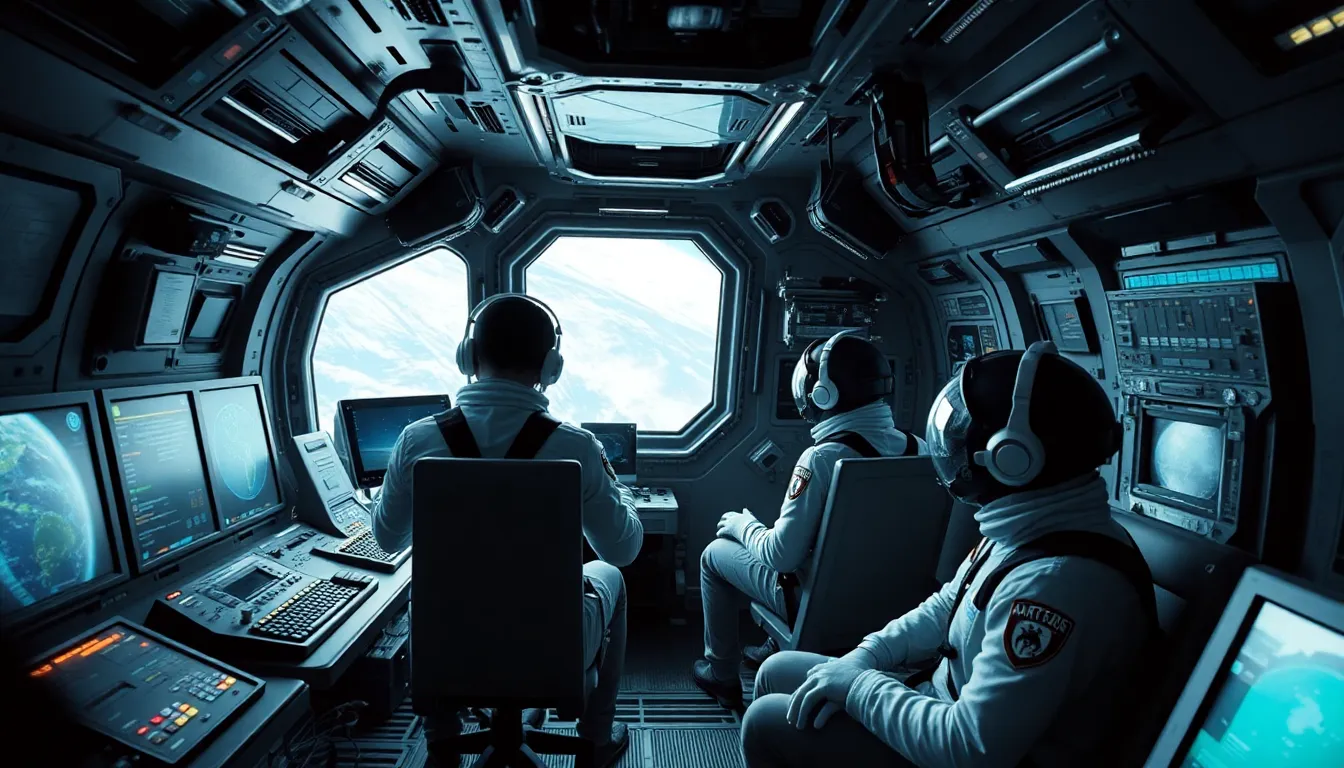
One of the critical components of the Artemis mission is its communication systems, which are essential for maintaining contact between the crew and mission control on Earth. During the mission, there are specific periods, particularly during lunar orbit and landing phases, when the spacecraft may experience temporary communication blackouts. These blackouts can last up to 40 minutes, primarily due to the spacecraft being positioned behind the Moon, obstructing direct line-of-sight with Earth.
Historical Context of Communication Blackouts
Communication blackouts are not a new phenomenon in space exploration. During the Apollo missions, similar challenges were faced when the spacecraft traveled behind the Moon. For instance, Apollo 8 and Apollo 11 experienced communication lapses as they orbited the Moon. These historical precedents highlight the inherent challenges of deep-space communication and the technological advancements made since then to mitigate such issues.
In recent years, advancements in technology have sought to improve communication reliability during critical mission phases. The Artemis mission utilizes the Lunar Gateway, a planned space station in lunar orbit that will serve as a hub for communication, research, and logistics, enhancing our understanding of deep-space communication challenges, such as those mentioned in Weather conditions look favorable ahead of the launch.
As the Artemis program progresses, understanding the implications of these communication gaps becomes crucial. The 40 minutes of lost contact not only tests the resilience of the crew and mission systems but also emphasizes the importance of robust contingency planning and real-time data management in the context of human spaceflight.
Key stakeholders and the challenges faced during the communication loss
The Artemis mission represents a collaborative effort involving multiple stakeholders, each with distinct interests and responsibilities. Key actors include NASA, international space agencies, private aerospace companies, and the broader scientific community. Each of these stakeholders plays a critical role in the success of the mission, particularly during the 40 minutes when the Artemis crew loses contact with Earth.

Navigating the complexities of space communication involves several technical and operational challenges. NASA, as the primary agency, is focused on ensuring the safety and success of the crew while maintaining the integrity of mission objectives. In contrast, private aerospace companies involved in the mission may prioritize technological advancements and commercial interests, leading to potential conflicts in priorities.
During the communication blackout, several key issues arise that impact stakeholders differently:
- Safety Protocols: The crew’s safety is paramount, and any communication loss raises concerns about emergency protocols and contingency plans.
- Data Integrity: The loss of real-time data can hinder mission analysis and decision-making, affecting both NASA and its partners.
- Public Perception: Stakeholders must manage public relations and address concerns about the reliability of space missions.
- International Collaboration: The involvement of international partners adds layers of complexity in communication and operational coordination.
- Legal and Regulatory Challenges: Issues surrounding liability and accountability during communication failures can lead to disputes among stakeholders.
Furthermore, the economic implications of communication losses can be significant. Delays or failures in mission objectives may lead to increased costs and resource allocation issues, prompting stakeholders to reassess their investments and commitments to future missions. The interplay between these interests highlights the intricate balance required to navigate the challenges faced during such critical moments in space exploration.
Who is affected by the communication gap and what it means for future missions
The temporary communication blackout experienced by the Artemis crew during their mission affects a variety of groups, including space agencies, scientists, and the general public. Key stakeholders such as NASA, international space agencies, and private aerospace companies are particularly invested in understanding the implications of this communication gap.
In the short term, the loss of contact can lead to heightened anxiety among families of astronauts and the general public, who rely on real-time updates for reassurance. This situation can also impact media coverage, as news outlets scramble to fill the void with speculation and analysis, potentially affecting public perception of space missions.

Mid-term impacts may manifest in policy discussions surrounding space exploration and safety protocols. Regulatory bodies may push for stricter communication requirements and backup systems to ensure that future missions can minimize such risks. Additionally, industries related to telecommunications and aerospace technology may see increased demand for innovative solutions to enhance communication reliability.
- Increased investment: A potential surge in funding for communication technologies aimed at improving space mission reliability.
- Public interest: A spike in public interest in space exploration could lead to educational initiatives and increased enrollment in STEM programs.
- Policy changes: New regulations may emerge focused on enhancing safety protocols during space missions.
While the communication gap poses risks, it also presents opportunities for innovation and collaboration among various stakeholders in the space industry. The experience gained from this incident could lead to advancements in technology and a more robust framework for future missions.
A: The communication loss was primarily due to the spacecraft entering a specific phase of its mission where it was temporarily out of range of Earth-based communication systems. A: The communication blackout lasted for approximately 40 minutes, during which the crew was unable to send or receive messages. A: NASA has implemented multiple backup communication systems and protocols to ensure that future missions have reliable contact with Earth. A: While the communication loss was concerning, it did not significantly impact the overall mission timeline, as the crew was able to resume contact shortly after. A: This incident highlights the importance of robust communication systems and the need for thorough contingency planning in space missions.
Frequently asked questions about the Artemis communication loss
Key takeaways and future outlook on communication in space missions
The recent incident during the Artemis mission, where the crew experienced a 40-minute communication blackout with Earth, highlights the complexities and challenges of maintaining reliable communication in space. As humanity pushes further into the cosmos, understanding the implications of these communication gaps is crucial for the success of future missions. This event serves as a reminder of the need for robust systems that can withstand the unpredictable nature of space travel.
Looking ahead, it is essential for mission planners and engineers to prioritize the development of advanced communication technologies and protocols. The lessons learned from Artemis can inform strategies to enhance connectivity, ensuring that astronauts remain in contact with mission control and their support teams during critical phases of their journeys.
- Invest in more resilient communication systems to minimize blackout periods during missions.
- Conduct thorough simulations to prepare crews for potential communication failures.
- Explore the use of alternative communication methods, such as satellite relays or autonomous systems.
- Enhance training for astronauts to manage operations during communication outages.
- Foster collaboration between space agencies and private companies to innovate communication solutions.