


This decline is particularly significant as the demand for organ transplants continues to rise. The United Network for Organ Sharing (UNOS) reported that over 100,000 individuals are currently on the waiting list for organ transplants, highlighting a critical gap between supply and demand. For more on related issues, you can read about the hospital waiting lists.
Several factors contribute to this decrease in donations. A rise in public hesitancy, fueled by misinformation and concerns over medical ethics, has led many potential donors to opt out of organ donation programs. Additionally, the COVID-19 pandemic has disrupted routine medical procedures and awareness campaigns, further complicating the situation.
Efforts to address this issue are underway, with various organizations launching initiatives aimed at educating the public about the importance of organ donation. In 2023, the National Kidney Foundation and other stakeholders have intensified their outreach programs to encourage more individuals to register as organ donors, emphasizing the life-saving impact of such decisions.
Historical context of organ donation rates
The practice of organ donation has evolved significantly over the past several decades, shaped by advancements in medical technology, changes in societal attitudes, and legislative developments. In the early days of organ transplantation, which gained momentum in the 1960s, the procedure was often seen as experimental and risky. As historical context matters, it can be insightful to consider how political changes might influence public perception.

One of the pivotal moments in organ donation history was the establishment of the National Organ Transplant Act in 1984 in the United States. This legislation created a framework for organ donation and transplantation, including the establishment of Organ Procurement Organizations (OPOs) to facilitate the donation process. As a result, the number of organ transplants increased significantly, leading to greater awareness and acceptance of organ donation. However, despite these advancements, the gap between the number of available organs and those needed continues to widen, reflecting broader societal issues that are discussed in articles like economic factors in energy policies.
Shifting societal attitudes
Over the years, societal attitudes towards organ donation have been influenced by various factors, including cultural beliefs, religious views, and personal experiences. In some communities, there is a lingering mistrust of medical institutions, which can deter individuals from registering as organ donors. Additionally, the rise of social media has played a dual role; while it has facilitated awareness campaigns, it has also spread misinformation about organ donation, further complicating public perception.
Economic factors also contribute to the decline in organ donation rates. The costs associated with organ transplantation, including post-operative care and long-term medication, can be a significant barrier for potential donors and their families. As healthcare systems around the world grapple with rising costs, the financial implications of organ donation and transplantation may deter individuals from making this life-saving choice.
In summary, the historical context of organ donation rates reveals a complex interplay of medical advancements, legislative efforts, societal attitudes, and economic considerations. Understanding these factors is essential to addressing the current decline in organ donation and finding effective solutions to encourage more individuals to consider this vital act of generosity.
Key stakeholders and their perspectives on organ donation
The landscape of organ donation involves various stakeholders, each with distinct interests and concerns. Key actors include potential organ donors and their families, healthcare providers, government agencies, and advocacy organizations. Understanding their perspectives is crucial to addressing the decline in organ donations.
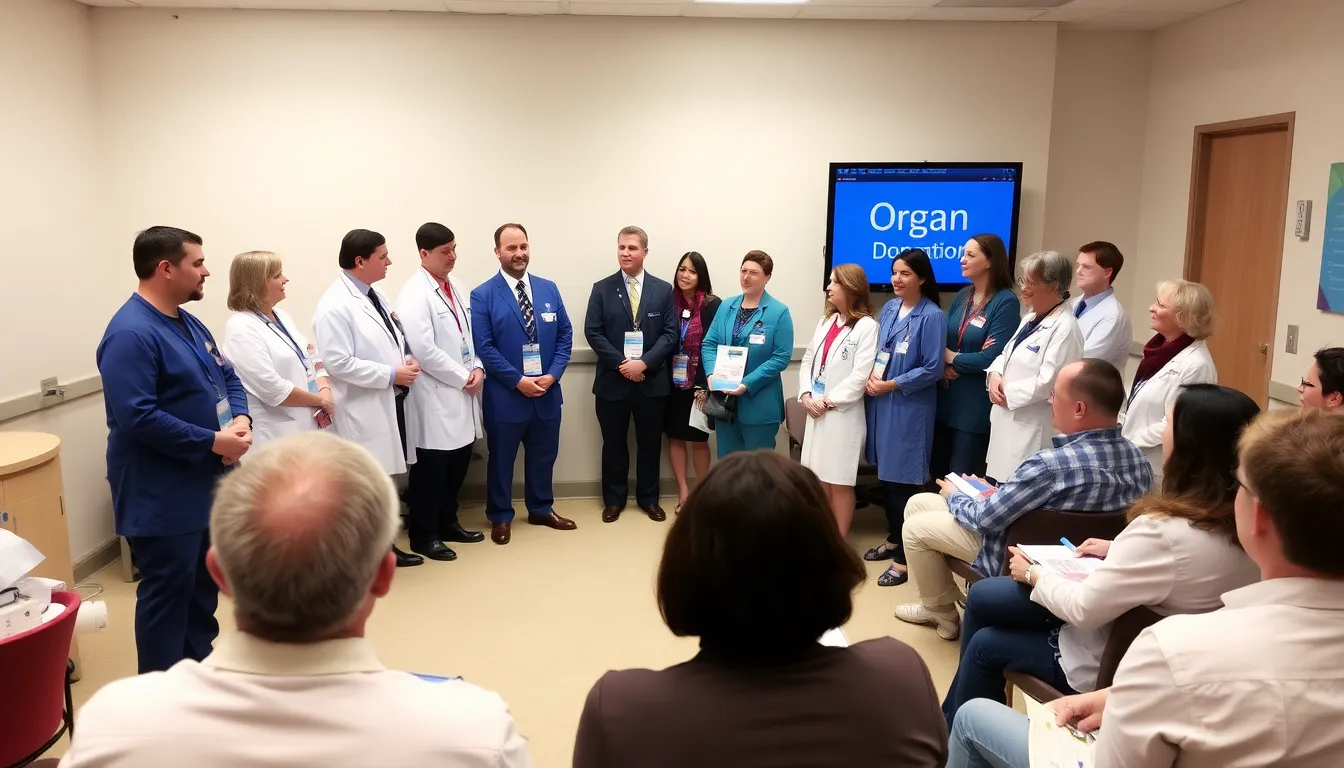
Potential organ donors and their families often face emotional and ethical dilemmas when considering donation. Many individuals may have reservations about the medical procedures involved or fear that their care may be compromised if they are identified as donors. Additionally, cultural and religious beliefs can significantly influence their willingness to donate.
Healthcare providers play a pivotal role in the organ donation process, as they are responsible for identifying potential donors and facilitating the donation process. Their interests lie in ensuring that the process is ethical, transparent, and efficient. However, they may encounter challenges such as a lack of resources or training in discussing organ donation with families, which can hinder the donation rates.
Government agencies are tasked with regulating and promoting organ donation. Their interests include increasing the number of registered donors and ensuring equitable access to organs for transplant patients. However, they face legal and ethical challenges, such as addressing the disparities in donation rates among different demographic groups and navigating privacy concerns related to donor information.
- Potential conflicts between personal beliefs and the medical community’s recommendations.
- Trade-offs between increasing organ donation rates and maintaining ethical standards.
- Legal issues surrounding consent and the definition of death in relation to organ donation.
- The economic implications of organ shortages on healthcare systems and transplant waiting lists.
- Advocacy groups striving to raise awareness and influence public policy on organ donation.
The impact of declining organ donations on patients and healthcare
The decline in organ donations significantly affects various groups, particularly patients suffering from end-stage organ failure. These individuals often face prolonged waiting periods for transplants, which can lead to deteriorating health conditions and increased mortality rates. Families of patients are also impacted, experiencing emotional and financial strain as they navigate the complexities of long-term care and uncertainty surrounding their loved ones’ futures.

Healthcare providers, including hospitals and transplant centers, are directly influenced by the decrease in available organs. With fewer transplants performed, these institutions may face financial challenges due to reduced reimbursement rates for transplant surgeries and related care. Additionally, the workforce within these facilities may experience heightened stress and burnout as they manage the growing number of patients on waiting lists.
On a broader scale, declining organ donations can affect public health policies and funding. Governments may need to allocate more resources towards public awareness campaigns aimed at increasing donor registration. This shift in focus could lead to changes in healthcare policy, potentially prioritizing organ donation initiatives and incentivizing donor registration through various means.
- Short-term impacts: Increased waiting times for transplants, higher healthcare costs, and emotional distress for patients and families.
- Mid-term impacts: Strain on healthcare resources, potential policy shifts, and the need for enhanced public awareness campaigns.
- Risks: Higher mortality rates for patients, financial instability for healthcare facilities, and increased healthcare disparities.
- Opportunities: Innovations in donor matching technologies, partnerships between healthcare providers and community organizations, and potential growth in the field of regenerative medicine.
A: Several factors contribute to this decline, including lack of awareness, misconceptions about organ donation, and cultural beliefs that may discourage donation. A: Barriers include misinformation about the donation process, fear of medical negligence, and the emotional difficulty of discussing death and donation with families. A: The organ donation process typically involves registering as a donor, medical evaluation at the time of death, and matching organs with recipients based on medical criteria. A: Yes, many organizations are implementing awareness campaigns, educational programs, and policy changes to encourage more individuals to register as organ donors. A: You can become an organ donor by registering online through your country’s organ donation registry or by indicating your wishes on your driver’s license.
Frequently asked questions about organ donation
Future outlook on organ donation trends and solutions
The decline in organ donation rates poses significant challenges for healthcare systems worldwide, highlighting the need for proactive measures to address public concerns and misconceptions. Understanding the factors that contribute to this trend is crucial for developing effective strategies that can encourage more individuals to consider organ donation as a vital act of altruism.
As society evolves, so too must our approaches to organ donation. Education and awareness campaigns can play a pivotal role in reshaping perceptions, while policy reforms may enhance the infrastructure surrounding organ donation. By fostering a culture of openness and support, we can create an environment where organ donation is viewed not only as a personal choice but as a collective responsibility.
- Enhance public education: Focus on informing communities about the benefits and processes of organ donation to dispel myths and reduce fears.
- Strengthen donor registration systems: Improve accessibility and simplify the registration process to encourage more individuals to sign up as organ donors.
- Engage with diverse communities: Tailor outreach programs that address specific cultural beliefs and values related to organ donation.
- Leverage technology: Utilize social media and digital platforms to reach younger audiences and promote organ donation initiatives effectively.
- Advocate for policy reforms: Support legislative changes that can enhance the organ donation framework, making it more efficient and transparent.