


The context of these remarks is significant, as tensions between the United States and Iran have escalated in recent months. Following the U.S. withdrawal from the Joint Comprehensive Plan of Action in 2018 and subsequent sanctions, Iran has resumed enriching uranium, further straining relations. Trump’s comments come at a time when diplomatic efforts to address these issues appear stalled, highlighting the role of international actors, as discussed in How Pakistan became an unexpected mediator in the Iran war.
Legal experts have pointed out that threats to target civilian infrastructure in Iran could violate the Geneva Conventions, which protect non-combatants during conflicts. The potential for such actions raises serious ethical and legal questions, especially considering the historical impact of U.S. military interventions in the region. Observers are concerned that Trump’s rhetoric could embolden hardline factions within Iran, complicating any future negotiations.
The international community is closely monitoring these developments, as they could have far-reaching implications for U.S. foreign policy and global security. Allies in Europe and the Middle East are particularly wary of a renewed conflict, fearing it could destabilize an already volatile region. As the 2024 presidential election approaches, Trump’s statements may also influence public opinion and the political landscape in the U.S.
Understanding the historical tensions between the U.S. and Iran
The relationship between the United States and Iran has been fraught with tension for decades, rooted in a complex history of political upheaval, ideological conflict, and strategic interests. The pivotal moment often cited is the 1953 CIA-backed coup that overthrew Iran’s democratically elected Prime Minister Mohammad Mossadegh, reinstating the Shah, Mohammad Reza Pahlavi. This event sowed deep-seated resentment among Iranians towards the U.S., viewing it as an outsider meddling in their sovereignty.
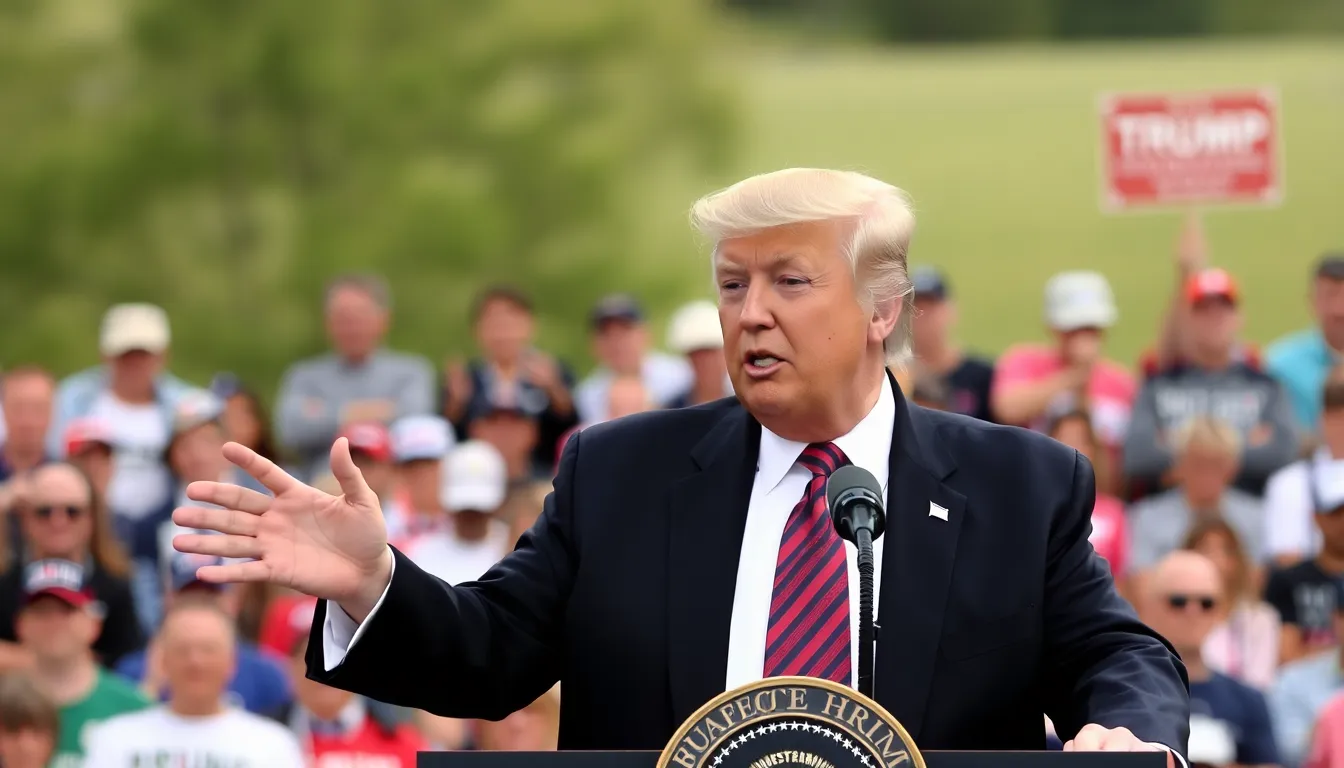
The Islamic Revolution of 1979 marked another significant turning point, resulting in the overthrow of the Shah and the establishment of the Islamic Republic under Ayatollah Khomeini. This revolution was fueled by widespread discontent with the Shah’s regime and its close ties to the West. Following the revolution, the U.S. and Iran severed diplomatic ties, leading to a series of confrontations, including the hostage crisis where 52 American diplomats and citizens were held for 444 days.
Key Milestones in U.S.-Iran Relations
Over the years, numerous events have further strained relations between the two nations. The Iran-Iraq War in the 1980s saw the U.S. supporting Iraq, which was perceived by Iran as a betrayal. The 2000s brought new challenges with Iran’s nuclear program, leading to international sanctions and heightened tensions, especially during the Bush and Obama administrations. The 2015 nuclear deal, known as the Joint Comprehensive Plan of Action (JCPOA), represented a brief thawing of relations but was ultimately undermined by the Trump administration’s decision to withdraw from the agreement in 2018, which has been a focus of analysis in articles such as How Pakistan became a surprising mediator in the Iran war with Trump’s support.
In recent years, rhetoric has escalated, particularly from political figures in the U.S. who have threatened military action against Iran. The use of aggressive language and the suggestion of potential war crimes has raised alarms globally, as these statements could incite further conflict in an already volatile region. Understanding this historical context is essential to grasping the complexities of current events and the implications of such threats on international relations and regional stability.
Key stakeholders and the implications of Trump’s comments
Donald Trump, the former President of the United States, has made headlines with his provocative statements regarding potential military action against Iran. His comments have drawn attention from various stakeholders, each with distinct interests and concerns regarding the implications of such rhetoric, similar to the discussions around the positioning of influential figures covered in Charles Barkley Addresses Multiple Issues in SNL March Madness Opener.
The primary actors in this scenario include the U.S. government, Iranian leadership, international organizations, and global allies. The U.S. government, particularly under the influence of Trump and his supporters, may view aggressive posturing as a means to project strength and deter Iranian aggression. Conversely, the Iranian government perceives these threats as a direct challenge to its sovereignty and a potential catalyst for conflict.
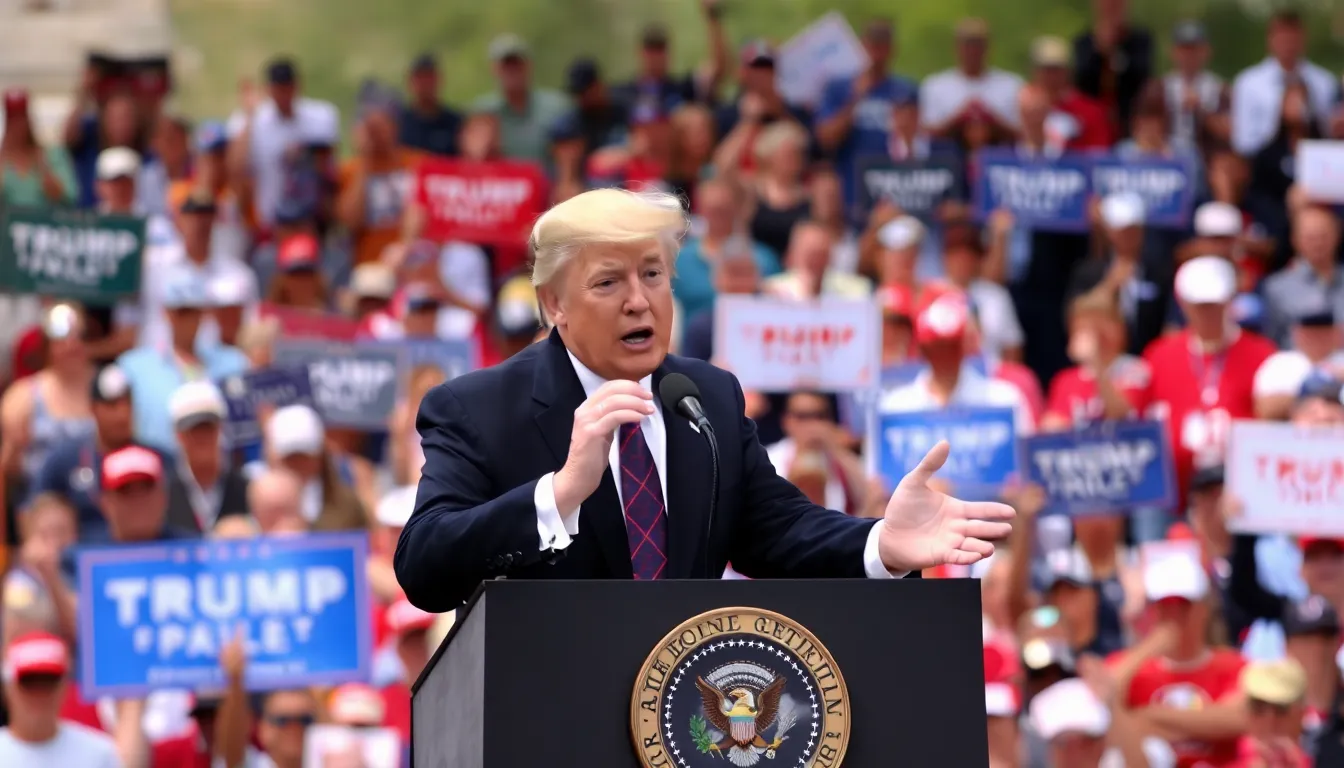
International organizations, such as the United Nations, are concerned about the legal ramifications of war crimes and the potential for escalation into a broader conflict. The Geneva Conventions outline the legal framework for wartime conduct, and any actions perceived as war crimes could lead to significant international backlash against the U.S. and its leaders.
- Escalation of Tensions: Trump’s comments could lead to increased military readiness and tensions in the Middle East.
- Impact on Diplomacy: Aggressive rhetoric may undermine diplomatic efforts aimed at de-escalation and negotiations.
- Legal Consequences: Potential accusations of war crimes could arise if military actions violate international law.
- Global Reactions: Allies and adversaries alike may reassess their positions and strategies in response to U.S. threats.
- Economic Implications: Heightened conflict could disrupt oil markets and have broader economic repercussions globally.
Ultimately, Trump’s comments serve as a flashpoint that highlights the complexities of international relations, where the interests of various stakeholders must be carefully navigated to avoid catastrophic outcomes. The interplay between military strategy, legal accountability, and diplomatic relations remains a critical concern for all involved parties.
Potential repercussions for U.S. relations in the Middle East
The recent statements by former President Trump regarding potential military actions in Iran could have far-reaching implications for various groups and industries. Key stakeholders include the U.S. government, Iranian citizens, military contractors, oil markets, and regional allies such as Israel and Saudi Arabia.
In the short term, the rhetoric may escalate tensions in the region, leading to increased military readiness among U.S. forces and their allies. This could disrupt daily life for civilians in Iran and neighboring countries, as fears of conflict grow. Businesses operating in the oil and gas sector may experience volatility in prices, as markets react to the uncertainty surrounding U.S.-Iran relations.
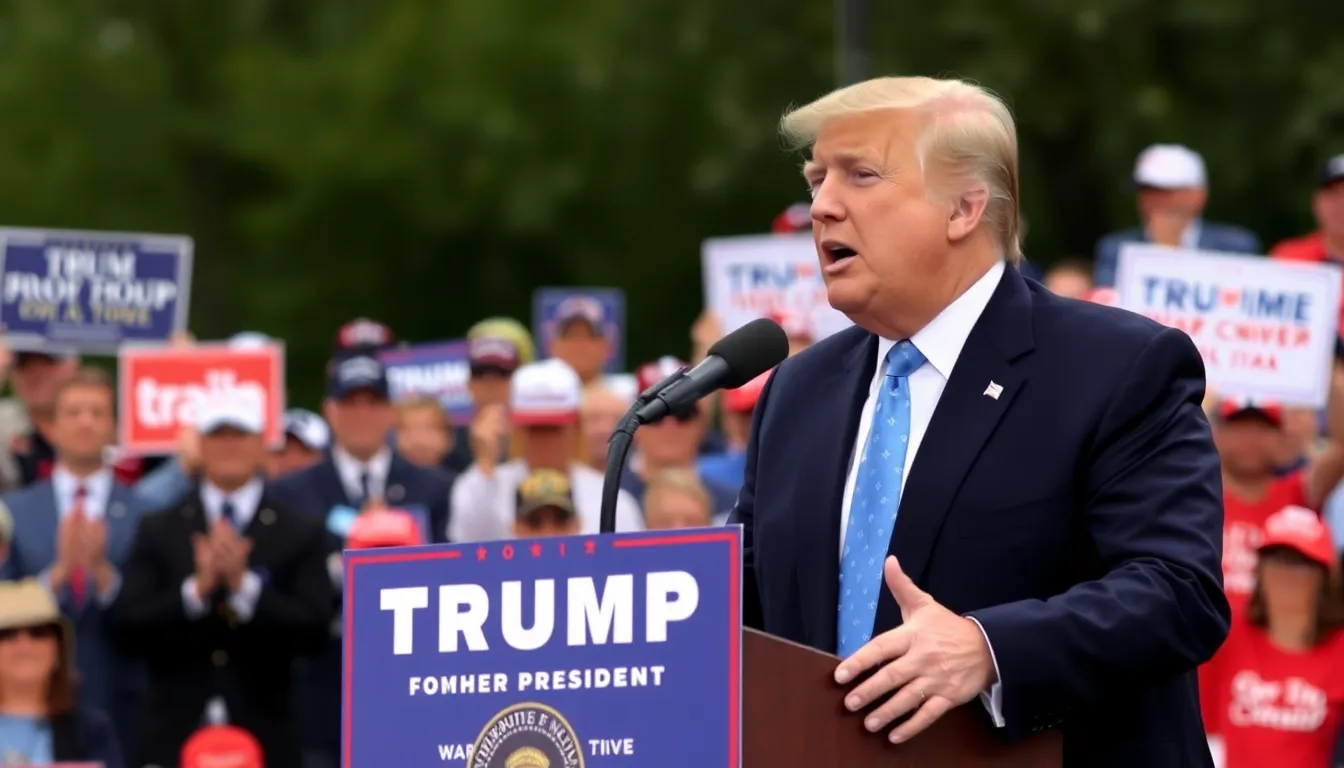
Mid-term impacts could include shifts in foreign policy, as the Biden administration may feel pressured to respond to Trump’s provocations. This could lead to a reevaluation of sanctions against Iran, affecting industries reliant on Middle Eastern oil. Additionally, regional powers may seek to strengthen their military capabilities, further destabilizing the area.
- Increased military spending by the U.S. and its allies.
- Heightened risk for American businesses operating in the region.
- Potential for diplomatic isolation of Iran, affecting its economy.
- Opportunities for defense contractors to secure new contracts.
- Possible shifts in oil supply chains, benefiting alternative energy sectors.
While there are significant risks associated with the escalation of military threats, there could also be opportunities for diplomatic engagement as countries reassess their positions. For instance, nations may seek to mediate tensions to avoid conflict, fostering new alliances and trade partnerships.
A: Trump made comments suggesting he would not hesitate to take extreme military actions against Iran, which many interpreted as a threat to commit war crimes. A: His remarks are seen as a violation of international law, which prohibits war crimes, and they raise ethical concerns regarding U.S. military engagement. A: Various countries and international organizations have condemned Trump’s comments, emphasizing the need for diplomatic solutions rather than threats of violence. A: Trump’s threats could further escalate tensions, making diplomatic negotiations more challenging and potentially leading to military confrontations. A: Yes, threats of war crimes can lead to legal actions under international law, and leaders can be held accountable for such statements.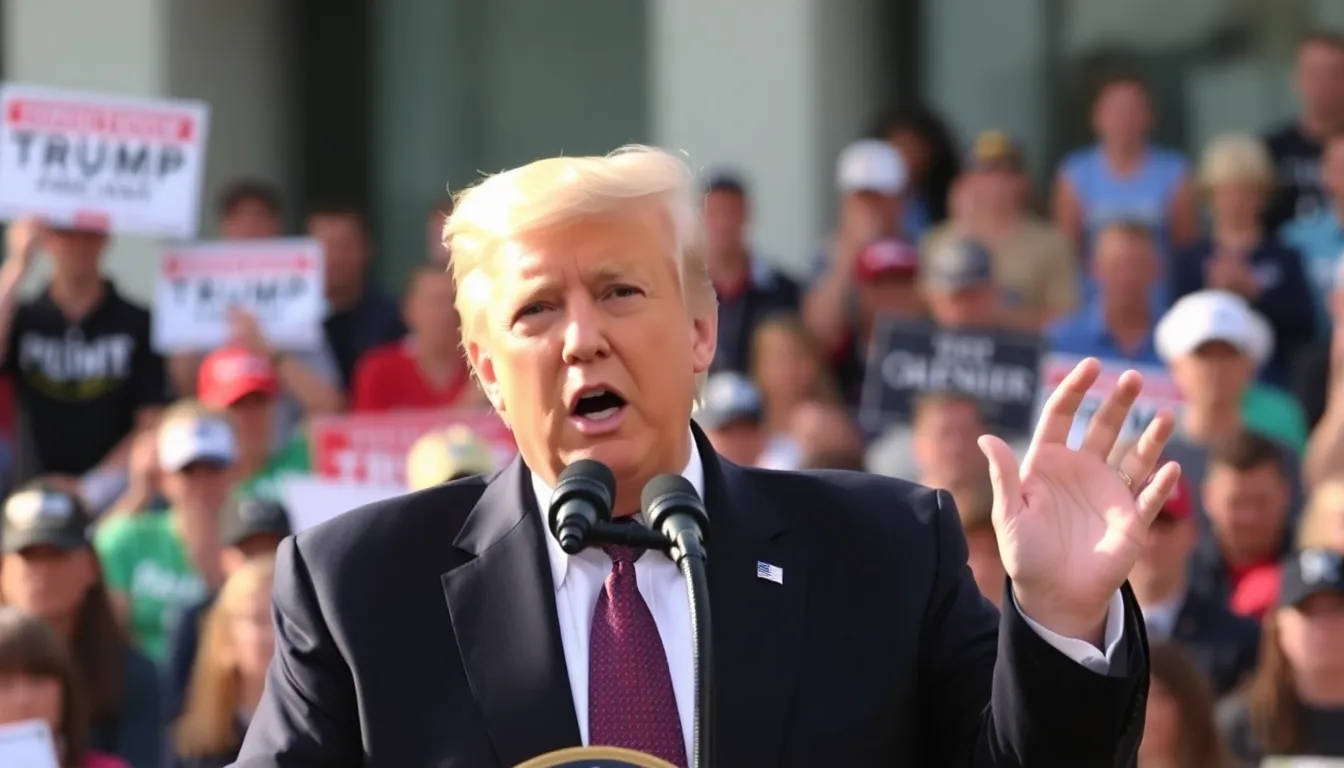
Frequently Asked Questions about Trump’s remarks
Looking ahead at the implications of Trump’s threats
The recent statements made by former President Trump regarding potential military actions in Iran raise critical questions about U.S. foreign policy and international law. As Trump openly discusses the possibility of committing war crimes, it is essential to consider the broader ramifications of such rhetoric on diplomatic relations, military strategy, and domestic political discourse.
Moving forward, the implications of these threats could influence not only how Iran and its allies respond but also how U.S. allies perceive American leadership and commitment to international norms. The potential for escalating tensions in the Middle East remains high, and the fallout from these statements could extend beyond immediate military concerns to affect global perceptions of U.S. authority and moral standing.
- Watch for increased military readiness and strategic positioning by U.S. forces in the region as tensions escalate.
- Monitor Iran’s response, which may include heightened rhetoric or military posturing, potentially leading to a cycle of confrontation.
- Observe the reactions from U.S. allies and partners, particularly in Europe and the Middle East, as they navigate their own security concerns.
- Consider the implications for domestic politics, particularly how Trump’s statements may influence public opinion and the upcoming elections.
- Evaluate the role of international law and potential repercussions for U.S. actions, including possible investigations or sanctions from global bodies.