


One of the key issues currently facing developers is the ambiguity surrounding the ownership of AI-generated content. As generative AI tools become more sophisticated, questions arise about who holds the rights to the creations produced by these systems. In July 2023, the U.S. Copyright Office issued guidelines indicating that works created solely by AI may not qualify for copyright protection, prompting a wave of discussions among industry stakeholders regarding the implications for game developers. For more on the challenges of intellectual property in creative industries, see our article on Oracle’s job cuts and AI investments.
Additionally, the gaming industry is grappling with the need for regulatory measures that address the ethical use of AI technologies. In September 2023, the European Union proposed new regulations aimed at ensuring transparency and accountability in AI applications, which could significantly impact how game developers utilize generative AI. These regulations may require companies to disclose the use of AI in their products, thereby influencing consumer trust and brand reputation.
Moreover, public perception of AI-generated content remains mixed, with concerns about quality and authenticity being prevalent among gamers. Recent surveys indicate that while many players appreciate the potential for enhanced gameplay experiences, there is skepticism about the creative integrity of AI-generated narratives and art. This duality highlights the ongoing challenge for developers to balance innovation with maintaining their reputation and the expectations of their audience.
Understanding the background of generative AI in the gaming industry
The integration of generative AI into game development represents a significant shift in how games are created, shaped by advancements in technology and evolving industry practices. Historically, the gaming industry has relied on manual processes for design and development, where artists and programmers worked painstakingly to create immersive worlds. However, as computing power increased and AI technologies matured, developers began to explore the potential of AI to automate and enhance various aspects of game creation, much like the early innovations seen in games like ‘Rogue’ and ‘Elite’.

One of the earliest milestones in this journey was the introduction of procedural generation techniques in the 1980s, which allowed developers to create vast game environments with less manual effort. Games like “Elite” and “Rogue” showcased the potential of algorithms to generate content, laying the groundwork for future innovations. As AI research progressed, the 2010s saw the emergence of deep learning and neural networks, enabling more sophisticated generative models capable of producing realistic graphics, character behaviors, and even narrative elements.
The impact of intellectual property and regulation
As generative AI became more prevalent in game development, it raised important questions regarding intellectual property (IP) rights and regulatory frameworks. Developers began to grapple with issues surrounding ownership of AI-generated content, leading to legal debates over whether the output of AI systems could be copyrighted. This situation was further complicated by the rapid pace of technological advancement, which outstripped existing laws and regulations, prompting calls for new policies to address the unique challenges posed by AI in creative industries.
Moreover, the economic implications of generative AI in gaming cannot be overlooked. By streamlining development processes and reducing costs, AI has the potential to democratize game creation, allowing smaller studios to compete with larger companies. However, this shift also raises concerns about job displacement and the future role of human creators in the industry. For more insights on how AI is impacting various sectors, check out our piece on Audi’s F1 candidate considerations.
Key stakeholders and issues surrounding IP and regulation
The landscape of generative AI in game development is shaped by various stakeholders, each with distinct interests. Game developers and studios are primarily focused on leveraging AI technologies to enhance creativity and streamline production processes. They seek to maintain a competitive edge while ensuring that their intellectual property (IP) is protected. On the other hand, technology companies that create generative AI tools are interested in expanding their market share and fostering partnerships with game developers.
Governments and regulatory bodies play a significant role in this ecosystem, as they strive to establish frameworks that balance innovation with consumer protection. The challenge lies in creating regulations that address the unique aspects of AI-generated content while not stifling creativity and technological advancement. Additionally, consumer advocacy groups are becoming increasingly vocal about the ethical implications of AI in gaming, focusing on issues like copyright infringement and the potential for misinformation.
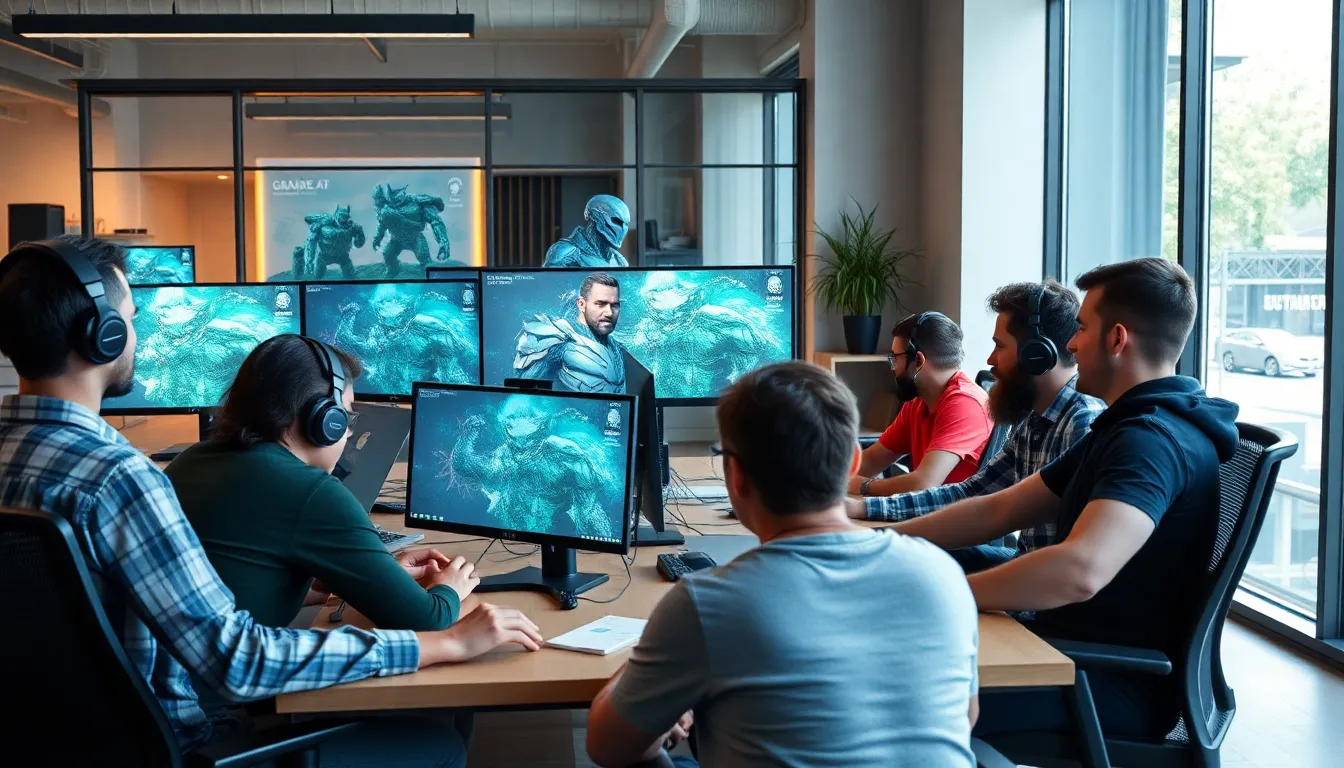
Several key issues arise from the intersection of these stakeholders’ interests:
- Intellectual Property Rights: The ownership of AI-generated content remains a contentious topic. Who owns the rights to a game character or storyline created with the assistance of AI?
- Regulatory Compliance: As governments draft regulations, game developers must navigate these evolving legal landscapes to ensure compliance while maximizing the benefits of AI.
- Ethical Considerations: The use of AI raises questions about fairness, transparency, and the potential for bias in game design and storytelling.
- Market Dynamics: The introduction of AI tools can disrupt traditional game development practices, leading to potential job displacement and shifts in industry standards.
- Consumer Trust: Maintaining a positive reputation is critical for developers, especially as players become more aware of AI’s role in their gaming experiences.
As these stakeholders navigate the complexities of generative AI, the ongoing dialogue around IP, regulation, and reputation will be crucial in shaping the future of game development. Balancing innovation with ethical and legal considerations will require collaboration among all parties involved.
The impact of generative AI on developers and gamers
Generative AI is poised to reshape the landscape of game development, affecting various stakeholders including developers, publishers, gamers, and regulatory bodies. The technology offers opportunities for innovation while also raising significant concerns regarding intellectual property (IP) rights and ethical implications.
In the short term, developers may experience increased efficiency as generative AI tools streamline the creation of game assets, characters, and narratives. This can lead to faster production cycles and lower development costs. However, the reliance on AI-generated content also poses risks, such as potential copyright infringement and the dilution of creative originality.
Gamers stand to benefit from more immersive and personalized experiences, as AI can tailor gameplay and narratives to individual preferences. Yet, there are concerns about the authenticity of AI-generated content and its impact on the gaming community’s culture. The mid-term effects may include shifts in player expectations and a growing demand for transparency regarding the use of AI in game development.
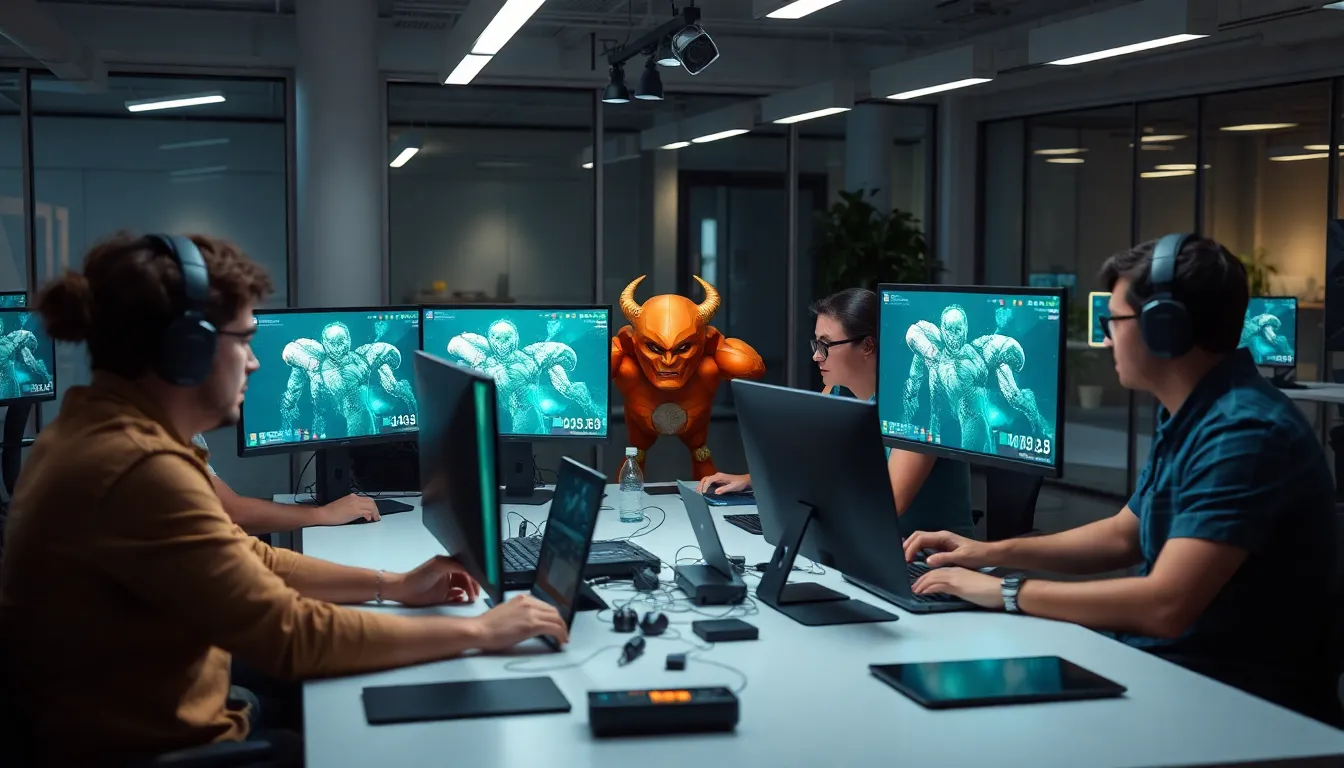
- Opportunities: Enhanced creativity and innovation in game design.
- Risks: Legal challenges related to IP and potential backlash from the gaming community.
- Business Impact: Changes in revenue models as AI tools reduce development costs.
- Policy Implications: Need for new regulations to address AI use in content creation.
Regions with robust tech industries, such as North America and parts of Europe, may lead the way in adopting generative AI in gaming. However, disparities in access to technology and expertise could widen the gap between leading and emerging markets, potentially stifling innovation in less developed regions.
A: Generative AI refers to algorithms that can create content, such as graphics, levels, and narratives, in games. This technology allows developers to enhance creativity and efficiency. A: The use of generative AI raises questions about ownership of created content. Developers must navigate existing IP laws to ensure they do not infringe on others’ rights. A: Regulatory challenges include compliance with data protection laws and ensuring that AI-generated content adheres to industry standards. This can vary significantly across different regions. A: Developers can maintain their reputation by being transparent about AI usage, ensuring quality in AI-generated content, and engaging with their community to address concerns. A: Benefits include increased creativity, reduced development time, and the ability to create personalized gaming experiences for players, enhancing engagement.
Frequently asked questions about generative AI in gaming
Future outlook and key takeaways on generative AI in game development
The integration of generative AI into game development is set to reshape the industry landscape significantly. As developers leverage AI for creative processes, it is crucial to navigate the complexities surrounding intellectual property, regulatory frameworks, and the potential impact on brand reputation. Understanding these dynamics will be essential for studios aiming to harness the full potential of AI while mitigating associated risks.
Looking ahead, the relationship between technology and creativity will continue to evolve, prompting developers to adopt responsible practices that prioritize innovation without compromising ethical standards. Stakeholders must remain vigilant in monitoring regulatory changes and adapting their strategies accordingly to ensure sustainable growth in this rapidly changing environment.
- Establish clear guidelines for intellectual property rights to protect original content generated by AI.
- Engage with regulatory bodies to advocate for frameworks that support innovation while ensuring consumer protection.
- Invest in brand reputation management strategies to address potential backlash against AI-generated content.
- Foster collaboration between AI developers and game designers to enhance the creative process and ensure quality outcomes.
- Stay informed about technological advancements and emerging trends to remain competitive in the evolving game development landscape.