


The timing of this announcement raises questions about the team’s preparedness for the upcoming season, especially as Audi gears up for its debut in F1 in 2026. Industry insiders are urging the management to consider internal candidates who are already familiar with the team’s culture and objectives, potentially ensuring a smoother transition. For more insights on leadership decisions in high-stakes environments, you can read about Matt Brittin’s leadership.
Several names have emerged as potential replacements, including key figures from Audi’s existing F1 operations. These candidates are believed to possess the necessary experience and vision to lead the team effectively during this pivotal period.
The decision regarding Wheatley’s successor is critical not only for maintaining team morale but also for establishing a competitive edge as Audi enters a new chapter in its motorsport history. Stakeholders are closely monitoring the situation, recognizing that the right leadership choice could significantly influence the team’s performance in the years to come.
Understanding the significance of Jonathan Wheatley’s role in Audi F1
Jonathan Wheatley has been a pivotal figure in the world of Formula 1, particularly known for his strategic acumen and leadership within the sport. His tenure at Red Bull Racing has been marked by significant achievements, including multiple Constructors’ Championships. His ability to navigate the complexities of F1 regulations and team dynamics has made him a sought-after candidate for leadership roles, particularly as Audi F1 gears up for its entry into the sport.
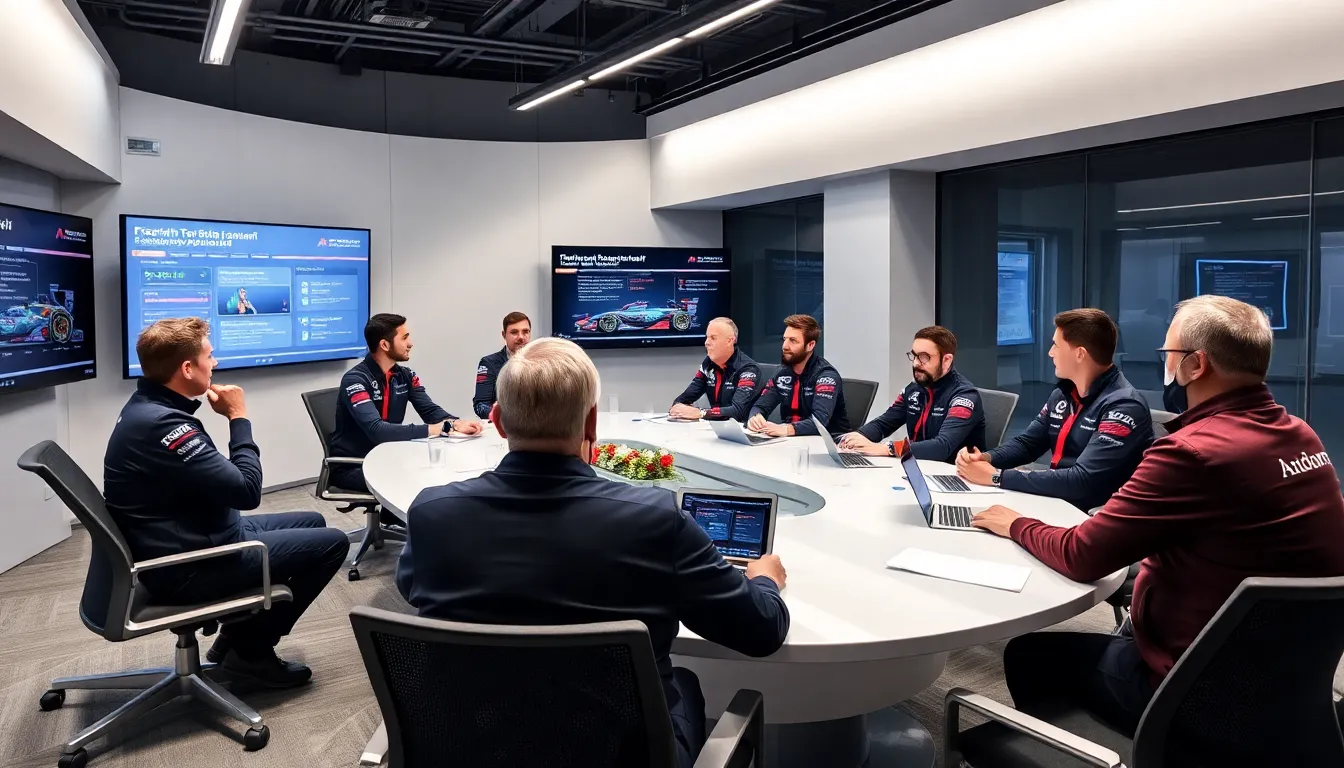
The decision for Audi to enter Formula 1 is rooted in a broader trend among automotive manufacturers to leverage motorsport as a platform for innovation and brand visibility. As the automotive industry shifts towards electrification and sustainability, the high-performance aspect of F1 serves as a testing ground for cutting-edge technologies. This context makes the appointment of a capable leader like Wheatley crucial for Audi’s ambitions, as they aim to establish themselves competitively from the outset.
Historically, the role of a sporting director or team principal has been instrumental in shaping a team’s success. In the past, teams that have appointed experienced figures from within the sport have often seen a smoother transition and quicker results. With Audi’s entry, the pressure to perform is immense, and the right leadership will be essential to foster a culture of excellence and innovation. The internal candidate being considered for Wheatley’s replacement brings a wealth of experience, having been part of the team during its formative years, which aligns with the impact of leadership in various fields.
The Evolution of Leadership in Formula 1
Leadership in Formula 1 has evolved significantly over the years, with teams increasingly recognizing the importance of strategic management and operational efficiency. The shift towards data-driven decision-making and the integration of advanced technology in race strategies have made the role of team leaders more complex and critical than ever. As Audi F1 looks to solidify its position in a competitive landscape, understanding this evolution will be vital for any candidate stepping into a leadership role.
Evaluating potential candidates and their implications for Audi F1
As Audi F1 navigates the transition following Jonathan Wheatley’s departure, the organization faces critical decisions regarding leadership. The internal candidate being considered brings a wealth of experience and familiarity with the team’s culture, which could ensure a smoother transition. However, this choice also raises questions about the implications for team dynamics and performance.
Key stakeholders in this scenario include Audi’s management, the Formula 1 governing body, and the team’s existing personnel. Audi’s management is primarily interested in maintaining competitive performance while ensuring stability within the team. The governing body, FIA, is focused on compliance with regulations, while team personnel are concerned about how leadership changes may affect their roles and the team’s overall morale.

Conflicts may arise as various factions within the organization advocate for different candidates based on their interests. For instance, some may argue for an external candidate who could bring fresh ideas and perspectives, while others might support the internal candidate for continuity. This divergence can lead to trade-offs between innovation and stability, which are crucial for the team’s long-term success.
- Internal Candidate Advantage: Familiarity with team culture and existing relationships.
- External Candidate Risk: Potential disruption of established workflows and team dynamics.
- Regulatory Compliance: Ensuring that any new leadership aligns with FIA regulations.
- Performance Pressure: The need for immediate results could overshadow long-term strategic planning.
- Team Morale: Leadership changes can impact employee engagement and retention.
Ultimately, the decision regarding the replacement of Jonathan Wheatley will not only shape the immediate future of Audi F1 but also influence its strategic direction in the highly competitive landscape of Formula 1 racing. Stakeholders must weigh their options carefully to ensure that the chosen path aligns with both short-term goals and long-term vision. The implications of such decisions can resonate far beyond the track, similar to how leadership transitions impact teams in creative industries.
How the leadership change may affect Audi F1’s performance and strategy
The potential replacement of Jonathan Wheatley in Audi F1 could have significant implications for various stakeholders, including team members, sponsors, and fans. The motorsport industry, particularly Formula 1, is a highly competitive arena where leadership decisions can dramatically influence team dynamics and performance on the track.
In the short term, the uncertainty surrounding this leadership transition may lead to a period of adjustment for the team. Employees may experience a shift in morale as they adapt to new leadership styles and strategic directions. Additionally, sponsors may reassess their commitments, weighing the potential risks and rewards of continuing their association with Audi F1 during this transitional phase.
Mid-term impacts could manifest in the form of changes in team performance and operational strategies. If the internal candidate is chosen, there could be a smoother transition, fostering continuity and stability. Conversely, if an external candidate is appointed, it may lead to a more radical shift in team culture and strategy, which could either invigorate the team’s performance or create further disruptions.

- Risks: Potential disruptions in team cohesion, decreased sponsor confidence, and performance inconsistency.
- Opportunities: Fresh perspectives on strategy, potential for innovation in team operations, and enhanced team morale if the new leader aligns with existing values.
Regions heavily invested in motorsports, particularly those with a strong Formula 1 presence, could see economic fluctuations tied to Audi F1’s performance. Local businesses and tourism may experience impacts based on the team’s success or struggles, showcasing the broader economic implications of leadership changes within high-profile sports teams.
A: Jonathan Wheatley has been a key figure in Audi F1’s management, overseeing critical operations. His departure could lead to significant changes in team dynamics and decision-making processes. A: While specific names have not been disclosed, sources suggest that several experienced individuals within the organization are under consideration for the position. A: The transition in leadership could affect team morale and strategy, potentially influencing their performance in the competitive F1 landscape. A: Finding a suitable replacement involves ensuring that the new leader aligns with Audi F1’s goals and can maintain continuity in operations during the transition. A: While no official timeline has been announced, it is expected that Audi F1 will move quickly to fill the position to minimize disruption.
Frequently asked questions about the leadership change in Audi F1
Key takeaways and future outlook for Audi F1
The ongoing discussions surrounding the potential replacement of Jonathan Wheatley at Audi F1 highlight the importance of strategic internal leadership as the team prepares for its entry into Formula 1. With a focus on leveraging existing talent, Audi F1 may enhance its competitive edge by promoting from within, ensuring a seamless transition and continuity in its operations.
As the team navigates this pivotal moment, several scenarios could unfold that will significantly impact its performance and integration into the F1 landscape. Stakeholders should closely monitor how these decisions shape Audi’s long-term strategy and team dynamics.
- Identifying and promoting a strong internal candidate could foster team cohesion and maintain existing relationships within the organization.
- Audi’s approach to leadership transitions may set a precedent for future hiring practices as they establish their identity in F1.
- The decision will likely influence Audi’s ability to attract top talent externally, as potential hires assess the team’s stability and vision.
- Monitoring the performance of the internal candidate in the lead-up to the season will provide insights into Audi’s operational effectiveness and readiness.
- Stakeholders should keep an eye on how this leadership change aligns with Audi’s broader goals in F1, particularly in terms of innovation and competitiveness.