


These performances are part of a broader initiative that began in early 2023, aimed at exploring cross-cultural musical expressions. Tan Dun, who is celebrated for his score for the film “Crouching Tiger, Hidden Dragon,” has infused the LPO’s repertoire with his signature style, which emphasizes the use of unconventional instruments and vocal techniques.
The recent concert series, held at the Southbank Centre from October 12 to 14, 2023, has drawn significant attention from both critics and audiences alike. Many have praised the LPO’s ability to adapt to Dun’s complex compositions, which often require a high level of technical skill and emotional depth from the musicians.
This collaboration not only highlights the LPO’s commitment to contemporary music but also raises important questions about the fusion of different cultural heritages in orchestral settings. As the orchestra continues to explore these themes, the impact of Tan Dun’s work is likely to resonate well beyond the concert hall, influencing future generations of musicians and composers.
Understanding the background of Tan Dun’s musical style
Tan Dun, a prominent figure in contemporary classical music, is known for his innovative fusion of traditional and modern elements. His musical style is deeply rooted in the cultural and historical contexts of China, where the interplay of ancient traditions and contemporary influences shapes the soundscape. Born in 1957 in Hunan Province, Tan’s early exposure to the rich tapestry of Chinese folk music and instruments laid the foundation for his later works, which often incorporate a variety of global influences.
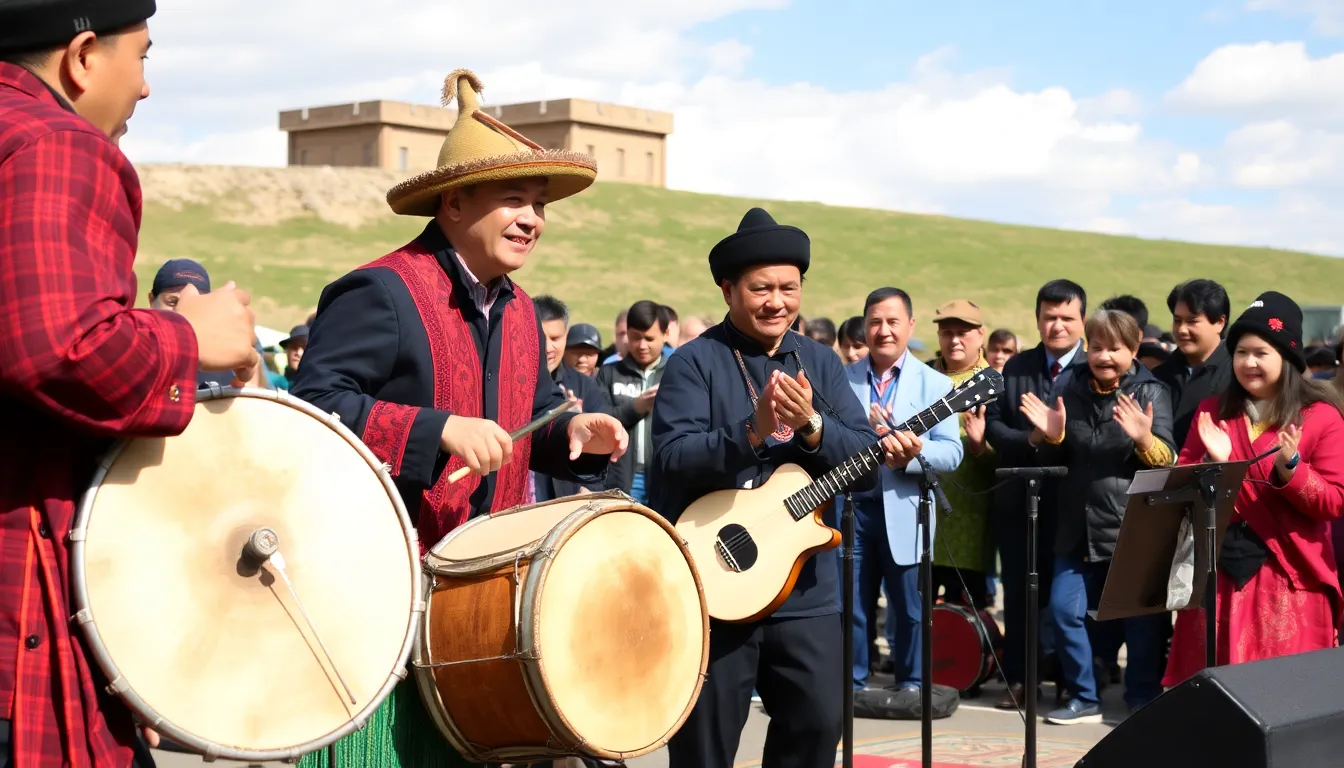
The political landscape of China during Tan Dun’s formative years also played a significant role in shaping his artistic voice. The Cultural Revolution (1966-1976) led to a suppression of traditional art forms, which forced many artists to adapt and innovate. Tan’s experiences during this tumultuous period instilled in him a sense of resilience and a desire to explore the boundaries of music, leading him to experiment with unconventional sounds and techniques, such as the use of a full battery of drums and dramatic vocalizations.
Economically, the opening up of China in the late 20th century allowed for greater cultural exchange and collaboration with the West. This shift enabled Tan Dun to study at prestigious institutions like Columbia University, where he was exposed to a diverse array of musical styles. His ability to blend Western classical music with Eastern traditions has garnered international acclaim, showcasing how economic changes can influence artistic expression.
The Influence of Mongolian Throat Singing
One of the most intriguing aspects of Tan Dun’s work is his incorporation of Mongolian throat singing, a technique that adds a unique texture to his compositions. This style, characterized by the ability to produce multiple pitches simultaneously, reflects the broader cultural exchanges that have occurred in Asia over centuries. By integrating such elements, Tan not only honors the rich traditions of his heritage but also pushes the boundaries of contemporary music, inviting audiences to experience a dialogue between past and present. This resonates with the shifts seen in various sectors, such as cultural exchanges, that can influence artistic expression.
Key issues and stakeholder perspectives on the performance
The recent performance of LPO under the direction of Tan Dun has drawn attention from various stakeholders, each with their own interests and perspectives. Key actors include the London Philharmonic Orchestra (LPO), the composer Tan Dun, local cultural institutions, and the audience. Their interactions highlight a complex web of artistic expression, cultural significance, and economic considerations.
Tan Dun, known for his innovative compositions that blend Eastern and Western musical traditions, aims to push the boundaries of orchestral music. His interest lies in showcasing unique soundscapes, which include the incorporation of dramatic inhalations and elements reminiscent of Mongolian throat singing. This artistic vision can create both excitement and resistance among traditionalists who may prefer classical forms.
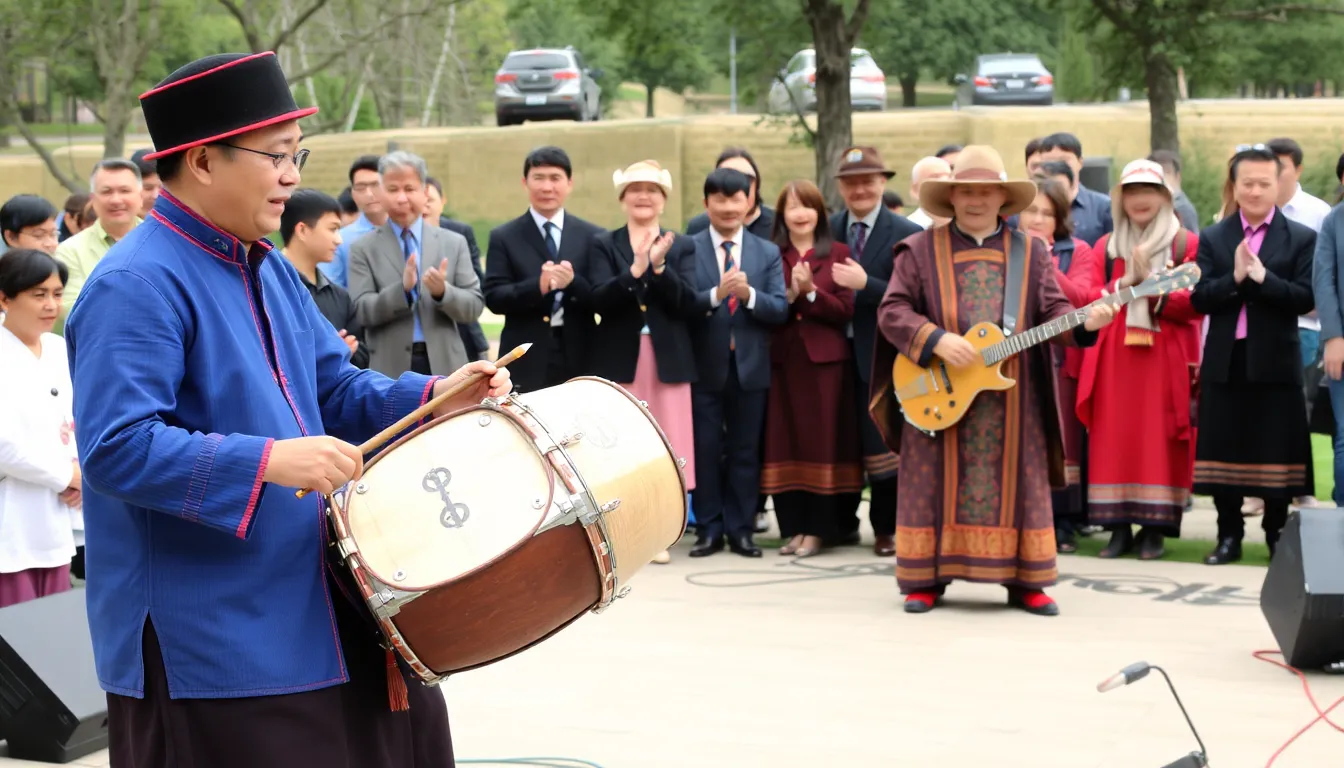
The LPO, as a prominent cultural institution, has a vested interest in maintaining its reputation for excellence while also attracting diverse audiences. The orchestra’s management must balance the desire for innovative performances with the expectations of its traditional audience base. This can lead to potential conflicts over programming choices and the direction of future concerts.
- Artistic Innovation vs. Tradition: The tension between new artistic expressions and traditional expectations can create friction among audiences and musicians alike.
- Economic Considerations: The financial implications of staging such innovative performances may deter some stakeholders, as they might require additional funding or resources.
- Cultural Representation: The inclusion of diverse musical elements raises questions about cultural appropriation and the authenticity of representation in orchestral settings.
- Audience Engagement: Engaging a broader audience while retaining loyal patrons presents a significant challenge for the LPO.
- Collaboration with Local Institutions: Partnerships with local cultural organizations can enhance the performance’s impact but may also lead to competing interests.
As these stakeholders navigate their differing priorities, the outcome of this performance will likely influence future collaborations and the evolution of orchestral music in contemporary settings. The interplay of these interests illustrates the broader challenges faced by cultural institutions in a rapidly changing artistic landscape.
The impact of this collaboration on audiences and the music industry
The collaboration between LPO and Tan Dun is poised to affect a wide range of groups, particularly music enthusiasts, cultural organizations, and educational institutions. Audiences who appreciate innovative musical compositions will find themselves at the forefront of this unique blend of Western orchestral traditions and Eastern musical elements. Furthermore, local businesses in the arts sector, such as concert venues and music retailers, are likely to experience an uptick in engagement and sales as interest in this performance grows.
In the short term, this collaboration can invigorate local economies, especially in regions hosting the performances. Increased ticket sales and tourism can benefit hotels, restaurants, and transportation services. Additionally, educational programs may see a rise in enrollment as schools and universities introduce workshops or classes inspired by the melding of styles showcased in the performance.
However, there are also risks associated with such innovative collaborations. Traditionalists within the music community may resist the incorporation of unconventional elements like Mongolian throat singing, leading to polarized opinions. This could impact the reception of the performance and, by extension, the financial success of the events. Moreover, the challenge of blending diverse musical traditions may alienate certain audience segments who prefer more conventional orchestral performances.
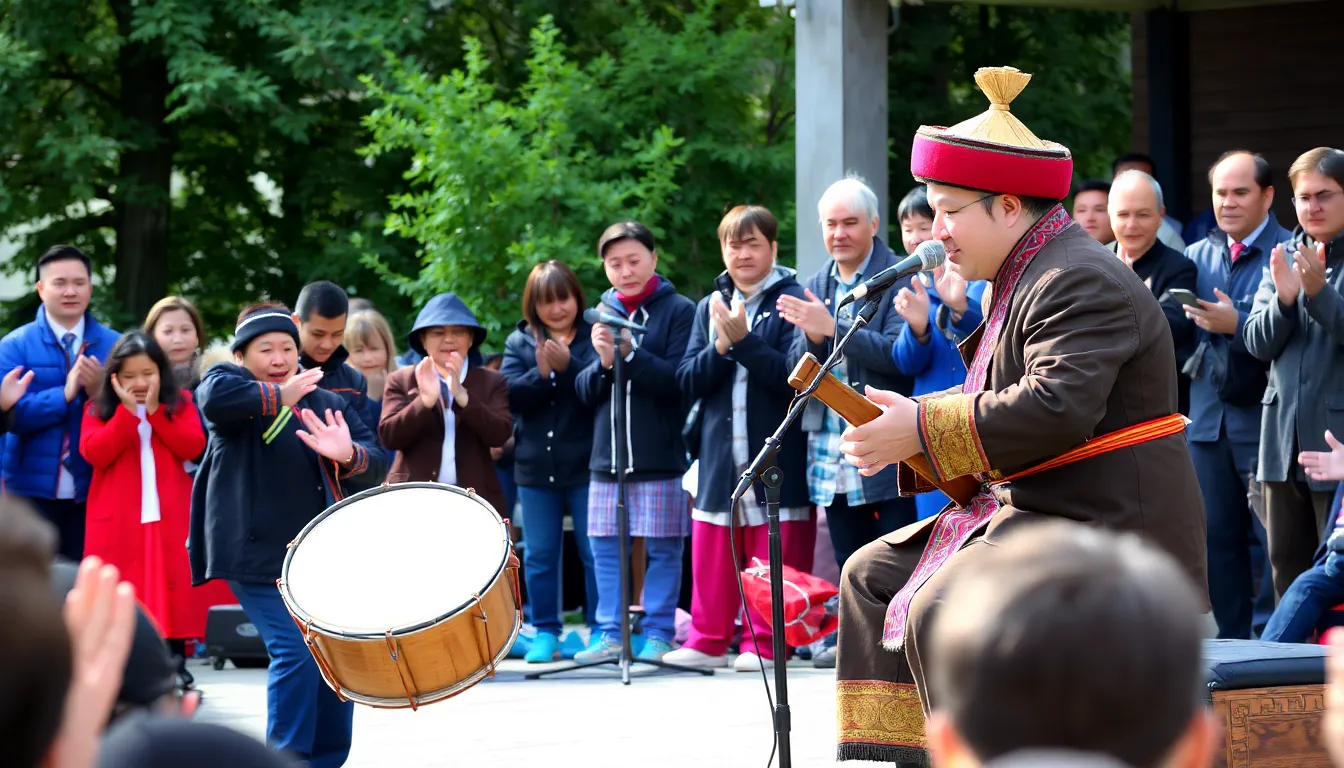
In the mid-term, the collaboration presents opportunities for broader cultural exchange and innovation within the music industry. Artists and composers may be inspired to explore new genres and collaborations, potentially leading to a renaissance of creativity. This could also influence policy decisions regarding arts funding, as successful performances demonstrate the value of supporting diverse artistic expressions.
- Increased engagement from music enthusiasts and cultural organizations.
- Boost in local economies through tourism and related business growth.
- Potential for educational programs to expand and innovate.
- Risks of polarization within the traditional music community.
- Opportunities for cultural exchange and policy support for the arts.
A: The drums play a central role in creating a dynamic and immersive atmosphere, showcasing Tan Dun’s innovative approach to orchestration. A: Mongolian throat singing adds a unique texture and depth to the performance, blending traditional elements with contemporary orchestral sounds. A: Audiences can expect a captivating experience that combines powerful rhythms, emotional vocalizations, and a rich cultural tapestry. A: Yes, this performance is part of a series showcasing innovative collaborations between LPO and various composers.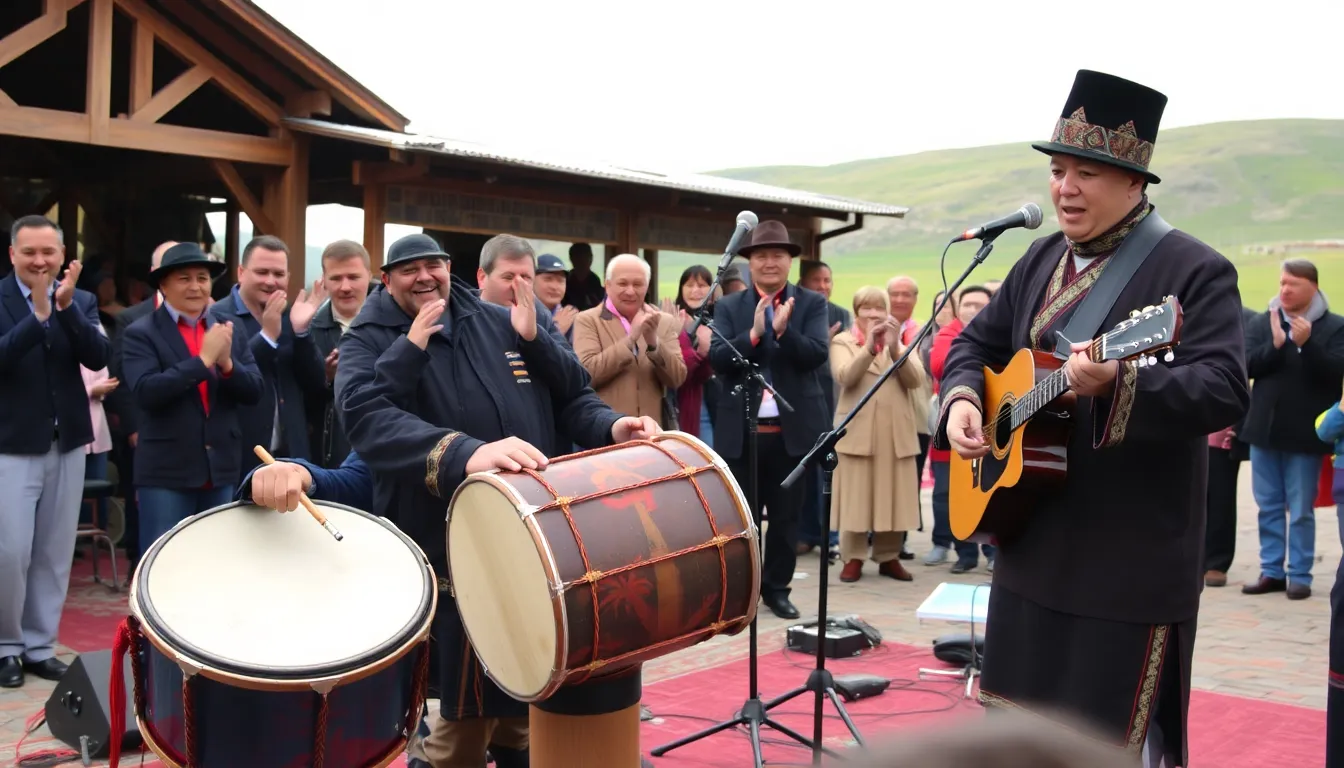
Frequently asked questions about the performance
Insights and future outlook on LPO and Tan Dun’s collaboration
The collaboration between the London Philharmonic Orchestra (LPO) and composer Tan Dun has unveiled a rich tapestry of sound, merging traditional elements with contemporary orchestral techniques. The performance’s dynamic use of drums, dramatic inhalations, and the unique incorporation of Mongolian throat singing not only highlights the versatility of the orchestra but also reflects a growing trend in the classical music scene towards cross-cultural experimentation.
As audiences continue to seek innovative experiences, the implications of this collaboration suggest a potential shift in how orchestral music is perceived and performed. The blending of diverse musical traditions may pave the way for new compositions that challenge conventional boundaries, inviting a broader audience to engage with classical music in fresh and exciting ways.
- Expect more collaborations that fuse traditional and contemporary styles, enhancing the appeal of orchestral music.
- Watch for the emergence of new works that incorporate global musical influences, reflecting a more interconnected world.
- Consider the potential for increased audience engagement through innovative performances that utilize multimedia elements.
- Anticipate discussions around the role of cultural heritage in modern compositions, as artists explore their roots in new contexts.