


Cannon’s comments come at a time when discussions around race, identity, and political affiliation are particularly charged. His assertion, which he made in early October 2023, has drawn criticism from various political figures and commentators who argue that such statements can perpetuate misinformation about historical and contemporary political affiliations.
In the same interview, Cannon expressed a surprising level of admiration for former President Donald Trump, stating, “I f with Trump.” This statement has further complicated the narrative surrounding his political views, as it contrasts sharply with the prevailing sentiments within many progressive circles, where Trump is often viewed unfavorably.
The reactions to Cannon’s remarks have been swift, with many calling for accountability and others defending his right to express his opinions. The incident underscores the complexities of celebrity influence in politics and the broader implications of public figures engaging in polarizing discussions.
Understanding the historical context of Cannon’s remarks
Nick Cannon’s recent comments labeling the Democratic Party as the “Party of the KKK” and expressing support for Donald Trump have ignited significant debate. To fully understand the implications of his statements, it is essential to explore the historical relationship between race, political parties, and the evolution of social movements in the United States, as highlighted in related discussions about Bruce Springsteen’s confidence in his political stance.
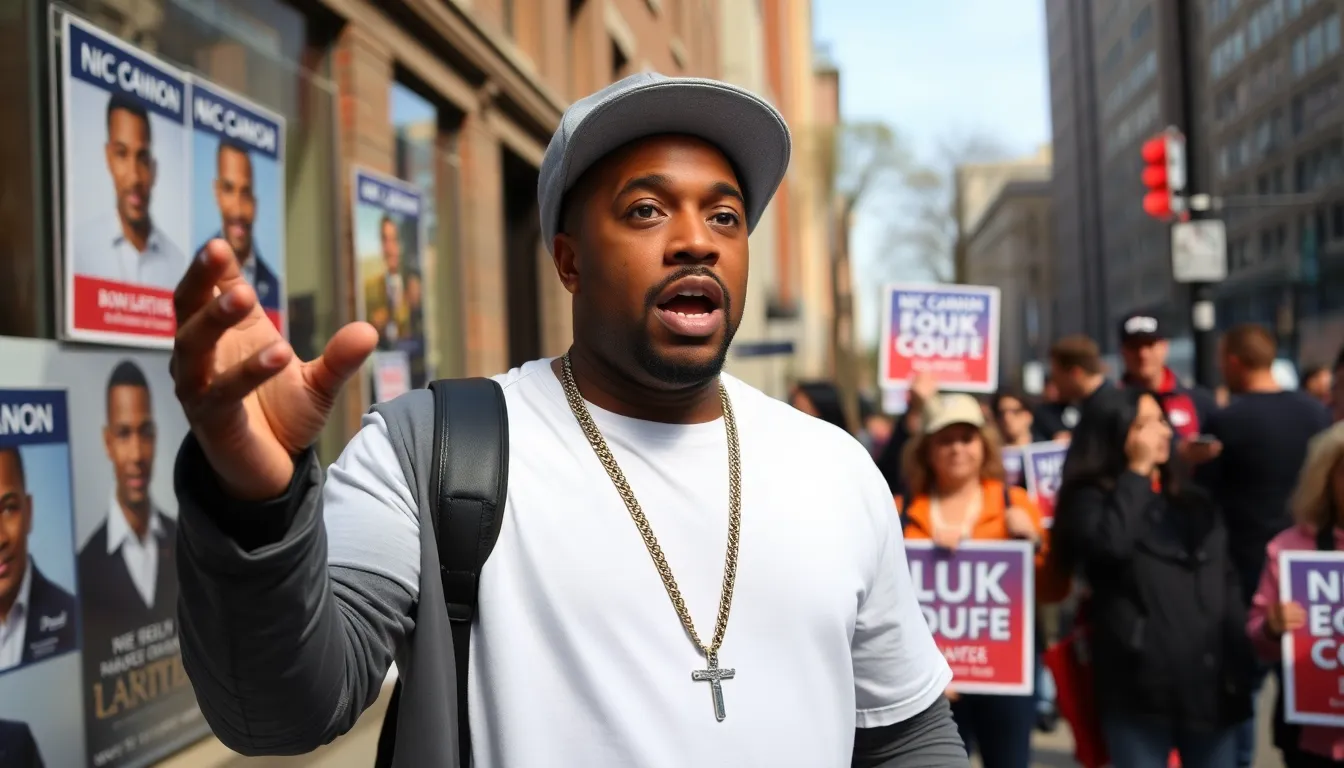
The Ku Klux Klan (KKK) was founded in the aftermath of the Civil War as a white supremacist group aimed at maintaining white dominance in the South. Initially, the KKK was closely associated with the Democratic Party, which was the party of the Confederacy and opposed the Reconstruction efforts aimed at granting rights to African Americans. However, over the decades, the political landscape shifted dramatically, particularly during the Civil Rights Movement of the 1960s when the Democratic Party began to embrace civil rights and social justice.
In the 1960s, the Democratic Party’s support for civil rights legislation alienated many white voters in the South, leading to a significant realignment. This shift allowed the Republican Party, particularly under the leadership of figures like Richard Nixon, to attract disaffected Southern whites through strategies such as the “Southern Strategy.” This political maneuvering sought to capitalize on racial tensions and solidify a base among those who felt threatened by the civil rights advancements.
The Role of Celebrity in Political Discourse
Cannon’s remarks also highlight the increasing intersection of celebrity culture and political discourse. In recent years, public figures have become influential voices in shaping political narratives, often using their platforms to express controversial opinions. This trend has been particularly pronounced in the age of social media, where statements can quickly go viral, fostering polarized discussions. Cannon’s comments, while rooted in historical context, also reflect a broader cultural moment where celebrity endorsements or criticisms can sway public perception and political allegiance.
Analyzing the implications of Cannon’s comments on political discourse
Nick Cannon’s recent remarks labeling the Democratic Party as the “Party of the KKK” and expressing support for Donald Trump have ignited significant controversy. These statements not only reflect Cannon’s personal views but also highlight broader tensions within American political discourse. Various stakeholders, including political parties, media organizations, and the public, have vested interests in how these comments are interpreted and responded to.
One primary actor in this scenario is the Democratic Party, which may feel compelled to address Cannon’s allegations to mitigate potential damage to its image, as the party seeks to maintain its historical context as a champion of civil rights and social justice, much like the efforts highlighted in recent articles about Jared Kushner and his pursuit of investments.
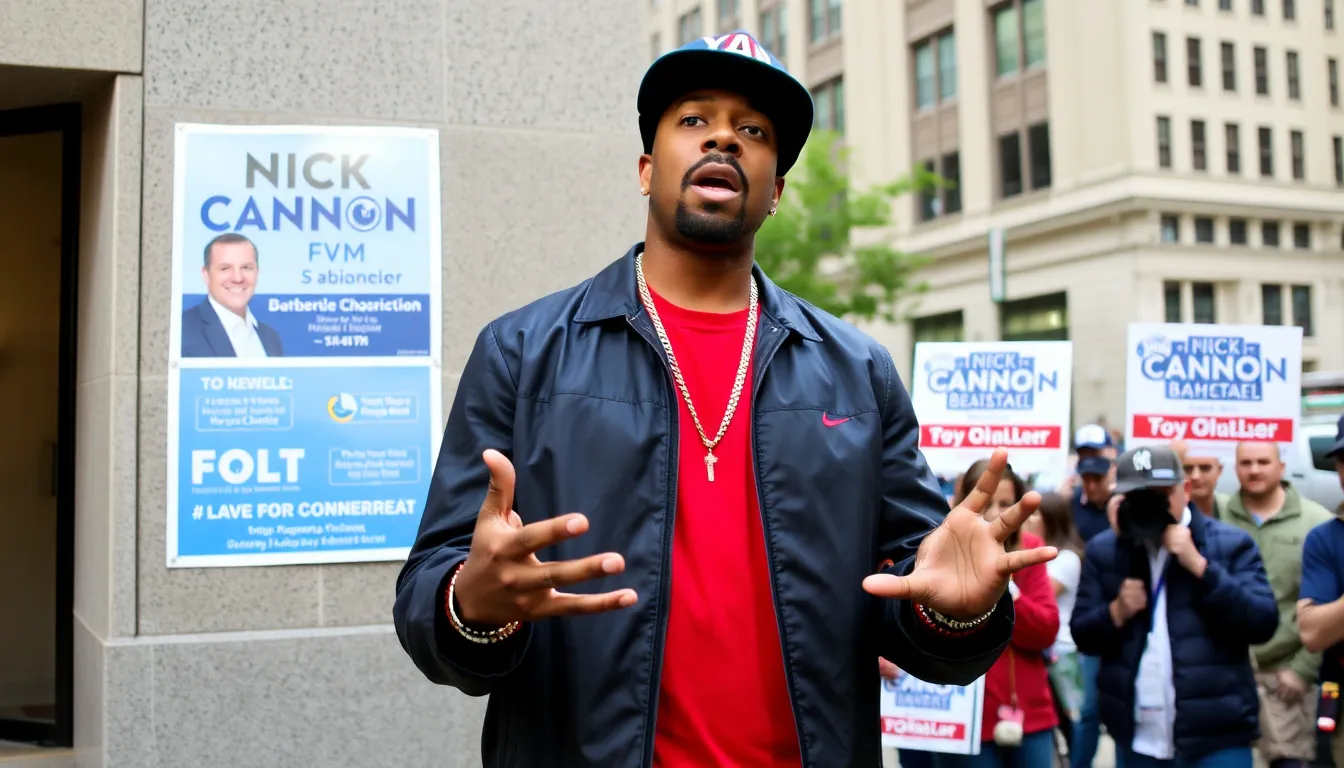
Media organizations also play a crucial role in shaping the public’s perception of Cannon’s comments. Their coverage can influence the narrative surrounding these statements, either amplifying the controversy or downplaying it. The economic interest here revolves around audience engagement; sensational stories often drive higher viewership and click-through rates, which can lead to increased advertising revenue.
- Public Reaction: The comments may polarize public opinion, leading to intensified debates about race and political affiliation.
- Impact on Cannon’s Career: Depending on how stakeholders react, Cannon’s career in entertainment could be affected, either positively or negatively.
- Legal Considerations: There may be legal implications regarding hate speech or defamation, depending on how the comments are interpreted.
- Political Ramifications: The statements could influence upcoming elections, as candidates may need to address or distance themselves from Cannon’s views.
Ultimately, Cannon’s remarks open up a complex dialogue about race, politics, and the responsibilities of public figures in the current socio-political climate. The interplay between different stakeholders will shape the ongoing discourse and may have lasting effects on both political affiliations and public sentiment, similar to the uncertainties faced by savers in the recent NS&I leadership change.
The potential impact of Cannon’s statements on his career and public perception
Nick Cannon’s recent comments regarding the Democratic Party and his support for Trump could significantly affect various groups and industries. His statements may resonate with certain segments of the population who feel disillusioned with traditional political parties, potentially galvanizing support among those who share similar sentiments. Conversely, this could alienate fans and industry partners who view his remarks as divisive or inflammatory.
In the short term, Cannon’s remarks may lead to a backlash from the entertainment industry, which has largely leaned Democratic. This could result in lost sponsorships, canceled projects, or even public calls for boycotts from those who oppose his views. Additionally, social media platforms may see an uptick in discussions, both supportive and critical, which could influence public perception and alter Cannon’s brand image.
In the mid-term, the implications for Cannon could extend beyond his personal brand to affect broader societal discussions about race, politics, and celebrity influence. His comments may spark debates within communities, potentially leading to a re-evaluation of political affiliations among his fan base. This could create a divide, impacting how audiences engage with his work and the types of projects he is able to pursue in the future.
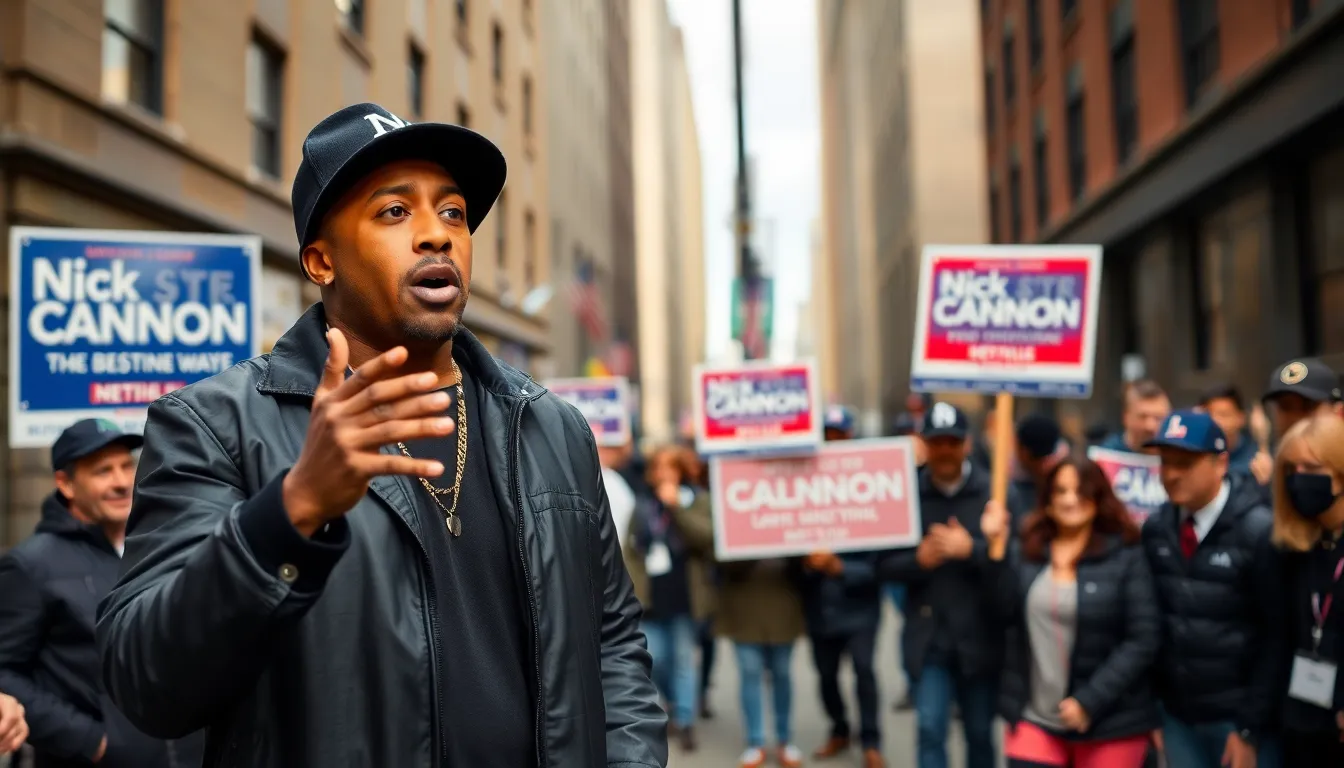
- Risks: Loss of endorsements, negative media coverage, and potential isolation from industry peers.
- Opportunities: Increased support from like-minded individuals, potential new audience segments, and a platform to discuss controversial issues.
Overall, Cannon’s statements could have a ripple effect on various sectors, influencing not just his career but also the broader cultural landscape as discussions about race and politics continue to evolve in America.
A: Nick Cannon referred to the Democratic Party as the ‘Party of the KKK’ during a recent interview, which has drawn significant media attention. A: Cannon stated that he ‘f with Trump,’ indicating a level of admiration or support, which has surprised many of his fans and critics. A: Political figures from both sides have reacted, with some condemning his remarks while others have defended his right to express his views. A: This statement references the historical ties between the KKK and the Democratic Party in the early 20th century, a complex and sensitive topic in American politics. A: The backlash from his comments could lead to potential repercussions in his career, including loss of endorsements or changes in public perception.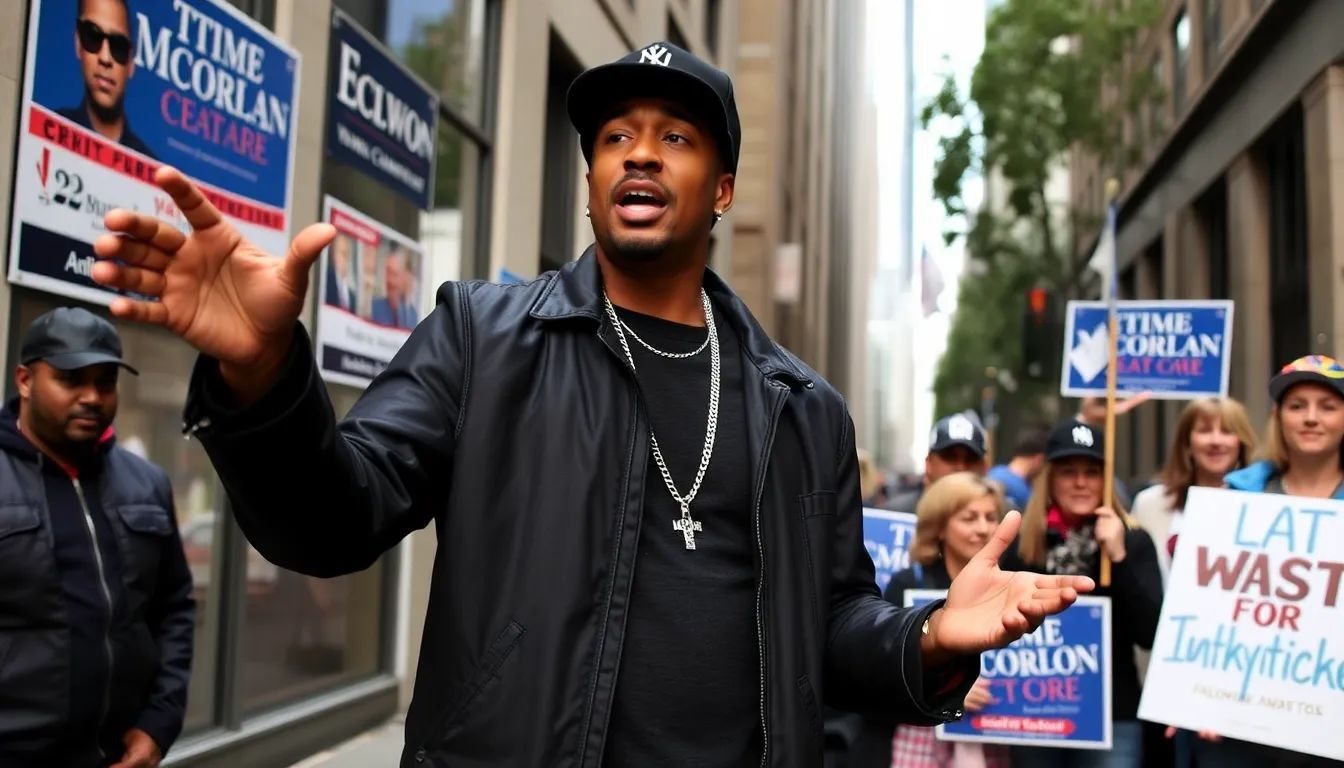
Frequently Asked Questions about Nick Cannon’s Comments
Key takeaways and future implications of Cannon’s remarks
Nick Cannon’s recent comments linking the Democratic Party to the Ku Klux Klan and expressing support for Donald Trump have sparked significant debate and controversy. His statements highlight a growing rift within American political discourse, particularly among minority communities. As public figures increasingly voice divergent opinions, it becomes essential to analyze the potential impact on political affiliations and voter behavior.
Moving forward, Cannon’s remarks may influence how individuals perceive party loyalty and identity politics, prompting discussions around the historical context of political parties in the U.S. This situation also underscores the importance of understanding the evolving landscape of political alliances, especially among younger voters who may prioritize issues over traditional party lines.
- The possibility of shifting allegiances among minority voters as they reassess their political identities.
- Increased scrutiny of the Democratic Party’s historical ties and their current implications for social justice movements.
- The potential for more celebrities and public figures to engage in political discourse, impacting public opinion.
- Continued discussions about the role of race and identity in American politics, particularly in the context of upcoming elections.
- The likelihood of heightened polarization as individuals navigate complex narratives about party ideologies.