


On March 8, 2024, the island will come alive with music, dance, and the distinctive practice of mask-making, a tradition that has been passed down through generations. For more information on similar festivities, visit here. The celebrations are characterized by lively jigs and the communal spirit of the island’s residents, who gather to share in the joy of the season.
This year’s festivities are particularly significant as they provide a moment of respite and connection for the community after a challenging winter. The event not only showcases local talent but also reinforces the cultural identity of Île d’Orléans, making it an important occasion for both social cohesion and cultural preservation.
The celebration is expected to attract numerous participants, with local artisans showcasing their crafts and traditional foods being served. This blend of culture and community engagement underscores the importance of maintaining traditions in the face of modern challenges, ensuring that the island’s heritage continues to thrive.
Understanding the significance of Lent in Quebec culture
Lent, a period of reflection and preparation leading up to Easter, holds a unique place in Quebec’s cultural tapestry. Rooted in Catholic traditions, the observance of Lent has evolved over the years, intertwining with local customs and community practices. In Quebec, this season is not merely a time of fasting and penance; it is also a celebration of resilience and cultural identity, particularly on small islands where traditions remain vibrant.

The celebration of Lent on Quebec’s islands, especially in areas like Île d’Orléans, showcases a rich blend of historical influences. To explore related cultural traditions, check out this article. The island’s early settlers, primarily of French descent, brought with them customs that emphasized community and festivity.
The Role of Masks and Jigs
The use of masks during Lent festivities can be traced back to ancient traditions where disguises allowed individuals to temporarily escape societal norms. In Quebec, this practice has been embraced as a way to foster community spirit and encourage participation in cultural expression. Jigs, a lively form of dance, complement these celebrations, creating an atmosphere of joy and togetherness. These elements serve not only as entertainment but also as a reaffirmation of cultural heritage, especially in a province where identity is deeply tied to its history.
In recent years, the significance of these celebrations has gained renewed attention as communities seek to preserve their traditions amidst globalization and modernization. The economic impact of tourism during Lent has also prompted local governments to support these events, recognizing their role in promoting cultural heritage and local economies, as discussed in this piece.
Exploring the cultural and social implications of the celebrations
The small island of Quebec celebrating halfway through Lent provides a unique lens through which to examine the interplay of local culture, community identity, and economic interests. The main actors in this scenario include local residents, cultural organizations, and the provincial government, each with distinct motivations and stakes in the festivities.
Residents of the island are primarily motivated by a desire to preserve their cultural heritage and foster community cohesion. The celebrations, characterized by vibrant masks and lively jigs, serve as a means of expressing local traditions while also attracting visitors. This influx can boost the local economy, providing opportunities for small businesses and artisans.
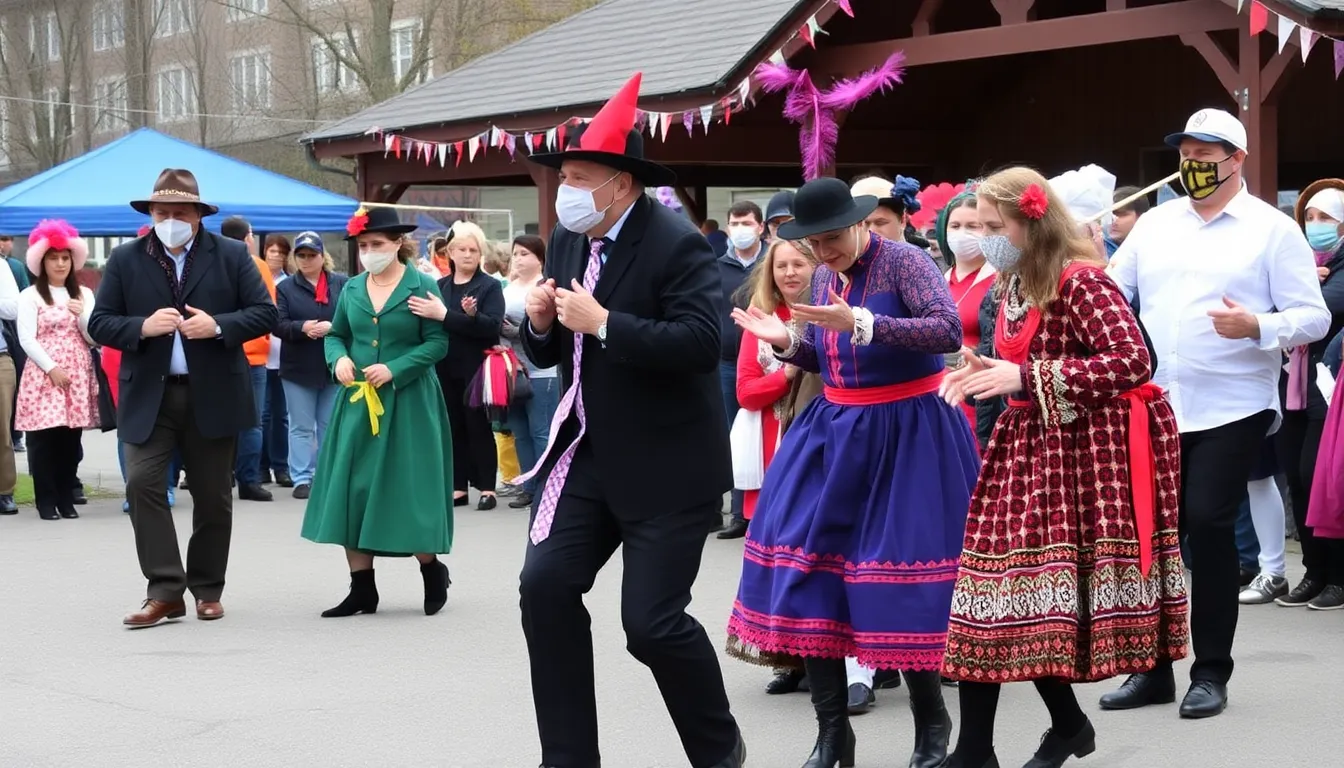
Cultural organizations play a pivotal role in organizing and promoting these celebrations. Their interest lies in ensuring the sustainability of cultural practices and enhancing community engagement. However, they often face challenges related to funding and resources, which can impact the scale and reach of the events. Additionally, there may be conflicts over the representation of cultural narratives, as different groups vie for visibility and recognition.
The provincial government has an interest in promoting tourism and economic development, which can lead to a delicate balancing act. While they may support the celebrations for their potential economic benefits, there are legal and regulatory considerations, such as public safety and event permits, that must be addressed. Trade-offs may arise between community desires for authenticity and the government’s push for increased commercialization.
- Residents seek to maintain cultural traditions while fostering economic growth.
- Cultural organizations advocate for funding and support to sustain events.
- The provincial government balances tourism promotion with regulatory requirements.
- Conflicts may arise over the representation of cultural narratives among different community groups.
- Trade-offs between authenticity and commercialization can shape the future of the celebrations.
How the festivities impact the local community and tourism
The vibrant celebrations on the small Quebec island during Lent have a profound effect on various groups, particularly local residents, businesses, and the tourism sector. As the island comes alive with traditional masks and jigs, the festivities create a unique cultural atmosphere that draws attention from both locals and visitors alike.
Short-term, the celebrations boost local businesses, especially those in hospitality and retail. Restaurants and shops experience increased foot traffic, leading to higher sales and revenue. The influx of tourists not only provides immediate financial benefits but also enhances community spirit as residents engage with visitors, showcasing their traditions and culture.
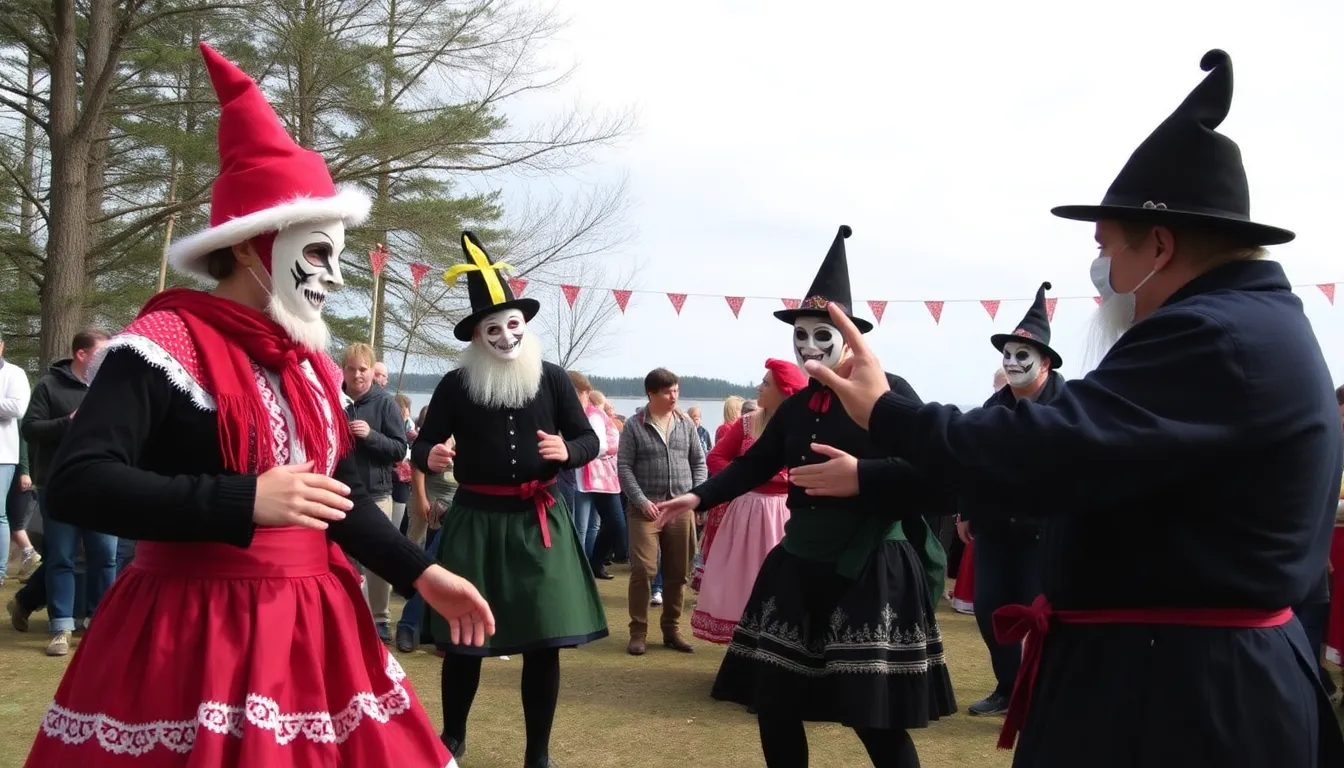
In the mid-term, the impact can extend to policy and community development. Local leaders may recognize the economic potential of such events, prompting investments in infrastructure and tourism promotion. This could lead to enhanced public services and facilities that support both residents and tourists, fostering a sustainable growth model for the island.
- Economic boost: Increased sales for local businesses.
- Cultural exchange: Opportunities for residents to share their heritage.
- Potential risks: Overcrowding and strain on local resources.
- Long-term opportunities: Development of annual events to attract more visitors.
However, there are risks associated with the celebrations. The sudden influx of visitors may lead to overcrowding, placing pressure on local resources and infrastructure. If not managed properly, this could detract from the experience for both locals and tourists, potentially harming the island’s reputation as a destination for cultural tourism.
In summary, while the festivities present immediate economic benefits and opportunities for cultural exchange, careful planning and management will be essential to mitigate risks and ensure sustainable growth for the island community in the future.
A: The celebrations typically include traditional dances, music, and the wearing of masks. Participants engage in lively jigs that reflect the island’s rich cultural heritage. A: Lent is a time of reflection and community bonding for many on the island. It serves as an opportunity to celebrate local traditions and strengthen social ties. A: The festivities attract tourists and locals alike, boosting sales for local businesses such as restaurants and shops. This influx helps sustain the community economically. A: Yes, the island has its own unique customs, including specific mask designs and dance styles that are not found elsewhere, making the celebrations distinct. A: The celebrations typically occur over a weekend, coinciding with the midpoint of Lent, but preparations and related events may extend for several days.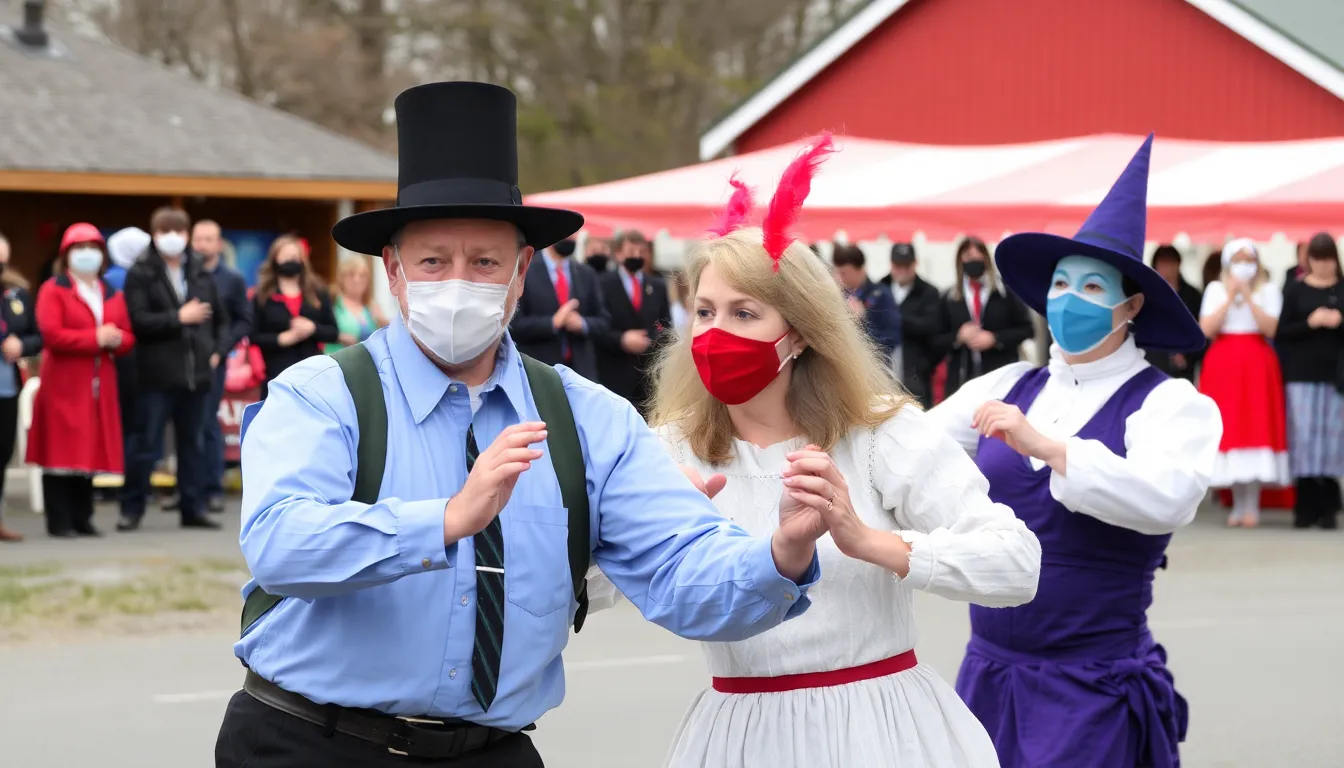
Frequently asked questions about the celebrations
Key takeaways and future outlook on the celebrations
The vibrant celebrations on the small island in Quebec during Lent highlight a unique blend of cultural heritage and community spirit. As the islanders don their masks and engage in traditional jigs, they not only honor their history but also reinforce social bonds that have been tested in recent years. This celebration serves as a reminder of the importance of maintaining cultural traditions in a rapidly changing world.
Looking ahead, the resilience demonstrated by the island community may inspire similar celebrations elsewhere, fostering a renewed appreciation for local customs and collective joy. The ongoing engagement of the younger generation in these festivities could also signal a promising future for the preservation of such traditions.
- Community-driven events can strengthen social ties and cultural identity.
- Traditional celebrations may see a resurgence as people seek connection and joy post-pandemic.
- The involvement of younger generations is crucial for the continuity of cultural practices.
- Local tourism may benefit from unique cultural events, attracting visitors interested in authentic experiences.
- Future celebrations could integrate modern elements while respecting traditional roots, appealing to a broader audience.