


Rising inflation rates, particularly in essential commodities such as food and fuel, have exacerbated the situation. According to the Ministry of Commerce and Industry, the Consumer Price Index rose to 7.61% in October 2022, significantly impacting household budgets and purchasing power.
Job security remains a critical concern as the job market has become increasingly competitive. The Centre for Monitoring Indian Economy reported an unemployment rate of 7.8% in July 2023, suggesting that even educated individuals struggle to find stable employment, leading to a sense of uncertainty among the middle class. For more insights on economic challenges, refer to Britain’s tech empire faces critical challenges.
Additionally, the cost of living in urban areas continues to rise, putting further strain on families. With housing, education, and healthcare expenses skyrocketing, many middle-class families find themselves in a precarious financial situation, despite being gainfully employed.
These challenges not only affect individual households but also have broader implications for the economy. As consumer spending slows due to financial constraints, the overall growth potential of the country may be hindered, raising concerns about the sustainability of India’s economic development.
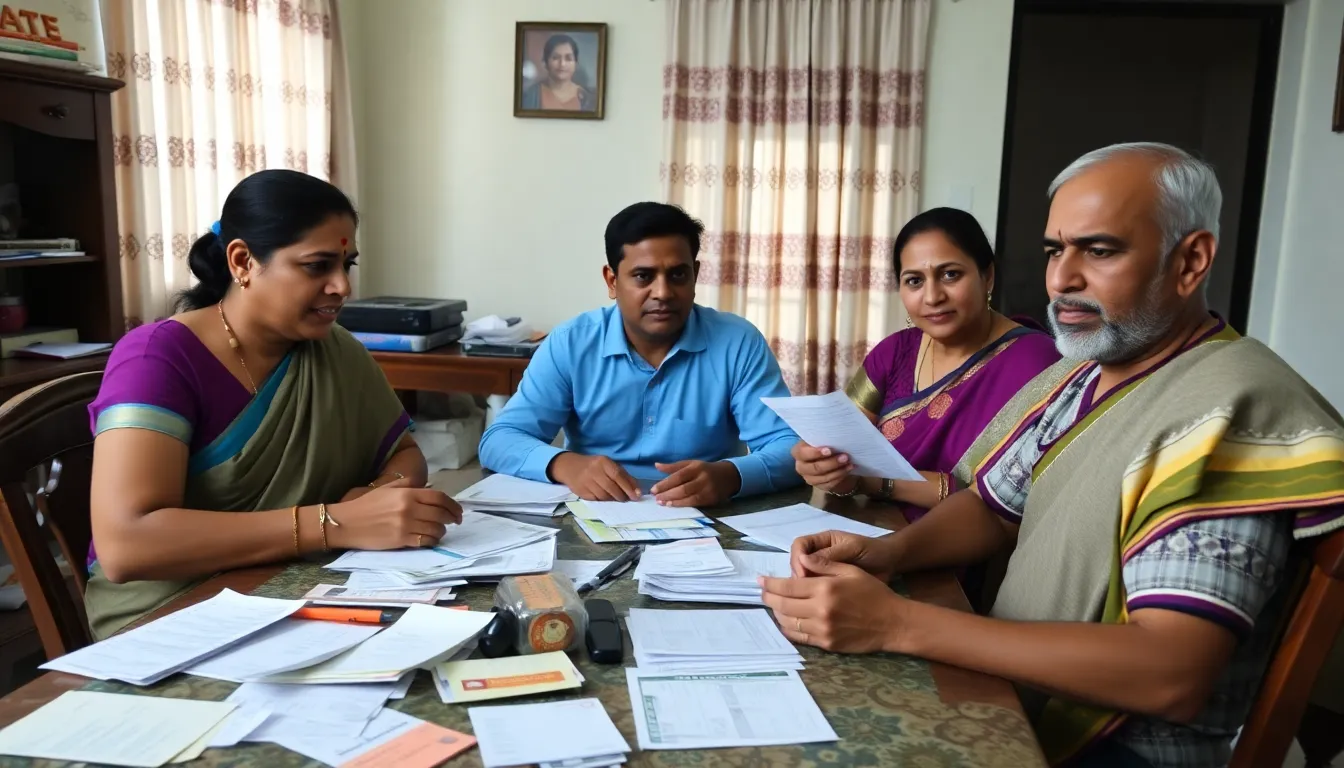
Understanding the economic backdrop of the middle class
The middle class in India has historically been viewed as a beacon of hope and progress, representing a significant portion of the country’s workforce and economic growth. However, over the last few decades, this demographic has faced increasing challenges despite being educated and employed. The roots of these struggles can be traced back to a combination of rapid economic changes, social dynamics, and policy decisions that have shaped the landscape of modern India, similar to the challenges discussed in Insights from The AI Doc Filmmakers on AI and Its Challenges.
Post-liberalization in the 1990s, India experienced a surge in economic growth, which led to the emergence of a more affluent middle class. This period saw a significant increase in access to education and job opportunities, particularly in urban areas. However, the benefits of this growth were not evenly distributed. The rising cost of living, coupled with stagnant wages in many sectors, has placed immense financial pressure on families, forcing them to juggle multiple jobs or rely on credit to sustain their lifestyles.
The impact of inflation and rising costs
Inflation has been a persistent issue in India, affecting essential goods and services. The middle class, often caught in the crossfire of fluctuating prices, finds it increasingly difficult to maintain their standard of living. Housing, healthcare, and education costs have surged, leaving many families struggling to make ends meet. This financial strain is exacerbated by the lack of robust social safety nets and support systems that could alleviate some of the burdens faced by this demographic.
Moreover, the recent global economic disruptions, including the COVID-19 pandemic, have further highlighted the vulnerabilities of the middle class. Many individuals lost their jobs or faced salary cuts, leading to a sharp decline in disposable income. The pandemic underscored the precarious nature of employment for many in this group, revealing that even educated and employed individuals are not immune to economic shocks.
As India continues to evolve, the middle class stands at a crossroads. While it has the potential to drive economic growth and innovation, the ongoing challenges require urgent attention from policymakers. Addressing these issues is crucial not only for the well-being of the middle class but also for the overall stability and growth of the Indian economy.
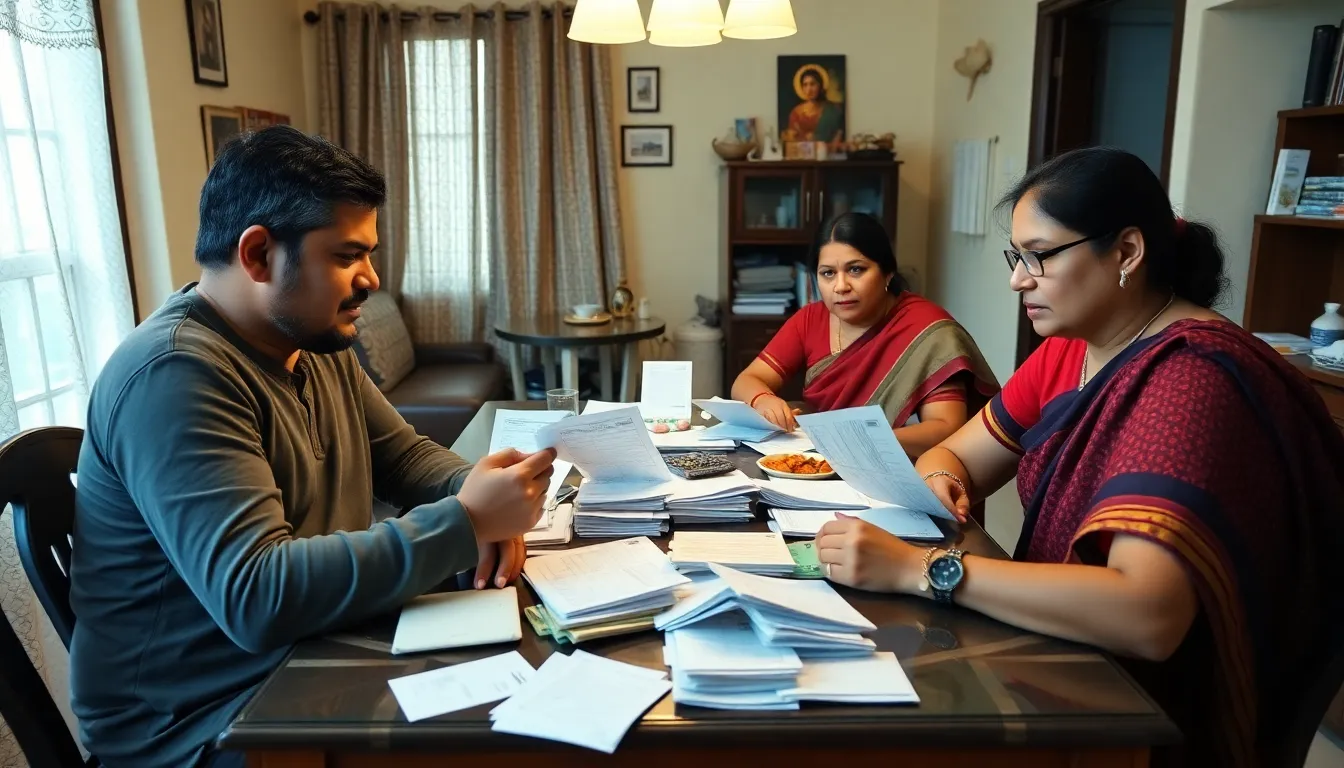
Key issues affecting the middle class in India
The middle class in India, often seen as the backbone of the economy, faces a multitude of challenges despite being educated and employed. This demographic is characterized by its aspirations for a better quality of life, yet it finds itself grappling with rising costs, stagnant wages, and increasing debt. Understanding the stakeholders involved and the issues at play is crucial to grasping the full scope of this struggle.
Key stakeholders include the Indian government, which is responsible for economic policies; private sector employers, who shape job opportunities and wage structures; and financial institutions, which provide credit and loans. Each of these actors has distinct interests that can sometimes conflict with the needs of the middle class. For instance, while the government aims to stimulate economic growth, its policies may inadvertently lead to inflation, eroding the purchasing power of middle-class families, an issue echoed in our latest updates on current events.
Another significant issue is the rising cost of living, particularly in urban areas. The middle class faces escalating expenses related to housing, education, and healthcare. As these costs increase, families often find themselves in a precarious financial situation, leading to a cycle of debt. This scenario is exacerbated by the fact that many jobs do not offer wage growth that keeps pace with inflation.
- Employment Stability: Many middle-class individuals work in sectors that are vulnerable to economic fluctuations, leading to job insecurity.
- Debt Accumulation: Increased reliance on credit for education and housing has led to significant debt burdens.
- Access to Quality Services: The middle class often struggles to access quality healthcare and education, which are essential for upward mobility.
- Policy Impact: Government policies aimed at economic growth may not adequately address the specific needs of the middle class.
Ultimately, the interplay between these stakeholders and issues creates a complex landscape for India’s middle class. The challenges they face are not merely personal but are deeply intertwined with broader economic and policy decisions, making it essential for all actors to engage in constructive dialogue to find sustainable solutions.
The effects on families and the economy
The strain on India’s middle class is felt across various demographics, particularly among families with educated members who are employed yet still grappling with financial challenges. This group often includes professionals such as teachers, engineers, and healthcare workers, who are burdened by rising costs of living and stagnant wages. Regions with a high concentration of middle-class families, such as urban centers like Mumbai, Delhi, and Bengaluru, are particularly affected.
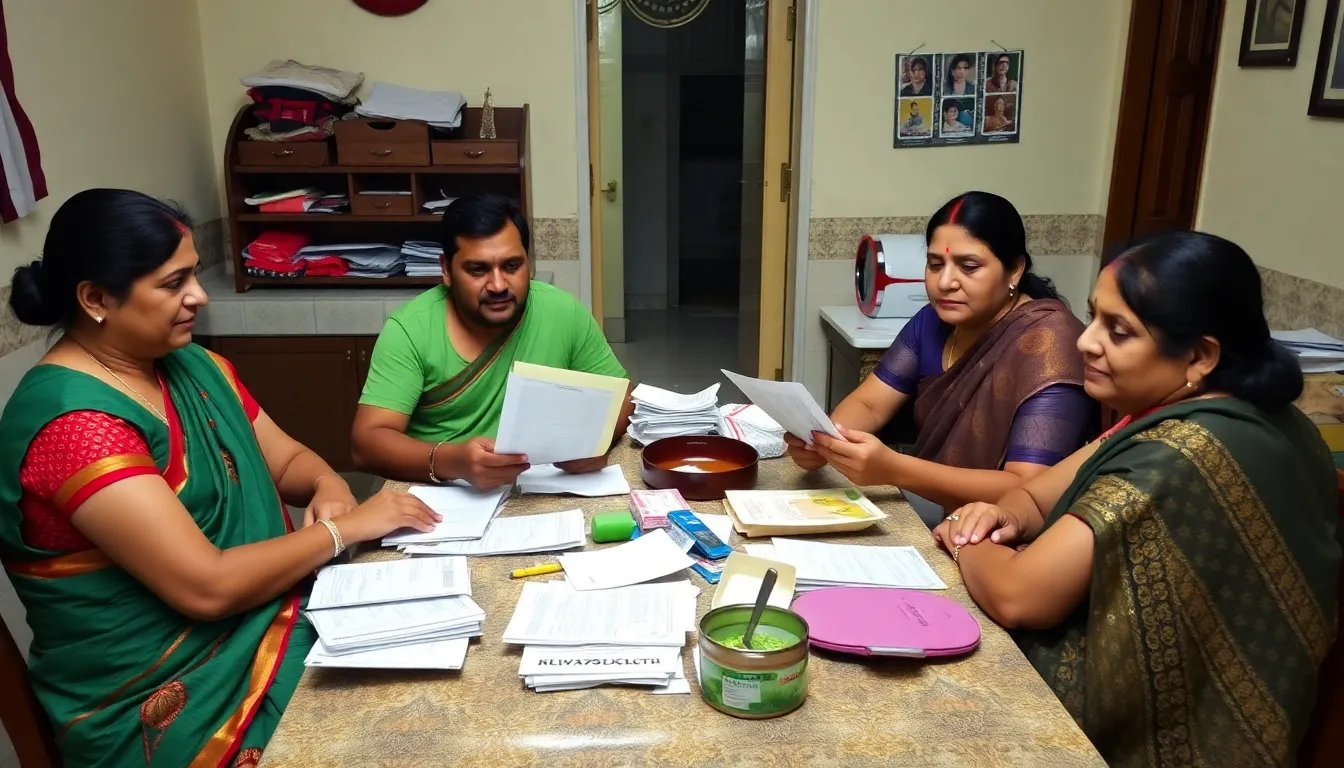
In the short term, families may experience a decline in their quality of life, leading to increased stress and anxiety. Essentials such as housing, education, and healthcare become more difficult to afford, forcing families to make tough choices. The mid-term impacts could include a shift in consumer behavior, as families prioritize essential spending over discretionary purchases, which could lead to a slowdown in the retail and hospitality sectors.
- Increased financial stress and anxiety among families.
- Decline in consumer spending, affecting businesses.
- Potential rise in policy advocacy for better wages and social security.
Industries that rely heavily on middle-class spending, such as real estate, automotive, and consumer goods, may face significant challenges. As disposable incomes diminish, businesses may need to adapt their strategies, potentially leading to layoffs or downsizing. However, this situation also opens up opportunities for companies that focus on affordable products or services, as well as those that can innovate to meet the changing needs of consumers.
Regions that are more resilient and can diversify their economies may find new growth opportunities in technology and sustainable practices. The emphasis on remote work and digital transformation could also benefit those in the tech industry, offering a pathway for middle-class individuals to enhance their skills and improve their economic situation. Ultimately, while the current strain presents numerous risks, it also encourages innovation and adaptation in both families and businesses.
A: Many individuals in the middle class face high living costs, stagnant wages, and increasing debt, which creates financial strain despite their education and employment. A: Key factors include inflation, rising housing costs, and the pressure to maintain a certain lifestyle, all of which contribute to financial insecurity. A: The financial struggles of the middle class can lead to decreased consumer spending, which in turn affects economic growth and stability. A: Various government programs aim to provide financial relief and support, but their effectiveness and reach often vary. A: Individuals can focus on budgeting, exploring additional income sources, and seeking financial advice to better manage their finances.
Frequently asked questions about the middle class situation
Outlook on the future of India’s middle class
The challenges faced by India’s middle class are multifaceted, stemming from rising living costs, stagnant wages, and economic uncertainties. As this demographic strives to maintain their standard of living, the implications for social stability and economic growth become increasingly significant. Policymakers, businesses, and community leaders must address these issues to ensure that the aspirations of the middle class are met with sustainable solutions.
Moving forward, it is crucial to monitor the evolving landscape of employment opportunities, the impact of inflation on household budgets, and the effectiveness of government policies aimed at supporting this vital segment of society. The resilience of India’s middle class will depend not only on their ability to adapt but also on the collective response from various stakeholders.
- Employment Opportunities: Watch for shifts in job markets, particularly in emerging sectors that could provide more stable employment for middle-class families.
- Policy Changes: Keep an eye on government initiatives aimed at economic relief and support for the middle class, assessing their effectiveness in real-time.
- Cost of Living Adjustments: Monitor inflation trends and their direct effects on household spending, particularly in essential areas such as housing, education, and healthcare.
- Financial Literacy Programs: The rise of financial education initiatives could empower middle-class families to better manage their finances and investments.
- Social Mobility: Observe changes in access to opportunities for upward mobility, which will be critical in shaping the future prospects of the middle class.