


The discontinuation of Sora raises questions about the future of AI-driven content creation and its viability in a rapidly evolving market. While the tool garnered attention for its innovative approach, it struggled to gain a substantial user base compared to competing platforms. OpenAI’s move highlights the challenges faced by tech companies in balancing innovation with user engagement, similar to other recent developments in the industry.
Industry analysts suggest that the decision to discontinue Sora may be influenced by shifting priorities within OpenAI, particularly as the company focuses on enhancing its core offerings. The impact of this decision could ripple through the AI content creation landscape, prompting other developers to reassess their strategies and product viability, much like the adjustments seen in related tech sectors.
As OpenAI pivots away from Sora, it emphasizes the importance of adaptability in the tech industry. The closure of such a platform could lead to increased competition among existing players, potentially resulting in new advancements and features in AI video generation. Stakeholders will be closely monitoring how this shift affects both OpenAI’s future initiatives and the broader market dynamics.
Understanding the background of Sora’s development and usage
The rise of artificial intelligence (AI) technologies has transformed various sectors, with video generation being one of the most innovative applications. OpenAI, a leader in AI research and development, launched Sora as an AI video generator aimed at democratizing content creation. This tool was designed to enable users to produce high-quality videos with minimal technical expertise, reflecting a growing trend towards user-friendly AI solutions in creative industries.
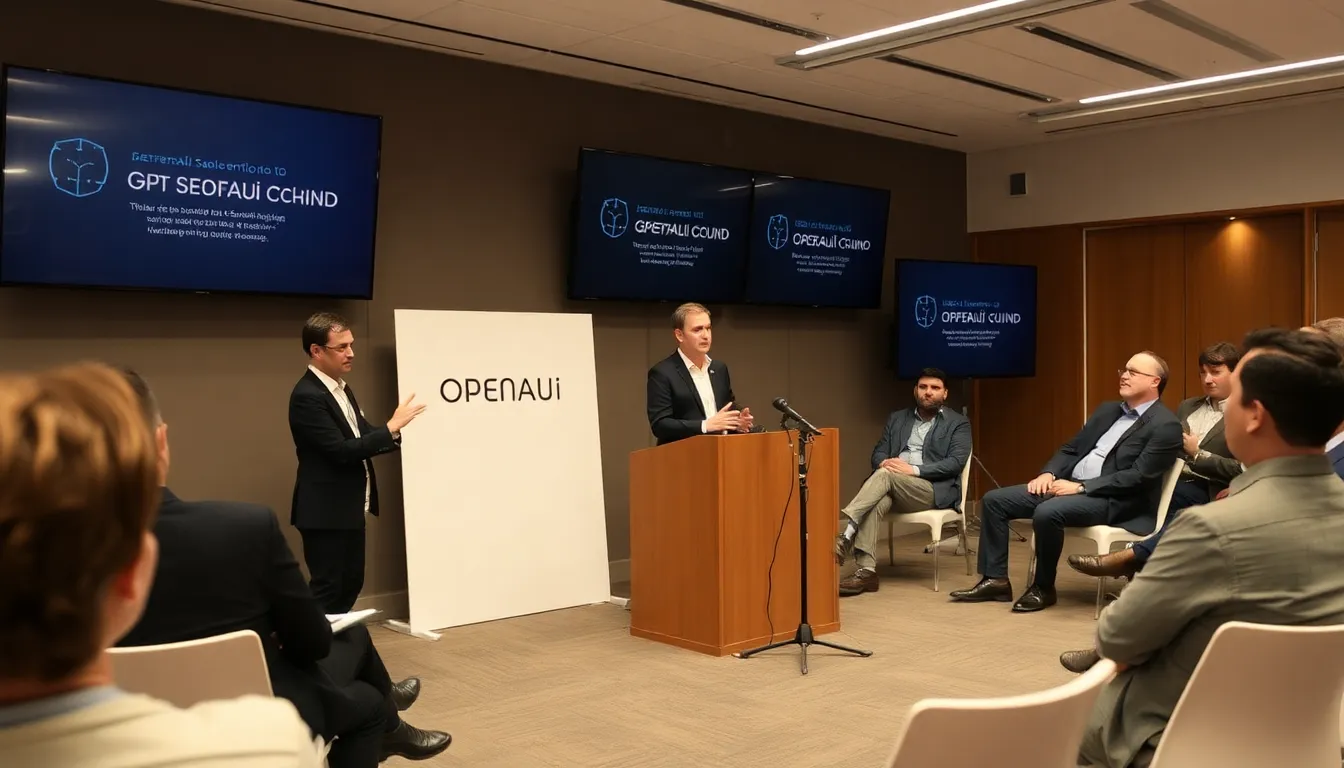
Historically, the demand for video content has surged, driven by the expansion of social media platforms and digital marketing. As businesses and individuals sought to engage audiences through visual storytelling, tools that streamline video production became essential. Sora was positioned to meet this need, offering features that allowed for rapid video creation, including automated editing and scene generation, which attracted a diverse user base from marketers to educators, further illustrating the evolving landscape of AI technologies.
The Economic Landscape of AI Video Generation
The economic implications of AI video generation have been significant, with companies recognizing the potential for cost savings and efficiency improvements. However, the market has also become increasingly competitive, with numerous startups and established tech firms developing their own solutions. This competitive landscape has raised questions about sustainability and the long-term viability of individual products, including Sora.
As Sora gained traction, it faced challenges related to content moderation, copyright issues, and the ethical considerations of AI-generated media. These challenges heightened scrutiny from regulators and the public, leading to a complex environment where the demand for innovation must be balanced with responsible usage. The culmination of these factors has ultimately influenced OpenAI’s decision to shut down Sora, reflecting broader trends in the AI industry.
Key stakeholders and issues surrounding the shutdown of Sora
The decision by OpenAI to shut down Sora, its artificial intelligence video generator, has significant implications for various stakeholders. The primary actors involved include OpenAI, content creators, users of the platform, competitors in the AI space, and regulatory bodies. Each of these groups has distinct interests that influence their perspectives on the shutdown.
OpenAI, as the developer of Sora, is focused on reallocating resources towards more promising projects and ensuring the sustainability of its core offerings. This decision may stem from economic considerations, particularly in a competitive landscape where efficiency and innovation are paramount. However, this move could also alienate existing users who have come to rely on Sora for content generation.
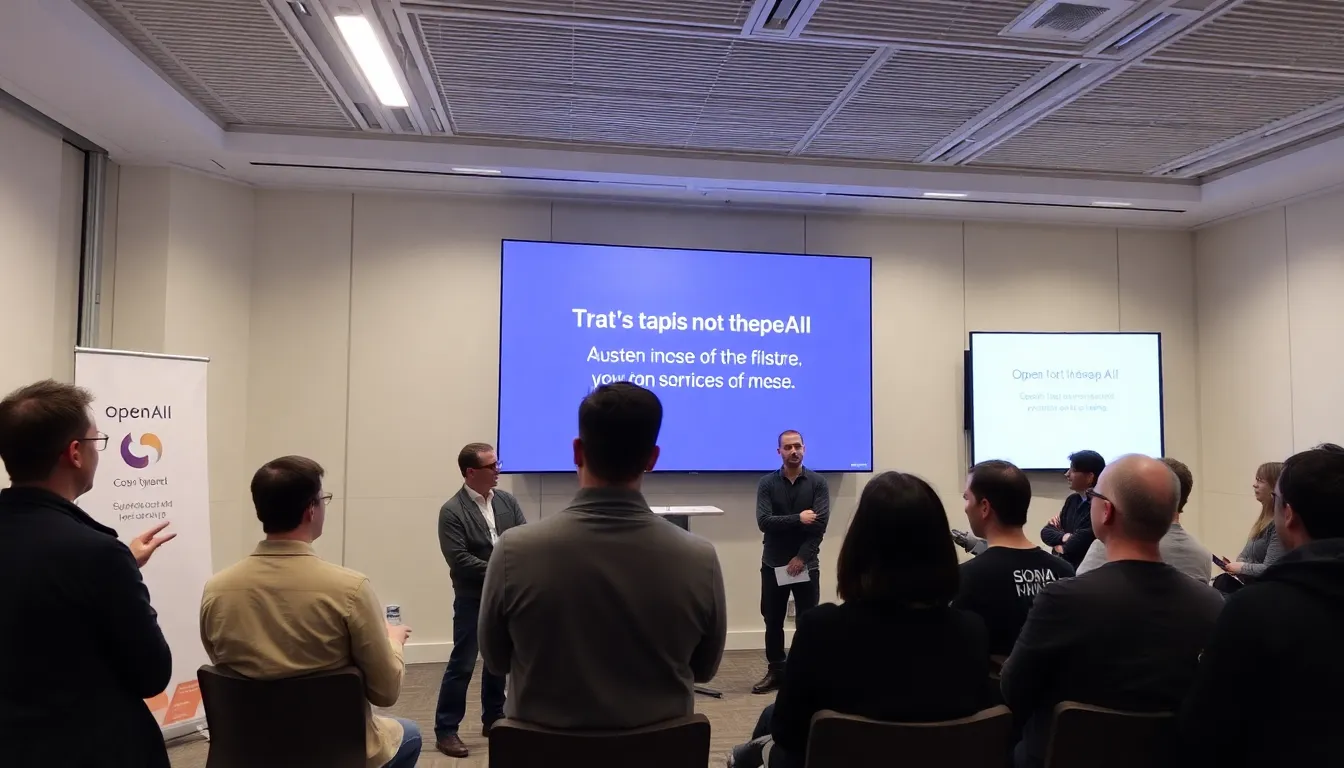
Content creators and users of Sora are particularly affected by this shutdown. Many have integrated the platform into their workflows, relying on its capabilities to produce engaging video content. The sudden discontinuation may lead to disruptions in their creative processes and financial models, leading to potential conflicts between user expectations and corporate decisions.
- Economic Impact: The shutdown may affect the revenue streams of content creators who depend on Sora for their video production needs.
- Market Competition: Competitors may see this as an opportunity to capture Sora’s user base, intensifying rivalry in the AI video generation market.
- Regulatory Scrutiny: The closure could attract attention from regulatory bodies concerned about the implications of AI technology on employment and creative industries.
Furthermore, the legal implications surrounding intellectual property and user rights may come into play. Users may question the ownership of the content created using Sora, particularly if they are unable to access their previous work after the shutdown. This could lead to further scrutiny of OpenAI’s policies and practices regarding user-generated content.
The impact of Sora’s shutdown on users and the AI video market
The decision to shut down Sora, OpenAI’s AI video generator, will have far-reaching effects on various stakeholders, including content creators, businesses, and educational institutions. Users who relied on Sora for generating video content will now need to find alternative solutions, which may lead to disruptions in their workflows and creative processes.
Industries such as marketing, entertainment, and education are particularly affected. Marketing teams that utilized Sora for creating promotional videos may face delays in their campaigns as they search for new tools. Similarly, educators who integrated AI-generated videos into their teaching materials will need to adapt quickly to maintain their lesson plans.
In the short term, users may experience a gap in their ability to produce high-quality video content efficiently. This disruption could lead to increased costs as businesses may need to hire external services or invest in new software. However, in the mid-term, this situation may stimulate innovation within the AI video generation market as competitors seek to fill the void left by Sora.

- Short-term impacts: Disruptions in content creation, increased costs for businesses.
- Mid-term impacts: Potential innovation and new market entrants in AI video generation.
- Opportunities: Growth for alternative platforms and services, potential for improved technologies.
While the shutdown poses risks to those dependent on Sora, it also opens up opportunities for emerging players in the AI video space. Companies that can provide reliable and innovative solutions may capture the market share left behind, ultimately benefiting users with better options in the long run.
A: OpenAI has decided to discontinue Sora due to various operational challenges and a shift in focus towards other projects. A: Existing users will be provided with information on data migration and alternative tools as Sora is phased out. A: The shutdown may create opportunities for competitors to fill the gap left by Sora, potentially leading to innovation in the sector. A: Yes, there are several other AI video generation tools available that users can explore as alternatives to Sora. A: The exact date for the shutdown has not been announced, but users are encouraged to prepare for the transition.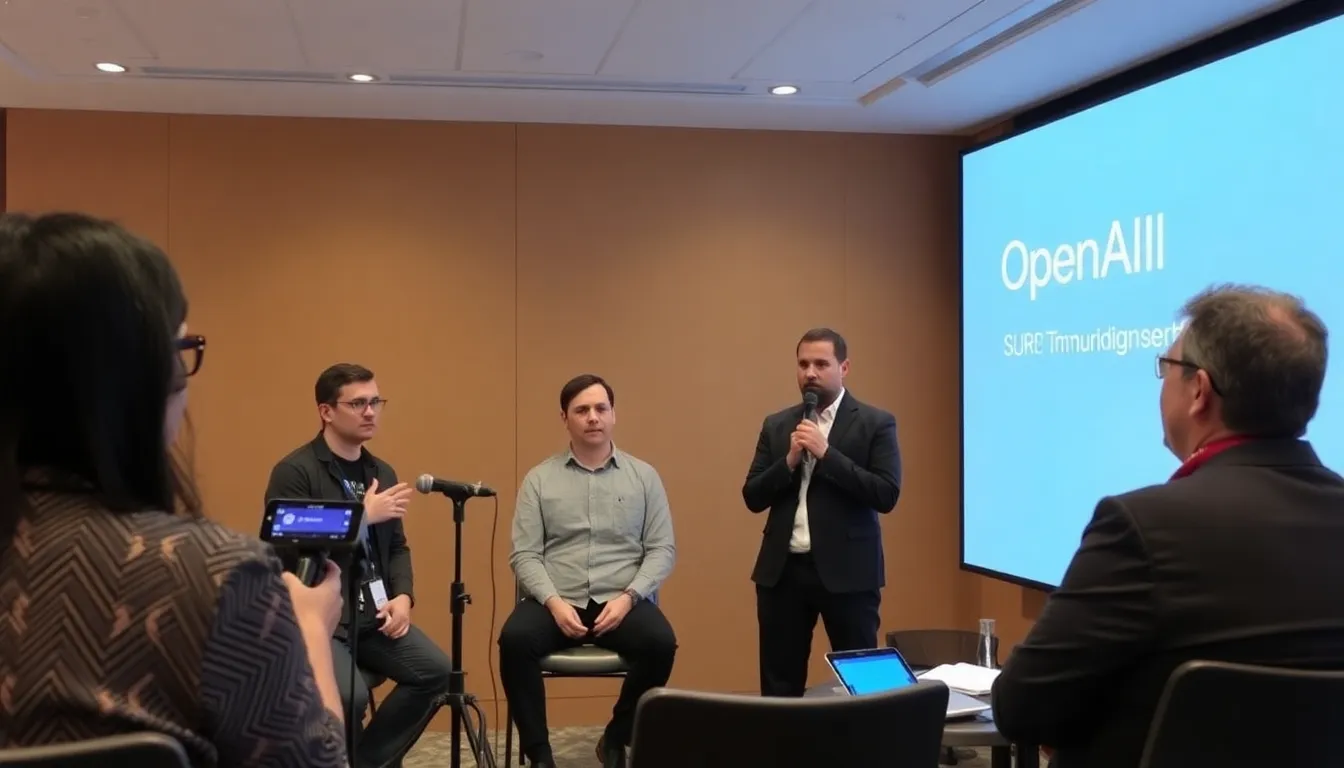
Frequently asked questions about Sora’s shutdown
Looking ahead: the future of AI video generation after Sora
The decision to shut down Sora reflects broader challenges in the AI video generation landscape, where competition is intensifying and the demand for high-quality, reliable content continues to grow. As OpenAI pivots away from this venture, the implications for developers and users alike are significant, prompting a reassessment of priorities in AI technology and its applications in media production.
Moving forward, stakeholders in the AI video space must adapt to the evolving market dynamics, focusing on innovation and user needs. The closure of Sora may open doors for new players to emerge and for existing platforms to enhance their offerings, ultimately shaping the future of content creation in the digital age.
- Increased competition: The exit of Sora may lead to a more competitive environment, pushing other companies to innovate rapidly.
- User expectations: As AI tools evolve, users will demand higher quality and more customizable options in video generation.
- Focus on integration: Companies may prioritize integrating AI video capabilities with other media tools to streamline workflows.
- Ethical considerations: The shutdown raises questions about the ethical implications of AI-generated content, prompting discussions on transparency and accountability.
- Investment opportunities: Investors may seek to fund emerging technologies in AI video generation, looking for the next breakthrough in the field.