


The elections were characterized by a diverse array of candidates, reflecting the political spectrum from traditional parties to independent and local movements. With over 35,000 mayoral positions up for grabs, the results will have immediate implications for local policies and community engagement in the coming years.
Candidates campaigned on platforms addressing climate change, public services, and social cohesion, highlighting the pressing needs of their respective communities, similar to issues discussed in the Nepal election 2026 overview.
This election is particularly noteworthy as it comes at a time of heightened political engagement among citizens, with many expressing a desire for change and accountability at the local level. The new mayors will be tasked with navigating these expectations while managing the complexities of local governance.
Observers are keenly watching how these new leaders will address the challenges facing their communities, a situation reminiscent of the dynamics seen in the formation of political coalitions like that of Trump’s new coalition.
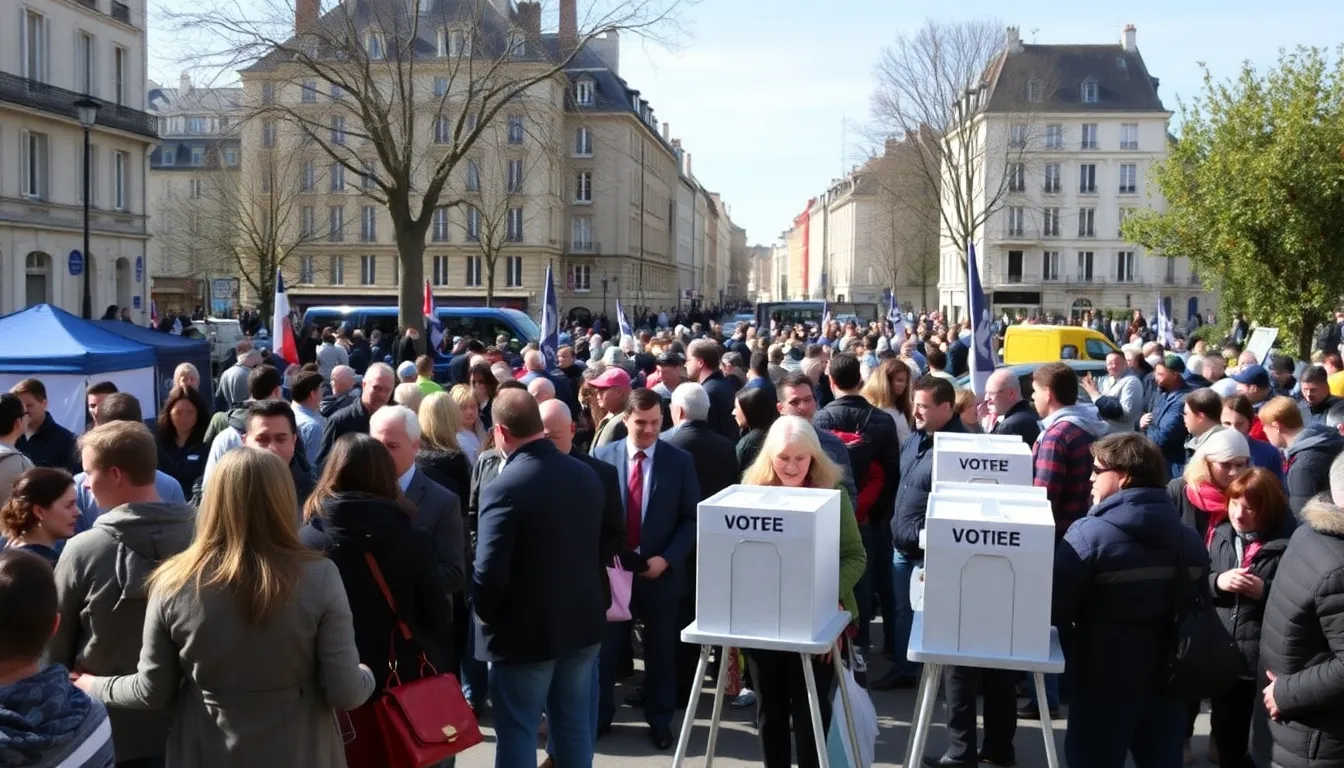
Understanding the background of local governance in France
Local governance in France has a rich history that dates back to the establishment of the communes in the 1789 Revolution. This foundational shift aimed to decentralize power from the monarchy and empower local populations to govern themselves. Over the years, the role of mayors has evolved significantly, reflecting changes in political ideologies, administrative structures, and public expectations.
In the post-war era, the importance of local governance grew as France underwent rapid urbanization and economic development. The decentralization laws of the 1980s marked a critical turning point, transferring more powers to local authorities and enhancing their responsibilities in areas such as education, transportation, and urban planning. This decentralization was intended to foster local democracy and improve public services, making mayors key figures in their communities.
The Role of Mayors in French Society
Mayors in France are not only administrators but also serve as vital representatives of their communities. They play a crucial role in local decision-making and act as intermediaries between citizens and the national government. This dual role has made the election of mayors particularly significant, as it reflects the political landscape and social priorities of the electorate.
The recent elections, where thousands of new mayors were chosen, are indicative of the shifting political dynamics in France. With increasing public discontent over issues such as economic inequality, environmental concerns, and public safety, the selection of mayors can lead to significant changes in local policies and governance. These elections are often seen as a barometer for national politics, providing insights into the electorate’s mood and priorities.
Moreover, the rise of grassroots movements and independent candidates in these elections highlights a growing desire for change among voters. As local governance becomes more prominent in addressing pressing issues, the outcomes of these mayoral elections will likely have lasting implications for both local communities and the broader political landscape in France.
Key stakeholders and issues surrounding the new mayors
The recent election of thousands of new mayors across France has brought various stakeholders into focus, each with distinct interests and concerns. The primary actors include local government officials, political parties, and the electorate, all of whom play a crucial role in shaping the future of their communities.
Local government officials, particularly the newly elected mayors, are at the forefront of this transition. Their interests often revolve around addressing community needs, managing budgets, and implementing policies that resonate with their constituents. These mayors face the challenge of balancing local priorities with national policies, which can sometimes lead to conflicts, especially in areas such as public services and urban development.
Additionally, the relationship between mayors and their respective parties can impact funding and resources available for local projects, much like how national policy decisions influence local governance.
The electorate, comprising citizens who voted in the elections, is perhaps the most critical stakeholder. Their expectations for transparency, accountability, and effective governance are paramount. Key issues include the mayors’ ability to tackle pressing local concerns such as housing, education, and public safety. The success or failure of these elected officials will ultimately be measured by their responsiveness to these issues.
- Community engagement: The importance of involving citizens in decision-making processes.
- Resource allocation: How mayors prioritize funding for local initiatives versus national mandates.
- Political alignment: The influence of party politics on local governance.
- Legal frameworks: The regulatory challenges that mayors face in implementing policies.
- Economic implications: The impact of local governance on economic development and job creation.
Potential impacts on communities and local politics
The recent election of thousands of new mayors across France is set to impact various groups, industries, and regions. Local communities will experience shifts in governance that could affect everything from public services to community engagement. The new mayors represent a diverse range of backgrounds and political ideologies, which will influence local policies and priorities.
In the short term, residents may notice changes in local governance structures. New leadership could lead to immediate changes in policy direction, particularly in areas such as urban development, public safety, and environmental initiatives. This transition may also spark increased community involvement as citizens engage with their new representatives.
Industries such as construction, transportation, and small businesses may face both risks and opportunities. For instance, mayors with a focus on sustainable development may prioritize green initiatives, potentially opening new markets for eco-friendly businesses. Conversely, businesses reliant on traditional practices could face challenges if new regulations are implemented swiftly.
- Short-term impacts: Changes in local governance and immediate policy shifts.
- Mid-term impacts: Potential for increased community engagement and new business opportunities.
- Risks: Uncertainty for businesses that may struggle to adapt to new regulations.
- Opportunities: Growth in sectors aligned with the new mayors’ priorities, such as renewable energy.
Regions with newly elected mayors may also experience varying degrees of political stability. Some areas could see a more cohesive approach to local challenges, while others may grapple with political fragmentation. The effectiveness of these new leaders in addressing pressing issues will ultimately shape the future landscape of local politics in France.
A: The elections are crucial as they determine local leadership and influence community policies. New mayors can bring fresh perspectives and address local issues more effectively. A: Thousands of new mayors were elected, reflecting a significant turnover in local governance across various regions in France. A: New mayors may encounter challenges such as budget constraints, public expectations, and the need for community engagement to address pressing local issues. A: Local elections can influence national politics by shifting party dynamics and affecting policies at higher levels of government. A: Mayors are responsible for implementing local policies, managing budgets, and representing their communities in broader governmental discussions.
Frequently asked questions about the mayoral elections
Key takeaways and future outlook for local governance
The recent elections in France have ushered in a significant shift in local governance, with thousands of new mayors taking office. This transformation reflects a growing desire for change among constituents, who are seeking leaders that resonate with their evolving needs and priorities. As these newly elected officials settle into their roles, the implications of their policies and governance styles will be closely monitored.
In the coming months, the effectiveness of these mayors will be tested as they address pressing local issues such as economic recovery, environmental sustainability, and social cohesion. Their ability to engage with citizens and foster community participation will be critical in shaping the future of local governance in France.
- Increased focus on local issues: Expect mayors to prioritize local concerns such as housing, transportation, and public services to enhance community well-being.
- Innovative governance approaches: New leaders may implement creative solutions to engage citizens, leveraging technology and participatory processes.
- Collaboration with regional and national government: The success of local initiatives will depend on effective partnerships with higher levels of government to secure necessary resources.
- Voter engagement and accountability: The rise of new mayors may lead to increased political engagement among citizens, demanding transparency and accountability in governance.
- Impact on national politics: The outcomes of these local elections could influence broader political trends and party dynamics in France, particularly ahead of future national elections.