


China, as the largest importer of oil globally, is facing unique challenges in this crisis. The nation’s dependency on foreign energy sources makes it particularly vulnerable to fluctuations in oil prices. In response to these developments, Chinese officials have been exploring alternative energy strategies, including increased investments in renewable energy and negotiations with other oil-producing nations to secure stable supply lines.
The geopolitical implications of the Iran war extend beyond energy prices. Countries in the Asia-Pacific region, especially those with close ties to Iran, are also grappling with the fallout. For instance, India and Japan have expressed concerns about the potential for rising energy costs to impact their economic growth, highlighting the interconnectedness of global markets in the face of regional conflicts.
Moreover, the situation poses a strategic dilemma for China as it balances its energy needs with its foreign policy objectives. The Chinese government must navigate its relationship with Iran while also maintaining its economic interests in the Middle East. As the conflict continues, the global energy landscape remains precarious, with potential long-term effects on international trade and energy security.
Exploring the historical context of Iran’s role in global energy markets
Iran has long been a pivotal player in the global energy landscape, primarily due to its vast oil reserves, which are among the largest in the world. The country’s significance in the energy sector can be traced back to the early 20th century when the discovery of oil transformed its economy and geopolitical importance. By the 1950s, Iran had become a key member of the Organization of the Petroleum Exporting Countries (OPEC), which was established to coordinate and unify petroleum policies among member countries to secure fair and stable prices for petroleum producers.
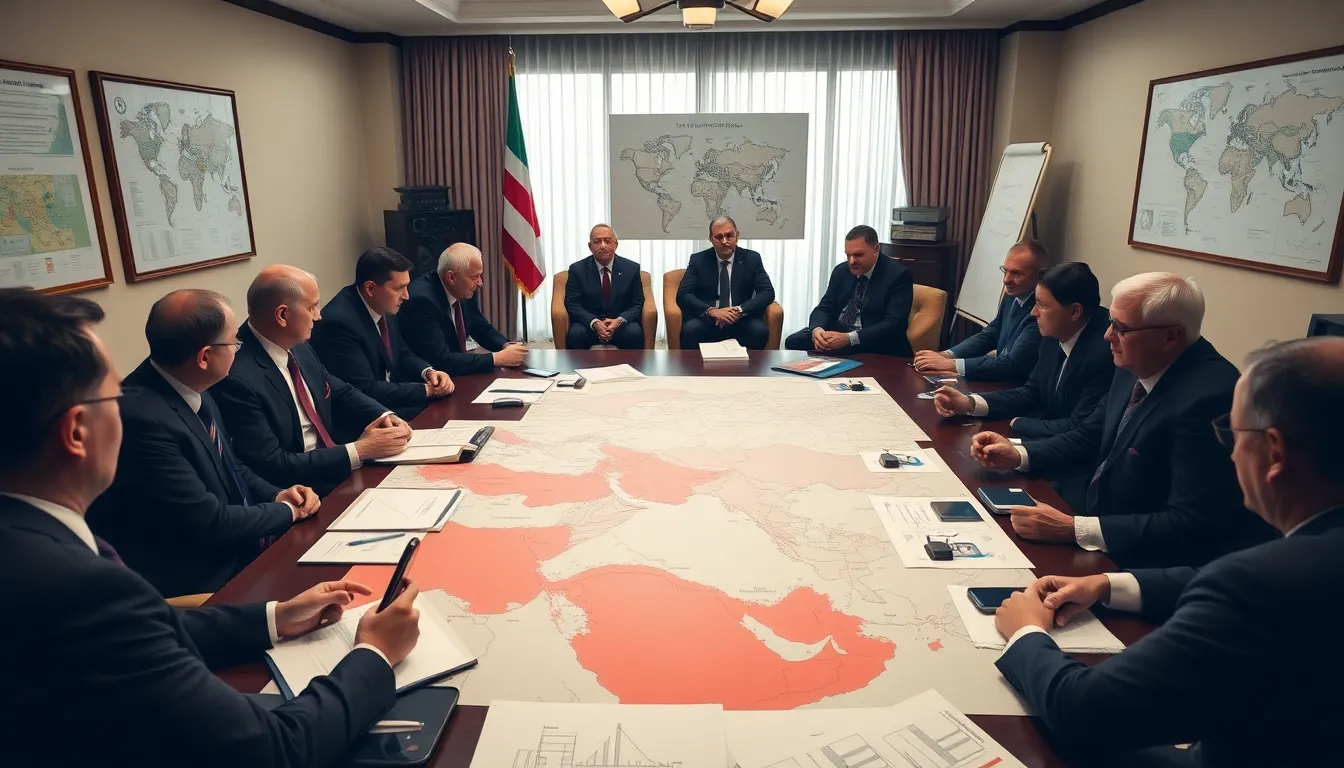
The Iranian Revolution in 1979 marked a significant turning point in the country’s relationship with the West and its role in global energy markets. The overthrow of the Shah, who was seen as a Western ally, led to a shift in Iran’s foreign policy and a subsequent decline in its oil production due to international sanctions. These sanctions were imposed in response to Iran’s nuclear ambitions and its support for various militant groups, further complicating its ability to engage in global energy trade.
In recent years, the situation has escalated, particularly with the re-imposition of sanctions by the United States under the Trump administration in 2018. These sanctions significantly impacted Iran’s oil exports, which plummeted and contributed to rising global oil prices. The ongoing tensions between Iran and Western powers, coupled with regional conflicts, have created a precarious environment for energy supply, leading to concerns about a potential global energy crisis.
The impact of geopolitical tensions on energy markets
The geopolitical landscape surrounding Iran has profound implications for energy markets worldwide. The country’s strategic location, bordering the Strait of Hormuz—a crucial chokepoint for global oil shipping—means that any disruption in Iranian oil production can have ripple effects across the globe. As tensions rise, countries that rely heavily on oil imports from the region, such as China, face increasing uncertainty regarding energy security and price stability.
China, as the world’s largest importer of oil, is particularly vulnerable to these developments. The interplay between Iran’s energy exports, international sanctions, and China’s growing energy demands underscores the intricate relationship between geopolitics and global energy markets. As the situation evolves, the ability of nations like China to navigate these challenges will be critical in determining their economic stability and energy security.
Analyzing the stakeholders involved in the energy crisis and their interests
The ongoing conflict in Iran has far-reaching implications for global energy markets, with several key stakeholders directly impacted. Major actors include the Iranian government, global oil producers, consumer nations, and multinational corporations involved in energy production and distribution. Each of these stakeholders has distinct interests that shape their responses to the crisis.

The Iranian government seeks to maintain its oil exports despite international sanctions, which are exacerbated by the war. This situation creates a precarious balance for Iran, as its economy heavily relies on oil revenue. In contrast, major oil-producing nations such as Saudi Arabia and Russia may see an opportunity to increase their market share, potentially leading to a shift in global oil dynamics.
Consumer nations, particularly those in Europe and Asia, face rising energy prices and supply shortages. Countries like China, which relies on Iranian oil, must navigate the geopolitical landscape to secure energy resources while balancing international relations. This creates a scenario where trade-offs are necessary, as nations may need to choose between supporting allies or securing energy supplies, highlighted by various international tensions such as the US plans to relocate anti-missile systems.
- Economic Impact: The energy crisis is likely to lead to inflation and increased costs of living, affecting global economies.
- Legal Issues: Sanctions imposed on Iran complicate trade agreements, leading to potential legal battles for companies involved in energy transactions.
- Environmental Concerns: Increased reliance on fossil fuels may hinder global efforts to combat climate change, raising ethical questions for stakeholders.
- Geopolitical Tensions: The conflict may exacerbate existing tensions between major powers, influencing diplomatic relations and energy security strategies.
In summary, the energy crisis stemming from the Iran war presents complex challenges for various stakeholders. The interplay of interests among these actors will determine how the situation evolves and affects the global energy landscape.
Assessing the impact of the energy crisis on global markets and economies
The ongoing conflict in Iran has triggered a significant energy crisis, impacting various groups, industries, and regions across the globe. The most immediate effects are felt in energy-dependent economies, particularly those in Europe and Asia, where rising oil and gas prices strain budgets and create uncertainty in energy supply. Countries heavily reliant on imports are facing inflationary pressures, which could lead to social unrest and political instability.
Industries such as transportation, manufacturing, and agriculture are particularly vulnerable. Higher fuel costs increase operational expenses, prompting businesses to either pass on costs to consumers or cut back on production. This situation can lead to a ripple effect throughout the supply chain, affecting everything from food prices to consumer goods availability.

In the short term, consumers may experience higher prices for gasoline and electricity, leading to reduced discretionary spending. As families allocate more of their budgets to energy costs, sectors like retail and hospitality could see a downturn in sales. In the mid-term, governments may implement policies aimed at mitigating the crisis, such as subsidies for energy prices or investments in alternative energy sources.
- Risks: Increased inflation rates, potential for social unrest, and disruptions in global supply chains.
- Opportunities: Accelerated investment in renewable energy technologies, diversification of energy sources, and shifts in global energy partnerships.
Regions like the Middle East may see a temporary boost in revenues from oil exports, while countries like China, which is heavily reliant on energy imports, must navigate the delicate balance of securing energy supplies and maintaining economic growth. The crisis could prompt China to further invest in renewable energy and explore new trade agreements to diversify its energy sources.
A: The Iran war has led to significant disruptions in oil supply, causing prices to surge globally. This volatility impacts economies that rely heavily on oil imports. A: China is one of the largest consumers of energy worldwide, and its demand significantly influences global energy prices and supply chains. A: China has been diversifying its energy sources and investing in renewable energy to reduce dependence on oil imports, which may help mitigate the crisis. A: Long-term implications may include shifts in energy policy, increased investment in alternative energy, and potential geopolitical tensions over energy resources. A: Many countries are exploring strategic reserves, seeking alternative suppliers, and investing in renewable energy to reduce reliance on unstable regions.
Frequently asked questions about the energy crisis and China
Key insights and future outlook on the energy crisis and China’s resilience
The ongoing conflict in Iran has triggered significant disruptions in global energy markets, leading to heightened prices and supply uncertainties. As one of the world’s largest energy consumers, China faces unique challenges in navigating this crisis while maintaining economic stability. The interplay between geopolitical tensions and energy security will be crucial in shaping China’s response and adaptation strategies.
Looking ahead, several factors will influence China’s ability to withstand the pressures of the global energy crisis. Monitoring these dynamics will provide insight into how China might adjust its energy policies and international partnerships in the coming months.
- Energy Diversification: China’s efforts to diversify its energy sources and reduce dependency on Middle Eastern oil will be critical in mitigating risks associated with geopolitical instability.
- Investment in Renewables: Increased investment in renewable energy technologies could offer China a pathway to enhance energy security while addressing environmental concerns.
- Strategic Partnerships: Strengthening ties with alternative oil-producing nations may help China secure more stable energy supplies amidst fluctuating global markets.
- Domestic Consumption Management: Monitoring and managing domestic energy consumption patterns will be essential to cushion the impact of rising energy prices on the economy.
- Geopolitical Tensions: Ongoing geopolitical developments, particularly in the Middle East, must be closely watched as they will continue to influence global energy dynamics and China’s strategic responses.