


In the past decade, the campaign has reportedly resulted in the disciplinary actions against over 1.5 million officials, a figure that underscores the extensive reach of Xi’s efforts. The Central Commission for Discipline Inspection (CCDI), which plays a key role in these investigations, has been instrumental in maintaining the momentum of the campaign. For more insights on this matter, you can read our article on Understanding Xi’s Ongoing Corruption Purge in China. However, critics argue that the campaign has often been used as a tool to consolidate power rather than to genuinely address corruption.
Recent events have highlighted the ongoing challenges within the campaign. In 2022, the CCDI announced a crackdown on “tigers” (high-ranking officials) and “flies” (low-ranking officials), emphasizing a dual approach to corruption. Despite these efforts, allegations of corruption continue to surface, suggesting that the underlying issues within the party and government structures remain unresolved.
Furthermore, the campaign has raised concerns about transparency and accountability within the Chinese political system. While Xi’s administration touts the campaign as a success, critics point to a lack of independent oversight and the potential for abuses of power. As the campaign progresses, the balance between fighting corruption and maintaining political control remains a key issue for the CCP.
Historical Context of Corruption in China
Corruption has been a persistent issue in China, deeply rooted in its political and economic history. The rise of the Communist Party in 1949 marked a significant shift in governance, but it also set the stage for systemic corruption. With a one-party rule, the lack of political competition has often led to the abuse of power and corruption at various levels of government.
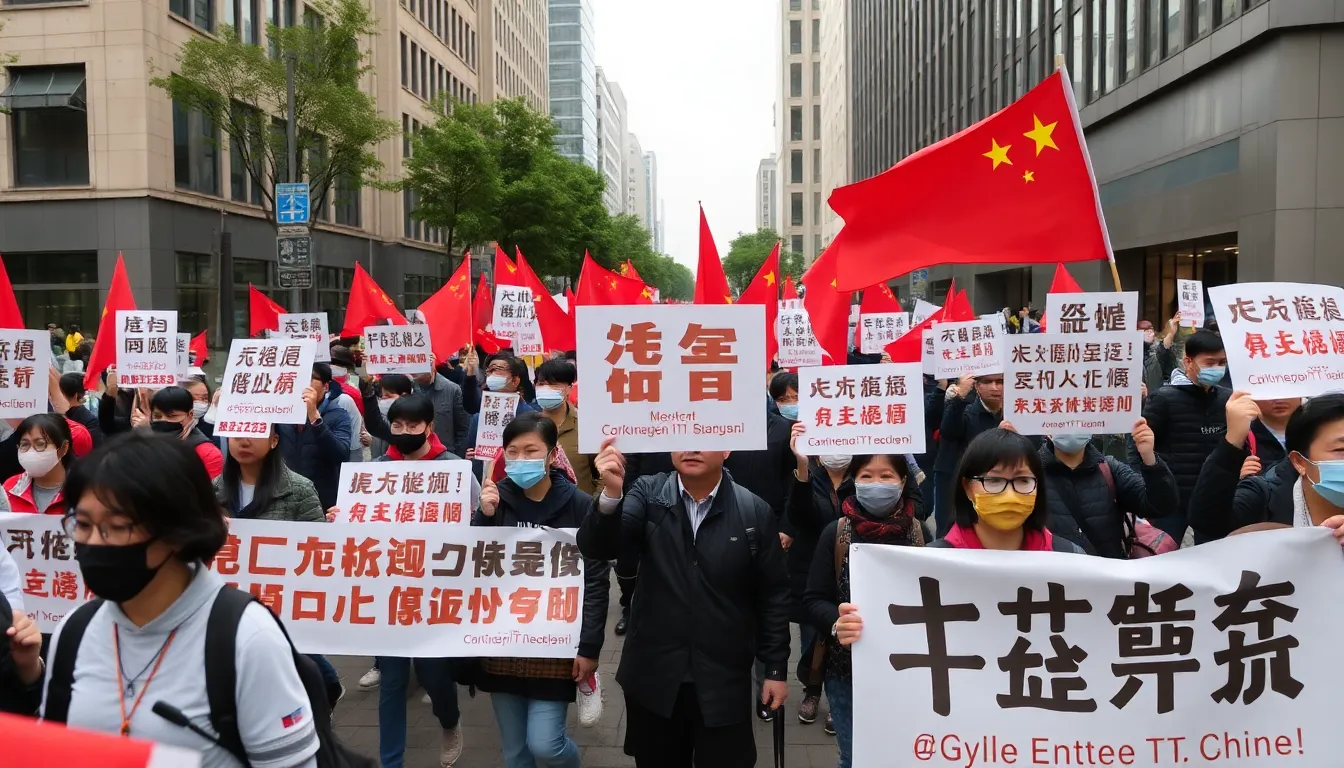
In the early years of the People’s Republic, the focus was on consolidating power and rebuilding the war-torn nation. However, as the economy began to open up in the late 1970s under Deng Xiaoping’s reforms, opportunities for corruption proliferated. The introduction of market-oriented policies created a new class of wealthy officials and businessmen, blurring the lines between public duty and personal gain.
The 1990s and early 2000s saw a series of high-profile corruption cases that rocked the nation, prompting public outcry and calls for reform. Despite these scandals, efforts to combat corruption were often superficial, leading to a culture of impunity among officials. This period also witnessed the emergence of the “tiger and fly” campaign, a term used to describe the crackdown on both high-ranking officials (tigers) and lower-level bureaucrats (flies), which is a significant focus in our piece about xi’s ongoing efforts against corruption.
The Xi Jinping Era and the Anti-Corruption Campaign
Since taking office in 2012, President Xi Jinping has made anti-corruption a cornerstone of his administration. His campaign has resulted in the investigation and prosecution of thousands of officials, signaling a significant shift in the government’s approach to corruption. However, critics argue that while the campaign has targeted corrupt practices, it has also been used as a tool for political purges, raising questions about its true motives and effectiveness.
Despite the extensive measures taken, public perception of corruption remains high, and many citizens express skepticism about the sincerity of the government’s efforts. The persistence of corruption in China highlights the complexities of governance in a rapidly changing society, where economic growth and political stability often clash with the need for accountability and transparency, similar to issues discussed in our article on the surge in oil prices.
Key Stakeholders and Issues in the Purge
The ongoing anti-corruption campaign initiated by Xi Jinping has involved millions of officials, reflecting a complex web of stakeholders with varying interests. At the forefront are the Chinese Communist Party (CCP) leaders, who view the purge as a means to consolidate power and maintain the party’s legitimacy. Xi Jinping himself is a pivotal figure, utilizing the campaign to eliminate political rivals and reinforce his authority within the party.
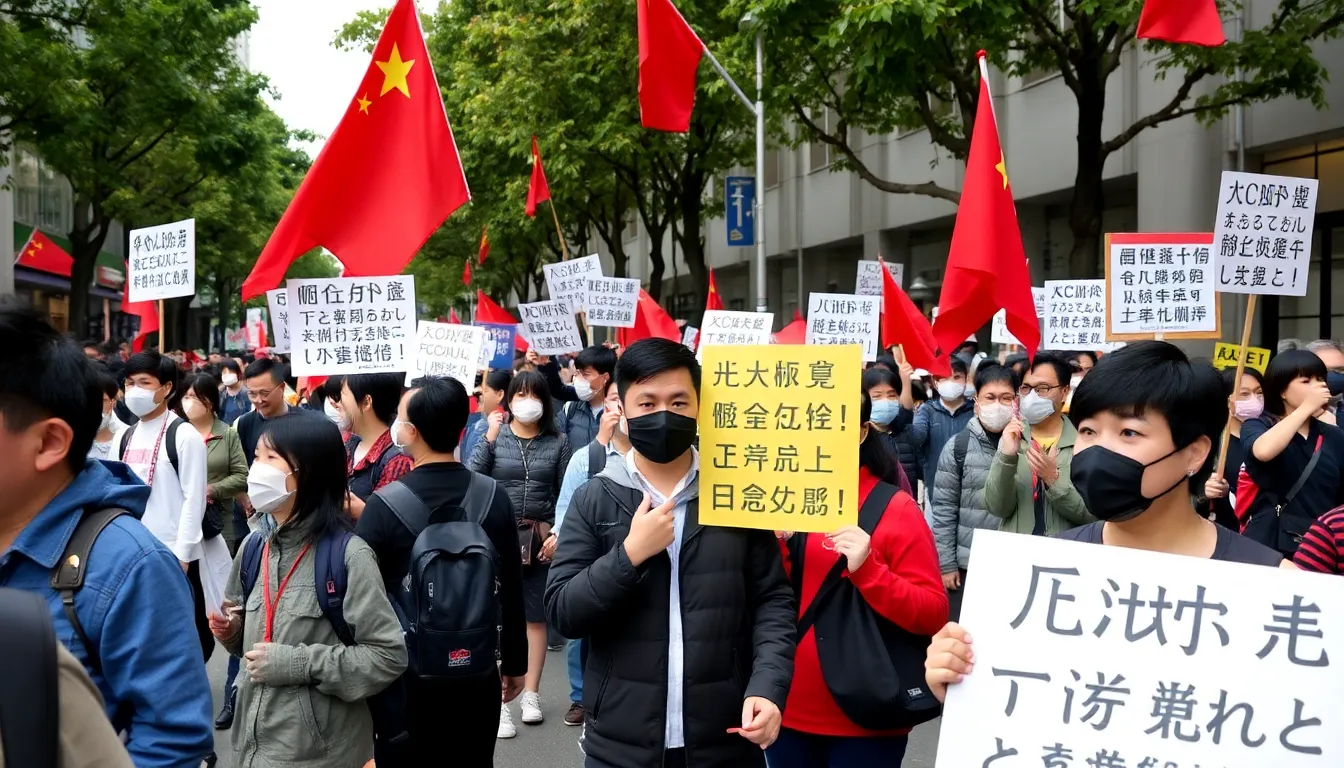
Another significant actor is the general public, who have mixed reactions to the anti-corruption efforts. While many citizens support the crackdown on corruption as a necessary step towards good governance, others are skeptical about the campaign’s effectiveness and its potential to lead to political repression.
Key issues surrounding the purge include the balance between accountability and political stability. The campaign raises questions about the rule of law in China and whether it is being used selectively to target opponents rather than to foster genuine reform. Additionally, the economic implications of the purge cannot be overlooked, as the removal of officials can disrupt local governance and lead to uncertainty in business environments.
- Political Rivalry: The purge often targets factions within the CCP, leading to internal power struggles.
- Public Sentiment: The populace’s support for anti-corruption measures can shift based on perceived fairness and outcomes.
- Legal Ramifications: The lack of transparent legal processes raises concerns about justice and due process.
- Economic Impact: Disruptions in governance can affect local economies and investor confidence.
- International Relations: The campaign may influence China’s diplomatic ties, particularly with nations that prioritize human rights.
Impact on Officials and the Chinese Public
The ongoing anti-corruption campaign led by Xi Jinping has far-reaching implications for various groups within China. Local government officials, state-owned enterprises, and even private businesses are grappling with the effects of this extensive purge. The campaign has created an atmosphere of fear among officials, leading to a culture of caution and self-censorship.
In the short term, daily life for many citizens may see disruptions as local administrations focus on compliance and oversight rather than community services. The heightened scrutiny on officials can lead to delays in decision-making processes, affecting everything from infrastructure projects to social welfare programs.
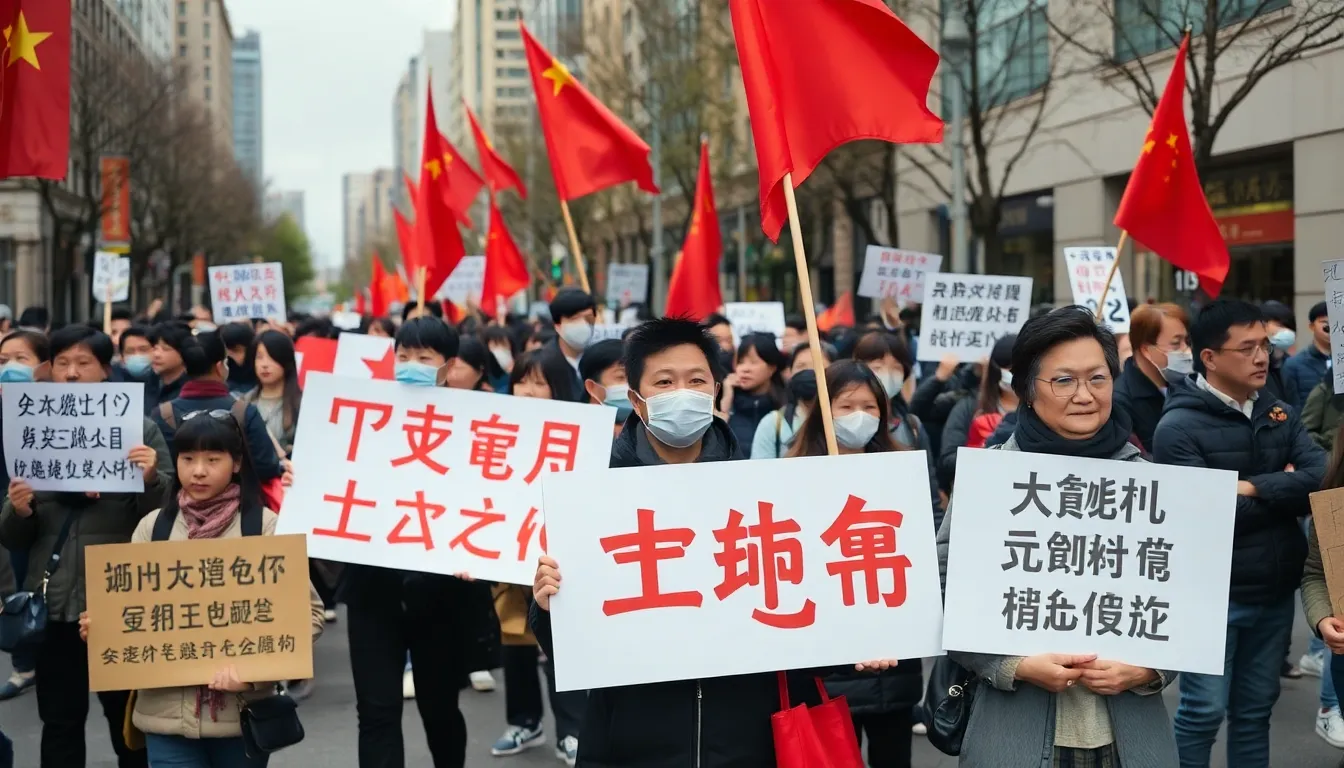
Industries such as construction and real estate, which often rely on government contracts, may experience instability as the purge targets corrupt practices. This can lead to a slowdown in projects and investments, impacting jobs and economic growth. However, there is also potential for positive change as the removal of corrupt officials could pave the way for more transparent and efficient governance.
- Risks: Increased bureaucratic delays, instability in key industries, potential job losses.
- Opportunities: Improved governance, potential for fairer business practices, enhanced public trust.
Regions heavily reliant on state funding may face greater challenges as the central government prioritizes anti-corruption measures over regional development. This could exacerbate inequalities between urban and rural areas, as well as between different provinces, leading to social tensions.
Ultimately, while the anti-corruption campaign aims to strengthen the integrity of the Chinese political system, its ripple effects on daily life, business operations, and public policy will be felt across the nation, presenting both risks and opportunities for various stakeholders.
A: Xi Jinping initiated the campaign to address widespread corruption within the Communist Party, aiming to restore public trust and consolidate his power. A: Millions of officials have been investigated or punished since the campaign began, indicating its extensive reach across various levels of government. A: While the campaign has led to high-profile arrests, critics argue that it has not fundamentally changed the systemic issues of corruption in China. A: The ongoing purge has significant implications for political stability, as it creates a climate of fear among officials and may deter potential dissent. A: Public opinion is mixed; while some support the crackdown on corruption, others view it as a tool for political repression.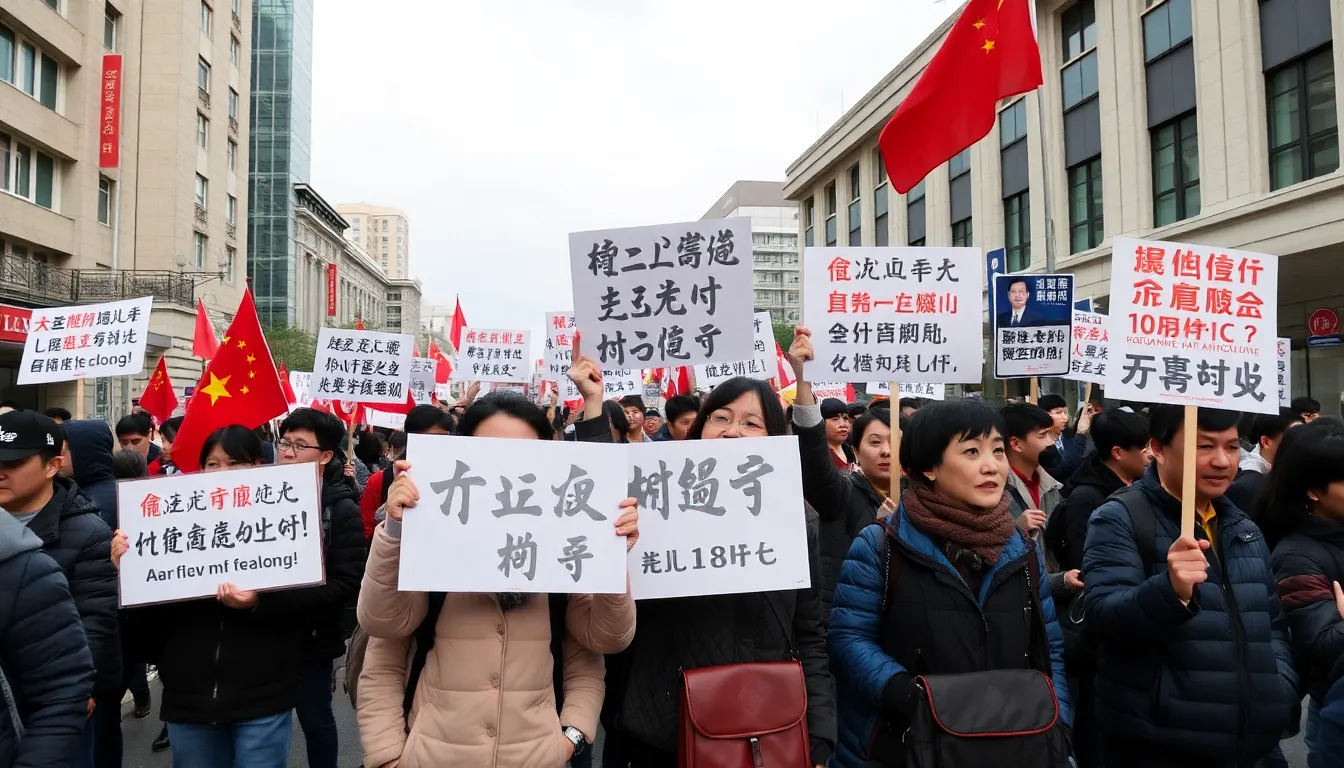
Frequently Asked Questions About the Purge
Insights on the Future of the Anti-Corruption Campaign
The ongoing anti-corruption campaign in China, initiated by Xi Jinping, has resulted in the removal of millions of officials. However, the persistence of corruption suggests that deeper systemic issues remain unaddressed. As the campaign continues, it is crucial to consider its long-term implications for governance, public trust, and the political landscape in China.
Moving forward, observers should note the potential for both reform and backlash as the campaign evolves. The balance between maintaining control and responding to public sentiment will be pivotal in shaping the future of the Chinese Communist Party’s legitimacy.
- Continued scrutiny of local officials: The campaign is likely to intensify, focusing on lower-level officials to restore public trust.
- Impact on governance: The anti-corruption drive may lead to changes in bureaucratic practices, potentially fostering a culture of accountability.
- Public perception: The effectiveness of the campaign will influence citizens’ trust in the government and its institutions.
- Political stability: Ongoing purges could create power vacuums, leading to instability within the party ranks.
- International implications: China’s approach to corruption may affect its global relations, particularly with nations concerned about governance and transparency.