


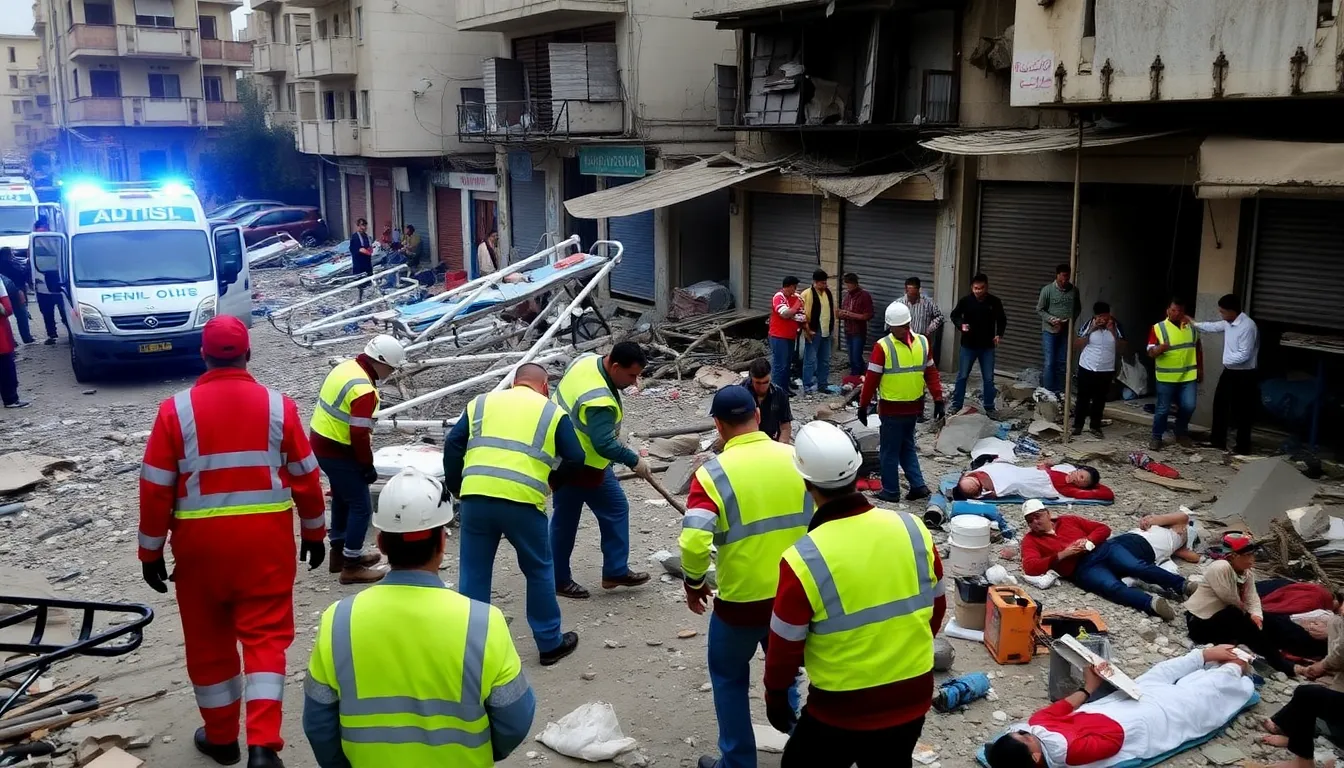
According to the Lebanese Ministry of Health, at least 50 medical personnel have been confirmed dead, with many more injured. Hospitals in the region are overwhelmed, struggling to provide care amidst ongoing attacks. This situation highlights the critical vulnerabilities faced by healthcare systems during wartime.
International humanitarian organizations have condemned the strikes, asserting that medical workers should be protected under international law. The World Health Organization has called for an immediate ceasefire to allow for humanitarian aid and to ensure the safety of medical facilities and personnel.
The ongoing violence not only jeopardizes the lives of medical workers but also severely impacts the civilian population. Access to essential healthcare services is increasingly limited, exacerbating an already dire humanitarian crisis in Lebanon. The situation demands urgent attention from the global community to prevent further loss of life and to protect those who provide critical care in times of conflict.
Understanding the background of the Israel-Lebanon conflict
The Israel-Lebanon conflict is deeply rooted in a complex history of territorial disputes, political tensions, and sectarian strife. The modern phase of this conflict can be traced back to the mid-20th century, particularly following the establishment of the State of Israel in 1948. The subsequent Arab-Israeli wars, especially the 1967 Six-Day War, resulted in significant territorial changes and heightened animosities between Israel and its neighbors, including Lebanon.
In the years following the establishment of Israel, Lebanon experienced a surge in Palestinian refugees, leading to increased tensions between various Lebanese factions. The presence of the Palestine Liberation Organization (PLO) in Lebanon during the 1970s exacerbated these tensions, culminating in the Lebanese Civil War (1975-1990). This conflict drew in various regional powers and led to the rise of militant groups, most notably Hezbollah, which emerged as a response to Israeli incursions and occupation in southern Lebanon.
Hezbollah’s formation marked a significant shift in the dynamics of the conflict, as it positioned itself as a resistance movement against Israeli aggression. The group gained substantial support from Shiite communities in Lebanon and received backing from Iran and Syria. The 2006 Lebanon War further intensified the conflict, resulting in widespread destruction and loss of life, and solidifying Hezbollah’s role in Lebanese politics and society.
The Humanitarian Impact
The ongoing violence has had dire humanitarian consequences for both Lebanese and Israeli populations. In recent years, renewed hostilities have led to the deaths of numerous civilians, including medical workers who play a vital role in providing care in conflict zones. The targeting of medical personnel and facilities raises significant ethical concerns and highlights the challenges faced by humanitarian organizations operating in such volatile environments.
As tensions continue to simmer, the situation remains precarious, with periodic escalations resulting in tragic losses and a humanitarian crisis that demands urgent attention from the international community. Understanding the historical context of the Israel-Lebanon conflict is essential for comprehending the complexities of current events and the ongoing cycle of violence.
Key stakeholders and issues surrounding the conflict
The ongoing conflict between Israel and Lebanon has drawn in various stakeholders, each with distinct interests and concerns. Among the primary actors are the Israeli government, the Lebanese government, humanitarian organizations, and local communities affected by the violence. The dynamics among these stakeholders complicate the situation, especially in light of the recent attacks that have resulted in the deaths of medical workers.
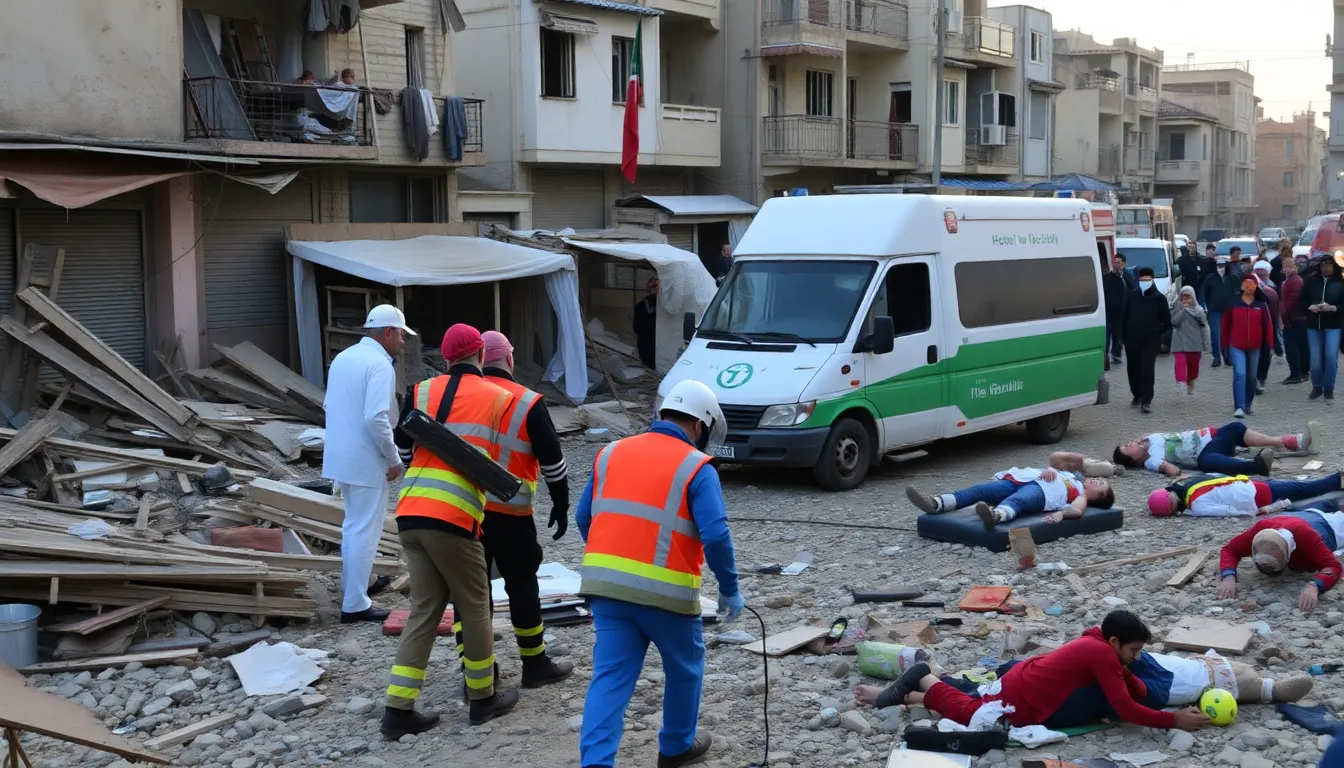
Israel’s military actions are often justified by the government as necessary for national security, aiming to neutralize perceived threats from militant groups operating in Lebanon. Conversely, the Lebanese government and various humanitarian organizations advocate for the protection of civilians and medical personnel, emphasizing the need for compliance with international humanitarian law. This divergence in perspectives leads to significant tension and underscores the complexity of the conflict.
Key issues arising from this situation include:
- Humanitarian Access: The safety of medical workers and the ability to deliver aid are paramount, yet increasingly jeopardized by ongoing hostilities.
- Legal Implications: The actions taken by both sides may raise questions of legality under international law, particularly concerning the protection of non-combatants.
- Economic Consequences: The conflict exacerbates existing economic challenges in Lebanon, affecting public health infrastructure and overall stability.
- Political Ramifications: The situation has the potential to strain international relations, particularly among countries involved in peacekeeping efforts or those providing aid.
As the conflict continues, the interplay between these stakeholders and the issues at hand will shape the future of both Israel and Lebanon, influencing regional stability and humanitarian conditions. The need for dialogue and resolution is critical, yet remains complicated by entrenched positions and historical grievances.
The humanitarian impact on affected communities and healthcare systems
The recent escalation in violence between Israel and Lebanon has led to a tragic loss of life among medical workers, profoundly affecting healthcare systems and communities in both regions. The immediate impact is felt by families who have lost loved ones, as well as by colleagues who now face increased stress and trauma in their work environments.
Healthcare facilities in Lebanon are already strained, and the loss of medical professionals exacerbates existing shortages. Hospitals may struggle to provide essential services, leading to longer wait times and reduced access to care for patients. This situation is particularly dire for vulnerable populations, including the elderly and those with chronic illnesses who rely heavily on consistent medical attention.
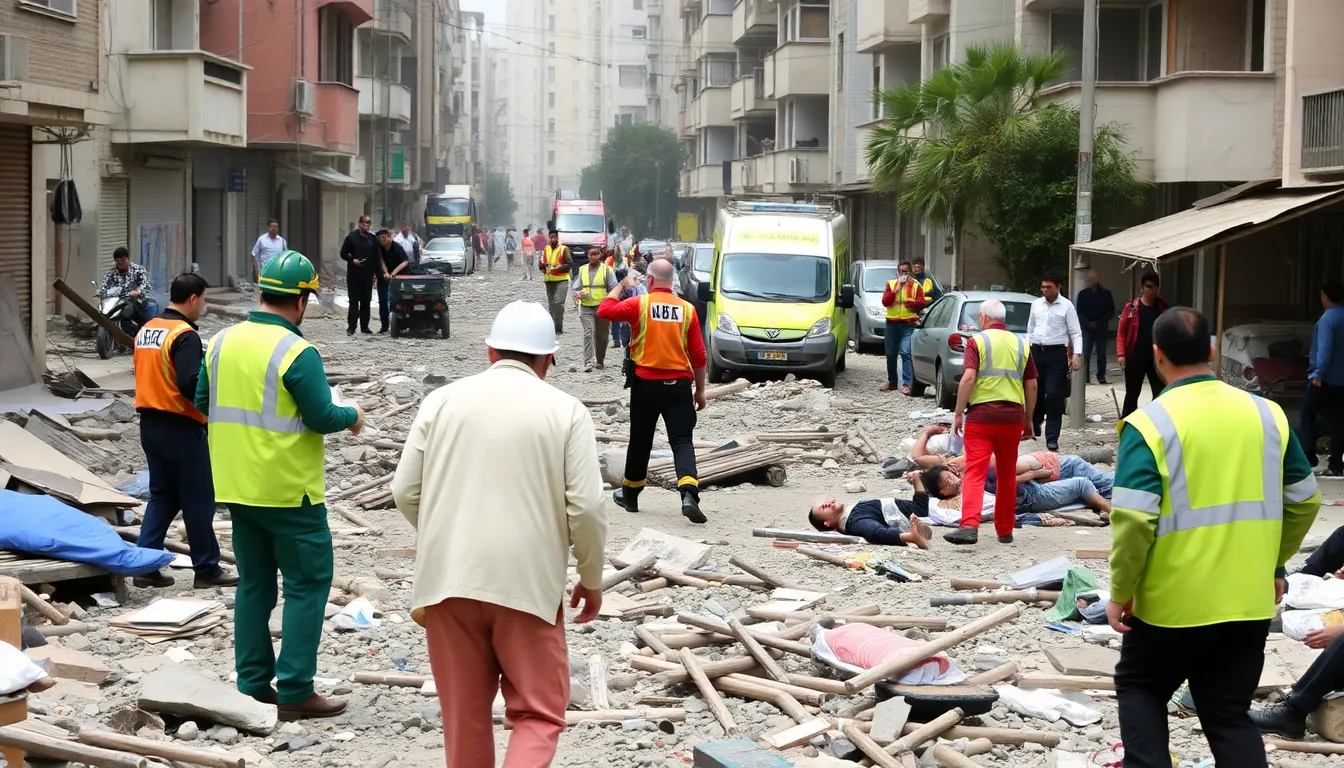
In the short term, the violence disrupts daily life, forcing many to seek shelter and stay away from public spaces. Businesses in affected areas may experience closures or reduced hours, impacting local economies. The healthcare sector, already under pressure, may see a shift in policies as governments and organizations scramble to respond to the crisis.
- Increased stress on healthcare systems due to workforce shortages.
- Potential rise in mental health issues among survivors and healthcare workers.
- Disruption of essential medical services and community health programs.
- Economic downturn in affected regions due to business closures.
In the mid-term, there may be opportunities for international aid organizations to step in, providing support and resources to rebuild healthcare infrastructure. This could lead to a renewed focus on mental health services and trauma care, which are critical in the aftermath of such violence. Additionally, there may be calls for policy changes aimed at improving the safety and security of healthcare workers in conflict zones.
A: The airstrikes were a response to ongoing tensions and hostilities between Israel and militant groups in Lebanon, particularly Hezbollah. The situation escalated following a series of cross-border attacks. A: Reports indicate that dozens of medical workers have lost their lives due to the airstrikes, highlighting the severe impact on healthcare services in the region. A: The loss of medical personnel severely disrupts healthcare services, making it challenging to provide care for both conflict-related injuries and routine health needs. A: The international community has expressed concern over the humanitarian crisis and called for restraint from both sides to protect civilians and medical facilities. A: The situation remains tense, with ongoing military actions and humanitarian needs growing. Many areas are facing shortages of medical supplies and personnel.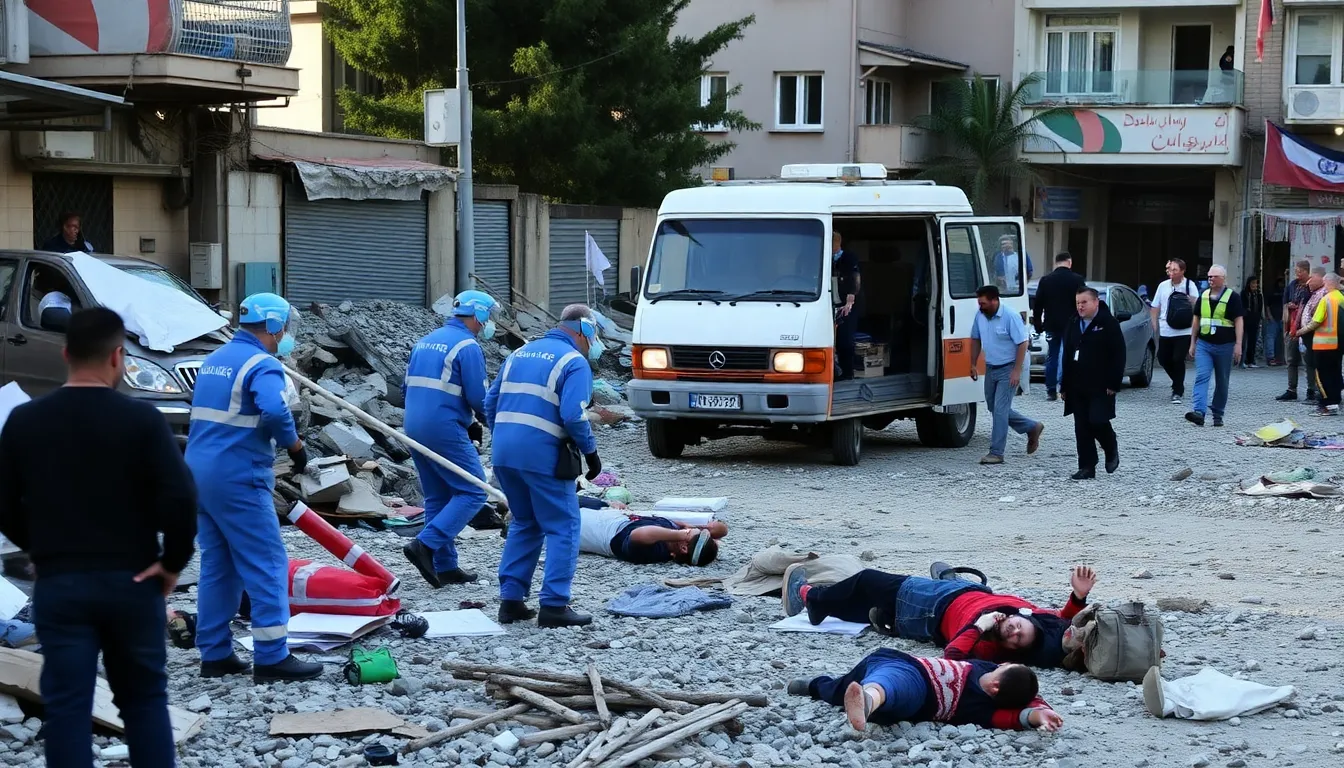
Frequently asked questions about the situation
Key points and future outlook on the conflict
The recent escalation in violence, resulting in the tragic loss of dozens of medical workers in Lebanon, underscores the profound humanitarian impact of the ongoing conflict. As the situation develops, the implications for regional stability and international humanitarian efforts are significant. The attack not only raises concerns about the safety of medical personnel but also highlights the broader humanitarian crisis affecting civilians caught in the crossfire.
Looking ahead, it is crucial to monitor the responses from both local and international communities, as well as the potential for increased diplomatic efforts aimed at de-escalation. The international community’s reaction may influence future engagements and humanitarian aid initiatives in the region.
- The safety of medical personnel in conflict zones remains a pressing concern, necessitating enhanced protective measures and protocols.
- Increased international scrutiny may lead to calls for accountability and a reevaluation of military tactics employed in densely populated areas.
- Humanitarian organizations may face greater challenges in delivering aid, prompting a need for innovative solutions to ensure access to affected populations.
- Regional dynamics could shift as neighboring countries react to the escalation, potentially impacting political alliances and security strategies.
- Public opinion and advocacy for peace may grow, influencing policymakers to prioritize diplomatic solutions over military action.