


The Tokyo District Court’s ruling reflects growing public concern over the church’s practices, which have been criticized for exploiting vulnerable individuals. The court noted that the organization’s activities have caused substantial damage to the lives of its followers and their families, emphasizing the need for protective measures against such groups.
This ruling is part of a broader movement in Japan to reassess the legal status and operational practices of religious organizations. The Unification Church, founded by Sun Myung Moon in 1954, has faced allegations of coercive tactics and financial exploitation, prompting calls for greater oversight and regulation of religious entities.
The dissolution order is expected to have far-reaching implications for the church’s operations in Japan and may influence similar actions in other countries. As the organization prepares to appeal the decision, its future remains uncertain, and the case continues to resonate with discussions about religious freedom and accountability in Japan.
Understanding the background of the Unification Church in Japan
The Unification Church, founded in South Korea by Sun Myung Moon in 1954, has had a complex and often controversial presence in Japan since the 1960s. Initially, the church gained traction through its emphasis on family values and community, appealing to many Japanese individuals seeking spiritual guidance in a rapidly modernizing society. However, its aggressive recruitment strategies and financial demands have led to significant public backlash and scrutiny over the years.
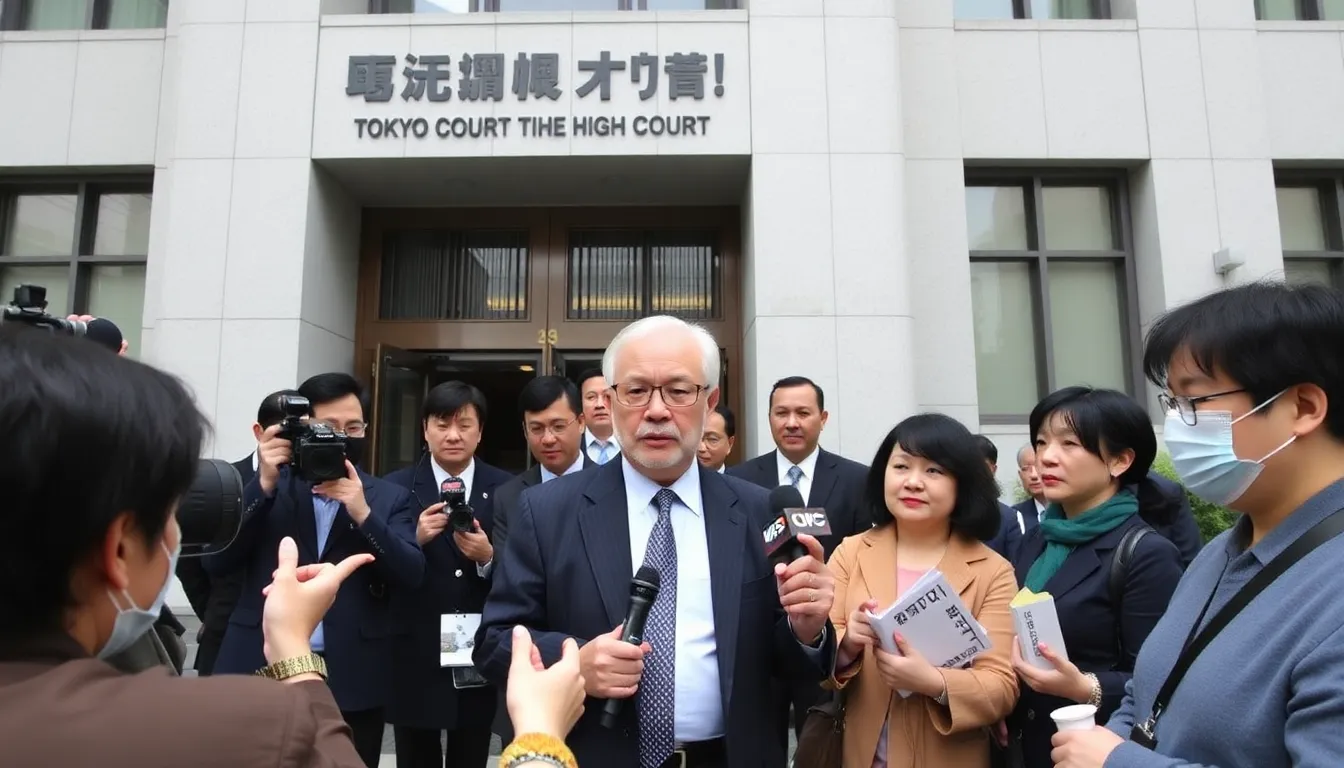
One of the pivotal moments in the church’s history in Japan occurred in the 1980s when allegations of brainwashing and coercive financial practices surfaced. These claims prompted a broader societal debate about the rights of religious organizations and the protection of individual freedoms, as seen in the ongoing discussions around legal actions similar to those against other controversial groups.
Legal Challenges and Government Response
In response to growing concerns, the Japanese government began exploring legal avenues to address the church’s controversial practices. In 2023, a Tokyo court upheld an order to dissolve the Unification Church, citing its activities as harmful to individuals and society. This landmark ruling marked a significant shift in the legal landscape surrounding religious organizations in Japan, setting a precedent for how similar cases may be handled in the future.
The ruling has sparked a nationwide discussion about the balance between religious freedom and the protection of citizens from potentially exploitative practices. As the government continues to navigate this sensitive issue, the Unification Church remains at the center of a broader conversation about the role of religion in contemporary Japanese society.
Key stakeholders and issues surrounding the court’s decision
The recent ruling by a Japanese court to uphold the order for the dissolution of the Unification Church has brought various stakeholders into the spotlight, each with distinct interests and concerns. The primary actors include the Unification Church itself, the Japanese government, legal entities, and the general public, particularly those affected by the church’s activities.
The Unification Church, founded by Sun Myung Moon, is fighting to maintain its organizational structure and activities. The church argues that the dissolution order infringes on its rights to freedom of religion and expression. Its leadership contends that the court’s decision is based on misinterpretations of its practices and beliefs, which they claim are being unfairly characterized as harmful.
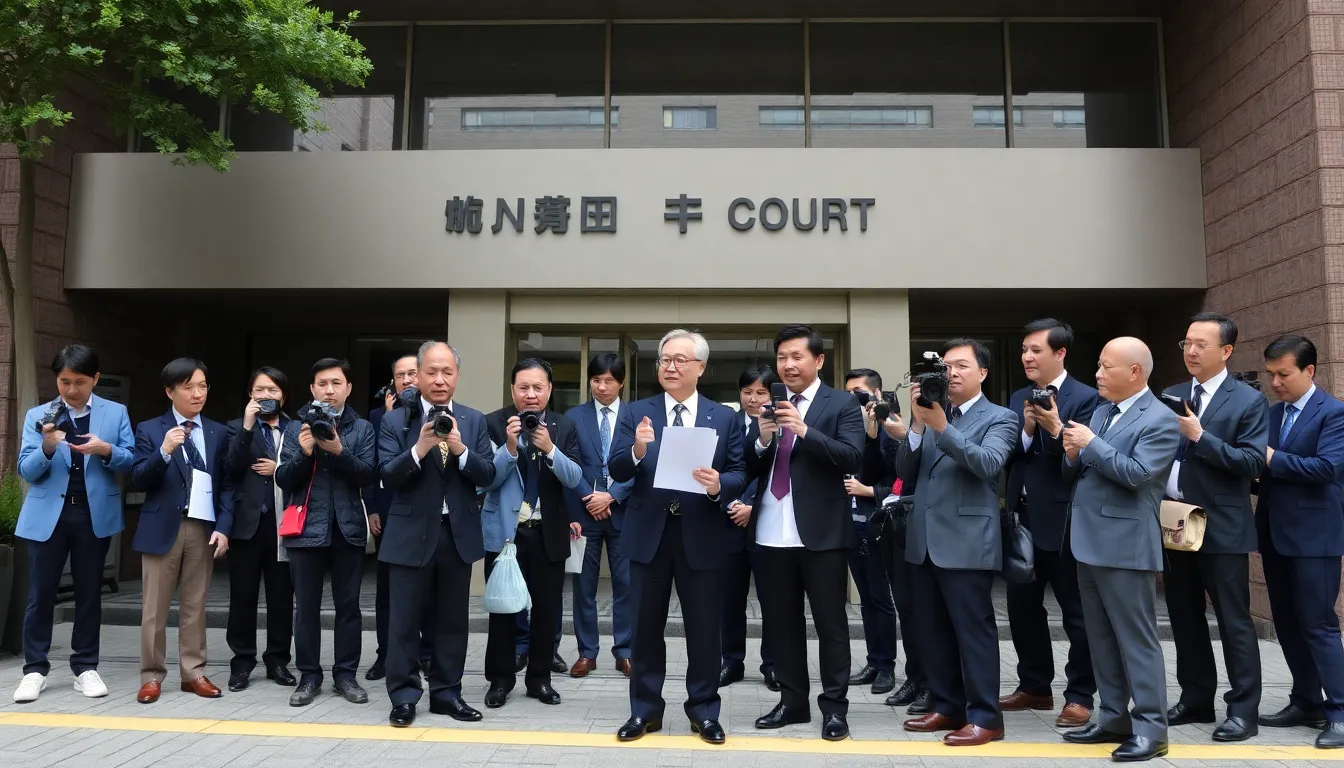
The Japanese government, on the other hand, is focused on addressing public safety and welfare concerns. Following numerous allegations of financial misconduct and coercive practices associated with the church, the government seeks to ensure that such organizations operate transparently and ethically. This legal action underscores the government’s commitment to protecting citizens from potential exploitation.
- Legal implications: The court’s decision sets a precedent for how religious organizations are regulated in Japan, raising questions about the balance between religious freedom and public interest.
- Public sentiment: There is a significant divide in public opinion regarding the church, with some viewing it as a legitimate faith and others as a harmful cult, complicating the narrative surrounding the court’s ruling.
- International ramifications: The Unification Church has a global presence, and the ruling may influence how similar organizations are treated in other countries, potentially impacting international relations.
As this situation unfolds, the interplay between legal frameworks, religious freedoms, and public safety will continue to shape the discourse surrounding the Unification Church and its future in Japan. The outcome of this case may have lasting repercussions not only for the church but also for the broader landscape of religious organizations in the country, much like the impact observed after the recent ruling on public safety matters.
Potential impacts on members and society at large
The recent decision by the Japanese court to uphold the order to dissolve the Unification Church has significant implications for various groups, including its members, local communities, and the broader religious landscape in Japan. Members of the church, who number in the thousands, may experience emotional and financial turmoil as they navigate the dissolution process.
In the short term, the dissolution could disrupt the church’s social services and community outreach programs, which have provided support to many individuals. This disruption may lead to a loss of resources for vulnerable populations who rely on these services, creating a ripple effect in local communities.
Mid-term impacts may involve shifts in the religious and cultural dynamics within Japan. Other religious organizations might face scrutiny and increased regulation as a result of the court’s decision, leading to a more cautious approach to religious practices. Additionally, former members may seek alternative communities, impacting local economies and social networks.
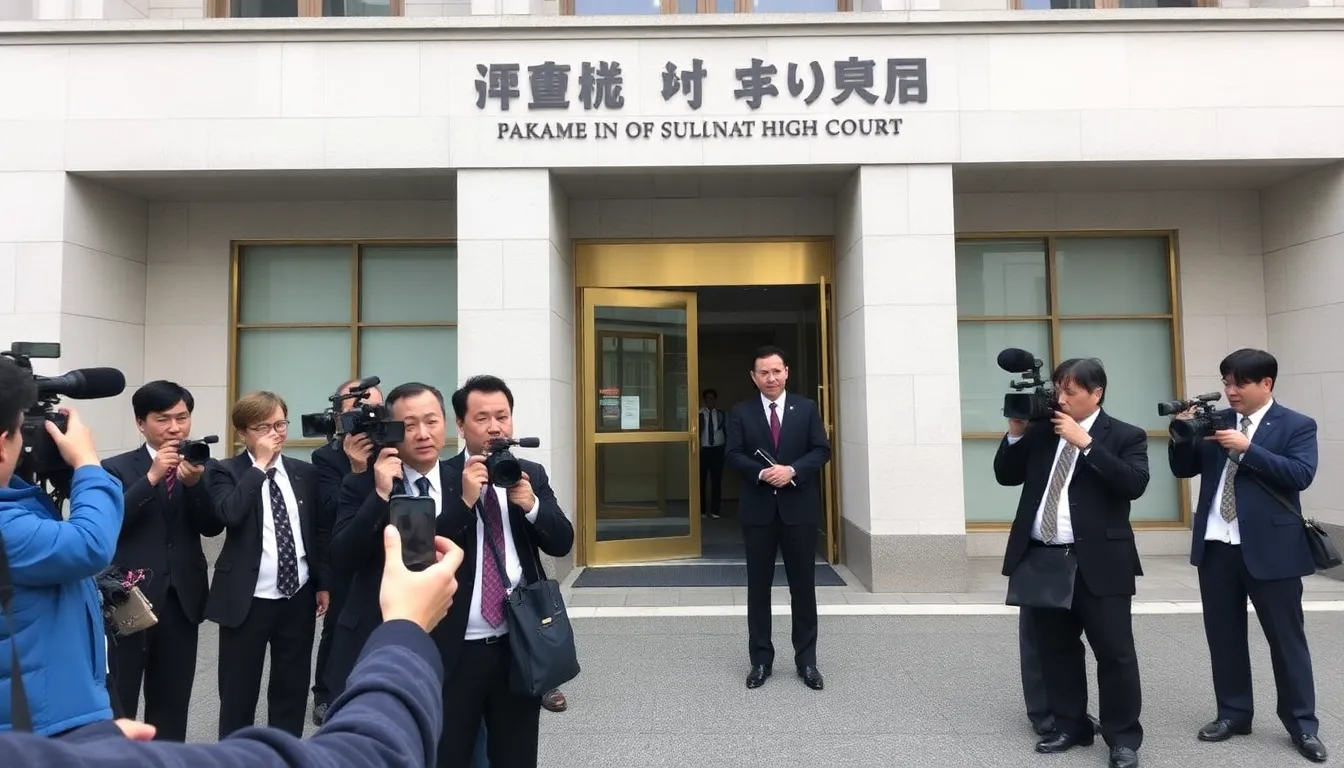
- Emotional distress for current members as they cope with the dissolution.
- Loss of community services affecting vulnerable populations.
- Increased scrutiny of other religious organizations.
- Potential for new community formations as former members seek support.
On the other hand, this situation may present opportunities for dialogue and reform within religious communities in Japan. The court’s ruling could encourage transparency and accountability, fostering a healthier environment for religious practice. Furthermore, businesses that provide legal and psychological support services may see increased demand as individuals seek guidance in navigating the aftermath of the dissolution.
A: The court’s decision was influenced by allegations of coercive practices and financial misconduct within the church, prompting legal scrutiny. A: Current members may face uncertainty regarding their status and the future of their community as the church is dissolved. A: This ruling raises questions about the balance between religious freedom and the protection of individuals from potentially harmful practices. A: Yes, the Unification Church may seek to appeal the ruling in higher courts, potentially prolonging the legal battle. A: Public reactions have been mixed, with some supporting the decision for accountability, while others express concerns over religious persecution.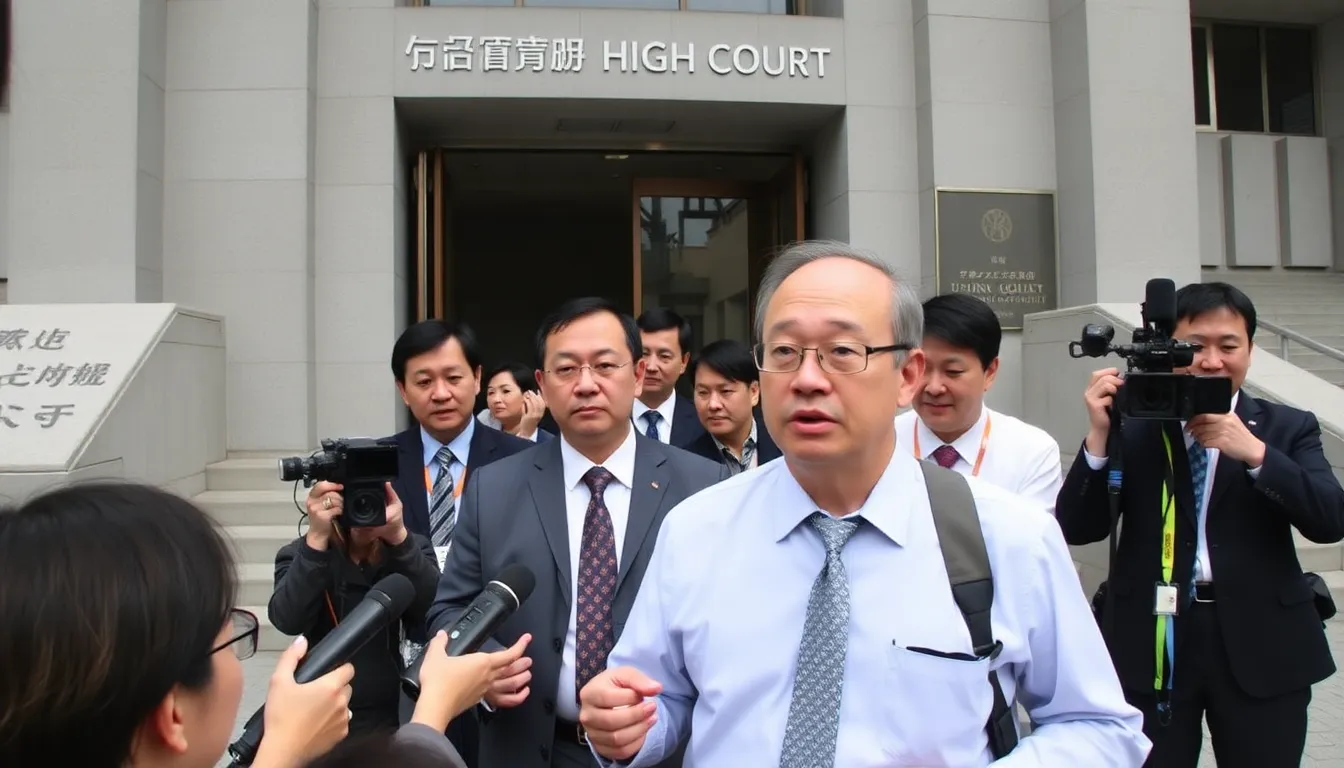
Frequently asked questions about the court ruling
Key points and future outlook on the Unification Church case
The Japanese court’s decision to uphold the order for the dissolution of the Unification Church marks a significant turning point in the ongoing scrutiny of the organization. This ruling not only reflects the legal challenges facing the church but also highlights broader societal concerns about its practices and influence. As the situation develops, it will be crucial to observe the reactions from both the church and its followers, as well as the implications for religious freedom and governance in Japan.
Moving forward, the case may set a precedent for how similar organizations are regulated and monitored, potentially influencing legislative discussions about religious institutions and their accountability. Stakeholders, including government officials, legal experts, and religious leaders, will need to navigate the delicate balance between protecting individual rights and ensuring public safety.
- Monitor potential appeals or further legal actions by the Unification Church in response to the court’s ruling.
- Watch for shifts in public perception and support for the church among its followers and the general population.
- Consider the implications of this ruling on other religious organizations facing similar scrutiny in Japan.
- Evaluate how this case may influence future legislation regarding religious practices and the oversight of such organizations.
- Keep an eye on international reactions, particularly from human rights organizations concerned about religious freedom.