


On September 5, 2023, the ICC’s Pre-Trial Chamber authorized the prosecution to proceed with its case against Duterte, allowing for a formal investigation into the alleged crimes. The court’s decision is based on findings that there is a reasonable basis to believe that Duterte and his associates may have committed crimes against humanity. This marks a significant moment in international law, as it underscores the court’s commitment to addressing serious human rights violations.
The charges against Duterte are particularly significant given the scale of the alleged abuses, similar to how South Korea’s ex-president faced consequences for his actions. Reports indicate that thousands of individuals may have been killed under Duterte’s anti-drug campaign, which has drawn widespread condemnation from human rights organizations and various governments.
Duterte has consistently denied the allegations, asserting that his administration acted within the bounds of the law to combat drug-related crime. His government has also attempted to withdraw from ICC jurisdiction, claiming that the court does not have a mandate over Philippine affairs. However, the ICC maintains that it retains jurisdiction over crimes committed while the Philippines was a member state.
The unfolding situation is being closely monitored by both supporters and critics of Duterte, as it may have lasting implications for the Philippines’ political landscape and its relationship with international bodies. As the ICC moves forward with its investigation, the case symbolizes a broader struggle for justice and accountability in the face of alleged state-sponsored violence.
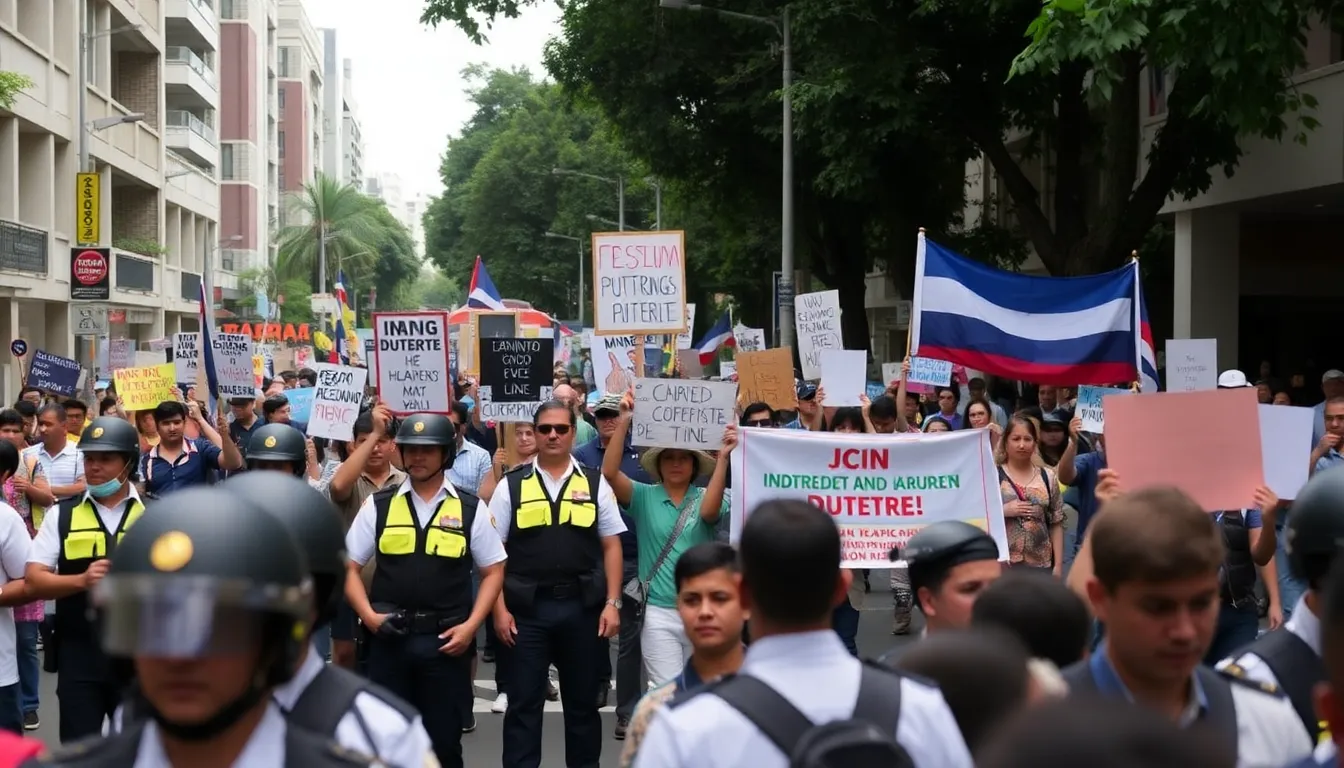
Background on Duterte’s presidency and the war on drugs
Rodrigo Duterte served as the 16th President of the Philippines from June 30, 2016, until June 30, 2022, and his controversial war on drugs was marked by aggression and severe tactics.
The roots of Duterte’s war on drugs can be traced back to the rising drug-related crime rates in the Philippines, which became a significant concern for many Filipinos. During his campaign for the presidency, Duterte promised to tackle the drug problem head-on, appealing to voters’ frustrations with crime and corruption. His tough rhetoric and promises resonated with a population desperate for change, leading to his electoral victory.
As Duterte took office, the war on drugs rapidly escalated, with thousands of deaths reported as law enforcement agencies conducted operations against suspected drug offenders. Human rights organizations, both local and international, began to document these killings, raising alarms about the lack of due process and the apparent targeting of the poor and marginalized communities. The Philippine government defended the campaign, arguing that it was necessary to protect society from the scourge of drugs.
International Response and Legal Proceedings
The international community’s response to Duterte’s war on drugs has been largely critical. In 2018, the International Criminal Court (ICC) announced a preliminary examination into the situation in the Philippines, focusing on allegations of crimes against humanity. This examination intensified as reports of human rights abuses continued to emerge, leading to calls for accountability and justice for the victims of the drug war.
Despite this withdrawal from the Rome Statute, the ICC maintains that it still had jurisdiction over crimes committed while the Philippines was a member, setting the stage for the current hearings against Duterte, which echo the importance of accountability highlighted in other international legal cases.
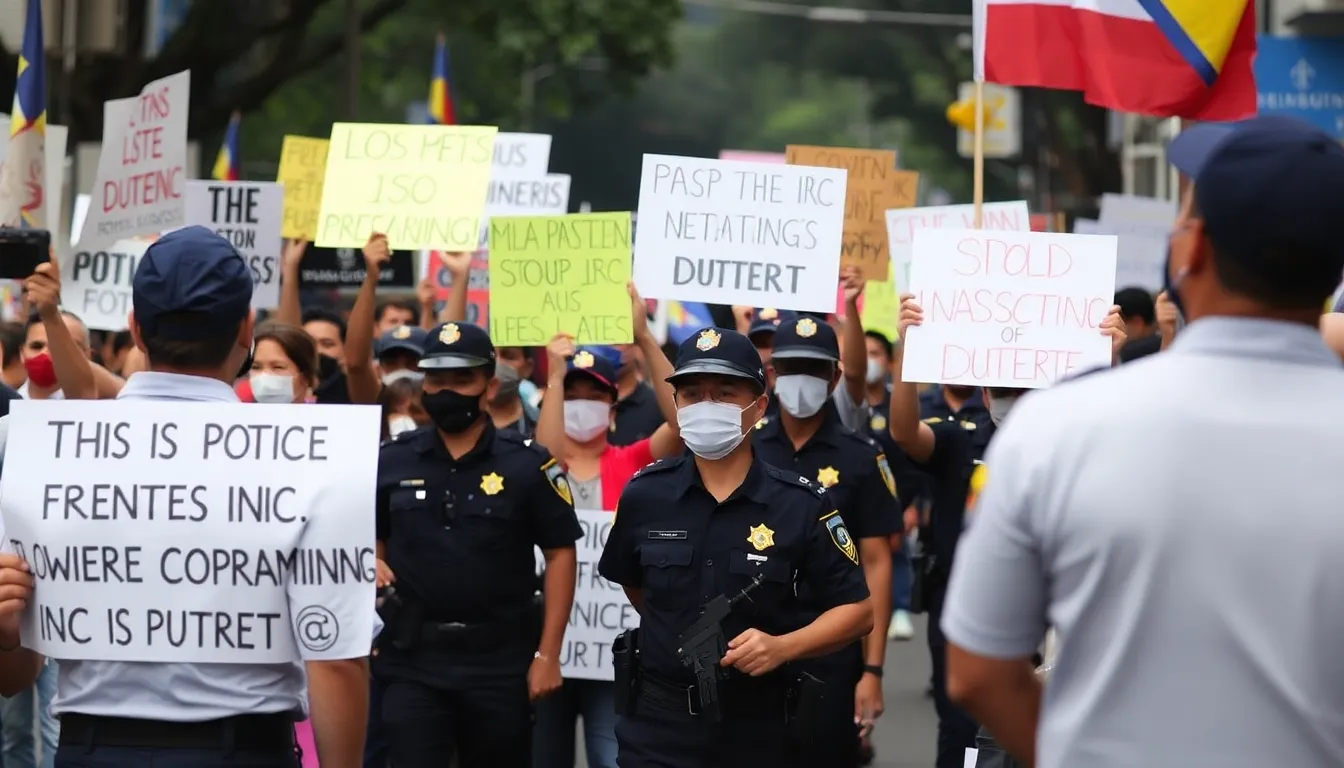
Key stakeholders and issues surrounding the case
The ongoing proceedings against former Philippine President Rodrigo Duterte at the International Criminal Court (ICC) involve several key stakeholders, each with distinct interests and concerns. The primary actors include the ICC, the Philippine government, human rights organizations, and the Filipino populace, all of whom play crucial roles in shaping the narrative and implications of the case.
Firstly, the ICC represents the international legal framework aimed at addressing crimes against humanity. Its interest lies in upholding international law and ensuring accountability for alleged extrajudicial killings during Duterte’s controversial war on drugs. The court’s actions could set a precedent for how similar cases are handled globally, reinforcing the principle that no leader is above the law.
On the other hand, the Philippine government, under President Ferdinand Marcos Jr., has shown resistance to the ICC’s jurisdiction, arguing that it undermines national sovereignty. The government’s stance raises concerns about the potential for a diplomatic rift and its implications for international relations, particularly with Western nations that advocate for human rights.
- Human Rights Organizations: Groups such as Amnesty International and Human Rights Watch are closely monitoring the case, advocating for justice for victims of the drug war. They emphasize the need for accountability and the protection of human rights in the Philippines.
- Public Sentiment: Many Filipinos remain divided on Duterte’s legacy, with a significant portion supporting his hardline policies. This division complicates the public discourse surrounding the ICC’s involvement and the broader implications for governance in the Philippines.
- Legal Precedents: The outcome of this case may influence future international legal actions against leaders accused of similar crimes, potentially reshaping global norms regarding accountability and justice.
Ultimately, the interplay of these stakeholders and their respective interests highlights the complex nature of the case. As the ICC moves forward with its proceedings, the ramifications could extend beyond the courtroom, affecting national policy, international relations, and the ongoing struggle for human rights in the Philippines.
Potential impacts on the Philippines and international relations
The ongoing hearings by the International Criminal Court (ICC) concerning former Philippine President Rodrigo Duterte may significantly affect various groups and industries within the Philippines. The legal proceedings could create a ripple effect, influencing political dynamics, economic conditions, and social stability in the region.
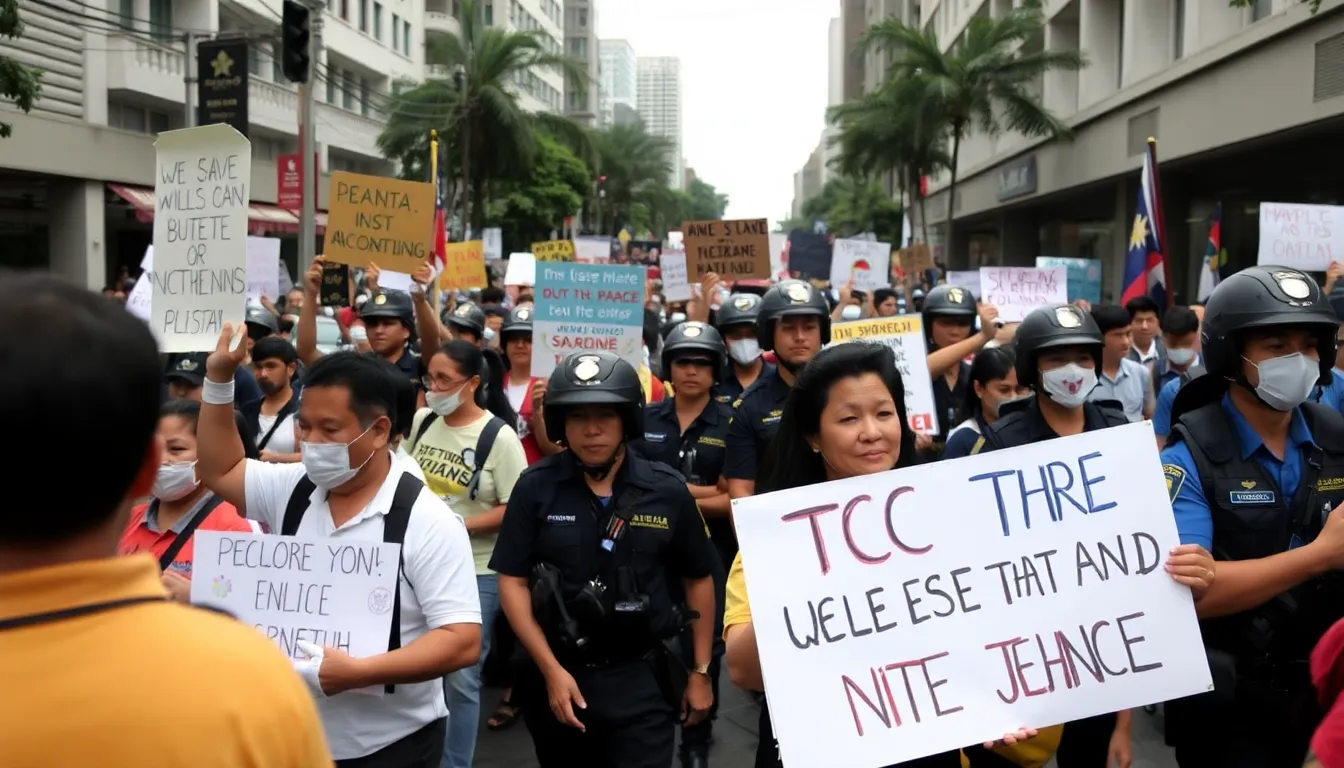
One of the most immediate impacts will be felt by the political landscape in the Philippines. Supporters and opponents of Duterte may become more polarized, leading to heightened tensions among political factions. This could result in protests or civil unrest, particularly as the hearings progress and more information becomes public.
In terms of business, industries that rely on international relations, such as tourism and foreign investment, may experience fluctuations. Investors could become wary of the political climate, which might deter foreign capital inflow. Conversely, if the ICC proceedings lead to a perception of accountability and reform, it may enhance the Philippines’ attractiveness as a destination for ethical investment.
- Short-term impacts: Increased political tensions, potential civil unrest, and investor caution.
- Mid-term impacts: Possible shifts in foreign policy, changes in investment patterns, and reform in governance.
- Risks: Economic downturns due to reduced foreign investment and tourism.
- Opportunities: Strengthening of democratic institutions and potential for increased international support.
Regions heavily reliant on tourism may face immediate challenges if travelers perceive the Philippines as unstable. However, if the ICC proceedings are seen as a step towards justice, it could lead to a long-term boost in the country’s reputation on the global stage, attracting tourists interested in social justice and human rights.
A: Duterte is facing charges related to crimes against humanity due to the extrajudicial killings during his administration’s war on drugs. A: The ICC investigates and prosecutes individuals for serious crimes such as genocide and war crimes, and the process involves preliminary examinations, investigations, and trials. A: If convicted, Duterte could face significant prison time and may also impact his political legacy and future in Philippine politics. A: The Philippine government has expressed strong opposition to the ICC’s involvement, asserting that it undermines the country’s sovereignty. A: The international community is closely watching the proceedings, with many human rights organizations supporting the ICC’s actions against Duterte.
Frequently asked questions about the ICC proceedings
Key takeaways and future outlook on the case
The ongoing proceedings against former Philippine President Rodrigo Duterte at the International Criminal Court (ICC) mark a significant moment in international law and human rights discourse. As the judges hear charges related to alleged crimes against humanity, the implications extend beyond Duterte’s personal accountability, reflecting on the broader context of governance, accountability, and justice in the Philippines and similar jurisdictions.
As this case unfolds, it will be crucial to monitor the responses from the Philippine government, the international community, and human rights organizations. The outcomes may influence future legal frameworks regarding state sovereignty and the international community’s role in addressing human rights violations.
- The case could set a precedent for how international law addresses high-ranking officials accused of human rights abuses.
- Increased scrutiny on the Philippine government’s response may lead to changes in domestic policies regarding human rights.
- This situation may galvanize civil society and advocacy groups both within the Philippines and globally, potentially leading to increased activism.
- The ICC’s handling of this case could affect its credibility and future operations in other nations facing similar allegations.
- International diplomatic relations may shift depending on the outcomes and the responses from various stakeholders involved in the case.